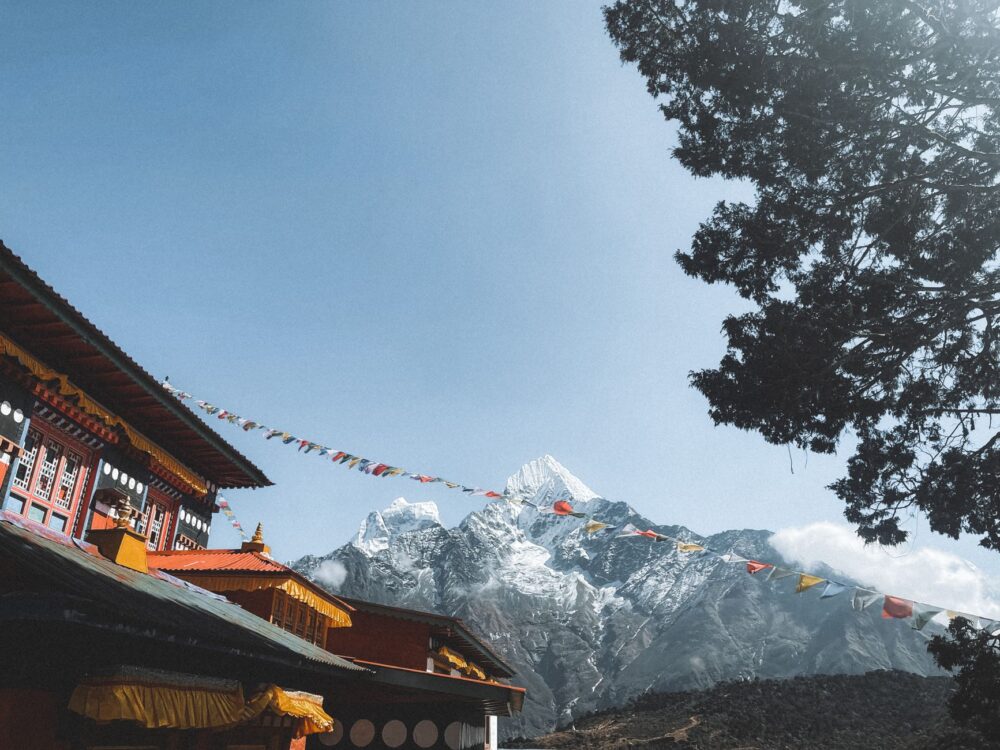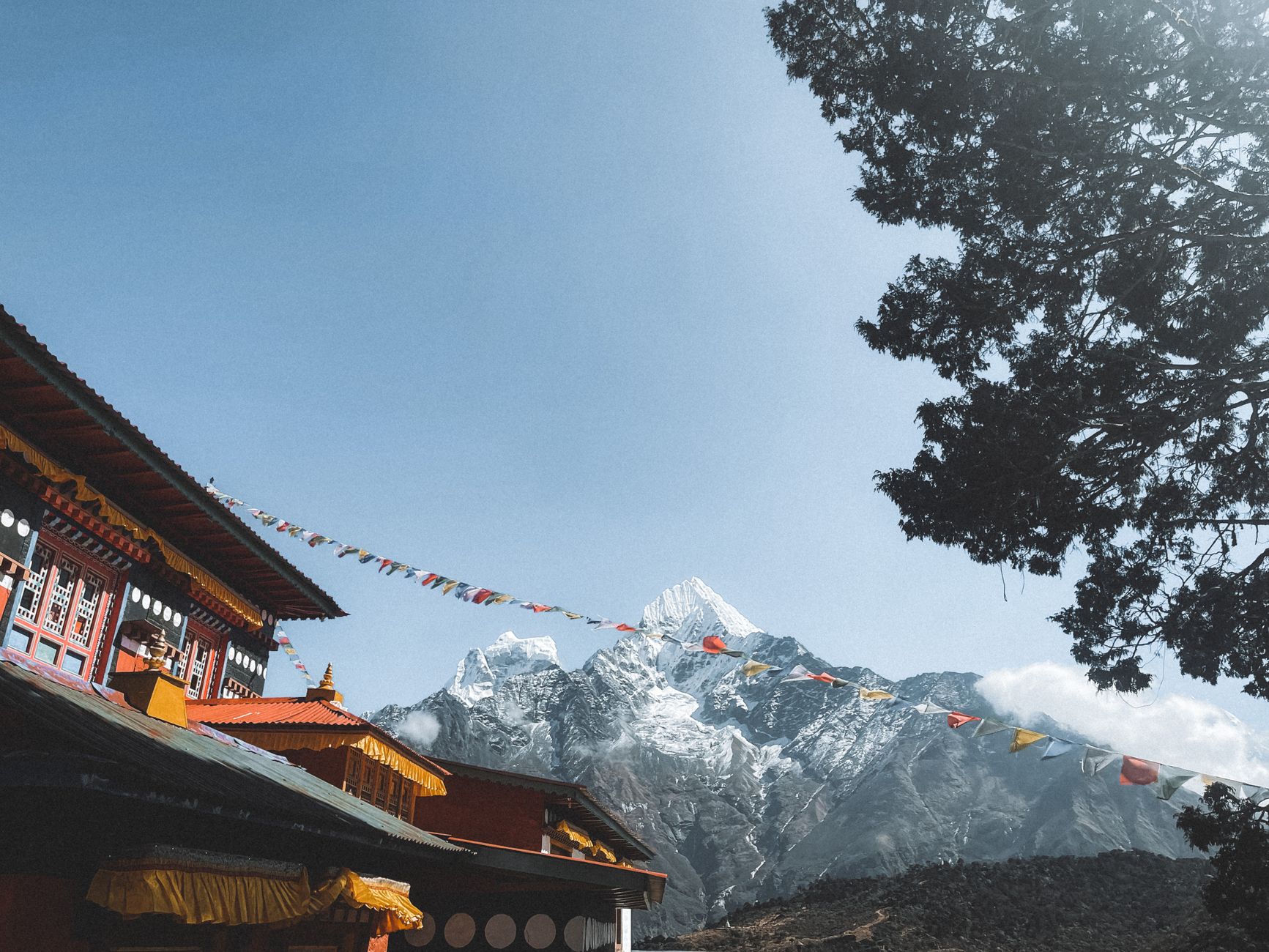

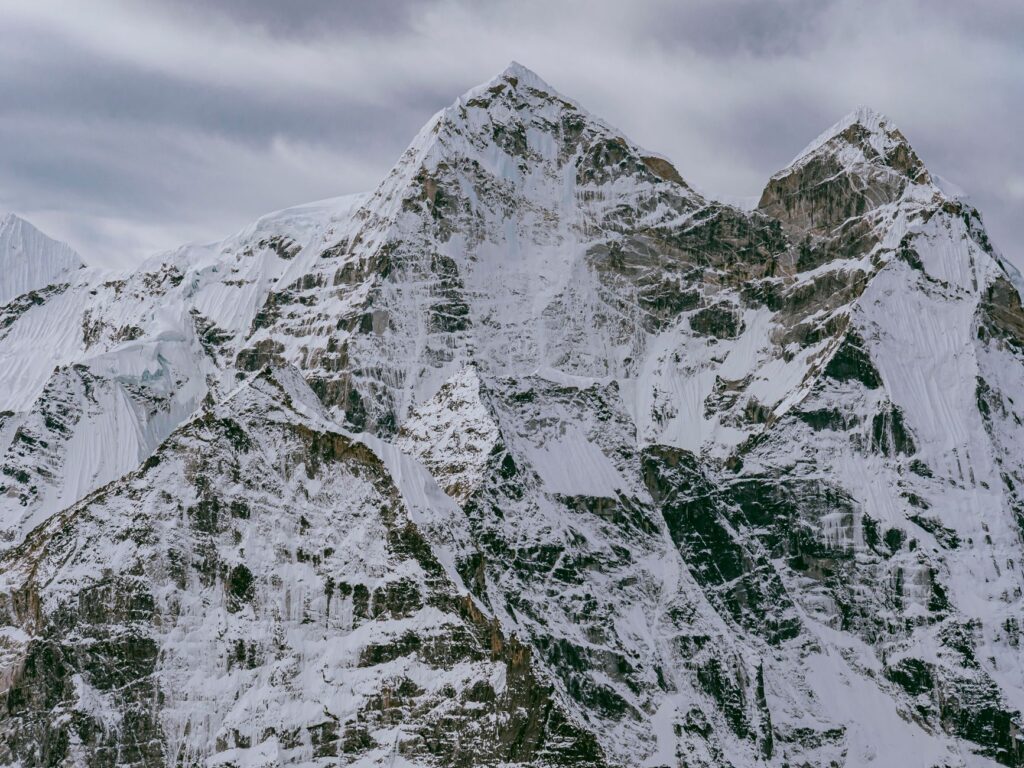
In the heart of the Nepalese Himalaya, Sagarmatha National Park stretches across 124,400 hectares in the Solu-Khumbu district. Established in 1976 and inscribed on the UNESCO World Heritage List in 1979, this territory protects the highest peak on the planet, Everest (8,848 meters), along with seven other peaks exceeding 7,000 meters. But its value lies not only in altitude: glaciers, deep valleys, and a Sherpa culture that has shaped the landscape for centuries coexist here.
The park is an example of how conservation can integrate local communities. More than 6,000 Sherpas live in its twenty villages, maintaining traditional practices that include restrictions on hunting and reverence for wildlife. This symbiosis between nature and culture is the key to its success, but also the front line of its greatest challenges.
A sanctuary of biodiversity at extreme altitude
Sagarmatha National Park is home to rare and emblematic species. Among the most notable are the snow leopard and the red panda, also known as the lesser panda. The presence of these animals indicates the health of mountain ecosystems, which range from temperate forests to perpetual snow.
Altitude defines every habitat. In the lower zones, rhododendron and birch forests cover the slopes. As you ascend, alpine meadows and dwarf shrubs appear, leading to glaciers and bare rock. This vertical gradation creates exceptional biological diversity, adapted to extreme conditions.
The integration of Sherpa culture into park management is not an ornament: it is a pillar of conservation.
The park is also a source of freshwater for downstream communities. Its glaciers feed the Dudh Kosi river system, whose waters sustain life in lower valleys. Protecting this hydrological cycle is essential not only for biodiversity but for human well-being in the region.
The ecological value of this vertical gradient is amplified by its role as a climate regulator. High-altitude ecosystems act as carbon sinks and water reservoirs, while their glaciers serve as indicators of global warming. In Sagarmatha, the retreat of ice masses is monitored as a signal of environmental change that affects both wildlife and human settlements. The park’s management plan includes provisions for monitoring flora, fauna, and the impacts of climate change on Sherpa communities, recognizing that conservation cannot be separated from the well-being of those who live there.
Sherpa culture as a conservation tool
The Sherpas, of Tibetan Buddhist tradition, have inhabited the region for centuries. Their agro-pastoral lifestyle and traditional trade have adapted to a hostile environment. Local religion and customs foster respect for all living beings, which has limited hunting and indiscriminate logging.
Natural resource management practices, passed down through generations, have been fundamental to maintaining ecological balance. For example, pasture rotation and controlled use of firewood have prevented soil degradation. These customs, recognized by UNESCO, demonstrate that conservation does not always require externally imposed measures.
However, modernity and tourism have transformed local life. The Sherpa economy now depends largely on mountaineering and trekking, which has raised living standards but also generated new pressures. The park faces the challenge of maintaining its values while responding to visitor demands.
The Sherpa presence is not merely historical; it is active and evolving. Their villages, including Namche Bazar, serve as hubs for park administration and community decision-making. The Park Advisory Committee, composed of local leaders, village elders, and head lamas, exemplifies how traditional authority structures are integrated into modern conservation governance. This collaboration has been instrumental in achieving cooperation and support for park policies, proving that local knowledge and spiritual values can complement scientific management.
The impact of tourism and park management
The number of visitors has grown from 3,600 in 1979 to more than 25,000 in 2010. This increase has boosted the local economy, improving health, education, and infrastructure. But it has also brought problems: the construction of illegal trails, resort development, and greater energy demand.
Garbage is one of the main challenges. The Sagarmatha Pollution Control Committee, an NGO based in Namche Bazar, works on waste management with support from park authorities. Despite these efforts, proper waste disposal remains a significant obstacle.
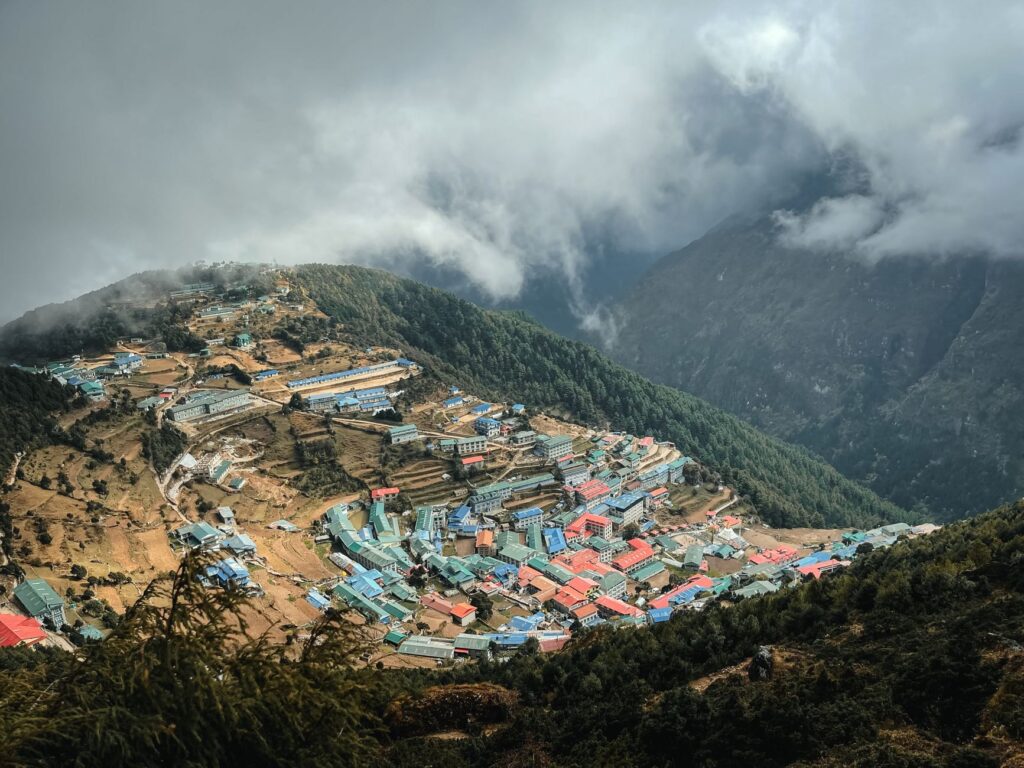
The demand for hotels and lodges has increased, and with it the risk of encroachment on sensitive habitats. The park’s management plan, approved by the Nepal government, seeks to minimize these impacts, but requires strict enforcement. The participation of local communities, through management committees, is crucial to balancing conservation and development.
Tourism management also involves assessing carrying capacity and regulating infrastructure. The park has faced proposals for large-scale development, including the extension of the Sanboche airport, which were halted through collaboration with local communities and stakeholders. These decisions reflect a growing awareness that unchecked growth could undermine the very values that attract visitors. Energy demand, driven by tourism facilities, has been partially addressed through micro-hydro projects, but the pressure on forests for firewood persists. The park’s management plan emphasizes sustainable use of natural resources and minimizing environmental pollution, yet it acknowledges that additional efforts are needed.
A conservation model with local participation
The buffer zone program, established in 2002, is one of the most notable initiatives. These areas, which surround the park, serve as a protective layer and allow communities to benefit from tourism-generated income. The government allocates 50% of park revenue to conservation and community development projects.
Buffer zone management committees, along with user committees, participate in decision-making. This structure has strengthened cooperation and support for conservation policies. Additionally, the Park Advisory Committee, which includes local leaders and elders, has been instrumental in achieving greater commitment.
The designation of neighboring protected areas, such as Makalu Barun National Park to the east and Gauri Shankar Conservation Area to the west, has expanded ecosystem protection. The connection with the Qomolongma Nature Reserve in Tibet adds an additional layer of security for migratory species.
The buffer zone model is not without complexities. It requires balancing revenue distribution with conservation priorities, and ensuring that community benefits are equitably shared. The Integrated Conservation and Development Programme (ICDP) supports local projects, but its success depends on transparent governance and active participation. User groups and committees serve as platforms for dialogue, allowing villagers to voice concerns and contribute to solutions. This participatory approach has been recognized as a milestone in the park’s management, demonstrating that conservation can be a shared responsibility rather than an external imposition.
Environmental challenges and climate change
Global warming threatens the park’s glaciers, which are a vital water source. Glacier retreat affects not only biodiversity but also communities that depend on rivers. The park monitors these impacts, but solutions require international cooperation.
The degradation of mountain forest due to firewood demand is another problem. Although some micro-hydro projects have reduced dependence on wood, pressure persists. Promoting alternative energy and environmental education are essential to mitigate this impact.
The reappearance of the snow leopard in the park is a positive sign. It indicates that the habitat is suitable for both predators and their prey. However, the fragility of the ecosystem demands constant vigilance and adaptive policies.
Climate change adds a layer of uncertainty to conservation planning. The park’s high-altitude ecosystems are particularly sensitive to temperature shifts, which can alter species distribution and water availability. The designation of Gokyo Lake as a RAMSAR site in 2007 underscores the importance of high-altitude wetlands, while the re-colonization of snow leopards suggests that habitat suitability can be maintained under certain conditions. Nevertheless, the park’s management plan prioritizes monitoring and adaptive strategies, recognizing that global warming impacts cannot be addressed in isolation. International cooperation and knowledge sharing are essential to build resilience.
World heritage and international cooperation
Inscription on the World Heritage List in 1979 recognized the park’s outstanding universal value. The criteria include its superlative natural beauty and geological importance. UNESCO highlights the combination of young mountains, glaciers, and deep valleys, as well as the presence of rare species.

The park is also part of the Sacred Himalayan Landscape, an initiative spanning from the Kanchanjonga Conservation Area to Langtang National Park. This approach integrates conservation and management with local community participation.
International cooperation is key to addressing transboundary challenges. The connection with Tibet and the designation of neighboring protected areas demonstrate that conservation knows no borders. Sharing knowledge and resources can strengthen ecosystem resilience.
The World Heritage framework provides a platform for global recognition and support, but it also entails obligations. The park’s integrity is reinforced by its boundaries, which encompass the upper catchment of the Dudh Kosi River system, and by the buffer zone that serves as a protective layer. The involvement of local communities in buffer zone management is an additional asset for sustainability. Furthermore, the Sacred Himalayan Landscape initiative, implemented by the government, focuses on both conservation and management with a strong emphasis on local involvement, ensuring that the park’s values are protected beyond its official boundaries.
Practical guide
To visit Sagarmatha National Park, you need an entry permit, which can be obtained in Kathmandu or at the park entrance in Monjo. Trekking is the main activity, with routes from Lukla to Everest Base Camp. The best time to visit is during spring (March to May) and autumn (September to November), when the weather is more stable.
Accommodation ranges from basic lodges to more comfortable hotels in Namche Bazar. Proper acclimatization is important to avoid altitude sickness. Bring warm clothing, suitable footwear, and enough water. Garbage should be carried back to keep the park clean.
Respecting local customs is essential. Sherpas value tranquility and respect for their culture and religion. Avoiding single-use plastics and following park rules contributes to its conservation.
For a responsible visit, consider the following:
- Obtain the necessary permits before entering the park.
- Choose trekking routes that match your fitness and experience level.
- Allow time for acclimatization; ascend gradually and stay hydrated.
- Carry out all waste, including plastic and non-biodegradable items.
- Support local lodges and businesses that follow sustainable practices.
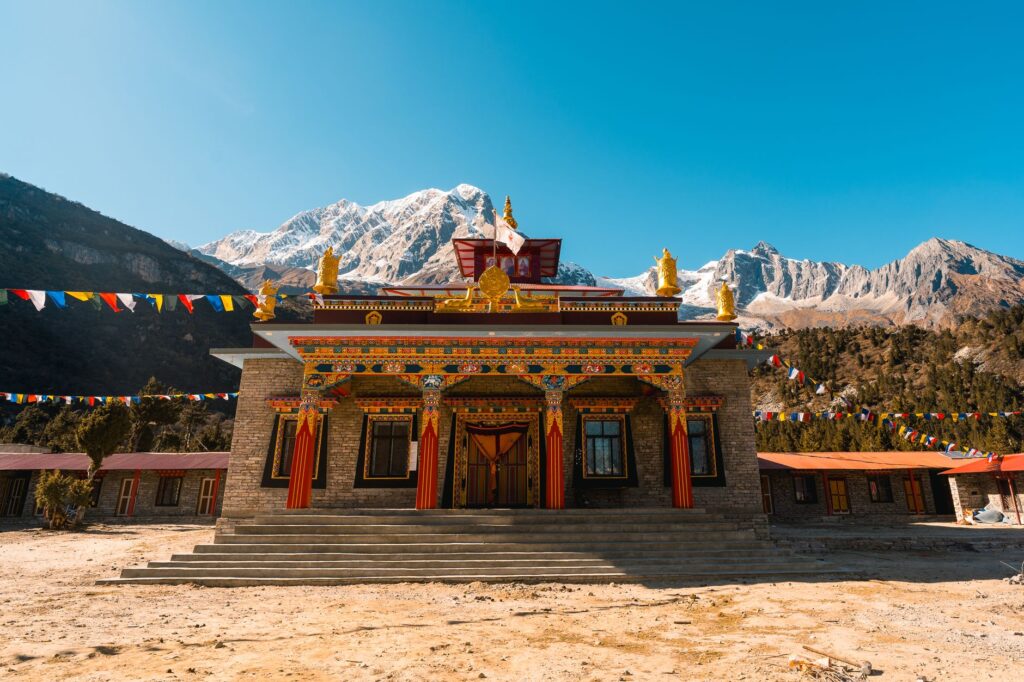
- Respect religious sites, monasteries, and local traditions.
- Stay informed about weather conditions and park regulations.
These measures help protect the fragile environment and ensure that tourism benefits both visitors and local communities.
A fragile but hopeful balance
Sagarmatha National Park is an example of how conservation can work when integrated with local communities. Sherpa culture, with its deep respect for nature, has been an invaluable ally. But the challenges of mass tourism and climate change require continuous attention.
The history of this park shows that environmental protection is not only a matter of science or politics but also of culture and participation. In a world where mountains face increasing pressures, Sagarmatha offers valuable lessons in resilience and cooperation.
In the end, the lasting image is that of a territory where the highest peaks on the planet are protected thanks to a pact between nature and those who inhabit it. A reminder that the most effective conservation is one that involves people.