
Some trains do more than carry passengers: they become the backbone of a territory. The railway linking Belgrade, in Serbia, to the Montenegrin port of Bar is one such case. For nearly half a century, since its official inauguration in 1976, this single-track electrified line has been far more than a connection: it is an engineering feat, a moving viewpoint over the most spectacular gorges of the Balkans, and a symbol of the former Yugoslavia that still operates today, albeit with less splendour than in its heyday.
The journey begins on the Pannonian plain of Belgrade and ends on the Adriatic shore, after conquering the rugged mountains of Serbia, Bosnia and Herzegovina, and Montenegro. In total, 476 kilometres covered in about eleven hours, a duration that reveals the true nature of this railway: it is not a high-speed train, but a mountain train that takes its time to negotiate every curve, every tunnel and every bridge.
A route that defies geography
The history of this line goes back to the 1950s and 1960s, when socialist Yugoslavia decided to build a modern rail connection between the country’s interior and the Adriatic coast. The goal was twofold: to give the central regions access to the sea and to stimulate the development of Montenegro, one of the poorest republics of the federation. Construction lasted more than two decades and required the mobilisation of thousands of workers, many of them young volunteers.
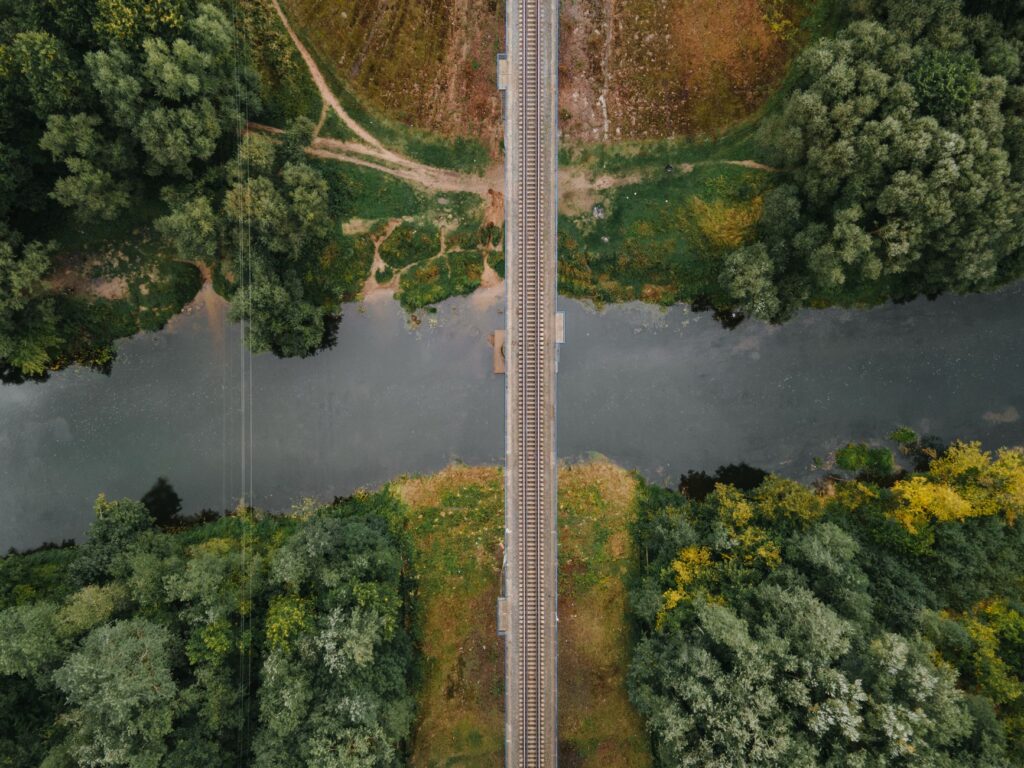
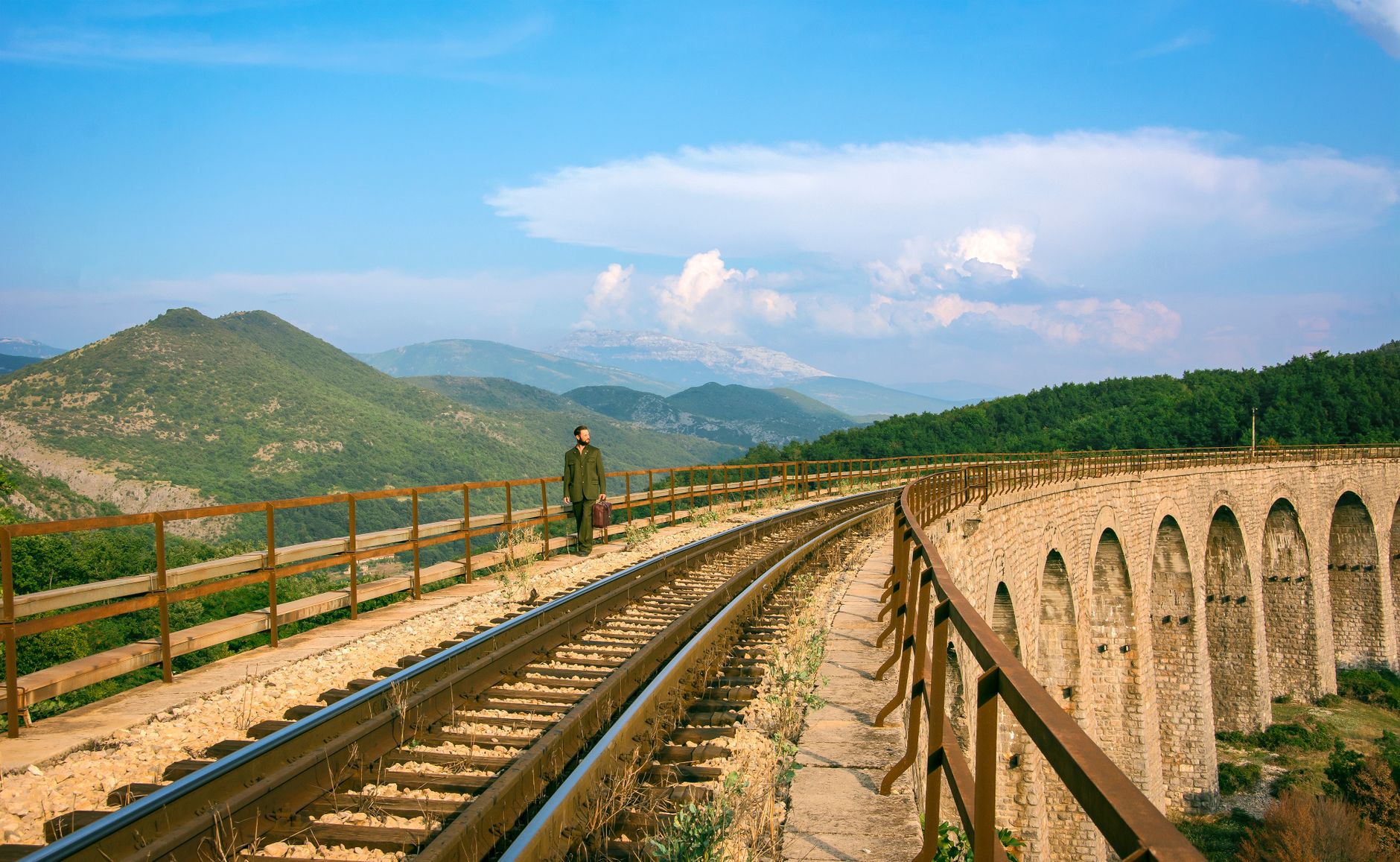
The result is a route that confronts an extremely complex relief. The line overcomes significant gradients with ramps that in some sections reach demanding slopes for railway traction. To achieve this, engineers resorted to an uninterrupted succession of tunnels and viaducts. According to the technical data of the infrastructure, the full route totals 254 tunnels and 435 bridges, a density that gives a precise idea of the scale of the work.
The Lim river gorge and the Morača canyon
One of the sections most remembered by travellers is the one running alongside the Lim river, on the border between Serbia and Montenegro. There, the track clings to the hillside while the water meanders at the bottom of the valley. The train moves slowly, and the sensation of being suspended over the abyss is inevitable. Further south, the railway enters the gorge of the Morača river, a canyon with vertical walls that accompanies the traveller for kilometres.
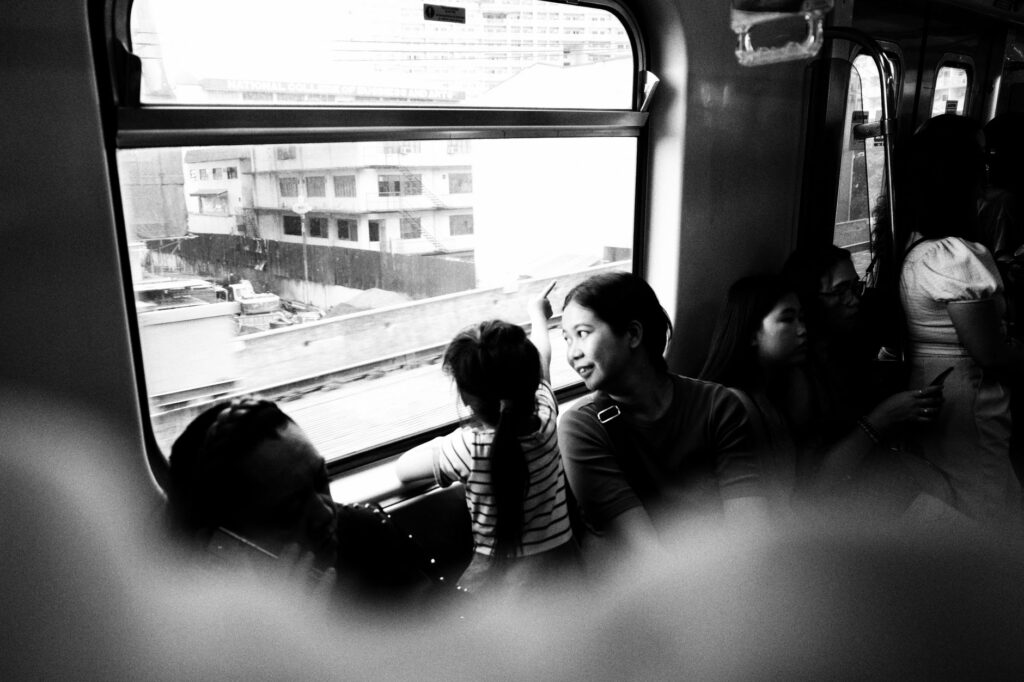
This is not a journey for watching the clock, but for watching the window. Every curve offers a different landscape, and every tunnel returns the traveller to the gloom before opening again to the light of the mountain.
The route also crosses Lake Skadar, the largest in the Balkans, shared between Montenegro and Albania. The train skirts its shores in the final stretch, when the landscape softens and the air begins to smell of the sea. That is when the traveller realises they are about to arrive in Bar, the port that gives the route its name.
Mountain engineering: tunnels, bridges and pioneering electrification
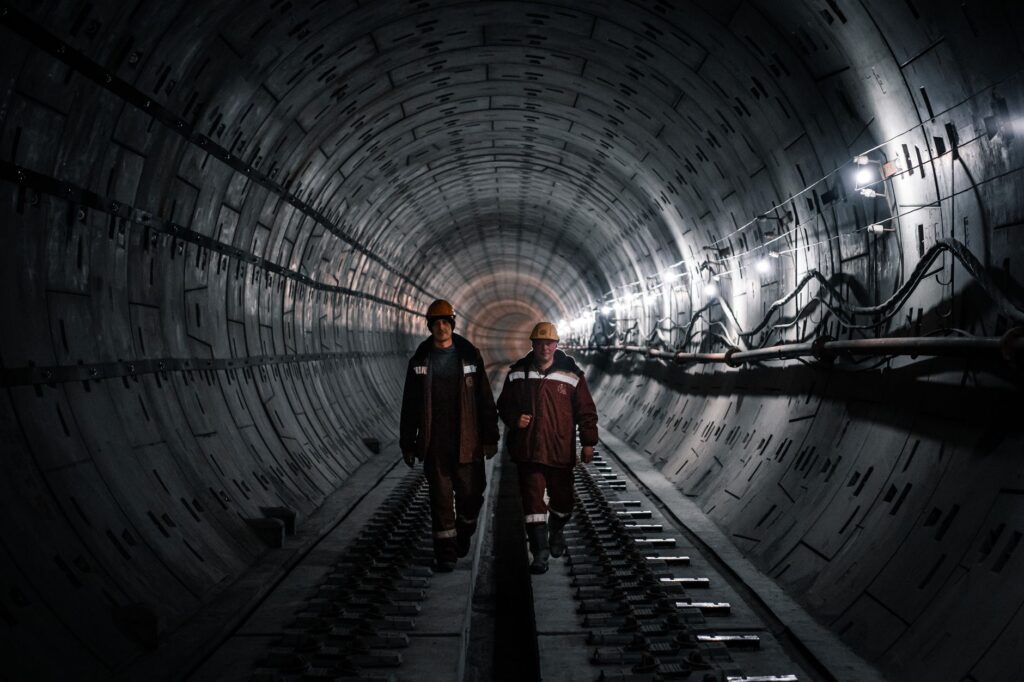
From a technical standpoint, the Belgrade-Bar line is a catalogue of engineering solutions adapted to hostile terrain. The longest tunnel, known as Sozina, is close to six kilometres long and was for years one of the most extensive in Europe. Its drilling required methods that are still studied in civil engineering schools.
The bridges also deserve attention. The viaduct over the Tara river, in Montenegro, is one of the most photographed structures on the route. Its height above the riverbed and the slenderness of its pillars make it a visual landmark. The electrification of the line was completed in the 1970s, allowing steam locomotives to be replaced by more powerful electric machines suited to the ramps.
The infrastructure has required constant maintenance. Rockfalls, river floods and snow in the mountain sections are common risks. To these were added, in the 1990s, the damage derived from the conflicts that broke up Yugoslavia. The line suffered interruptions and the subsequent reconstruction was slow and costly.
A journey with stops steeped in history
The current route allows passengers to board in Belgrade and get off in towns such as Valjevo, Užice, Prijepolje, Bijelo Polje, Kolašin, Podgorica and, finally, Bar. Each of these stations has its own character. Valjevo, in western Serbia, is a town with a commercial and agricultural tradition. Užice, nestled in a valley, recalls its industrial past. Prijepolje, already near the border, is a crossroads between Serbia, Montenegro and Bosnia.
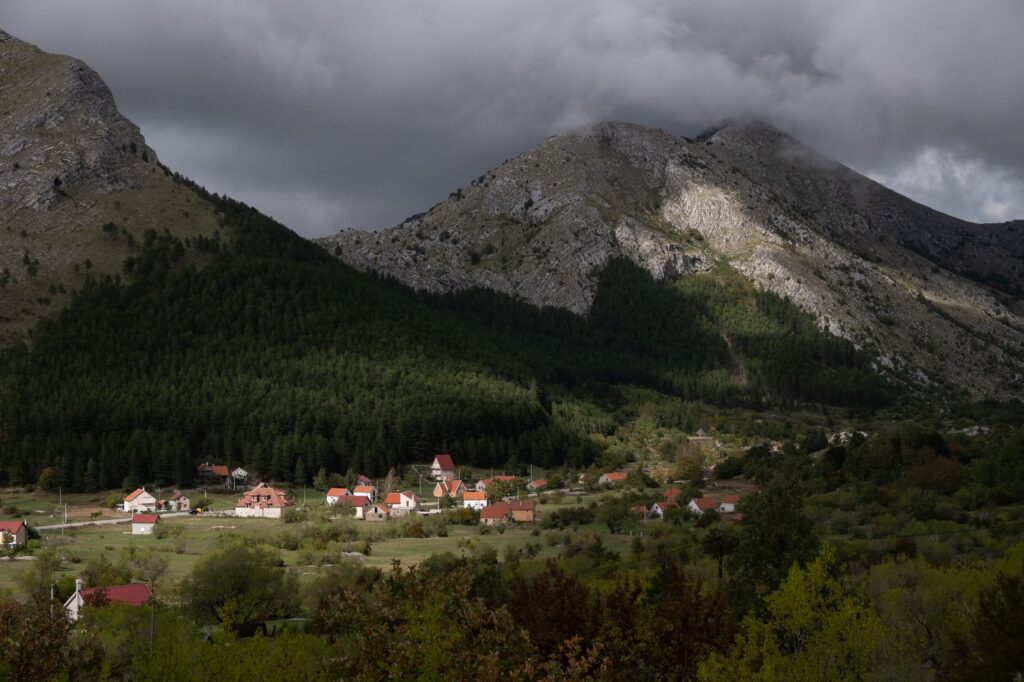
In Montenegro, Bijelo Polje and Kolašin are gateways to a landscape of snowy mountains and coniferous forests. Podgorica, the Montenegrin capital, is a city of contrasts, with modern neighbourhoods and an old town of narrow streets. And Bar, the end of the line, is an active port with a seafront promenade that invites rest after the journey.
The Belgrade-Bar line is not just a means of transport: it is a living archive of Balkan history, a testimony to what was built with effort and what was lost in war.
The present: between nostalgia and necessity
Today, the Belgrade-Bar railway remains operational, but its situation is far from its best years. Commercial speed is low, delays are frequent and some infrastructure shows the passage of time. The trains covering the route combine old carriages with more modern ones, and the on-board experience is uneven.
However, the journey retains an appeal that is hard to match. For travellers seeking landscapes, it is a slow but memorable alternative to buses and planes. For the inhabitants of the intermediate towns, it remains an essential means of transport, especially in winter, when mountain roads become dangerous.
The railway authorities of Serbia and Montenegro have announced improvement plans, but progress is gradual. Electrification and signalling require significant investment, and cooperation between the two countries is essential to keep the line in adequate condition.
Practical guide
For those wishing to travel the Belgrade-Bar line, advance planning is advisable. Trains usually have a limited daily frequency, and in high season tickets sell out. It is recommended to check updated schedules on the official websites of the Serbian and Montenegrin railways, as they may vary depending on the time of year.

- Duration: the full journey takes around eleven hours, although delays can extend it.
- Class: there are first- and second-class carriages; first class offers wider seats and lower occupancy.
- Luggage: hand luggage is allowed at no extra cost; large items must be checked.
- Food: some trains have a cafeteria service, but it is advisable to bring water and food.
- Best season: spring and autumn offer pleasant temperatures and colourful landscapes; winter can be harsh in the mountain sections.
- Reservations: in summer, especially in July and August, it is best to book several days in advance.
For photography enthusiasts, the best sections are those running alongside the Lim and the Morača, as well as the passage by Lake Skadar. Morning and sunset light enhances the colours of the gorges.
A train that still tells the Balkans
The Belgrade-Bar line is much more than infrastructure. It is a testimony to an era that believed in progress through engineering, and also a reminder of the wounds history left on the region. Boarding this train means accepting a slow pace, renouncing haste and letting oneself be carried by a landscape that changes with every kilometre.
At the end of the journey, when the train stops in Bar and the salty Adriatic air fills the lungs, the feeling remains of having crossed more than a territory: a part of the memory of the Balkans has been travelled, with its lights and shadows, its bridges and tunnels, its empty stations and its unforgettable landscapes.