
At the southern tip of Chile, an archipelago of green hills and leaden skies guards an architectural treasure that defies time. The wooden churches of Chiloé, built by local carpenters without blueprints or nails, stand like rural cathedrals amid landscapes of pastures and humid forests. Declared a UNESCO World Heritage Site in 2000, these structures are not just monuments: they are the heart of communities struggling to keep their traditions alive while the modern world pushes them toward an uncertain future.
This report travels across the Isla Grande de Chiloé, from the bustling capital Castro to the most remote corners of Quinchao and Dalcahue, to discover how faith, wood, and the sea have shaped a unique identity in Latin America.
An archipelago shaped by tide and rain
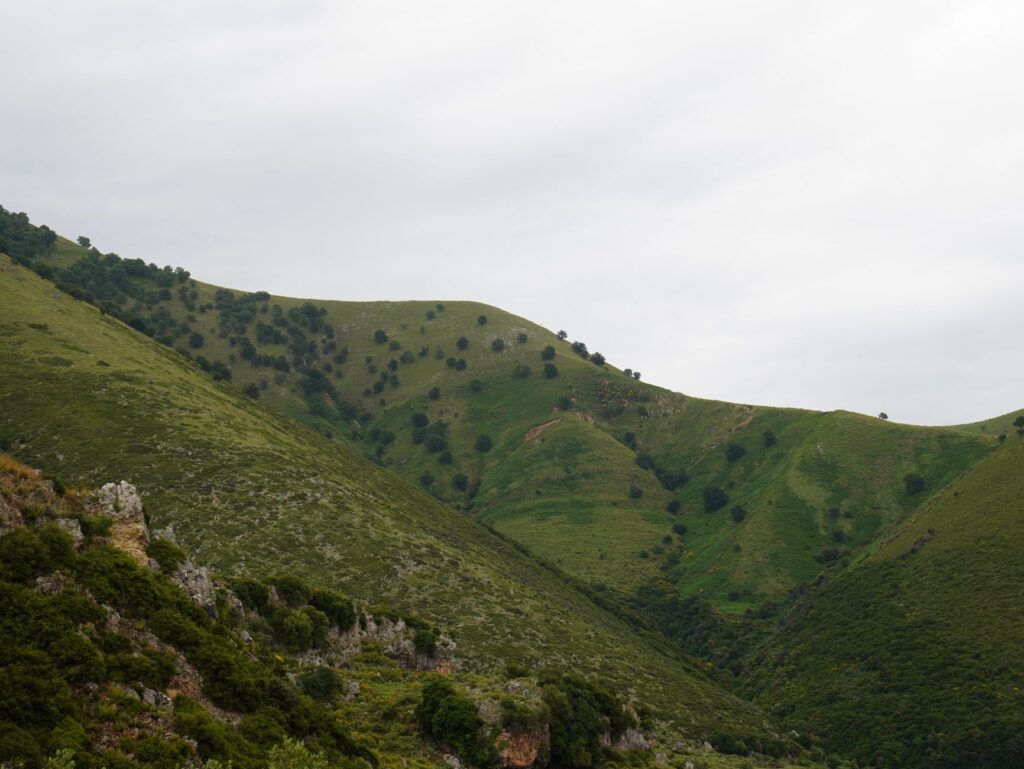
Chiloé is no ordinary destination. Located 1,200 kilometers south of Santiago, this cluster of islands is separated from the mainland by the Chacao Channel, a turbulent waterway that for centuries isolated its inhabitants from the rest of Chile. The geography is unforgiving: hills covered in lush vegetation, coastlines carved by fjords, and an oceanic climate that dumps more than 2,000 millimeters of rain annually.
That isolation forged a singular culture. The Chilotes developed navigation techniques in small boats, cultivated native potatoes, and built their homes with wood from alerce and cypress forests. But it was the arrival of Jesuit missionaries in the 17th century that transformed the spiritual and architectural landscape of the archipelago.
The Jesuits traveled the islands evangelizing the indigenous population and promoting the construction of temples. However, the lack of European architects and materials forced local carpenters to improvise. Thus were born the Chilote churches: native wood structures with needle-like towers, porticos, and spacious naves, combining Baroque elements with indigenous techniques.
«The churches of Chiloé are a unique example of how an entire community appropriated a foreign architectural language and reinvented it with their own hands,» explains a local historian.
Architecture without nails: the miracle of wood
The construction of these churches is a prodigy of empirical engineering. Chilote carpenters used wood joinery, mortise and tenon joints, and wedge reinforcements, avoiding metal nails whenever possible, as they were scarce and expensive. Alerce wood, resistant to moisture and insects, was preferred, although Guaitecas cypress and oak were also used.
Each church has its own personality. Nercón, near Castro, impresses with its yellow facade and 25-meter tower. San Juan, on the Rilán peninsula, stands out for its three-nave interior and gilded altarpiece. Quinchao, on the island of the same name, is the largest in the archipelago and preserves a historic organ.
But beyond their aesthetic value, these churches are community centers. Masses, patron saint festivals, and wakes are held in them. Neighbors organize to maintain, repair, and open their doors to visitors. The survival of this heritage depends directly on the commitment of the communities, which often lack sufficient resources.
Life in the palafitos: color and resistance
In Castro, the provincial capital, a neighborhood of colorful houses suspended on stilts has become the visual symbol of Chiloé. The palafitos, originally built by fishermen to protect themselves from tides and take advantage of proximity to the water, are today a tourist attraction and an example of adaptation to the environment.
However, life in them is not easy. Humidity, saltpeter, and inclement weather deteriorate the structures, and many residents face difficulties maintaining their homes. Some have chosen to transform them into hostels and restaurants, while others resist the advance of modernity.
A walk through the Gamboa neighborhood reveals daily life: fishing nets drying in the sun, elders repairing boats, children playing among the pilings. It is a landscape that mixes precariousness with beauty, and raises questions about the balance between conservation and development.
The soul of Chiloé: myths, potatoes, and solidarity
Chilote culture is steeped in mythology. The Trauco, the Caleuche, the Pincoya, and the Invunche are characters that populate local legends and are still invoked in everyday conversations. These myths, of indigenous and European origin, reflect the islanders’ relationship with the sea, the forests, and the supernatural.
Gastronomy is another pillar of identity. Curanto, a stew of seafood, meats, and potatoes prepared in a hole with hot stones, is the emblematic dish. Native potatoes, cultivated for generations, are preserved in varieties unique in the world. Milcao, a dough of grated and cooked potato, and chapalele, made with potato and flour, accompany stews and roasts.

Community life is organized around the minga, a tradition of collective work in which neighbors help each other to move a house, repair a roof, or clean a beach. That solidarity has been key to surviving in a hostile environment and keeping heritage alive.
«Here no one saves themselves alone. If a neighbor’s roof falls, we all go help. That’s how we’ve learned to live,» says an artisan from Dalcahue.
Current challenges: abandonment, tourism, and climate change
Despite international recognition, the churches of Chiloé face concrete threats. Lack of maintenance funds, emigration of young people to cities, and the effects of climate change—more intense rains, stronger winds—endanger these centuries-old structures.
Tourism, which has grown in recent decades, represents an economic opportunity but also a challenge. The influx of visitors can damage buildings if not properly managed, and real estate pressure in coastal areas threatens to displace local communities.
Some initiatives seek to reverse this situation. The Chiloé Churches Foundation, created in 2003, works on the restoration and conservation of the temples, involving local carpenters and promoting the training of new artisans. Projects for community-based rural tourism that directly benefit Chilote families are also being promoted.

The future is uncertain, but the resilience of the Chilotes is proverbial. As a fisherman from Quellón says: «As long as we have wood, hands, and faith, we will keep building and rebuilding.»
Practical guide
Getting there: Daily flights from Santiago to Puerto Montt (2 hours). From there, buses or vehicles to Pargua, where you take the ferry across the Chacao Channel to Chiloé (30 minutes). There are also direct flights to Castro from Santiago (2 hours).
When to travel: High season is December to February, with mild temperatures (15-20 °C) and more daylight. The rest of the year is rainier and colder, but less crowded.
What to see: The churches of Nercón, San Juan, Quinchao, Dalcahue, and Castro. The palafitos of Gamboa. The Dalcahue market. Chiloé National Park. The penguin colonies of Puñihuil.
Where to stay: There are hostels, cabins, and boutique hotels in Castro, Dalcahue, and Ancud. For a more authentic experience, consider agrotourism in rural areas.

What to eat: Curanto, milcao, chapalele, seafood empanadas, roast lamb, and native potatoes. Don’t miss licor de oro, a local drink.
Tips: Bring waterproof clothing and appropriate footwear for uneven terrain. Respect mass schedules and community activities. Buy crafts directly from local producers.
A closing between fog and hope
At dusk, when fog descends on the hills and the bells of Nercón church call to prayer, Chiloé reveals its true essence. It is not just an open-air museum or another tourist destination. It is a living territory, where memory is passed from generation to generation and where the community continues to weave its future with the same patience and mastery with which their ancestors assembled wood.
In a world that tends to homogenize, Chiloé resists with its unique identity. The wooden churches, the palafitos, and the myths are not relics of the past, but tools to build the future. And that is, perhaps, the most valuable lesson this archipelago has to offer.