
There is a contemporary urgency that pushes us to traverse the world as if it were a vast inventory of prints ready to be consumed. We often approach territories with the haste of a collector, seeking in each displacement the confirmation of a prior expectation or the validation of a pre-plotted route. However, at Atlas Lume we maintain that true travel begins precisely where the imperative of haste ceases and the territory of listening opens up. Travel, in its noblest sense, is not an act of conquest or accumulation, but an exercise in restitution.
Geography as an Interlocutor, Not a Backdrop
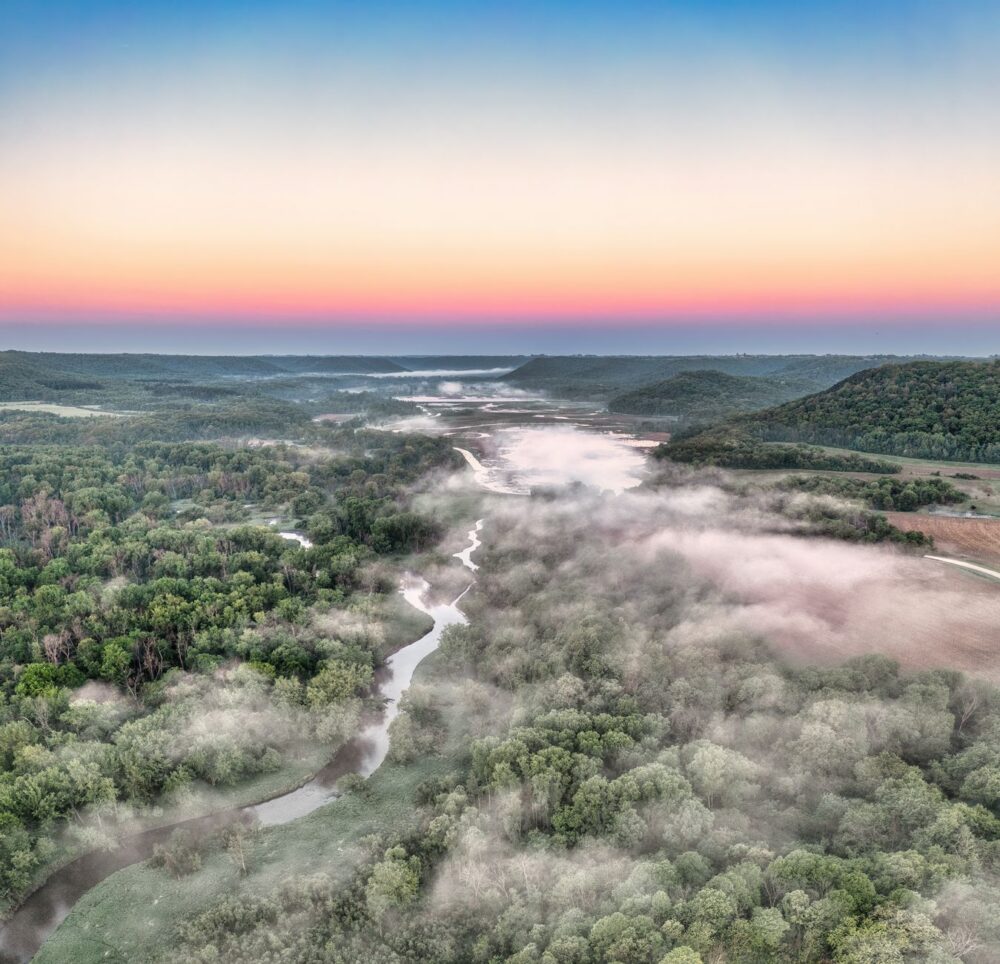
When we stand before an unknown landscape—whether the vastness of a desert plain, the millennial layout of an agricultural valley, or the silent complexity of an ancient forest—we tend to reduce it to the condition of a mere photographic background. We forget that every corner of the planet possesses its own voice, a grammar of stone, water, and wind that has matured far beyond our itineraries. Restoring value to the territory means abandoning the habit of looking at it as a passive stage and beginning to consider it a legitimate interlocutor. This requires a specific form of humility: the willingness to accept that not everything we see belongs to us, nor is everything we tread upon there to be interpreted exclusively from our own convenience.
This attitude radically transforms our relationship with mobility. It is no longer a matter of how many kilometers we manage to rack up in a week, but of the depth with which we manage to inhabit the exact moment of our arrival. Contemporary mobility, obsessed with speed and efficiency, has stripped displacement of its contemplative dimension. Recovering the pause is not a nostalgic whim, but an ethical necessity to prevent the world from turning into a flat, homogeneous surface.
Hospitality and the Delicate Art of Being Received
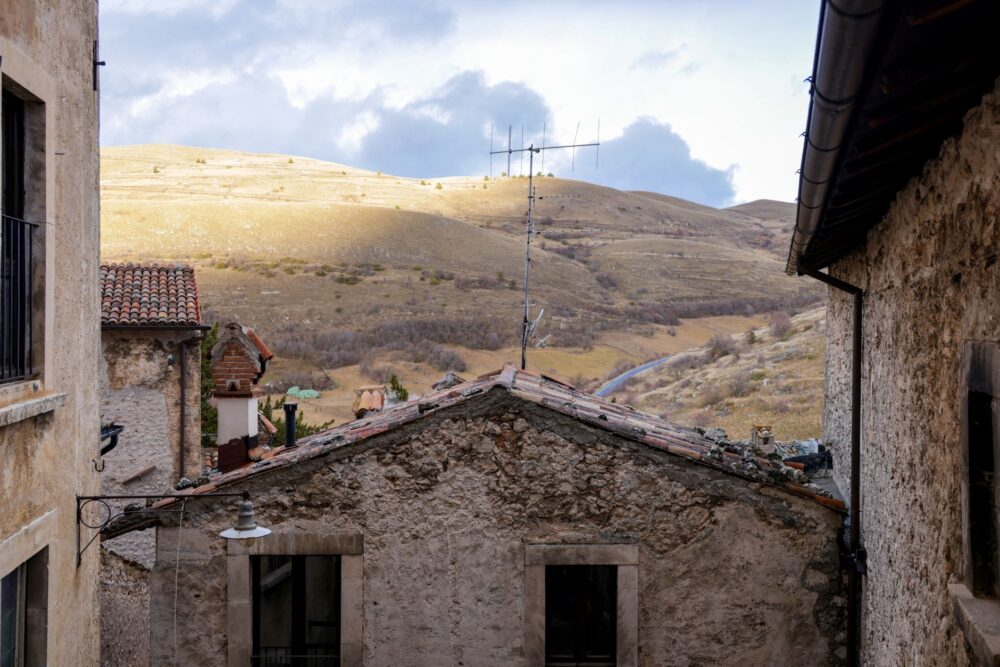
No journey takes place in a vacuum; we are always, to some extent, guests in someone else’s home. Hospitality is perhaps one of the oldest and most fragile bridges of civilization. Being received in a territory implies accepting the invisible rules that sustain it, respecting the rhythms of those who inhabit it, and understanding that our presence alters, however subtly, the local balance. The conscious traveler does not demand that the world adapt to their urgencies; instead, they learn to modulate their presence to integrate respectfully into the everyday fabric of the place they visit.
This care manifests in multiple ways, from the manner in which we approach local traditions to the way we share the table. Gastronomy, for instance, is not merely a repertoire of exotic flavors meant to satisfy the tourist’s appetite, but the condensation of a people’s collective memory. Sitting at a shared table is an act of cultural communion that demands gratitude and attention. Within every dish lies the history of a climate, the patience of cultivation, and the effort of entire generations who have managed to draw sustenance from the earth without exhausting it.
Nature as Archive and Refuge
Contact with nature inevitably returns us to our true scale. Faced with the immensity of natural cycles, our ambitions and urgencies acquire their fair and modest proportion. Yet today we contemplate nature with a dangerous distance, as if it were an inexhaustible resource or a theme park designed for our leisure. Returning to look at the natural environment with wonder is an imperative of spiritual survival.
Mountains, rivers, and coastlines are living archives that guard the geological memory of the planet. When we walk through them with respect, we become temporary custodians of that memory. The modern traveler’s responsibility lies precisely in understanding that their footsteps should not leave indelible scars, but a clean, almost imperceptible footprint that testifies to their passage without disrupting the course of wildlife.
Memory as the Compass of the Future
Ultimately, traveling is an exercise in prospective memory. What we keep inside after a displacement is not merely isolated images, but the resonance of shared experiences, the texture of slow days, and the realization that the world is infinitely richer and more complex than our maps manage to encompass. Culture and territory intertwine to offer us a mirror in which to examine our own human condition.
We invite those who accompany us on this editorial journey to rethink every step, to linger over details, and to cultivate a gaze that does not consume, but welcomes. The most transformative journey is not the one that takes us farthest, but the one that teaches us to look with greater depth at what is right before us.