
There is a contemporary urgency that pushes us to measure the value of travel by the amount of space conquered in the shortest possible time. We live under the inertia of accelerated mobility that confuses displacement with knowledge, as if the accumulation of crossed borders guaranteed a deeper understanding of reality. However, when we halt our march and observe the world with true attention, we discover that the real distance between cultures is not measured in kilometers, but in the intimate disposition of our gaze. Traveling, in its most noble sense, is an exercise in measure and silence.
The geography of wonder versus haste
The territory we visit is not a passive backdrop arranged for our dazzlement, but a living organism laden with its own times, accumulated memories, and silences that demand patient listening. When we arrive in a new place with haste as our only compass, we reduce the complexity of the landscape to a fleeting postcard. The true experience of travel begins precisely at the moment when we renounce the urgency of consuming our surroundings and accept slowness as a method of knowledge. It is then that the landscape ceases to be an object of consumption and becomes an interlocutor.
The territory as an archive of collective memory
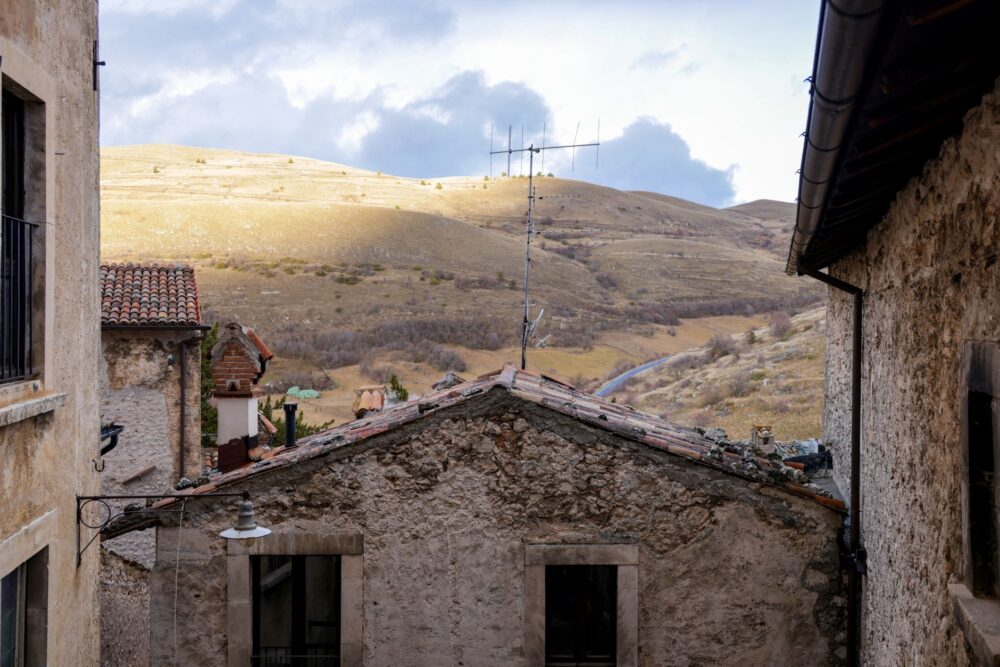
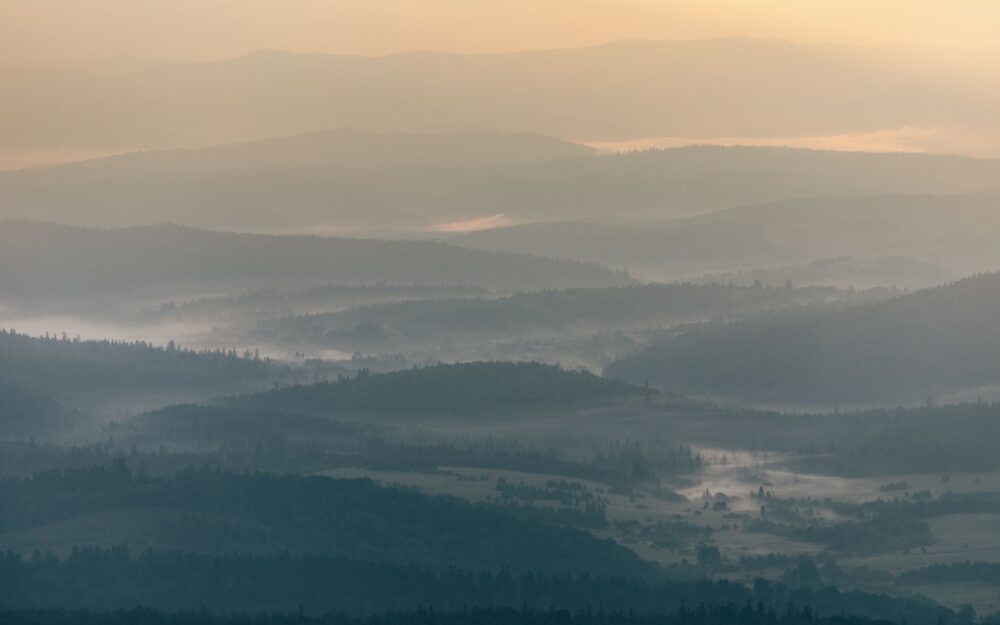
Every valley, every stone path, and every weather-worn facade holds the memory of generations that have woven an invisible pact with their environment. The territories we tread are inhabited by histories that long precede our brief presence. Approaching them demands deep intellectual humility. We are discoverers of nothing; we are merely temporary spectators crossing foreign thresholds. Recognizing this natural hierarchy allows us to traverse spaces with reverent respect, understanding that our footprint should be as light as the shadow of a cloud upon the grass.
Hospitality as an ethic of reception
At the heart of any authentic journey lies the mystery of hospitality, that millenary act through which a stranger opens the doors of their home, their table, or their culture to us. Being received is not a right acquired by having purchased a ticket, but a gift that deserves to be reciprocated with gratitude and decency. Hospitality reminds us that humanity recognizes itself in the face of the other. Upon being welcomed, we experience the vulnerability of one who depends on the generosity of others, a fundamental lesson to counteract the arrogance of the modern traveler.
The responsibility of looking without appropriating
Looking at the world is also a way of exercising power, and every gaze carries an ethical responsibility. Often, mass tourism reduces local cultures to stereotyped commodities, stripping them of their dignity and complexity. In response, we cultivate a gaze that does not seek to appropriate what it sees, but to celebrate it in its legitimate alterity. The conscious traveler understands that there are aspects of a culture that do not belong to them, that there are secrets that should not be revealed, and that the right of peoples to privacy is as valid as our right to explore them.
The return: silent transformation
Every truly transformative journey culminates in the return, a moment often underestimated but which contains the very essence of the experience. We return home with changed luggage, not so much because of the objects acquired, but because of the subtle alteration of our sensibility. The world no longer seems a flat and predictable place, but a vast, fragile, and fascinating fabric that deserves to be cared for. In the end, the best journeys are not those that take us furthest on the map, but those that teach us to inhabit with greater lucidity and compassion the only territory that truly belongs to us: our own conscience.