
The Official Enshrinement of a Sacred Territory
The geography of northern Veracruz harbors secrets that defy oblivion and resist the wear of modernity. Recently, the Ruta Tajín was officially distinguished as the Best Tourist Route in Veracruz, an accolade validating decades of community effort, heritage conservation, and the promotion of one of Mesoamerica’s most fascinating regions. This designation did not emerge from a vacuum; it responds to a rigorous evaluation of local infrastructure, the capacity to preserve cultural authenticity, and the positive impact generated within nearby towns.
Venturing into this corridor means understanding that well-managed tourism can serve as a tool for dignity. Far from mass-market enclaves, the route proposes a horizontal dialogue between travelers and their surroundings, where every kilometer traveled reveals overlapping layers of Totonac history, racial mixing, and tropical biodiversity. The award granted by specialized tourism and culture agencies highlights precisely this equilibrium: the ability to showcase a thousand-year-old treasure to the world without compromising ecological integrity or the daily lives of its residents.
Geography of Tropical Greenery and Mist
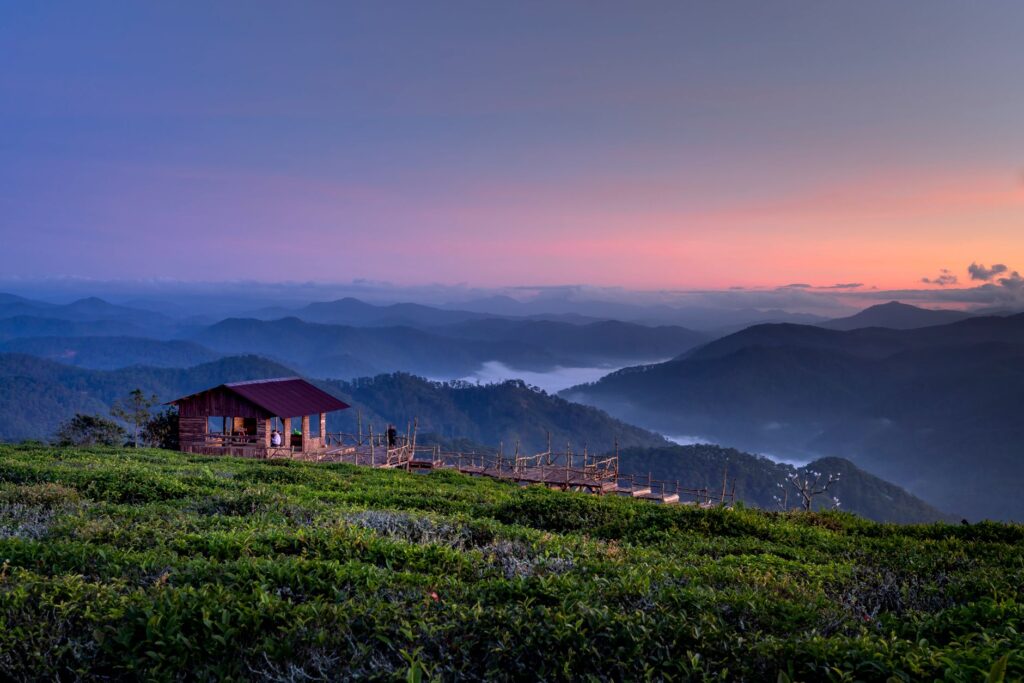
The territory encompassed by the Ruta Tajín stretches from the foothills of the Sierra Madre Oriental to the coastal plain of the Gulf of Mexico, creating a climatic and scenic mosaic of remarkable richness. Here, tropical humidity blends with trade winds descending from the mountains, generating mornings wrapped in dense fog and afternoons with open skies that illuminate mid-elevation jungles and shade-grown coffee plantations.
The region’s river basins, notably the Cazones and Tecolutla rivers, have carved out fertile valleys over millennia where traditional agriculture coexists with patches of primary vegetation. Walking along these paths implies listening to the steady murmur of endemic fauna, the rustle of wild banana leaves, and the penetrating scent of wild vanilla, an indigenous crop finding its most favorable habitat in this soil.
The Monumental Architecture of the City of Thunder
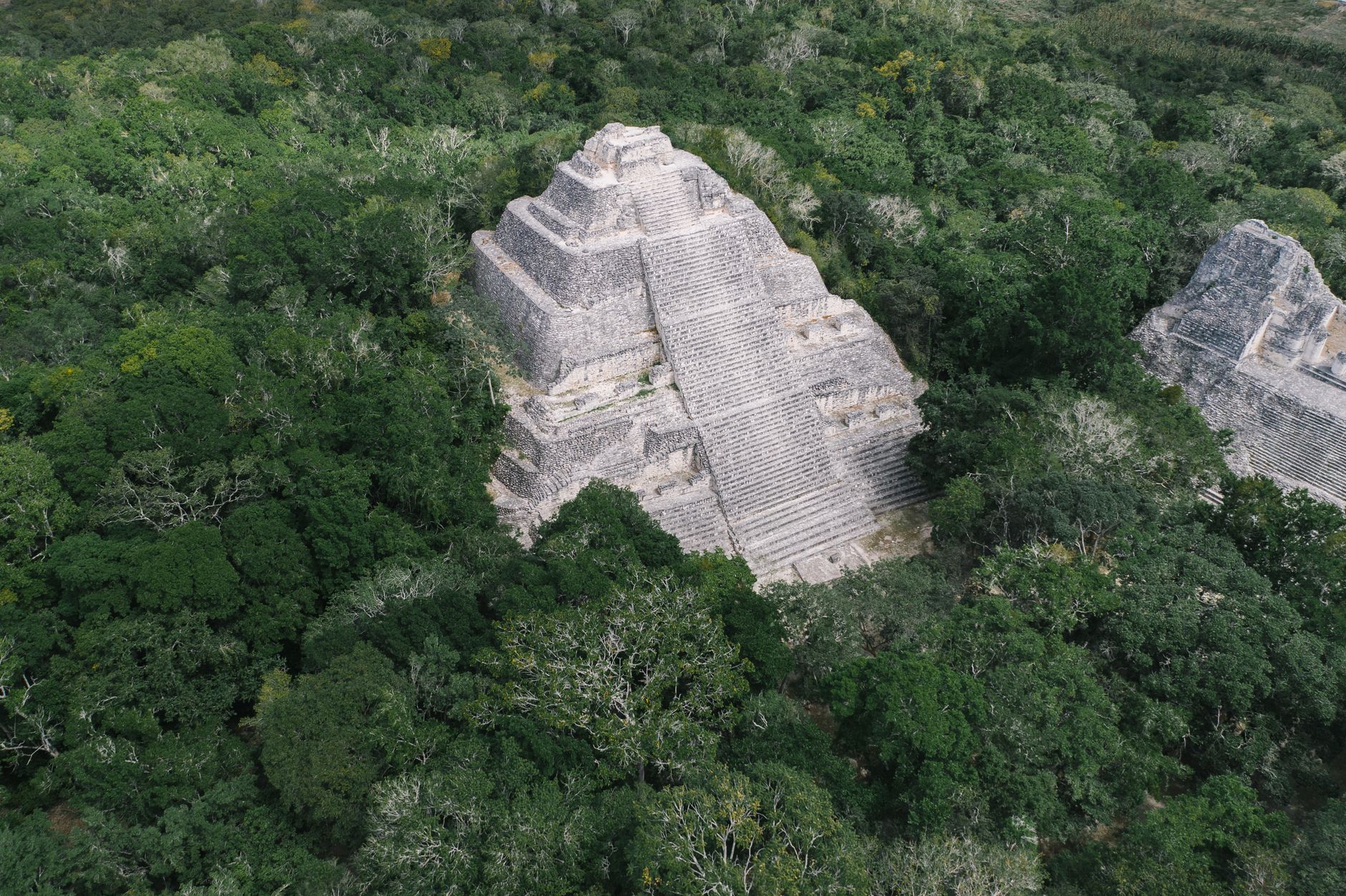
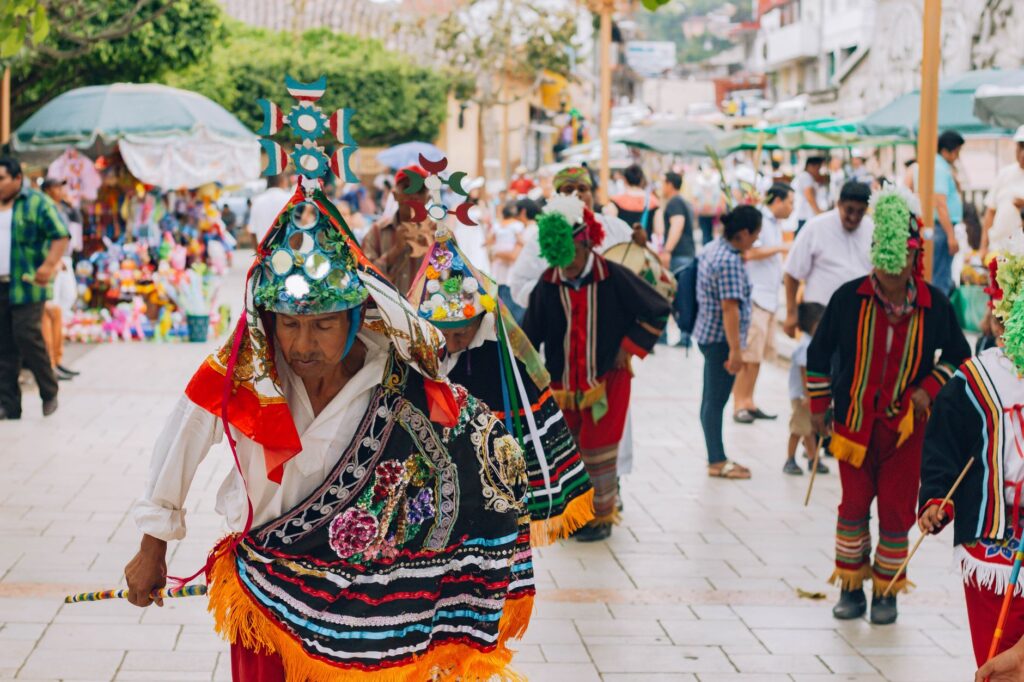
The undisputed heart of this journey is the El Tajín archaeological zone, whose urban planning and architectural design reflect a cosmological sophistication unique in the Mesoamerican world. Unlike other contemporary metropolises, Tajín stands out for the recurrent use of niches in its facades, totaling exactly 365 cavities in its most famous structure, the Pyramid of the Niches, traditionally interpreted as a stone solar calendar.
The geometric precision of these ceremonial buildings reveals the profound astronomical knowledge of the Totonac civilization, whose builders oriented plazas, ball courts, and temples in perfect harmony with solstices and equinoxes. The sloping moldings, friezes carved with reliefs of rulers and pulke deities, and extensive subterranean drainage systems demonstrate a technical mastery that continues to astonish contemporary architects and engineers.
The Human Pulse: Guardians of Tradition
No visit to the Ruta Tajín is complete without engaging with its living communities, whose cultural roots constitute the true engine of this tourist recognition. Contemporary Totonacs are not mere spectators of their archaeological past; they maintain vibrant systems of community organization, native languages, and agricultural practices that defied colonization.
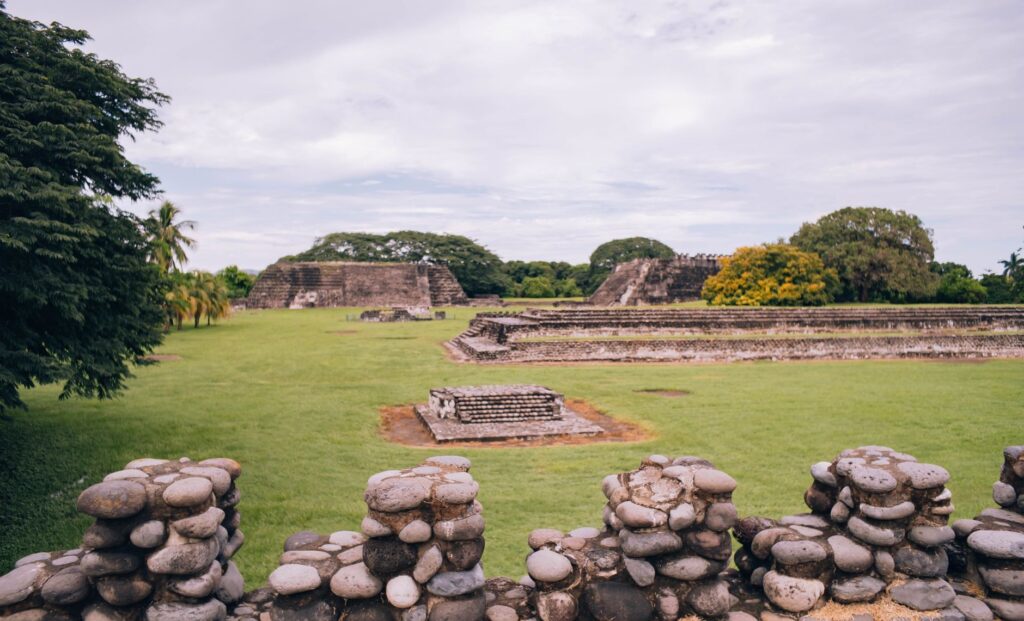
Heritage does not reside solely in the ancient stones emerging from the jungle, but in the voices of those who continue to name the world in the Totonac language and cultivate the earth with absolute respect for natural cycles.
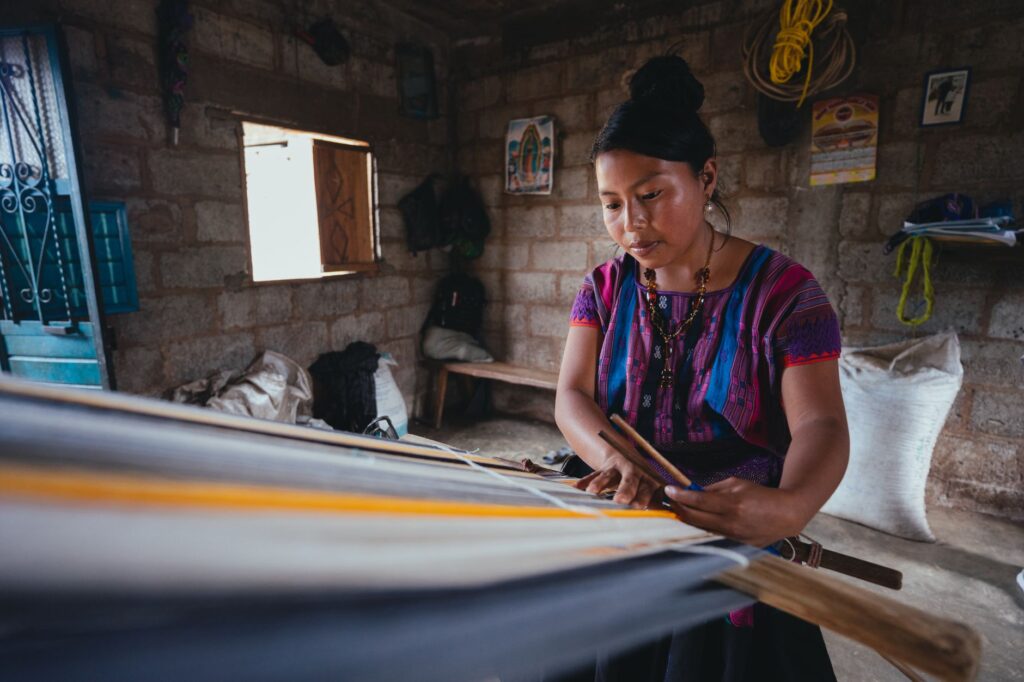
In towns near the archaeological zone, artisanal workshops and family gardens function as spaces for intergenerational transmission. There, women weave textiles on backstrap looms featuring sacred iconography, while men preserve melipona beekeeping techniques and sustainable forest management, proving that the best way to conserve the past is by making it useful for the present.
Flavors of the Land: Vanilla, Corn, and Culinary Tradition
The gastronomy of Totonacapan is a sensory feast where the produce of the milpa, the jungle, and the sea converge. The undisputed king of this cuisine is vanilla (*Tlilxochitl* in Nahuatl), a climbing orchid that the Totonacs cultivated and hand-pollinated long before the arrival of Europeans. Today, touring local vanilla farms allows visitors to witness the delicate curing process of the pods, a patient ritual requiring months of sun-drying and sweating in woolen blankets.
In the traditional markets of Papantla and surrounding municipalities, the aromas of regional mole, bean tamales with avocado leaves, and fish veracruzana prepared with wild aromatic herbs permeate the air. Each dish tells a story of culinary fusion, where Mesoamerican ingredients like chiltepín chile and native corn blend with Mediterranean spices brought during the colonial era, resulting in one of Mexico’s most complex and flavorful tables.
Historical Memory and Cultural Resistance
The region’s history is marked by cycles of splendor, abandonment, and resurgence. Following the collapse of the great pre-Hispanic city around the 12th century, the Totonac population reorganized into new settlements such as Papantla, which over the centuries evolved into a key civic and commercial hub in northern Veracruz.
During the viceregal era, Totonacapan experienced the imposition of new political and religious structures, although local inhabitants wove a subtle syncretism that persists to this day. The famous ceremony of the Papantla Voladores, Intangible Cultural Heritage of Humanity, is perhaps the most eloquent testimony of this resistance: a ritual flight of four men descending while spinning thirteen times each, totaling 52 rotations representing the Mesoamerican century, synchronizing the cosmos, prayer, and human courage.
Art, Ritual, and the Incessant Flight
The flight of the voladores is not a performance conceived for modern tourist entertainment, but a complex community prayer petitioning rain and fertility from agricultural deities. Every element of this ritual is charged with symbolism: from selecting the appropriate tree trunk in the forest to the music played by the caporal on a reed flute and small drum at the summit of the pole.
This commitment to ritual authenticity has turned the region into a global benchmark for cultural safeguarding, a crucial factor in securing the best route award. Visitors who pause to watch this flight suspended in the Veracruz sky witness a living bridge between foundational myth and the persistence of a people who refuse to forget who they are.
Practical guide
How to get there: The main gateway to Ruta Tajín is the city of Papantla de Olarte. It can be reached by bus from Veracruz port (approximately 3.5 hours) or from Mexico City (about 5 to 6 hours). The nearest airport with regular commercial flights is Poza Rica (El Tajín), located 30 minutes away by road.
When to travel: The months from November to April offer the most benign weather, with mild temperatures and lower rainfall. Those seeking a deep cultural experience can schedule their visit during the Cumbre Tajín festival held around the spring equinox.
What to pack: Lightweight cotton clothing, closed and comfortable footwear for walking among archaeological zones and jungle trails, biodegradable insect repellent, sunscreen, and a hat.
Safety and respect recommendations: Hire certified local guides at the official ticket booths of the archaeological zone to support the community economy and gain accurate site interpretation. Respect signage in protected areas and purchase authentic vanilla directly from local producers to avoid adulteration.
The Final Echo of Stone and Mist
As evening falls, when the golden tropical light bathes the reliefs of the Pyramid of the Niches and the visitors’ chatter fades, Ruta Tajín reclaims its ancestral silence. In that moment, the mist begins to descend gently from the hills, wrapping the vanilla trees and Papantla’s red tile roofs in a protective mantle. It is then that the traveler understands the true dimension of this accolade: it is not a static trophy, but a constant reminder that there are places in the world where memory continues to beat with the unyielding force of earth and time.
Source in EN: Noreste.net (https://news.google.com/rss/articles/CBMiUEFVX3lxTE5wSlVhbTVZVHNNOTJNUEFMR2J6SFFnSXdUNG1Qc3EwXzUxdF9aZDY4d2p2cC16ZkpocTBKN2tTWExSV0dvY0tWX2tZMGU0dVIx?oc=5)