
The multi-pocket suitcase and other theories of chaos
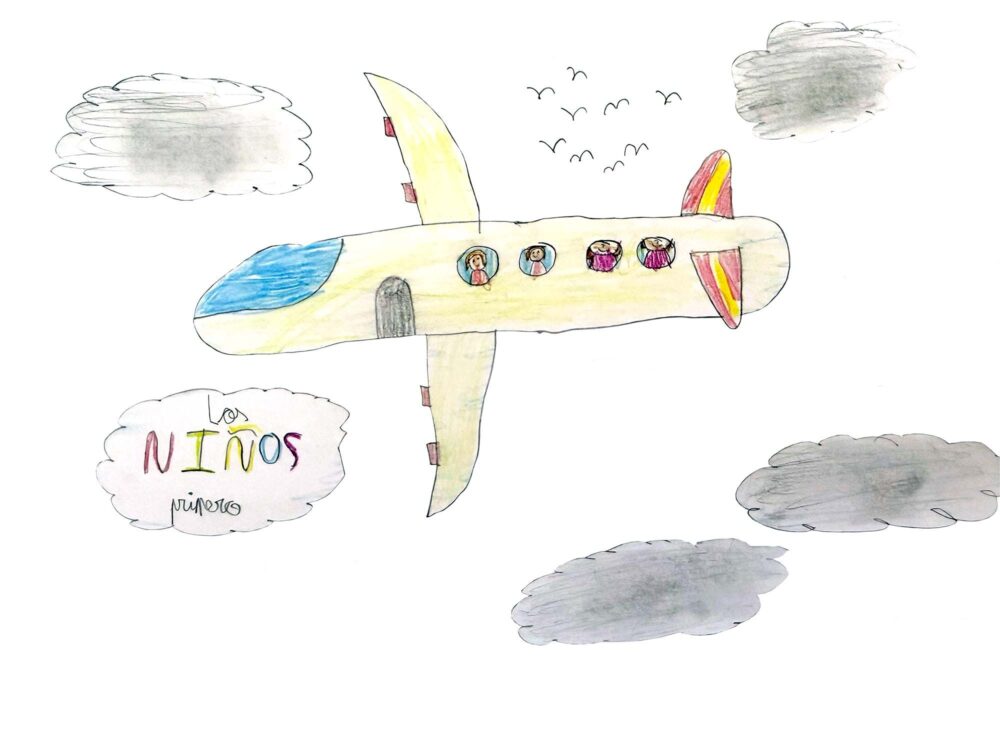
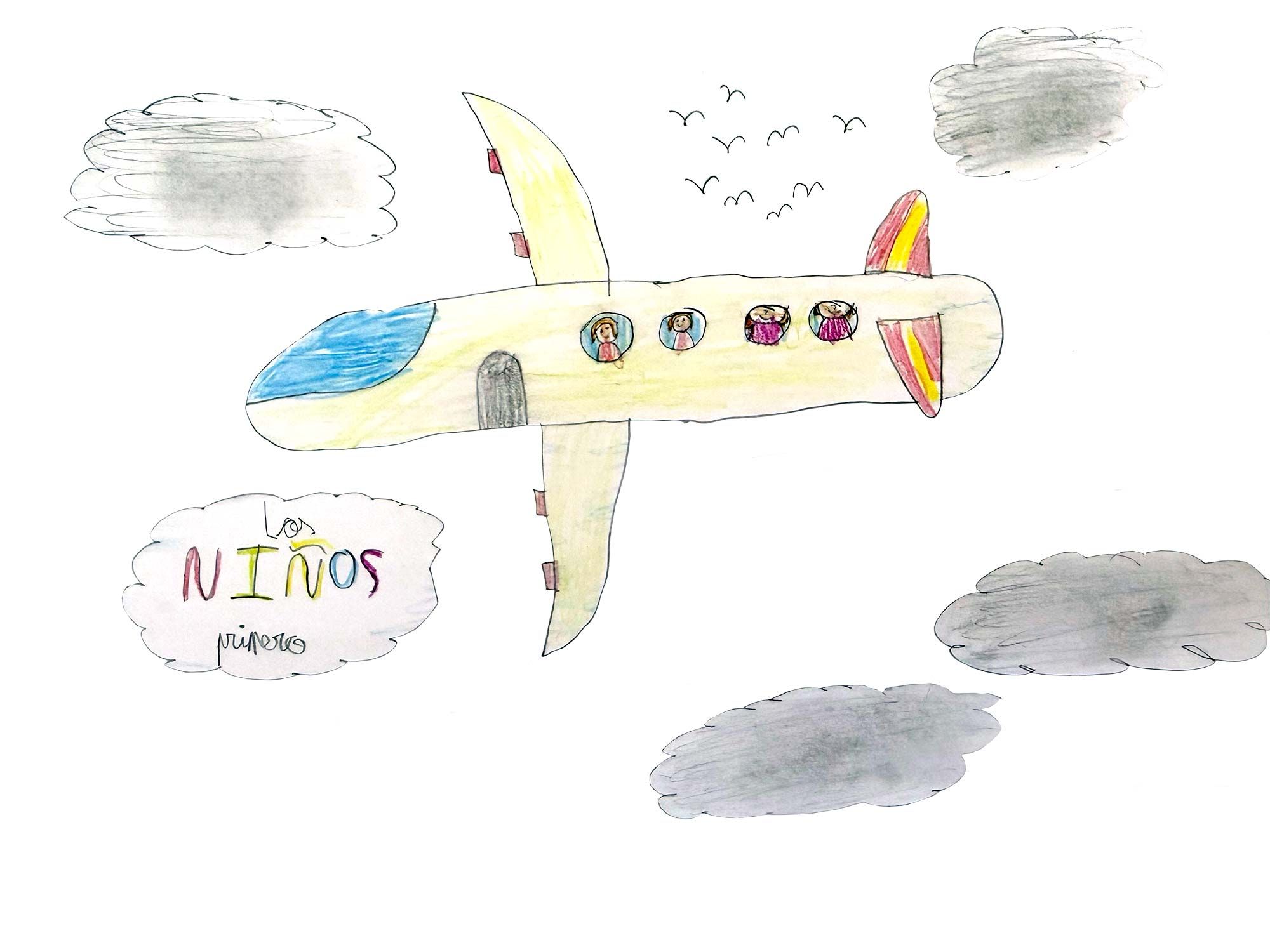
There is an invisible border separating the solo traveler from the person pushing a stroller through Terminal 4. It is a line drawn with wet wipes, emergency changes of clothes, and the infinite patience of someone who has finally understood that the perfect itinerary is an illusion. In this territory of blurred boundaries and endless layover hours, Condé Nast Traveler has planted its microphone with the launch of its new audio format: Los niños primero. Far from offering self-help manuals or rigid holiday decalogs, this space approaches adventures with minors from a deeply human perspective, where mistakes are part of the journey and children’s laughter is the best antidote to flight delays.
The project was born from an urgent need identified in travel newsrooms: banishing guilt. For decades, the tourism industry has oscillated between two unattainable extremes. On one hand, the hyper-specialized resort where adults are relegated to mere spectators of flashy entertainment; on the other, the cultural guerrilla tourism that subjects minors to pharaonic walks under the midday sun. The podcast proposes a third way. One where cabin baggage weighs heavy not just with items, but with the expectations we choose to leave on the ground. In each episode, seasoned editors and professional globetrotters sit down to pull apart the invisible seams of flying, overnight stays, and getting lost alongside the next generation.
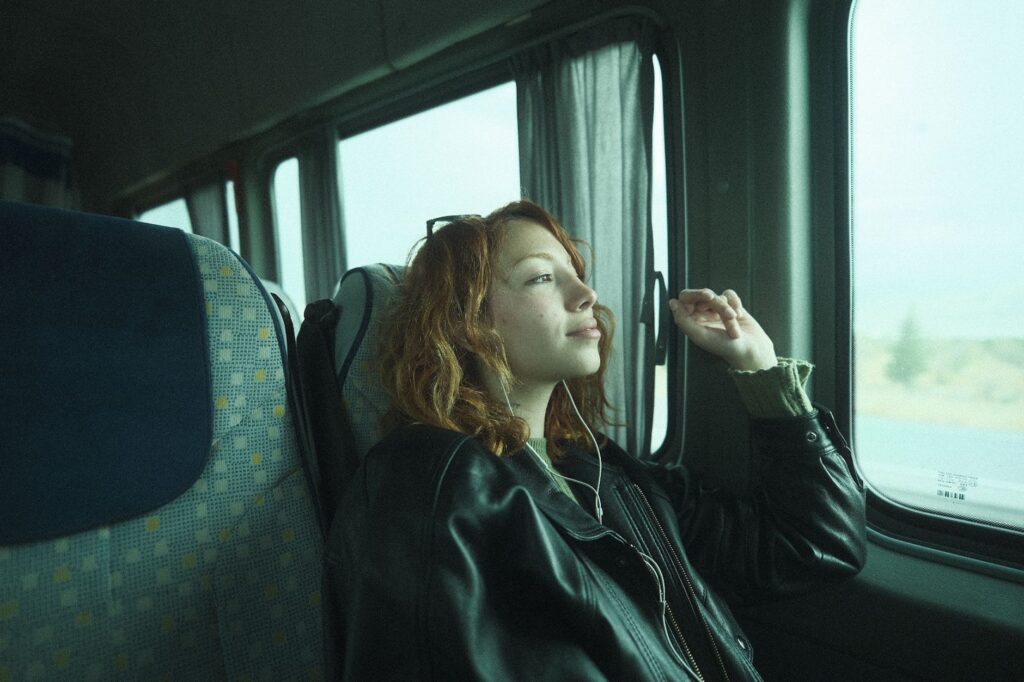
The emotional mapping of childhood on board
What does a child really look for when leaving their postal code? The answer, analyzed under a microscope in the recording studio, rarely aligns with parental desires. While adults chase the photogenic monument or the Michelin-starred restaurant recommended in guidebooks, the child’s center of gravity gravitates toward the unexpected puddle, the stray cat sleeping on a warm hood, or the strange texture of local bread. This clash of coordinates is the program’s narrative engine. Through intimate interviews and newsroom chronicles, the classic concept of a destination is deconstructed and transformed into a malleable canvas shaped by shared curiosity.
The cabin microphones capture testimonies that dismantle the clichés of the airline and hotel sector. They discuss the empathy of cabin crews when a three-year-old decides to explore the aisle mid-flight, but also the loneliness sometimes experienced by adults failing to connect with well-deserved rest. There are no tricks. The voices passing through the headphones confess moments of panic in foreign train stations and small daily triumphs, such as getting a teenager to look up from a screen to gaze at the silhouette of the Alps at sunset. It is, essentially, an exercise in sentimental cartography.
Traveling with children is not a pause in our traveling life, but the most radical way to learn to look at the world for the first time all over again.
The geography of the middle seat and infinite layovers
From a logistical standpoint, transporting minors requires NASA-level engineering. Airlines, traditionally designed to maximize usable space at the expense of human ergonomics, become laboratories of social endurance. The podcast debates unreservedly seat allocation policies, the hidden costs of family luggage, and the eternal battle to keep electronic devices charged during a ten-hour journey. Civil aviation and child psychology experts break down real tricks to survive atmospheric pressure without resorting to widespread crying.
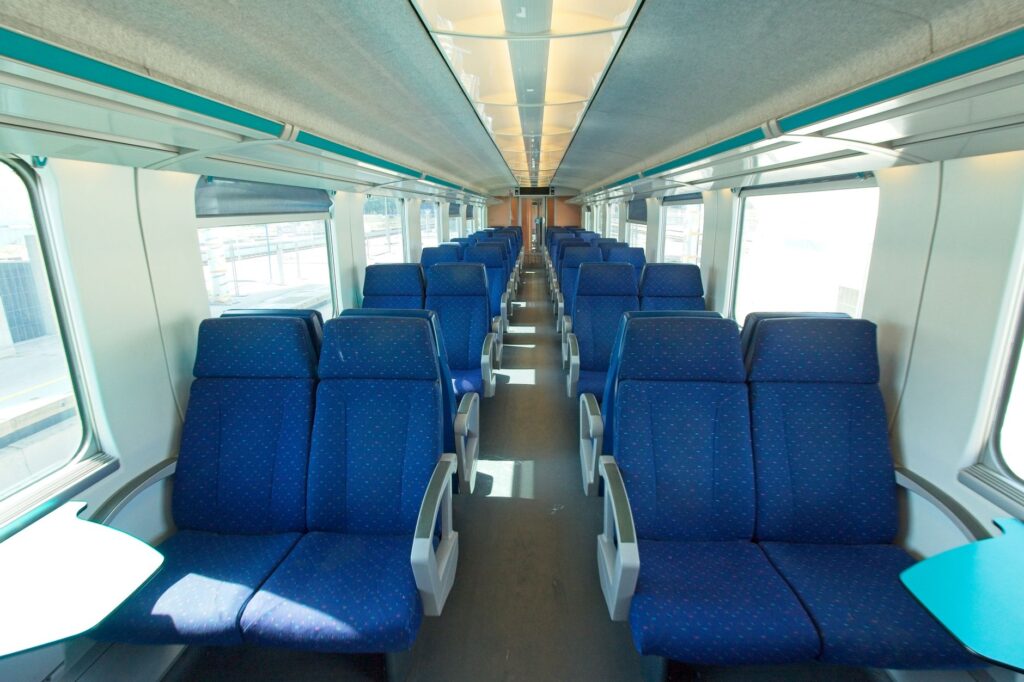
Yet the map does not end at the fuselage. High-speed rail lines, overnight ferries, and secondary roads take center stage in the debates. The analysis shows how transport modes condition the mental rhythm of minors. The rhythmic clatter of the train, for instance, exerts a hypnotic fascination no iPad can match, turning into an unexpected ally for vacation harmony. The radio space endows these daily commutes with an epic patina, recalling that the journey is, in reality, half the destination.
Saltsless flavors and early gastronomic discoveries
A foreign restaurant table is, for a child, a minefield or a culinary amusement park. The show dedicates entire chapters to the odyssey of feeding creatures who consider onions toxic in places where haute cuisine is a religion. Through editorial anecdotes, fork diplomacy is explored: how to negotiate with an infant in a Roman trattoria or the art of finding edible white rice in Bangkok’s deepest alleys.
Far from systematically yielding to the tyranny of children’s menus based on frozen French fries, Condé Nast Traveler contributors advocate for gradual culinary curiosity. Local markets are uncovered where exotic fruit acts as a tactile toy before hitting the plate, and chefs who have adapted their dining rooms so families don’t feel the weight of outside stares during a sudden tantrum are interviewed. Eating out stops being an etiquette test and turns into a sensory adventure where mess is part of the menu.
Architecture for play and ground-level cities
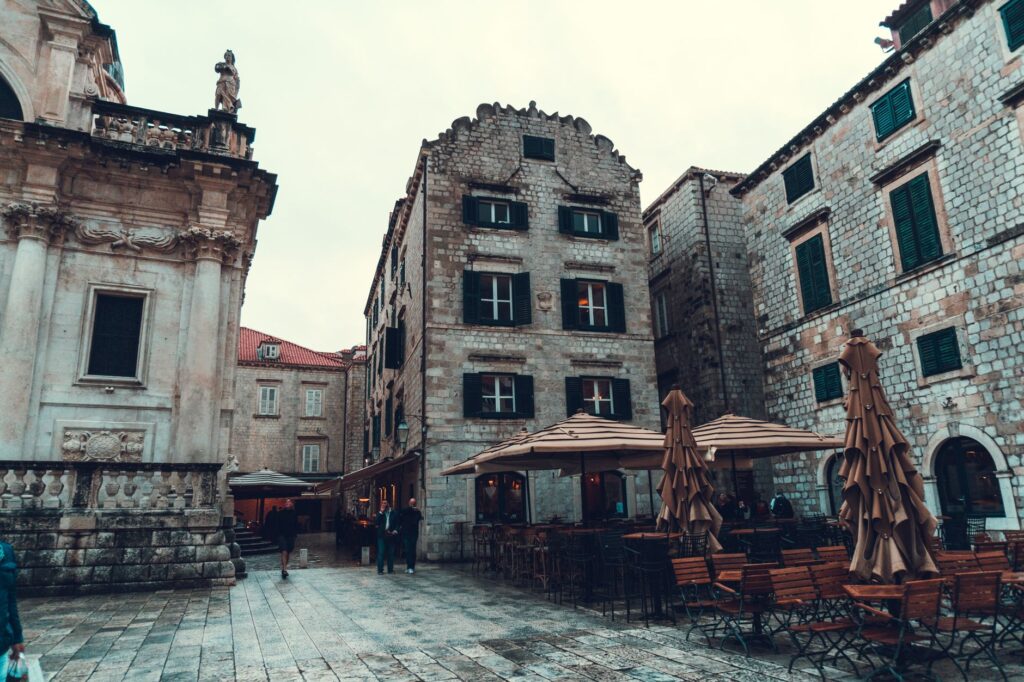
Can a gothic cathedral or a contemporary art museum fascinate a seven-year-old? The answer depends entirely on the viewing angle. The podcast explores urban architecture from a height of four and a half feet. Cities are revealed not as static monuments, but as gigantic models full of nooks, fountains where getting wet is allowed, and arcaded squares designed for hide-and-seek.

Editors discuss how public spaces in major European capitals are mutating to integrate spontaneous play. Urban design prioritizing pedestrian superblocks over vehicular traffic is praised, allowing cultural tourism to coexist with scooters and spinning tops. Visiting a museum stops being a marathon of boring rooms and transforms into a scavenger hunt of gargoyles, shadows, and outsized proportions that spark the architectural wonder of the young without academic manuals.
The human factor: when locals adopt your tribe
One of the most treasured assets for family travelers is children’s ability to tear down instant cultural walls. While adults travel burdened with reservations and social filters, minors interact with their surroundings through disarming frankness. The program compiles endearing stories where a child’s presence acts as a diplomatic passport in places where the language barrier seemed insurmountable.
From Turkish market vendors handing out candy to rural guesthouse hosts in the Pyrenees teaching early morning goat milking, the human factor permeates every broadcast. It highlights how genuine hospitality activates more strongly when we travel with our flanks exposed, showing vulnerability. The global tribe—the one assuring it takes a whole village to raise a child—finds its most nomadic and luminous expression on the road.

Practical guide
- Where to listen: The podcast ‘Los niños primero’ is available for free on major audio platforms such as Spotify, Apple Podcasts, and iVoox, as well as on the official website of Condé Nast Traveler Spain.
- Frequency: Episodes are released biweekly, accompanied by written reports in the digital edition that expand on information for each analyzed destination.
- Who it is for: First-time parents anxious about their initial long-haul flight as well as veterans of family luggage looking for inspiration without Instagram filters.
- Participation: Listeners can send their own experiences, logistical doubts, and destination proposals through the magazine’s social media channels using the official show hashtag.
The best luggage we can offer our children fits in no cabin bag: it is the certainty that the world is wide, alien, and, above all, hospitable.
The close of this sonic adventure is not found in the final musical note of the theme song or the technical setup of the recording studio, but in the subsequent stillness. When the last electronic device goes off and the entire house sleeps after a long return journey, the invisible sediment of shared wonder remains. In the dimness of the children’s room, among sheets still smelling of sea salt or mountain air, the world map ceases to be an abstract representation hanging on the wall and becomes an intimate territory, inhabited by proper names, small anecdotes, and the silent certainty that the route, with all its turbulence, has only just begun.
Source: Condé Nast Traveler Spain