
The Geometry of Fir and Iron
The landscape of the Black Forest in southwestern Germany reveals itself not through velocity, but through the geometric resistance that nineteenth-century engineers opposed to a vertical and unforgiving topography. The railway line known as the Schwarzwaldbahn represents one of European engineering’s most daring milestones, a route that winds for nearly one hundred and fifty kilometers between Offenburg and Singen. Along this corridor, every stretch of rail constitutes a masterclass in taming altitude differentials without disrupting the ancient pulse of the landscape.
While motorists travel along modern highways that pierce the mountains through rectilinear, impersonal tunnels, the traveler who chooses the train experiences the territory with an entirely different cadence. Here, the convoy’s advance is measured in horseshoe loops, millimeter-calculated gradients, and granite stone viaducts that defy the deep ravines carved by the Kinzig and Gutach rivers. The result is a journey where technique and nature confront one another, compelling the passenger to understand that the true beauty of the region lies in its rugged orographic complexity.
The genesis of this infrastructure responded to the Grand Duchy of Baden’s urgent economic need to connect its arid interior plateau with the river valleys of the Rhine. However, what began as a mere commercial transport project evolved into a work of landscape art. Robert Gerwig, the visionary engineer heading the project, conceived a layout that overcame an elevation gain of nearly six hundred meters using a pioneering system of helical tunnels for its era. Today, traveling along this track is an immersion into a living archive of the Industrial Revolution applied to an alpine and forested environment.
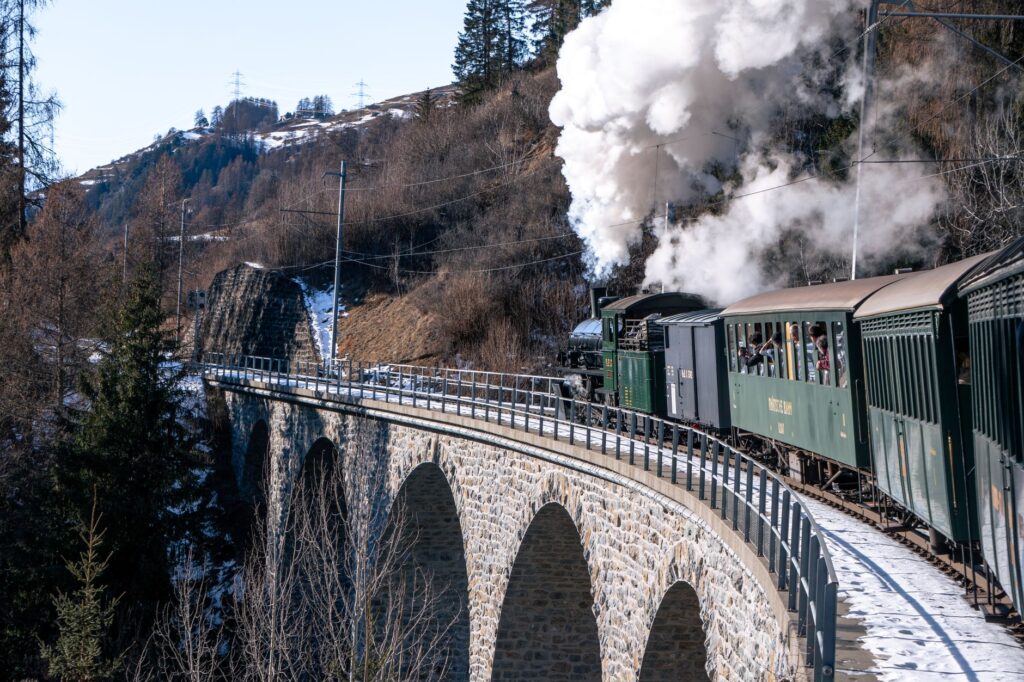
The Art of Climbing Mountains Without Haste
The journey formally begins at Offenburg station, where the air already acquires that characteristic damp, resinous nuance typical of conifers. As the train leaves the plain and penetrates the Kinzig valley, the atmosphere shifts radically. Settlements featuring timber-framed houses, such as Haslach and Hausach, fade into the background as the slopes close in around the carriages, turning daylight into a twilight filtered by millions of red fir needles.
One of the most fascinating segments concentrates around Triberg, where the track executes its famous double horseshoe loop or helical loop. The train enters a dark tunnel, rotates upon itself in an ascending loop, and reappears meters higher, allowing the traveler to contemplate from an unusual perspective the valley just left behind. This railway choreography repeats up to thirty-nine times throughout the entire route, totaling more than thirty-nine tunnels that pierce the core of the massif.
The Black Forest railway is not merely a means of transport; it is a time machine that forces the contemporary traveler to recover patience and attune their gaze to the unhurried rhythm of the centuries-old forests.
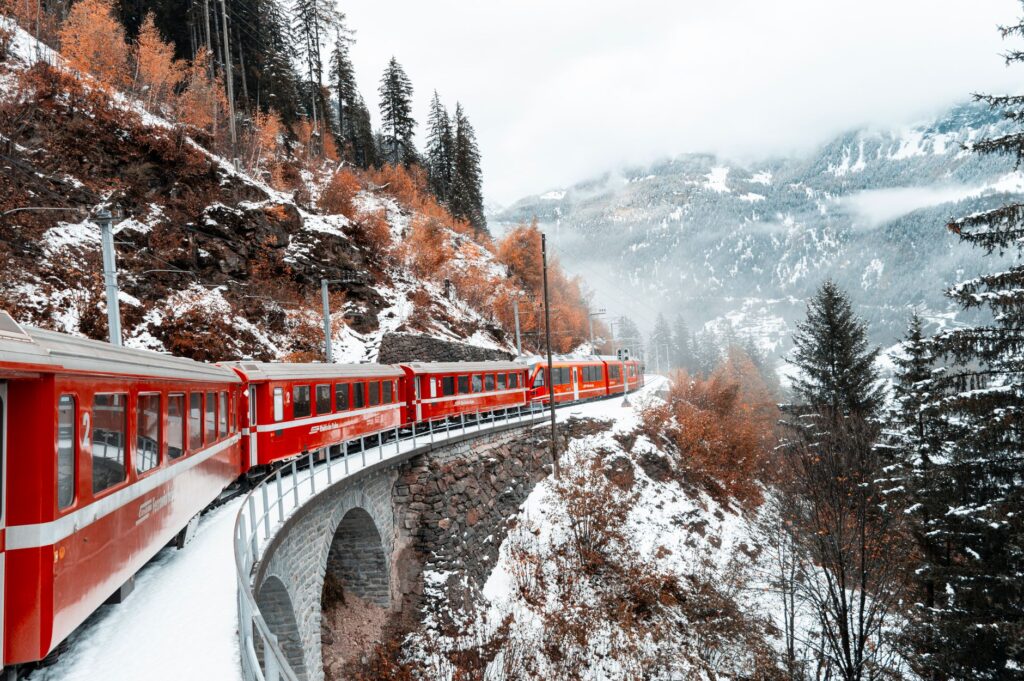
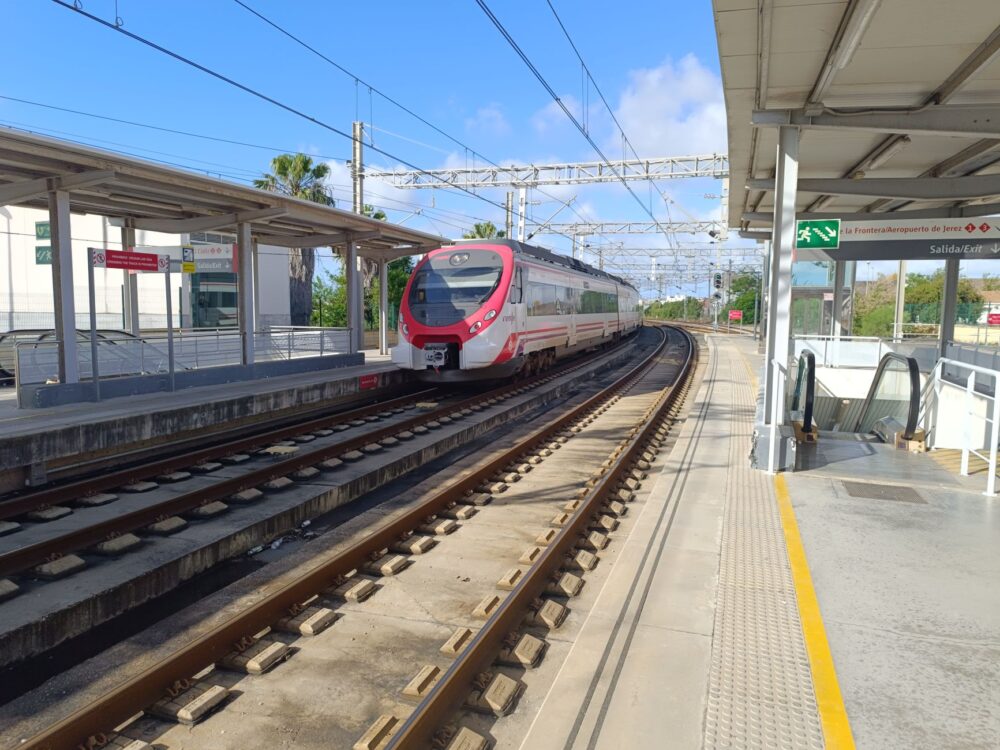
The sensory experience on board is marked by the rhythmic sound of steel and the constant clatter of track joints, a hypnotic tempo that contrasts with the imposing silence of the exterior. At intermediate stations, time appears to have stood still. The former station masters, although largely replaced today by automated systems, preserve in the historic exposed-brick buildings and gabled roofs an institutional memory that the most attentive passengers manage to perceive in every detail of the railway architecture.
The Architecture of Water and Granite
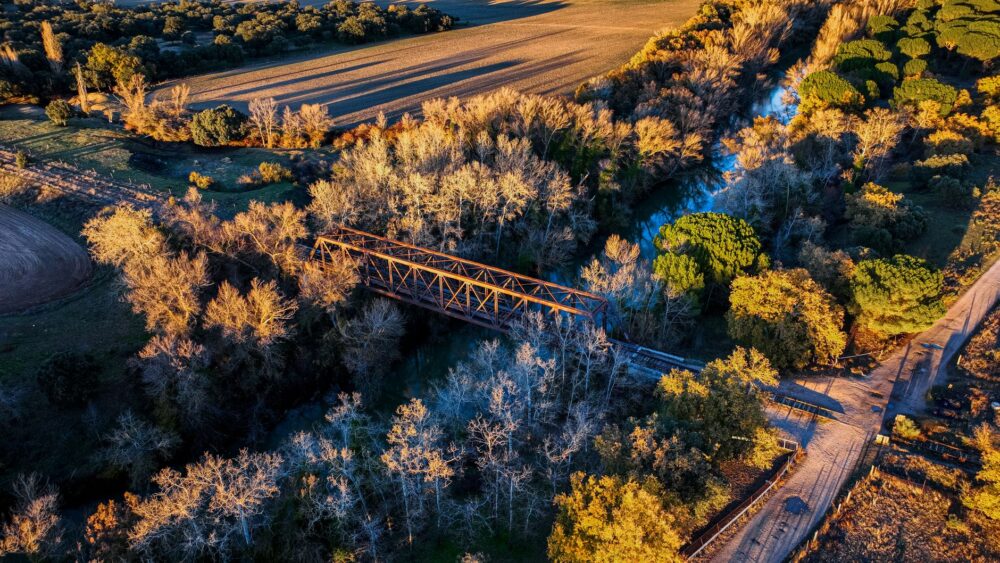
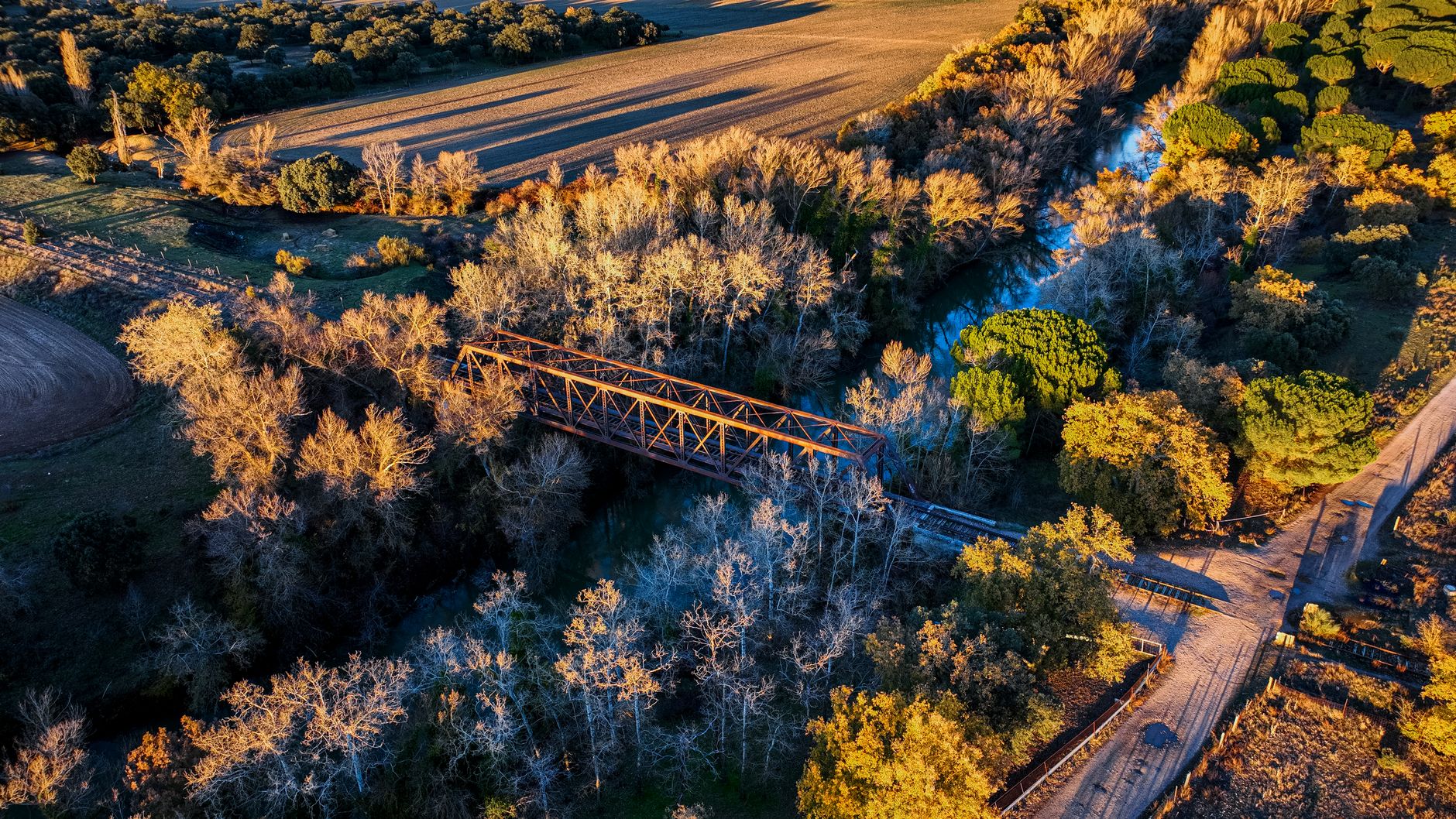
Advancing along the Schwarzwaldbahn also entails discovering a parallel network of hydraulic and architectural infrastructures that sustain the ecological and human balance of the area. The bridges and viaducts are not mere supports for the train tracks, but monuments built with local stone extracted from the very quarries that workers opened during the 1860s. The use of dark granite guarantees a perfect chromatic integration with the surroundings, so that the structures appear to have sprouted organically from the forest floor.
Beneath these imposing semicircular arches flow crystal-clear streams that feed the famous watermills and craft workshops where traditional cuckoo clocks are fashioned. The contrast between the cold mathematical precision of the railway line and the organic warmth of carved wood defines the cultural identity of this corner of Baden-Württemberg. Nineteenth-century engineers not only calculated the strength of materials, but also designed the bridges to withstand the periodic floods of rivers fed by winter snowmelt.
In addition to civil engineering, the plant environment is rigorously managed to prevent fir branches from invading the loading gauge of the trains, a forestry maintenance task that extends throughout the entire year. Specialized workers patrol the gorges on foot and in inspection trolleys, monitoring the stability of slopes and ensuring that the hillsides do not suffer landslides following heavy autumn rains. This constant effort guarantees that the travel experience remains intact, free from mechanical surprises or unforeseen interruptions.

The Human Pulse at Altitude
Beyond technique and nature, the incalculable value of this route lies in the human communities that have flourished in the shadow of its stations. Localities such as Sankt Georgen im Schwarzwald or Donaueschingen, where the Danube river symbolically originates, owe much of their historical prosperity to the arrival of the railway. Before its inauguration in 1873, these enclaves suffered almost absolute isolation during the long, snowy Central European winters.
Today, residents use the line not only for daily commuting to workplaces in Offenburg or Konstanz, but as a symbol of identity pride. On the platforms, it is common to observe hikers equipped with trekking boots and poles, ready to disembark at any of the intermediate stops and plunge into the network of marked trails crisscrossing the natural park. The connection between the train and pedestrian hiking is fluid, efficient, and respectful of the territory’s ecological limits.
Local gastronomy also benefits from this steady flow of curious travelers. Traditional inns near the stations serve the classic Black Forest cake—made with local cherries, kirsch, and chocolate shavings—alongside game dishes and wild asparagus soups. These family-run establishments have successfully preserved secular recipes without falling into empty folklorism, offering visitors an honest reflection of the alpine and forest larder.
Practical guide
How to get there: The ideal starting point is the city of Offenburg, perfectly connected via Germany’s ICE high-speed rail network from Frankfurt and Basel. Regional trains heading toward Konstanz operate from there, running along the historic route.
When to travel: Although the summer months offer greater clarity to enjoy the landscapes, autumn (from September to November) dyes the forest in spectacular ochre and golden tones. Winter, with snow at higher altitudes, provides an unmatched alpine atmosphere.
Tickets and fares: Germany’s regional transport system allows the use of the integrated Baden-Württemberg ticket (Baden-Württemberg-Ticket), which offers unlimited travel for one working day for multiple passengers at a very competitive price.
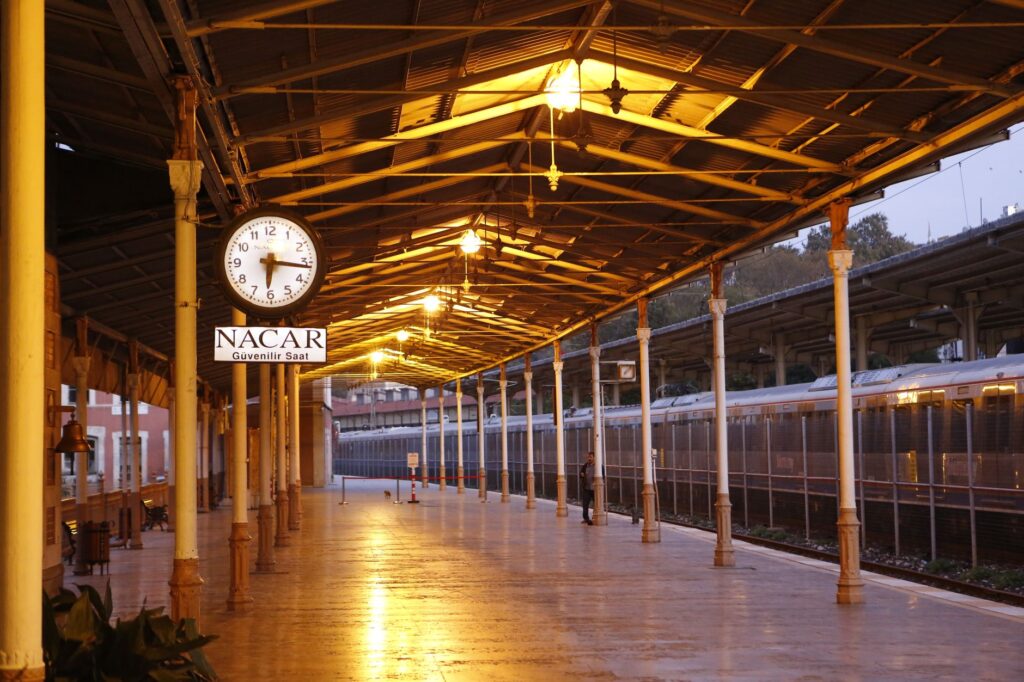
Route recommendations: It is advisable to make at least one intermediate stop in Triberg to visit its famous waterfalls and the open-air railway museum, where historic steam locomotives are exhibited.
Accommodation: Opting for small rural inns (Gasthof) run by local families around Hornberg guarantees an authentic immersion into Black Forest hospitality.
The Last Sigh of the Deep Forest
When the sun begins to decline behind the peaks of the Feldberg, the light inside the carriages turns into an intense amber hue that pierces the windows fogged by the valley’s humidity. At that precise moment, the railway line seems to merge definitively with the forest gloom, reminding us that the grand works of human engineering reach their maximum plenitude when they accept subordination to the majesty of the natural environment that shelters them. The train continues its journey southward, devouring kilometers of track with the same silent precision with which the fir trees continue to reclaim territory from time.