
There are cities whose urban layout seems carved directly by the western wind and the gentle, persistent rolling of the waves. Cádiz, built upon a spit of sand that has challenged the ocean for millennia, safeguards within its core one of the most distinctive ways of life in southern Europe. Here, time is not measured by clock hands, but by tides, by the departure and return of small wooden boats that wake before dawn to extract their daily sustenance from the sea, and by the ceaseless hum of squares where conversation remains the primary instrument of commerce and community.
At the heart of this white, saline labyrinth, the municipal market stands as the true civic temple of the city. It is not merely a supply hub, but an anthropological space where the accumulated knowledge of Phoenicians, Romans, and contemporary Gaditans converges. The stalls and halls of this enclosure not only showcase the larder of a privileged natural environment, but also distill a way of understanding existence that is profoundly tied to the generosity and harshness of the Atlantic coast.
The Architecture of Light and Neoclassical Bustle
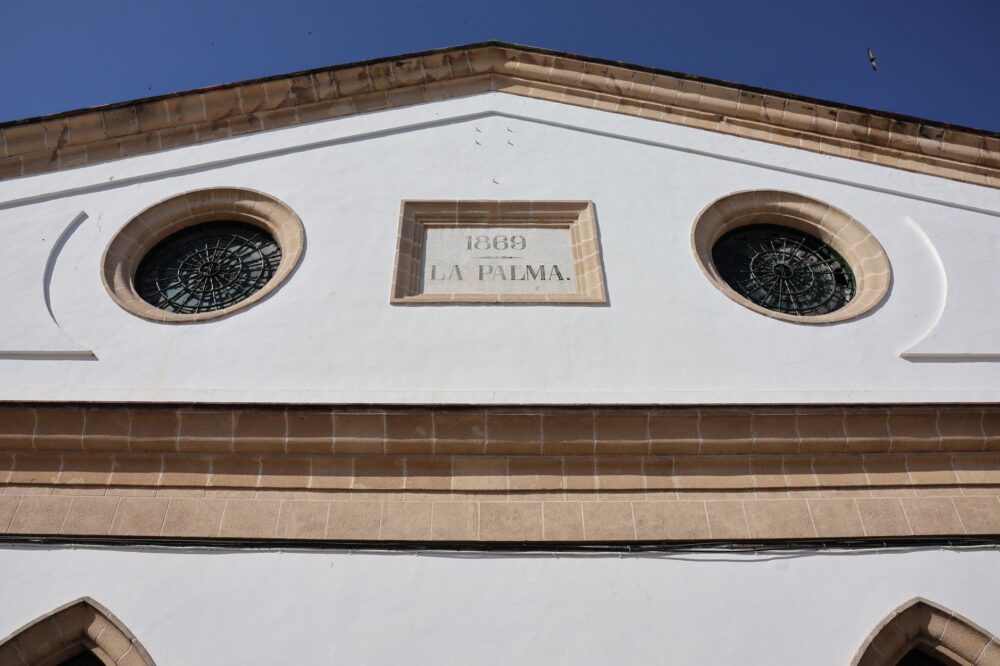
Inaugurated in the mid-19th century on the grounds of the former orchard of the Discalced Convent, the central market of Cádiz is striking for its neoclassical porticoed layout. Conceived by architect Juan Daura, the project organized a central colonnaded courtyard that today functions as a square within a square—an agora where air circulates freely and mitigates the heat of Andalusian afternoons. Upon crossing its threshold, the visitor is greeted by a symphony of voices weathered by the years, the ringing of steel against wooden chopping blocks, and the unmistakable aroma of fresh iodized sea spray.
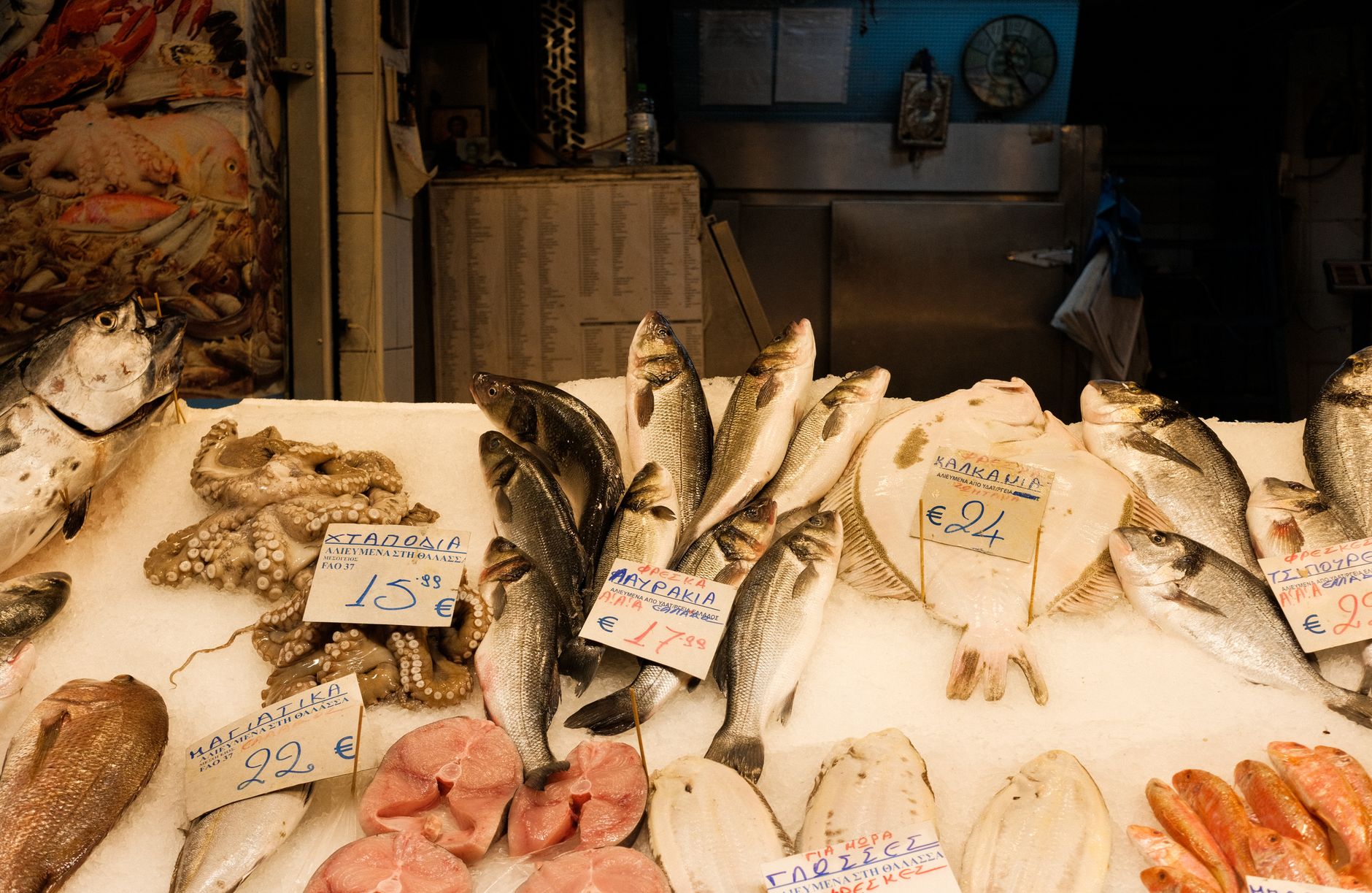
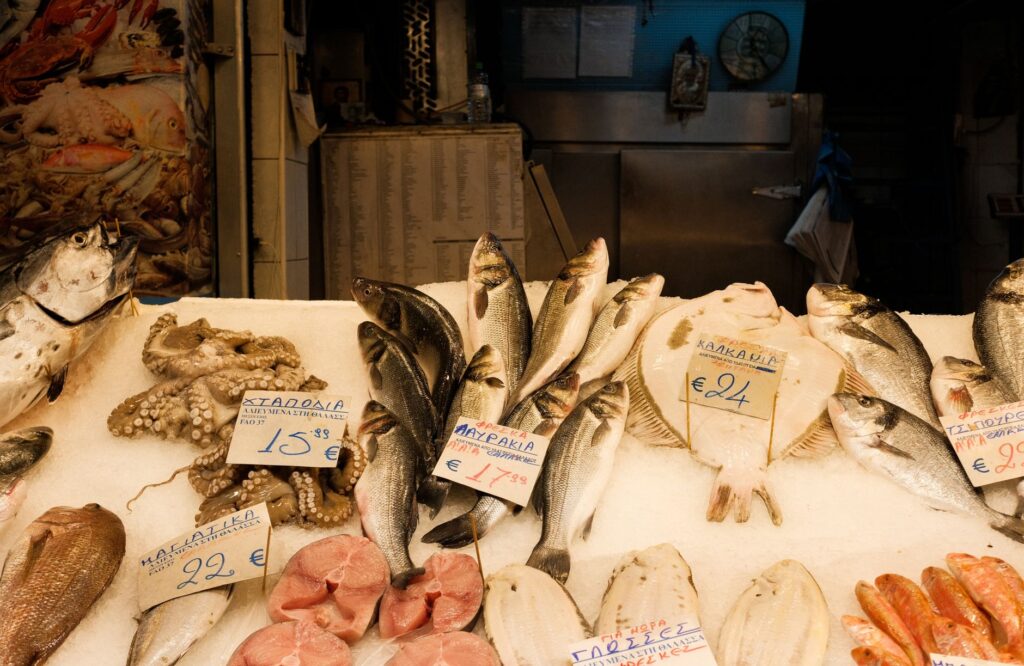
Surrounding this monumental rectangle are the stalls of the so-called noble zone of fish and seafood, a living museum of marine biodiversity. Here, the vendors act as legitimate maîtres d’hôtel of the ocean, capable of explaining the exact origin of each species with the precision of a marine biologist and the witty charm native to the Silver Cup of the South. There is no artificial artifice in their explanations; every catch is offered with the pride of someone who knows they are bringing to the table an unrepeatable fragment of the Bay’s natural history.
The Realm of Tidal Marshes and Estuaries
Beyond the urban walls, the landscape of the Bay of Cádiz transforms into an intricate labyrinth of channels, salt flats, and tidal estuaries. This singular ecosystem, shaped by human hands since antiquity and converted today into an ecological and productive sanctuary, is the cradle of one of the peninsula’s most prized gastronomic treasures: estero fish. Sea bream, sea bass, and mullets grow in these shallow waters, feeding on the natural nutrients swept in by spring tides, achieving a texture and fat delicacy impossible to replicate in intensive aquaculture.
The tidal ponds represent a perfect symbiosis between traditional salt-extraction activity and ecological sustainability. In these ancient salt basins, converted into natural nurseries, the ebb and flow of the tide regulate a biological cycle that has remained virtually unaltered for centuries. The marsh masters monitor the water with almost artisanal zeal, knowing that any disruption in salinity or temperature can ruin a harvest that demands patience, observation, and absolute respect for nature’s rhythms.
The Liturgy of Mosto and Butcher’s Paper
The frenzy of the market finds its perfect counterpart in the traditional grocery stores and taverns scattered throughout the historic neighborhoods of La Viña and El Pópulo. In these bastions of authenticity, the ritual of tapeo takes on nearly religious undertones. Local wine, especially fino and amontillado from neighboring wineries in the Jerez Sherry triangle, is poured into short glasses invariably accompanied by butcher’s paper rather than sophisticated table linens—a constant reminder that popular elegance requires no artificial props.

The true luxury in the cuisine of Cádiz does not lie in the accumulation of exotic ingredients, but in the capacity to extract the maximum expression from a humble product through absolute respect for fire and cooking time.
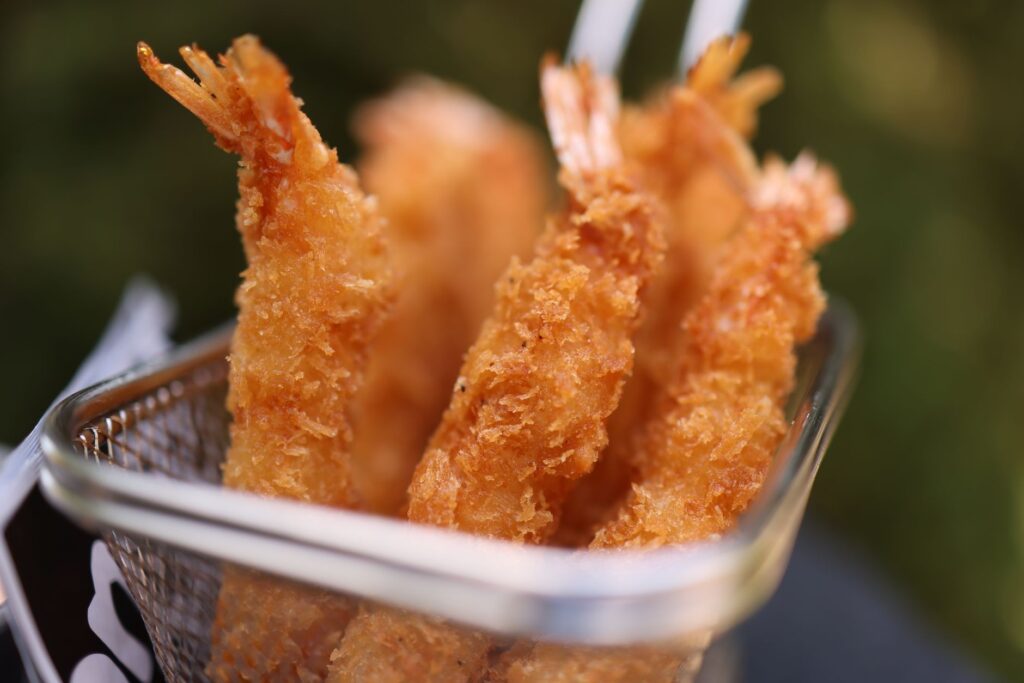
Shrimp fritters—tortillitas de camarones—crispy golden laces where chickpea and wheat flour fuse with live shellfish and fresh parsley, exemplify this philosophy. Their preparation demands refined technique and an expert hand capable of achieving a fry that is dry, light, and completely free of heavy grease. Every bite is an explosion of marine flavor that synthesizes the mastery of generations of anonymous cooks.
The White Gold of Coastal Salt Flats
It is impossible to understand the Gaditan larder without mentioning sea salt, the foundational element that has preserved and enhanced the flavors of this territory since the days of Gadir. The artisanal salt flats, which trace blindingly white geometric figures against the dark green backdrop of the marshes, continue to produce the delicate flor de sal using ancestral methods of solar evaporation and gravity decantation.
This product, prized by the most demanding chefs on the international scene, stands out for its purity and richness in marine trace minerals. Its late incorporation into dishes acts as a subtle flavor amplifier, enhancing the natural sweetness of seafood or the robustness of maritime stews without masking them. It is, in essence, the crystallized memory of the southern sun and wind.
Grandmother’s Maritime Stews and the Resilience of the Spoon
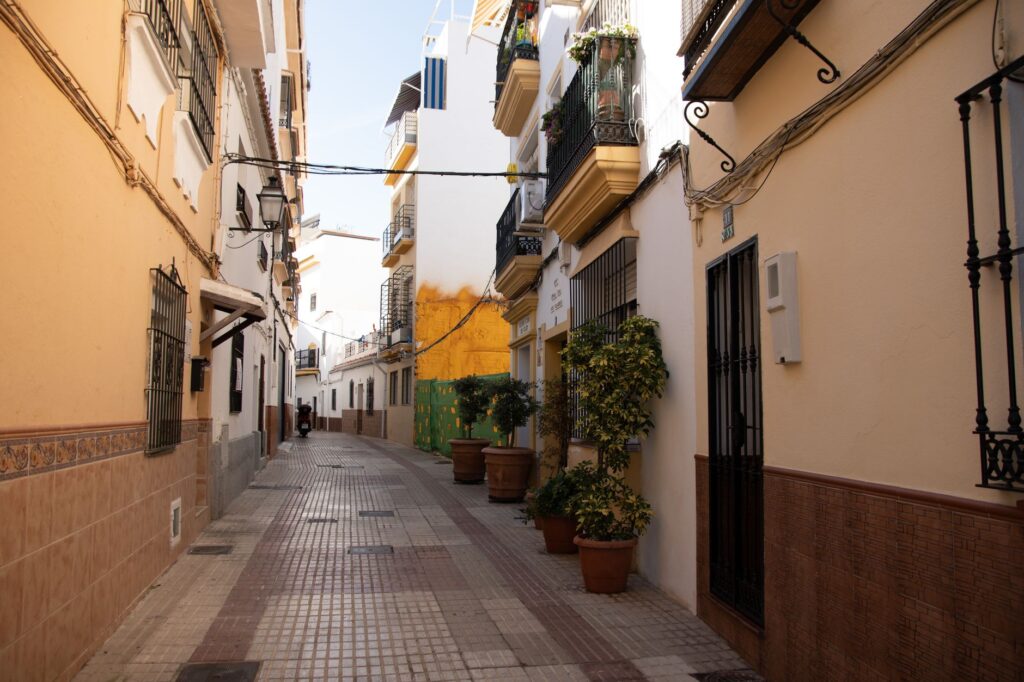
Faced with fleeting culinary trends and the constant urge for reinvention, Cádiz’s traditional recipe book maintains undeniable relevance in homes and modest working-class eateries across the old town. Dishes such as marinated dogfish (bienmesabe), Almadraba red tuna with onions, or chickpeas with cuttlefish are true monuments of spoon-and-fork cooking, where a slow-cooked sofrito and fish broth made from fresh scraps form the foundation of an unbreakable gustatory architecture.
These stews do not seek to impress through visual complexity, but rather to comfort the soul and appeal to collective memory. In an era marked by digital urgency, sitting down at a table to enjoy a good plate of potatoes with conil or a noodle stew with fresh fish is an act of cultural resistance, a measured way to reclaim the value of the everyday and shared time around food.
Practical guide
How to get there: Jerez Airport is located about 45 kilometers from the capital of Cádiz, with frequent, direct rail connections via commuter and regional trains that cross the Bay in a comfortable journey of just over half an hour.
When to visit: The spring months (April to June) and early autumn (September and October) offer mild temperatures ideal for touring the market and the tidal marshes without the overwhelming hustle of the summer tourist season.
Where to eat: El Rincón de la Esquina, located inside the Central Market itself, allows visitors to taste freshly purchased fish cooked on the spot at designated stalls. For a classic tavern experience, Cantina de Tino in the La Viña neighborhood is an unavoidable benchmark of popular seaside cuisine.
Local etiquette tips: In traditional neighborhood bodegas, it is customary to order your drink standing by the counter and pay in cash. Respecting the unhurried pace of the bartender is part of the cultural immersion into Gaditan daily life.
Epilogue: The Light That Never Fails
When the sun begins to dip below the horizon of La Caleta, tinging the stone walls in copper and orange hues, the city seems to hold its breath for a single moment. It is the time when fishermen pack up their gear, the markets close their doors until the next dawn, and taverns turn on their warm lights to welcome their longtime regulars. In that silent transition between day and night, the true essence of Cádiz is revealed: a luminous persistence, an unshakeable pact between humanity and the sea that continues to be written each day upon the wooden boards and brown paper of its living memory.