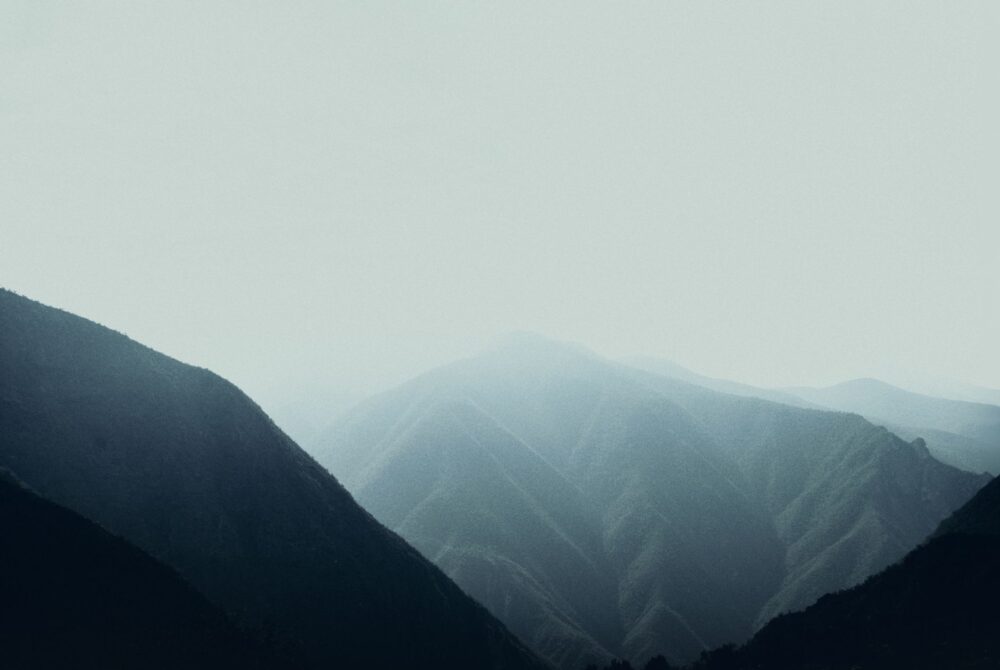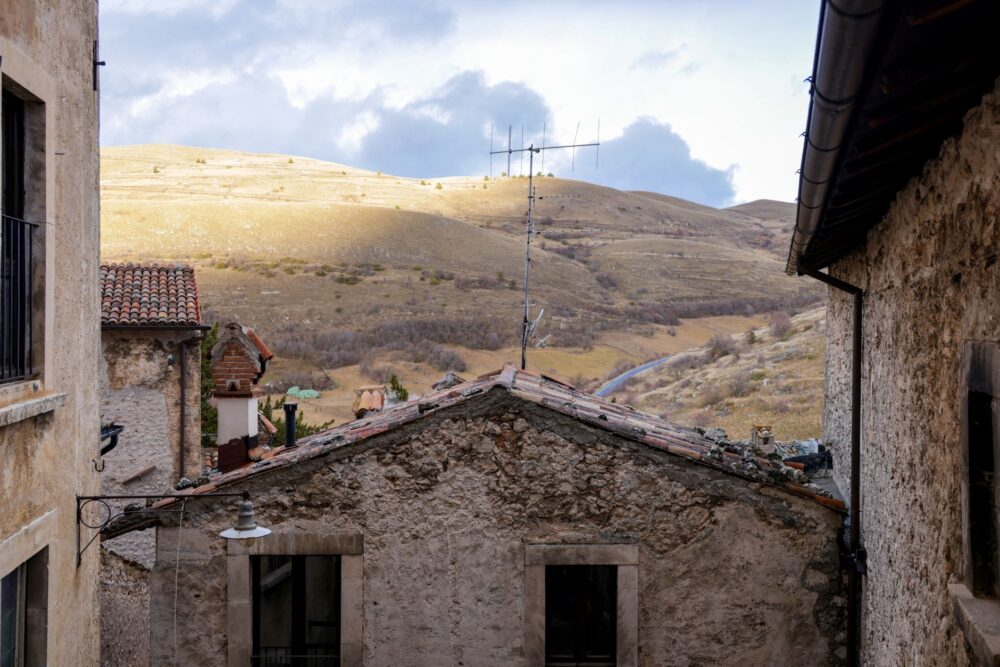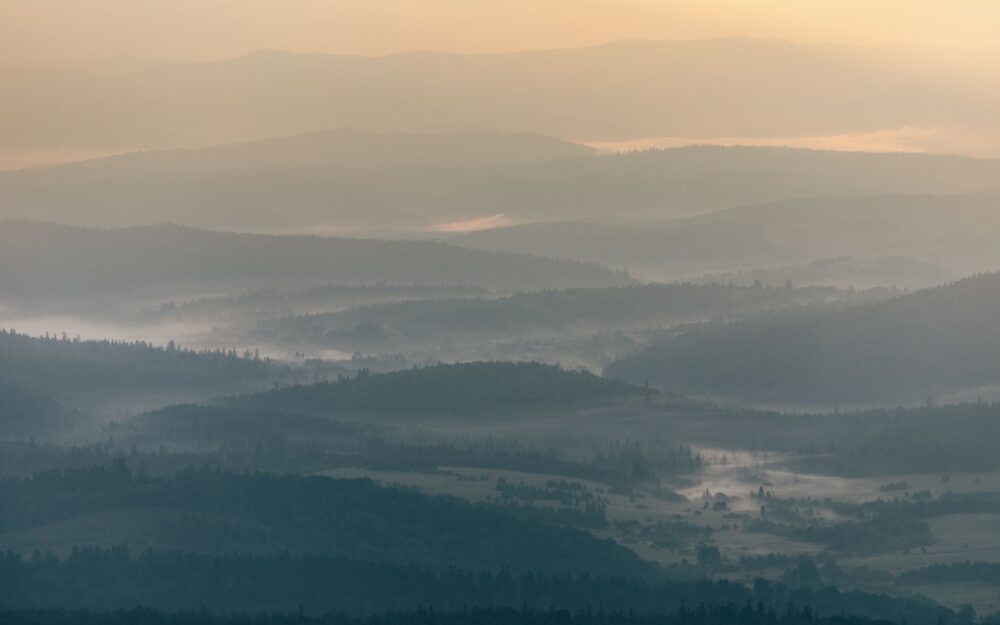

There is a contemporary urgency to consume the world that seems to strip the very act of movement of its meaning. We live in an era where maps have become flat, hyper-visible, and accessible from the palm of our hand, reducing geography to a series of preconceived expectations. Yet, true travel begins precisely where cartography yields to direct experience, where the traveler ceases to be a hurried spectator and becomes a patient witness. At Atlas Lume, we understand that traversing a territory is not a matter of speed or accumulation, but of inner disposition. It is about tuning our senses to understand that every place possesses its own voice, an ancient rhythm that precedes us and demands a listening posture devoid of prejudice.
Distance as a Territory of Encounter
Geographical distance is usually measured in kilometers, flight hours, or time zones. Yet the true distance that matters is the one established between our daily certainties and the otherness of the landscape we visit. Leaving home involves temporarily suspending our habits to open ourselves to the possibility of the unexpected. When we step into a new culture, an unfamiliar forest, or a city whose language we can barely speak, we experience a salutary decentralization. We are no longer the center of our own narrative universe; we become guests in someone else’s home. This inner shift is indispensable for rediscovering genuine curiosity, the very quality that urban routine so often lulls to sleep beneath layers of automation.
Hospitality as an Ethics of Space
Every meaningful journey rests upon an invisible yet deeply solid structure: hospitality. Being welcomed into a territory, whether through a daily gesture, a shared meal, or the respectful silence of a host, reminds us of the essential vulnerability of the human condition. Hospitality is neither a mere commercial transaction nor a matter of polite protocol; it is a form of mutual recognition. It teaches us that the other, even one whose language and customs seem strange to us, offers us a momentary shelter amid the vastness of the world. As travelers, our greatest responsibility is to honor that welcome through an attitude of gratitude and restraint, avoiding unnecessary footprints upon the ecosystems and communities that open their doors to us.
Nature and the Slowness of Landscape
Faced with the temptation of immediacy, nature imposes its own grammar, rooted in long timespans and geological cycles. Pausing before a deep valley, contemplating the steady rolling of a distant sea, or walking along paths where mobile signals vanish is an exercise in mental and spiritual health. Slowness is not a waste of time; it is the only speed that allows memory to retain beauty. When we walk without haste, the landscape ceases to be a decorative backdrop and becomes an active interlocutor. The stones, the trees, the changing light of the afternoon, and the wind shaking the branches speak to us of a temporality that transcends our daily urgencies and restores a proper sense of scale to our own smallness.
Gastronomy as an Archive of Memory
Understanding a territory inevitably involves sitting at its table. The cuisine of a place is not merely the result of culinary technique or a sum of local ingredients; it is a living archive of collective memory. Each dish tells the story of a climate, of ancestral migrations, of arid or fertile soils, and of human ingenuity in the face of scarcity or abundance. By tasting the flavors of a different culture, we literally incorporate a fragment of its history. Therefore, gastronomy also demands a reverent attitude. It is not about chasing constant novelty or staged exoticism, but about savoring with attention the patience with which communities have transformed the fruits of their environment into expressions of identity and affection.
The Return and Silent Transformation
The journey culminates, paradoxically, when we return. Yet the return is never a precise comeback to the starting point, because we ourselves have changed along the way. The truly transformative aspect of travel does not lie in accumulated photographs or acquired objects, but in the way the outside world settles within us. The conversations held, the landscapes traversed, and the shared silences become part of our invisible biography. In a time that continually pushes us forward, knowing how to look back with gratitude and toward the horizon with respect is the greatest reminder of our shared humanity. Travel, in its deepest sense, is the art of learning to inhabit the world without possessing it.