
Introduction to a Realm of Stone and Frost
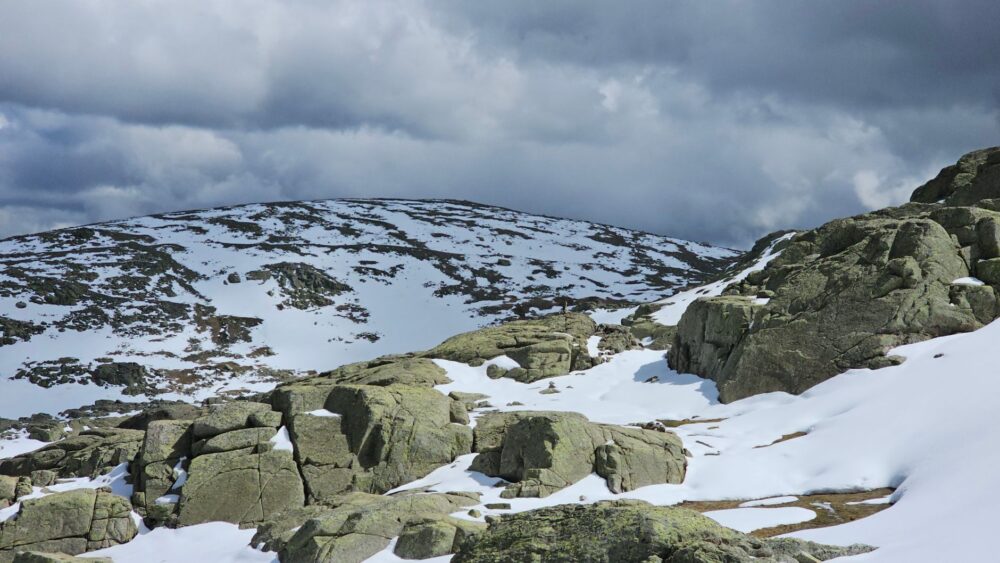
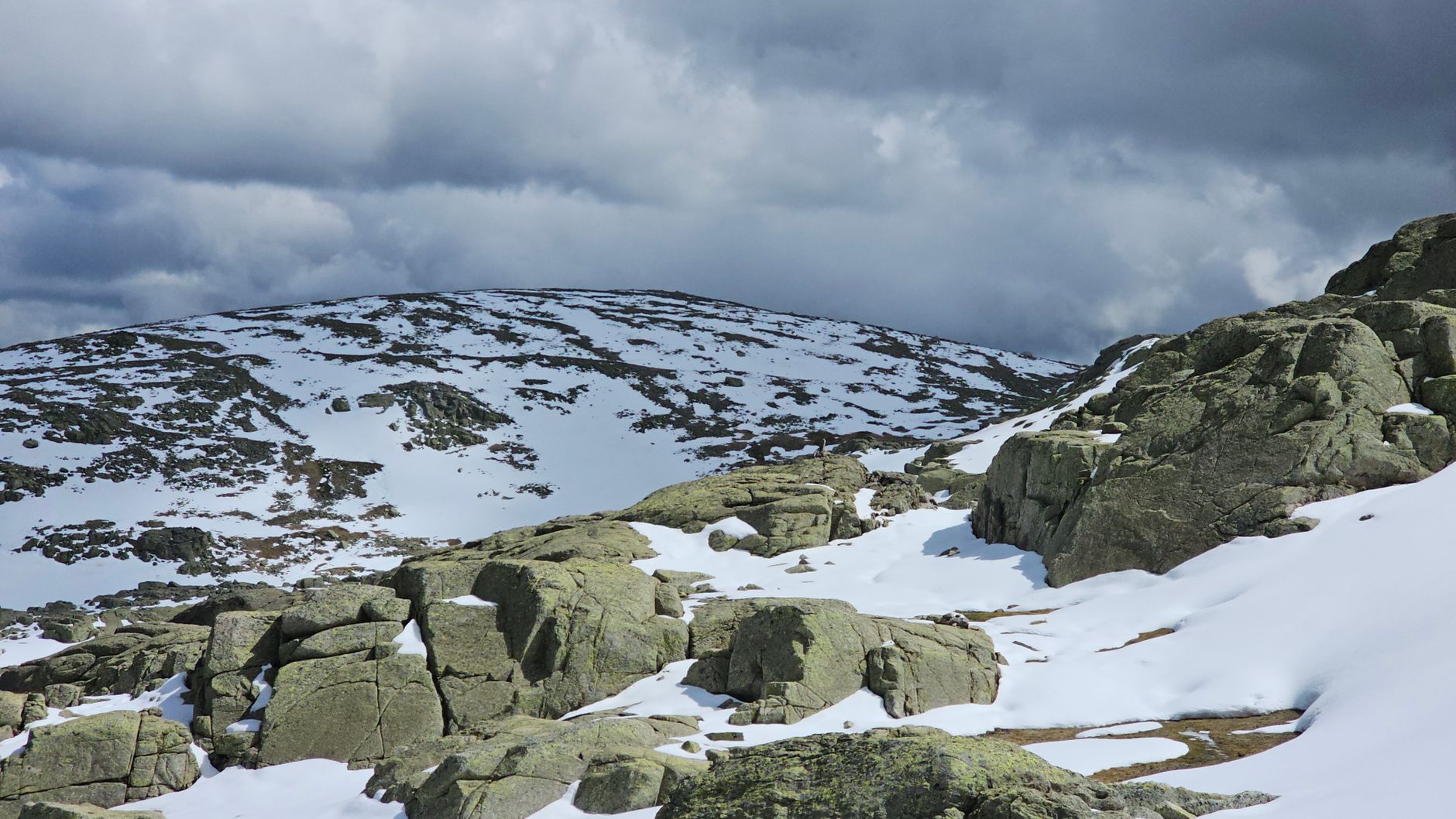
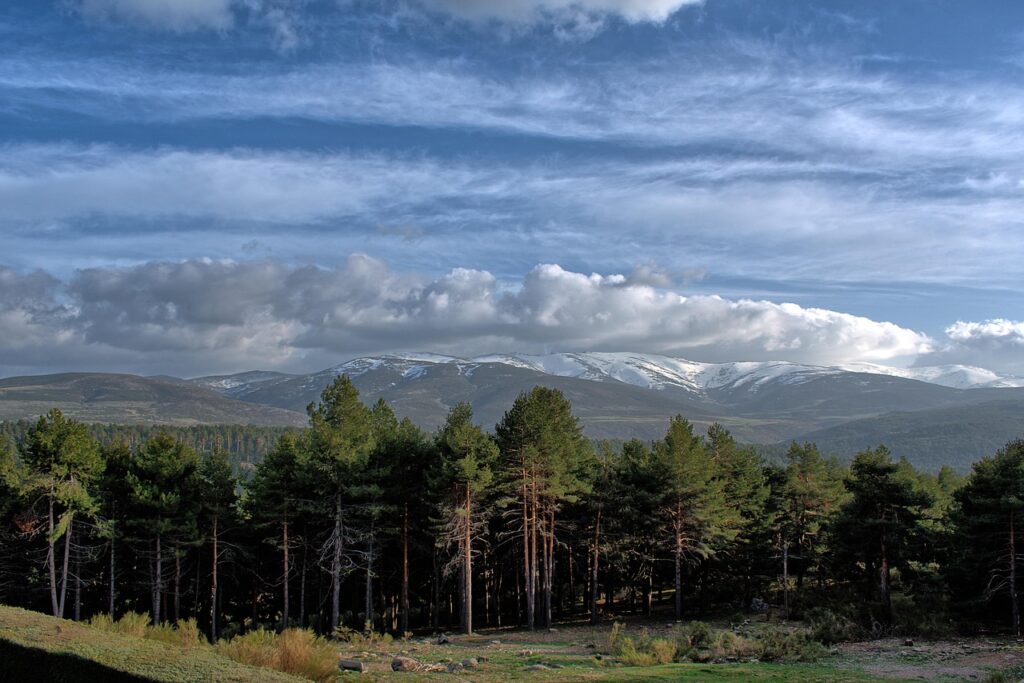
The Central System rises across the Iberian Peninsula as a major biogeographical barrier where extreme continentality shapes landscapes of austere beauty. In the heart of this mountain cordillera, the Gredos massif stands out for its glacial cirques, tectonic lakes, and vast expanses of scrublands carpeting the slopes between 1,500 and 2,200 meters of altitude. This environment, seemingly inhospitable to animal life during the winter months, hosts a highly specialized faunal community that has developed extraordinary physiological and behavioral adaptations to survive severe temperatures and resource scarcity.
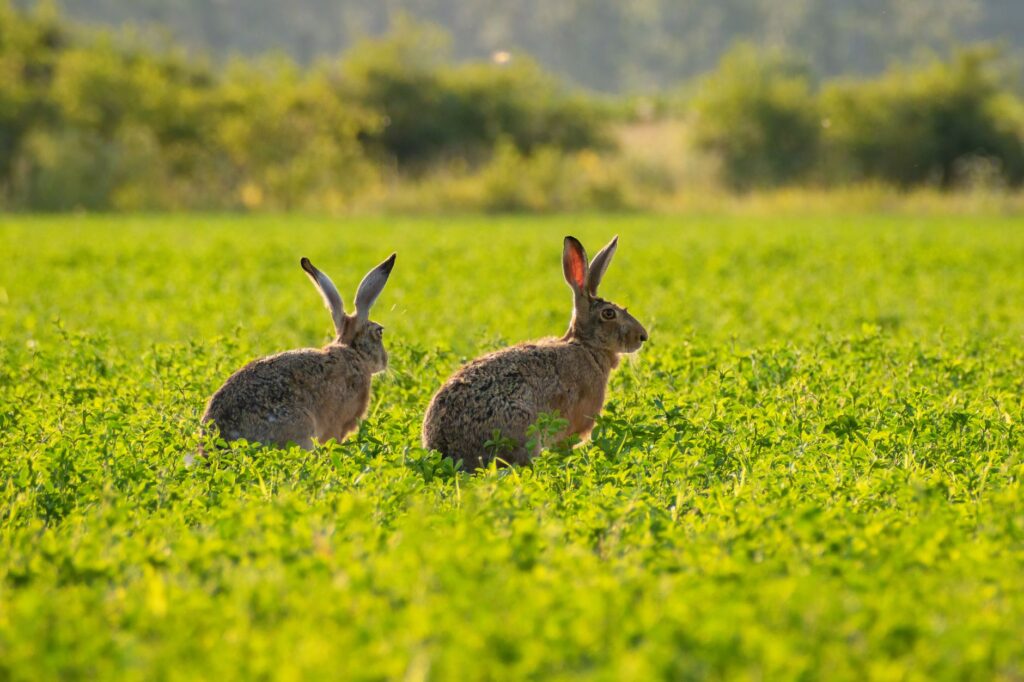
Among the mammals inhabiting these domains of stone and wind, the mountain hare stands out for its discretion and seamless integration into the high-altitude vegetation mosaic. Far from the agricultural lowlands where its relative the European hare thrives, this rupicolous lagomorph has found in the upland scrublands a secure refuge against generalist predators. Nevertheless, climate change and anthropogenic pressure are altering the dynamics of these fragile ecosystems, making the scientific study of their populations an inescapable priority to guarantee their persistence in the summits of southern Europe.
Geological Origins and Glacial Shaping of the Habitat
The current morphology of Gredos is the result of millions of years of tectonic processes and, most notably, the erosive action of ice during the Pleistocene. Great valley glaciers carved the granitic rocks of the Ávila batholith, generating U-shaped valleys, frontal moraines, and deep glacial lakes such as the Laguna Grande de Gredos. These dynamics modeled an abrupt relief characterized by sharp ridges, river gorges, and extensive scree slopes locally known as piornales, formed by the freeze-thaw weathering of surrounding rock faces.
Over this siliceous and nutrient-poor substrate, edaphophilic and xerophytic vegetation highly adapted to weather extremes has developed. The upland scrublands, dominated by species such as Spanish broom and related leguminous shrubs, act as the ecological backbone of the territory. These woody plants not only anchor sandy soils and protect against water erosion but also offer the optimal habitat for foraging, shelter, and reproduction, configuring a vegetal framework where every square meter fulfills a critical function for seasonal survival.
Biology and Morphological Adaptations to Alpine Cold
The survival of the mountain hare through the rigorous Gredos winters depends on a sophisticated set of evolutionary adaptations. Unlike hibernating mammals that reduce their metabolic activity in underground burrows, this lagomorph maintains activity year-round, facing blizzards, persistent snowfalls, and temperatures frequently dropping ten degrees Celsius below zero. Its coat, equipped with a dense woolly underfur and cryptic tones that mimic the gray and ochre spectrum of rock and dried shrub, constitutes its first line of thermal and visual defense.
Anatomically, it features robust hind limbs enabling agile movement across inclined terrain and unstable snow surfaces, while its long ears not only act as thermosensitive organs to dissipate or retain body heat according to environmental demands, but also house a highly developed auditory system. This sensory acuity is vital for detecting avian and terrestrial predators in open spaces where arboreal vegetation is virtually nonexistent and visual cover is scarce.
Trophic Dynamics and Seasonal Territory Use
The diet of the mountain hare in the Ávila massif displays pronounced seasonality dictated by primary plant biomass availability. During spring and early summer, when high-altitude meadows and shrublands overflow with vitality, its diet diversifies through the consumption of tender shoots, wild grasses, and alpine flowers. Conversely, with the arrival of autumn and the gradual onset of snow cover, the trophic spectrum narrows drastically, forcing the animal to browse woody bark from shrubs and consume dry shoots hidden beneath snowdrifts.
This dietary shift coincides with notable modifications in spatial patterns. During warm months, individuals occupy broad home ranges in transitional zones between shrublands and hygrophilous grasslands. As winter progresses, hares concentrate their movements on sun-exposed slopes where snow accumulation is lower and access to food requires less energetic cost, thereby reducing their daily movement radius to minimize caloric expenditure against adverse weather.
Social Structure and Reproductive Strategies
Unlike colonial rodents, the mountain hare maintains a solitary and territorial behavior, organizing its life around superficial forms scratched directly into the base of shrubs. These temporary shelters change frequently to prevent the accumulation of odors that might betray their position to the keen scent of carnivores. Only during the mating season is this routine of isolation broken, generating dynamic chases across slopes where multiple males compete for the favor of a receptive female.
The reproductive rate of the species is closely linked to the ecosystem’s primary productivity. Females can litter multiple times a year if weather conditions are benign, giving birth to fully formed offspring with open eyes, ready to disperse within hours of birth in the maternal form. This precocious strategy contrasts with that of other nest-dwelling mammals, reducing vulnerability time to predation in an environment where foxes, golden eagles, and occasional wolves exert constant pressure on juvenile individuals.
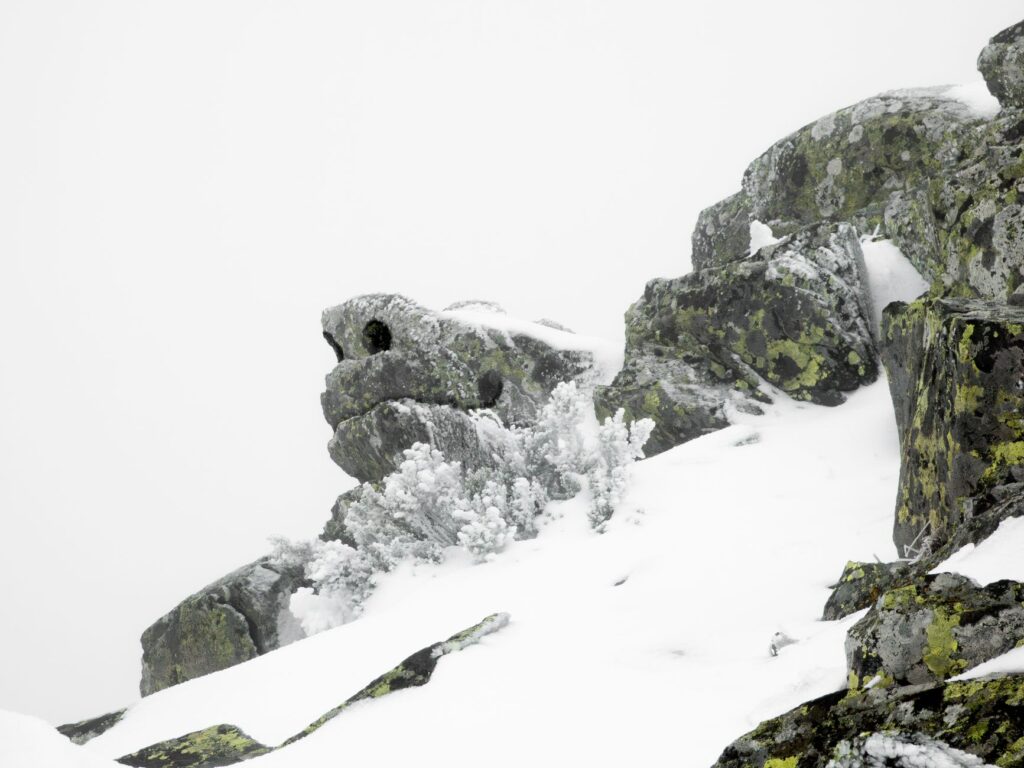
The true measure of health in the high mountains does not lie in the apparent stillness of their summits, but in the subtle resilience of the species that manage to transform rock and ice into their everyday home.
Anthropogenic Threats, Fragmentation, and Climate Change
Despite formal protections granted by figures such as the Sierra de Gredos Regional Park, mountain hare populations face complex challenges stemming from global and local human activity. Global warming is shifting thermal isotherms upward, causing a progressive reduction in the surface area with persistent snow cover and an altitudinal shift of Mediterranean scrublands, altering traditional ecological niches where the species has evolved for millennia.
Likewise, habitat fragmentation caused by road infrastructure, poorly planned forestry tracks, and the pressure of unregulated mass tourism in certain summer enclaves increases genetic isolation among subpopulations. Added to this are occasional epizootics and hunting pressure on the peripheral boundaries of the protected area, factors that erode genetic diversity and place upland populations in a state of latent vulnerability against any severe environmental stress event.
The Role of Scientific Research in Wildlife Management
To counteract population decline risks, conservation agencies and biological research teams have intensified demographic monitoring through non-invasive techniques. Genetic analysis of droppings collected along systematic transects, the use of camera traps, and nocturnal spotlight censuses allow researchers to estimate population densities and evaluate connectivity between different sectors of the massif without subjecting animals to capture stress.
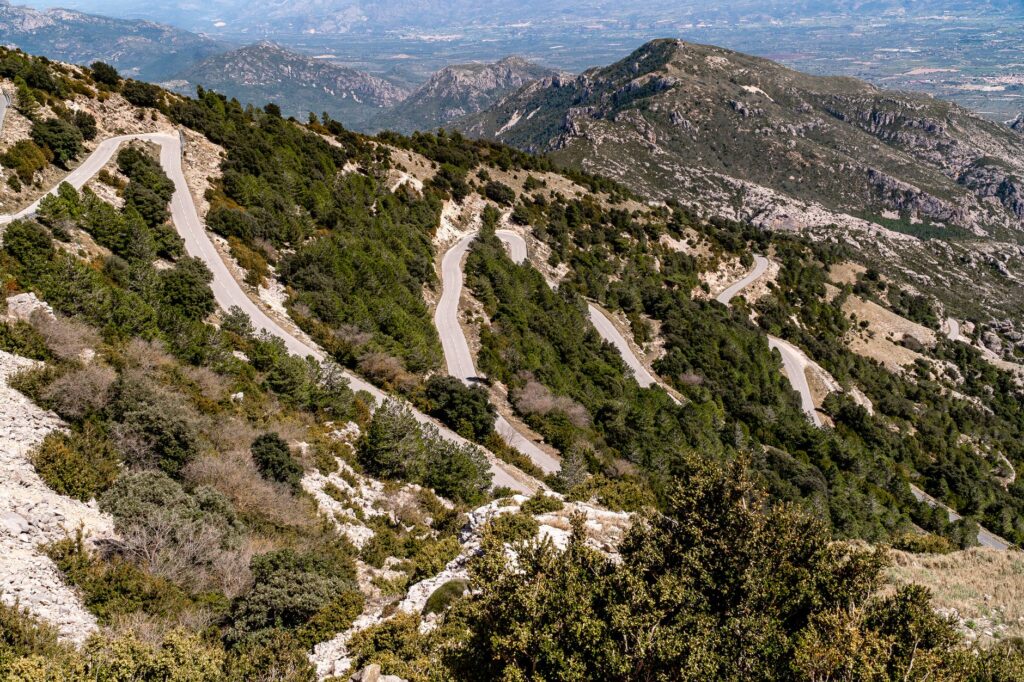
The data obtained reveal the urgency of designing ecological corridors that mitigate the impact of anthropogenic barriers and promote gene flow between the valleys of Gredos and neighboring ranges of the Central System. Collaboration between public administrations, local shepherds, and scientists remains indispensable to reconcile traditional livestock grazing with the strict preservation of the fragile ecological balances sustaining this and other emblematic species of Iberian natural heritage.
Practical guide
How to get there: The primary access to the Gredos massif is by road via the N-502, connecting from Ávila or Talavera de la Reina, or via the AV-941 traversing the upper Tormes valley and connecting key villages such as Barco de Ávila and Hoyos del Espino.
Best time to visit: The months of late spring and early summer offer stable weather conditions and an explosion of botanical and faunistic biodiversity, although autumn stands out for the chromatic uniqueness of the upland shrublands.
Observation recommendations: High-luminosity binoculars are essential, as is maintaining a prudent distance from authorized trails to avoid disturbing wildlife forms during crepuscular hours.
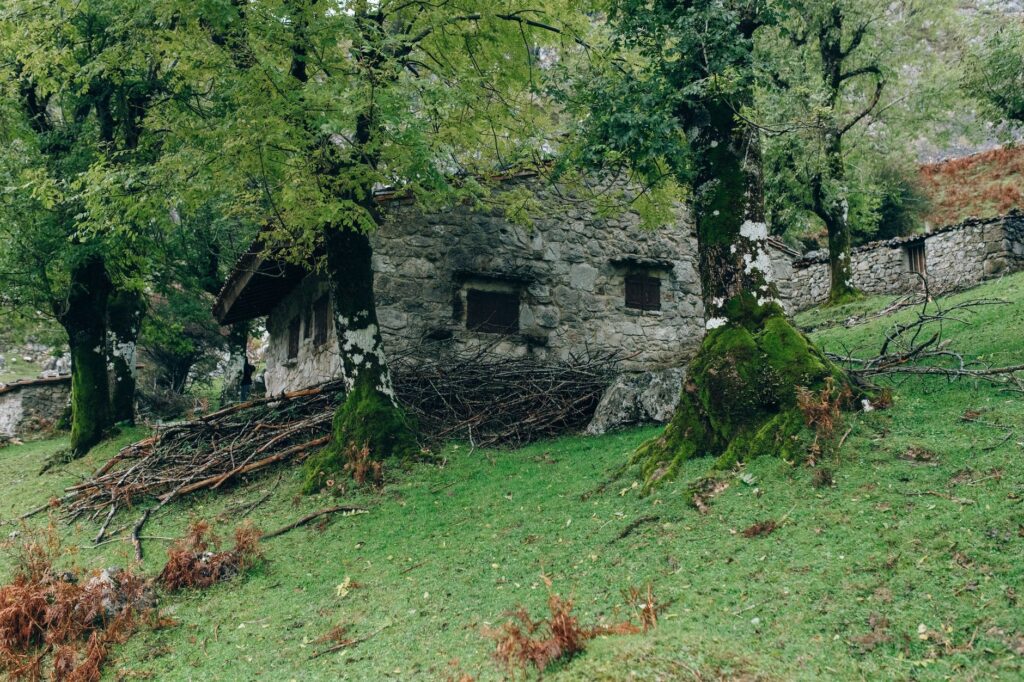
Protected area regulations: Venturing off marked trails in strict reserve zones, camping outside designated areas, and generating noise or waste that alters animal behavior are strictly prohibited.
Required equipment: High-ankle mountain boots, layered technical clothing capable of withstanding sudden temperature swings, high-SPF sun protection, and sufficient water reserves, as natural high-altitude water sources can be intermittent.
Final Reflection on the Silent Heartbeat of the Summits
Contemplating the slopes of Gredos at dusk, when golden light dyes the scrublands and the wind hushes the last murmurs of the day, is an exercise in humility before the immensity of natural cycles. The mountain hare, a discreet inhabitant of these granitic crests, embodies the tenacious resistance of life against climatic adversity and the shifting pressures of the modern world. Protecting its ancient habitat is not merely safeguarding a cornerstone of Iberian biodiversity, but preserving the right of the summits to retain their purest, wildest, and most silent heartbeat.