
The Vertical Geography of the Bosphorus and the Underground Imperative
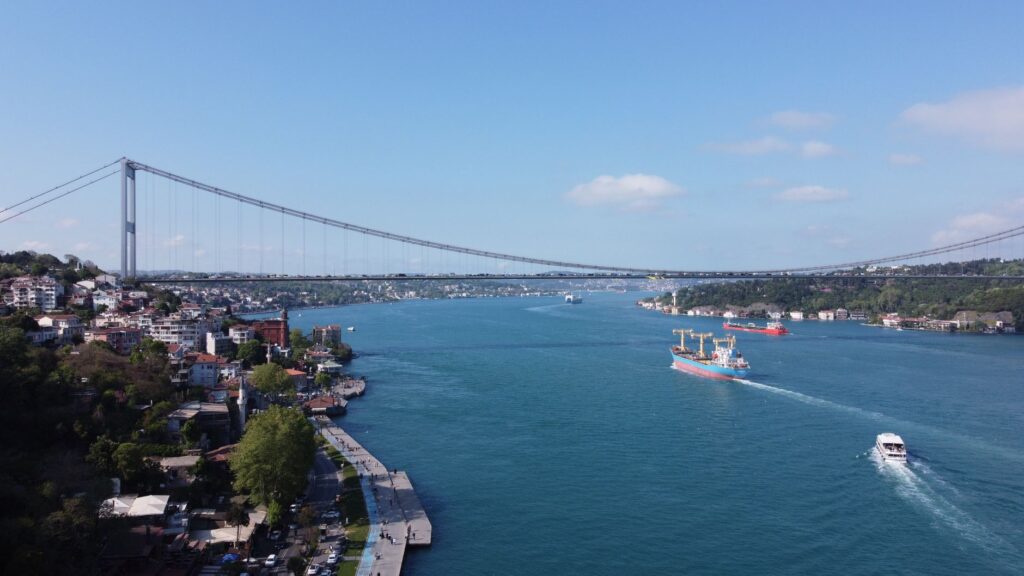
Istanbul is not merely a city of monumental mosques and bustling bazaars; it is, above all, a continuous exercise in negotiation with topography. Founded across seven hills that plunge abruptly toward the deep waters of the Bosphorus, the Golden Horn, and the Sea of Marmara, ancient Constantinople demanded mobility solutions from the dawn of the industrial era that defied the laws of urban gravity. While major European capitals expanded their networks across uniform plains via concentric boulevards, the Ottoman metropolis required an amphibious and vertical approach, where public transit did not merely move people from one neighborhood to another, but connected radically disparate geological and cultural worlds.
At the heart of this topographical mastery stands the Tünel, inaugurated in 1875. This was not a mere caprice of Victorian engineering, but a vital response to congestion generated by the commercial boom of the port districts of Galata and Karaköy versus the administrative and residential power of Péra or Beyoğlu, situated atop the hill. Overriding a gradient exceeding sixty meters across a mere half-kilometer linear route required conceiving an underground cable-driven railway, making Istanbul a global pioneer in urban cable-pulled metro systems, preceded only by London’s traditional steam-driven underground.
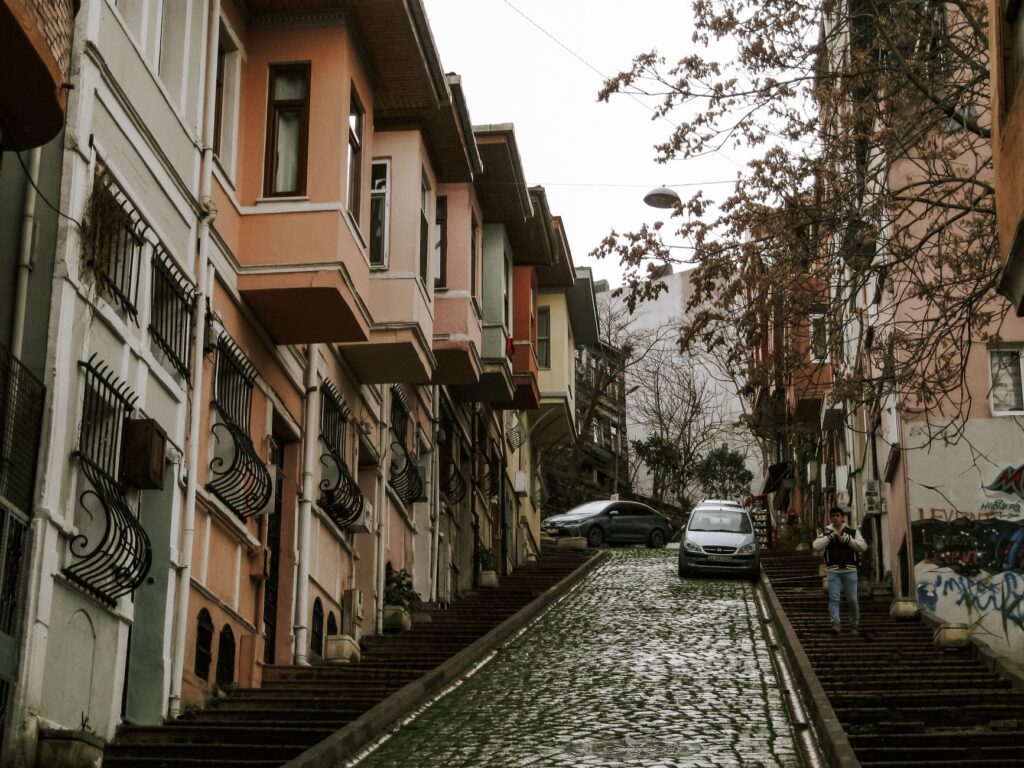
The genesis of this infrastructure responded to the visionary insight of French engineer Eugène Henri Gavand, who understood that the massive flow of merchants, diplomats, and sailors crossing the Galata Bridge ground to a halt at the foot of the hill. Narrow, steep cobblestone alleys—such as the iconic Yüksek Kaldırım—were impassable for heavy carriages during winter rains and exhausting for pedestrians. The Tünel was thus born to mend the city’s vertical fracture, establishing an invisible corridor linking maritime bustle with the European elegance of the Grand Rue de Péra, today known as İstiklal Avenue.
Cable Engineering and the Balance of Masses
The mechanical operation of the Tünel is a masterclass in physics applied to transport architecture. Unlike a conventional train propelled by independent electric motors in each carriage, the original system relied on a stationary steam engine housed in the upper station at Şişhane, which drove a massive traction drum. This drum set in motion a continuous high-strength steel cable to which two wooden counterbalanced trains were simultaneously hitched: as one descended loaded down the slope, its own weight helped pull up the convoy ascending from Karaköy.
This principle of mass equilibrium not only optimized energy consumption during an era when coal was a costly and strategic resource, but also guaranteed millimeter-level stability inside a tunnel hand-excavated through the clay and rocky substrate of the hill. Engineers had to contend with underground water seepage, unforeseen tectonic pressures, and the necessity of tracing a gentle curve along its underground route—a remarkable technical challenge for the civil engineering standards of the late 19th century.
Over the decades, technological modernization profoundly transformed the entrails of this railway corridor. In the 1970s, the steam-driven system was replaced by centralized electric motors, and the coaches were updated, swapping noble wood for lighter, safer metal structures. Yet the soul of the system remained intact: a synchronous, pendular movement that defies the breakneck pace of the modern megacity, offering passengers a ninety-second journey that functions as a time tunnel bridging two distinct eras of Ottoman and Republican history.
Social Fabric and Everyday Amphibious Mobility
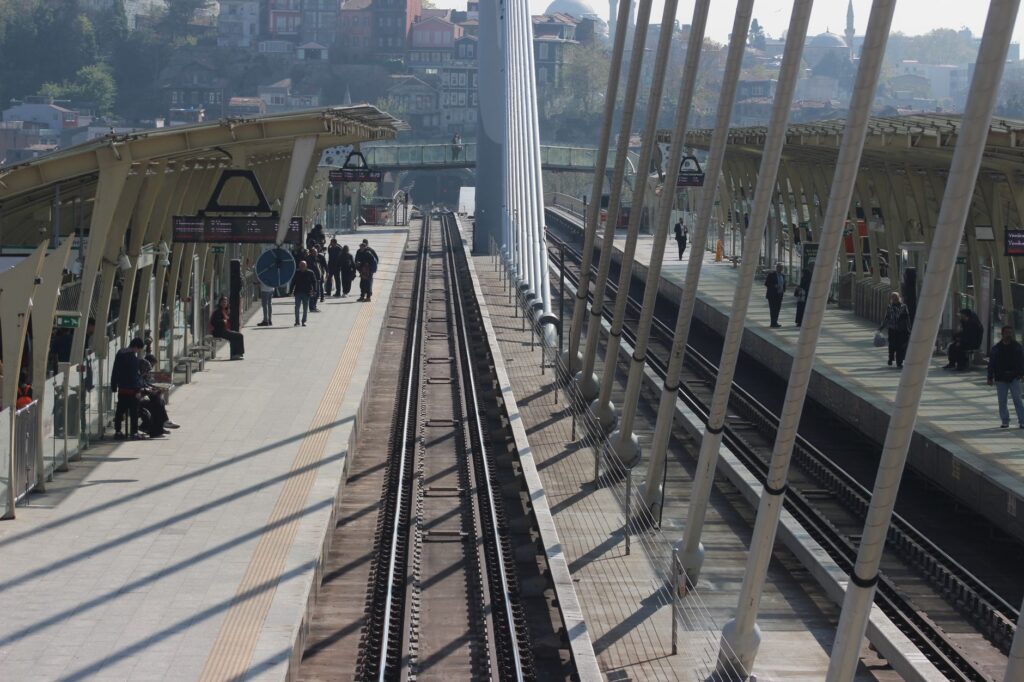
To grasp the true dimension of the Tünel and the modern funiculars subsequently integrated into Istanbul’s transit network—such as the line connecting Kabataş to Taksim or the Mecidiyeköy funicular system—one must observe their impact on the daily lives of residents. These are not tourist novelties designed solely for leisure, but vital arteries of a metropolis exceeding fifteen millions souls. Professionals, students, artisans, and locals use these infrastructures daily to bypass monumental traffic jams that paralyze the bridges and peripheral highways of the Bosphorus.
The experience of boarding these underground convos reveals a fascinating human choreography. Within seconds, passengers transition from the deafening roar of ferries crossing the strait to the silent gloom of the platforms, immediately emerging onto the vibrant surface of the upper districts. This capacity to transit seamlessly between the aquatic and elevated levels of the city defines Istanbul’s authentic amphibious mobility, where public transport acts as an unificatory element dissolving physical barriers imposed by natural geography.
Public transport in Istanbul is not merely a mechanism of geographical displacement, but the vital thread that mends the invisible wounds of a bicontinental and deeply fragmented topography.
Furthermore, these transport hubs function as social microcosms where multiple layers of contemporary Turkish identity converge. Alongside the strict business traveler in a tailored suit ride university students laden with books, street vendors navigating between districts, and tourists disoriented by the system’s silent efficiency. Tariff integration via the Istanbulkart smart card has further democratized access, enabling fluid intermodality among metro lines, historic trams, funiculars, and iconic maritime ferries.
Heritage Conservation Versus Real Estate Appetites
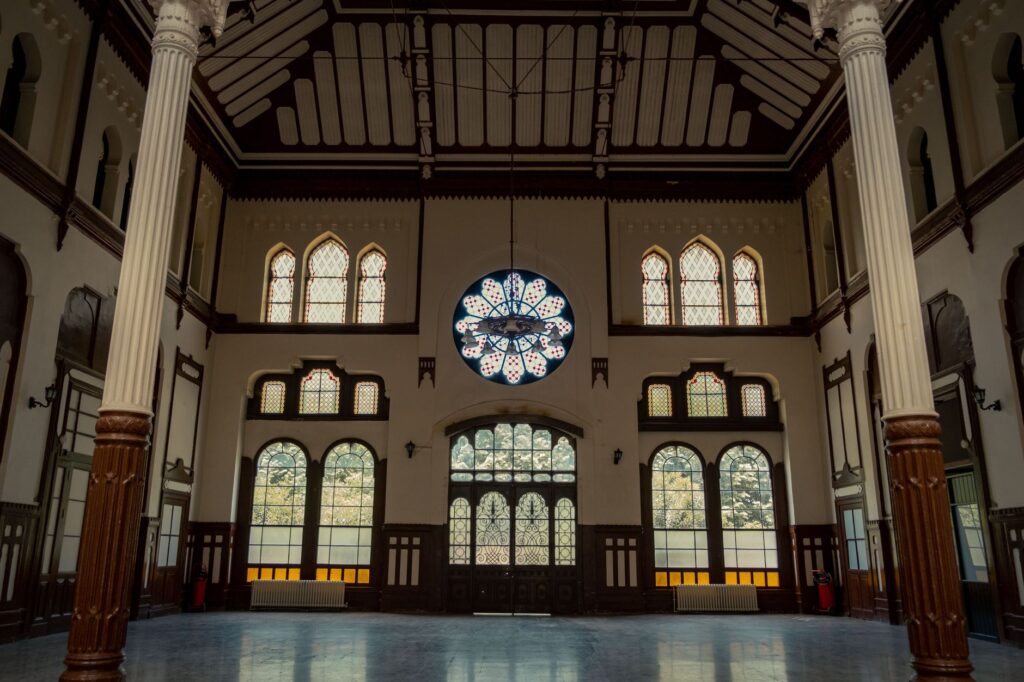
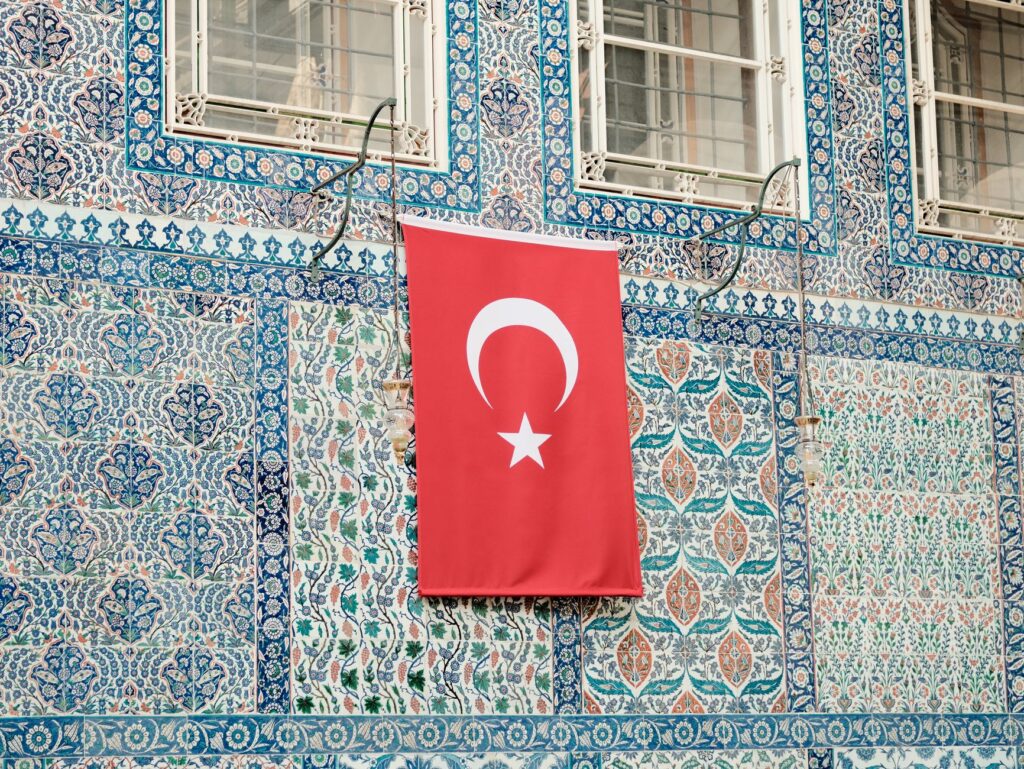
Maintaining centurial infrastructure in a seismically active zone like Istanbul poses colossal challenges for municipal authorities and transport engineers. The historic Tünel stations, with their European-inspired architectural details and traditional Ottoman tiles, demand constant restorations that balance strict heritage conservation regulations with contemporary demands for universal accessibility and emergency evacuation.
Over the years, the immediate urban surroundings of both stations have undergone radical transformations driven by real estate speculation and mass tourism. Former port warehouse zones in Karaköy have metamorphosed into cutting-edge cultural complexes and luxury hotels, while the Beyoğlu corridor struggles to preserve its traditional commercial fabric against global corporate homogenization. In this constantly boiling arena, the Tünel acts as an anchor of authenticity, a physical reminder that Istanbul’s modernization began long before the digital age.
Metropolitan public transit expansion plans continue to prioritize vertical integration via automated funiculars connecting new peripheral residential developments with trunk sub-fluvial metro lines, such as the Marmaray tunnel. This effort to stitch together the Bosphorus slopes demonstrates that the lesson learned in 1875 remains fully valid: in a city sculpted by water and rock, the future of sustainable mobility inexorably depends on mastering the third dimension.
Practical guide
Getting there: The Tünel directly connects the neighborhoods of Karaköy and Beyoğlu. The lower station sits just meters away from the ferry terminal and the T1 tram stop in Karaköy; the upper station opens at the foot of İstiklal Avenue, near Tünel Square.
Operating hours: Service typically runs from 07:00 to 22:45 hours, maintaining a frequent headway adapted to passenger demand throughout peak hours.
Payment system: Cash fares are not accepted onboard. It is essential to acquire and reload the contact-free Istanbulkart at ticket vending machines located at station entrances.
Accessibility: Historic stations have undergone various interventions to incorporate elevators and ramps, facilitating transit for passengers with reduced mobility and strollers, though checking for occasional maintenance-related service restrictions is advised.
Recommended intermodality: Combine the Tünel ride with a walking tour of the lively Asmalımescit neighborhood, or descend on foot via the historic and steep Yüksek Kaldırım street to appreciate the architectural transition between riverbank and hill.
The Suspended Echo in the Bosphorus’s Memory
When the traveler descends one last time to the underground platform and watches the iron convoy glide smoothly into darkness, propelled by the invisible force of the cable, they realize that Istanbul cannot be deciphered at first glance. The city demands a deliberate reading, attentive to the mechanical and human details that make daily life possible in a territory suspended between two seas and two continents. In the dull heartbeat of its engines and the ancient creaking of its tracks, the funiculars of the Bosphorus continue writing the secret chronicle of a metropolis that tamed the urban abyss to make it its greatest moving work of art.