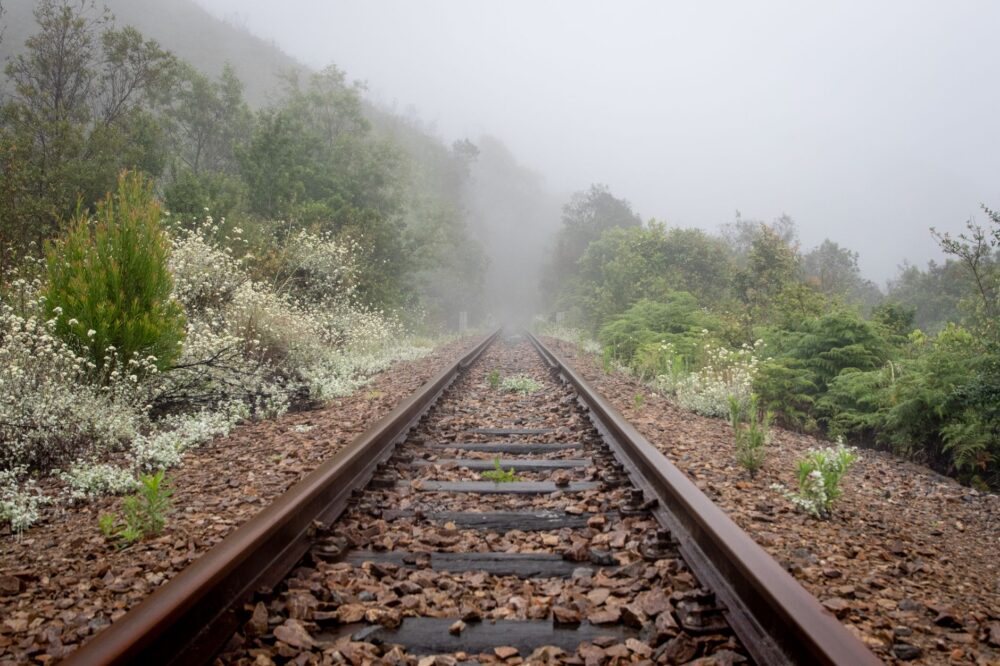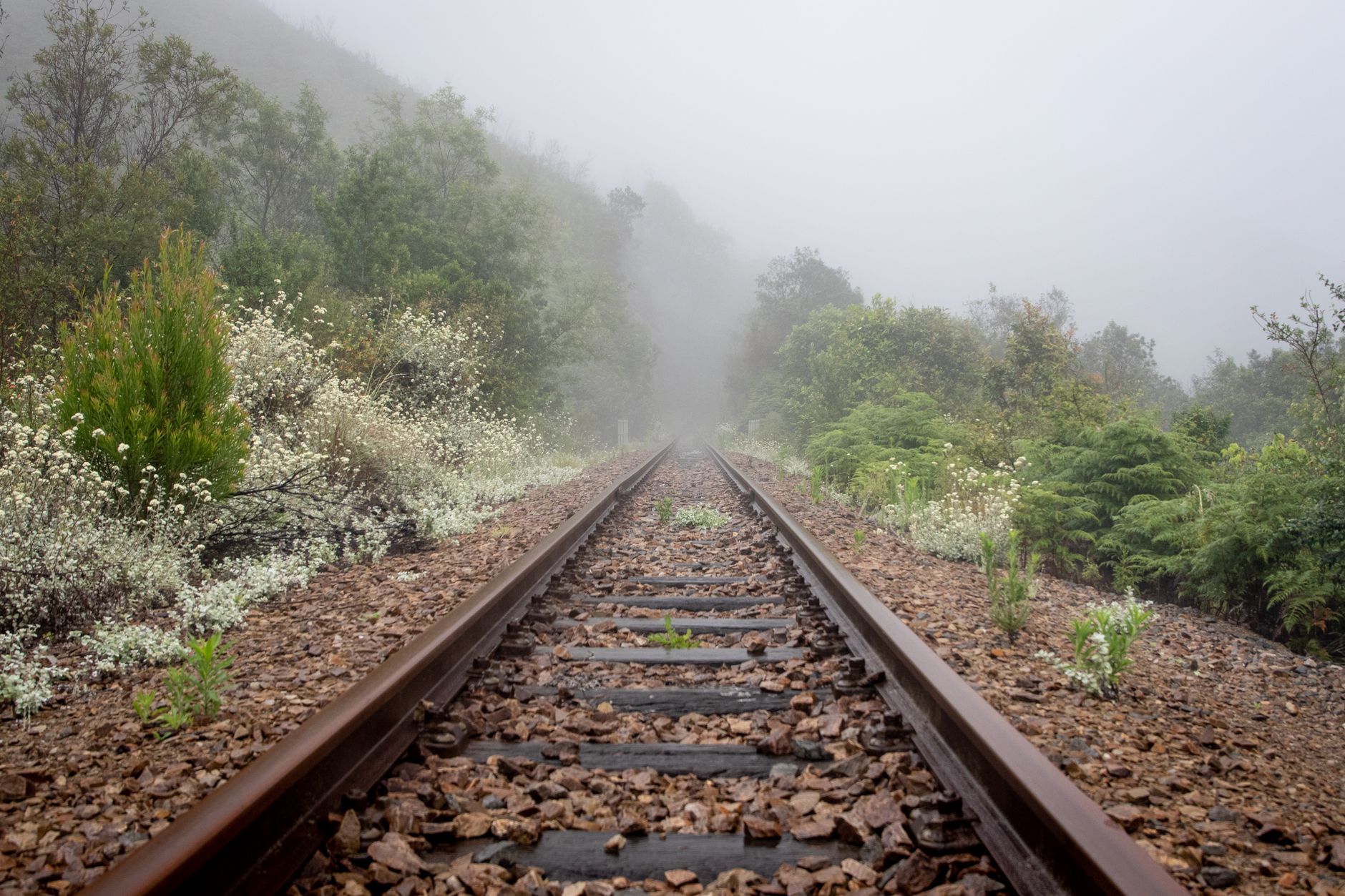

The Route of Timber and Mist
At the southern edge of the planet, where the roaring forties lash the Australian coastlines without respite, Tasmania hides one of the most fascinating and overlooked engineering feats in the Southern Hemisphere. The West Coast Range railway, historically known for its Abt rack-and-pinion system, is not merely a tourist transport route; it represents the iron scar that allowed mineral treasures to be ripped from mountains deemed impassable. For decades, this railway has served as the umbilical cord connecting remote mines and impenetrable valleys with the island’s coastal ports.
The genesis of this rail line responds to the sheer industrial urgency of the late 19th century. When copper and gold surfaced deep within Mount Lyell, extracting the ore meant defying vertical slopes and an unrelenting climate where rain and mud dominated the landscape. British and Swiss engineering joined forces to design a system capable of scaling gradients where conventional locomotives spun out helplessly. The result was a masterpiece of gears and racks that transformed the economic geography of the region.
The Roar of the Machine in the Heart of the Forest
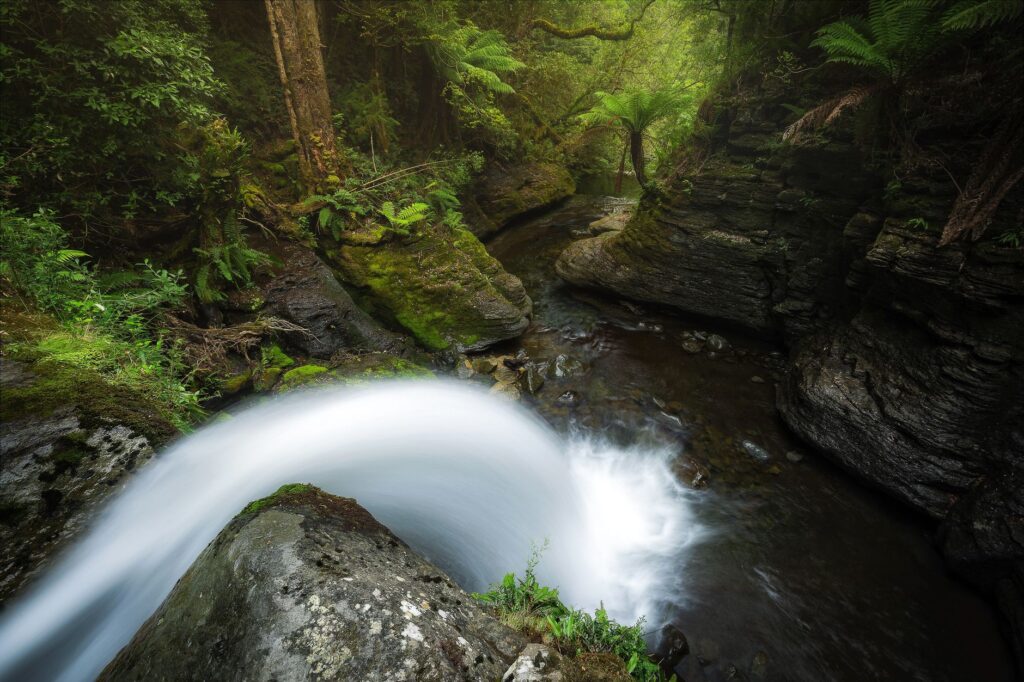
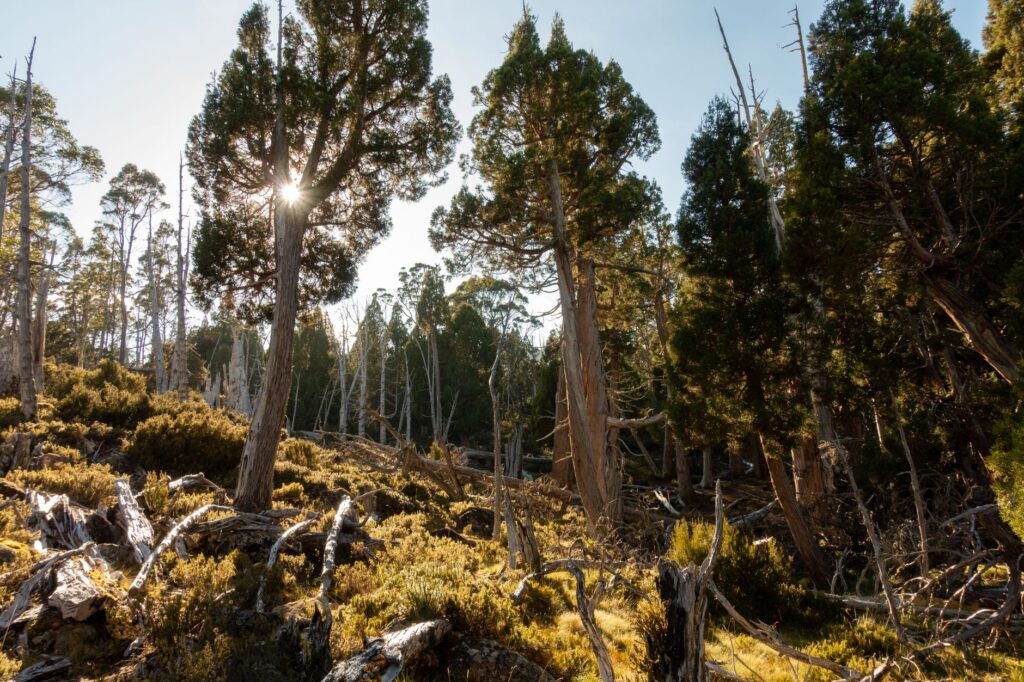
Venturing into this rail corridor is an immersion into a temperate rainforest where giant ferns and centuries-old Huon pines form an almost impenetrable canopy. The topography of Tasmania’s west coast is a labyrinth of river gorges and jagged ridges. Every kilometer of track demanded a titanic effort of manual excavation, where workers faced fevers, landslides, and absolute isolation. The line carried not only copper ore, but also the hope of settlers seeking prosperity within the confines of the British Empire.
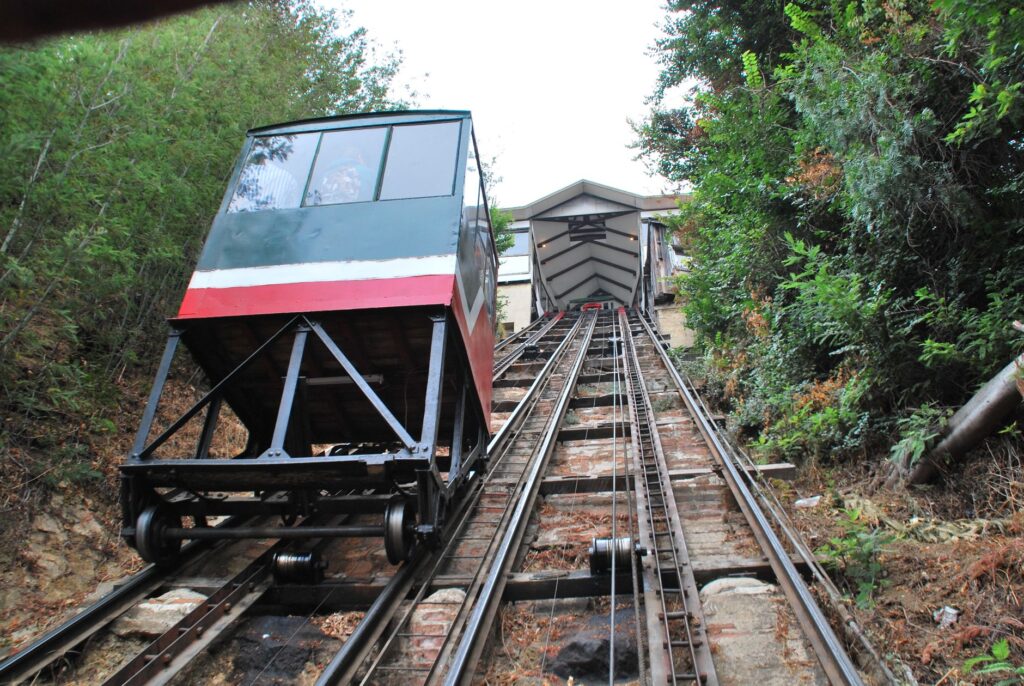
The Abt rack-and-pinion system, imported from the Swiss Alps, utilizes a central jagged third rail upon which the locomotive’s cogwheel engages. This mechanical mechanism allows the overcoming of gradients of up to one in sixteen, a prohibitive figure for any other terrestrial transport medium of its era. The millimeter-level precision of these gears prevented heavily laden mineral trains from plunging into the abysses of the King and Queen rivers. Today, the remnants of this technology continue to operate as a living monument to human ingenuity in the face of extreme adversity.
The Metamorphosis of Transport: From Mineral to Traveler
With the decline of the mining boom in the mid-20th century, the West Coast railway faced its greatest threat: obsolescence and abandonment. The tracks, devoured by tropical vegetation and battered by river floods, came close to vanishing forever. However, the heritage awareness of the local community and industrial history experts managed to rescue the route from oblivion, turning it into a global benchmark for industrial archaeology and environmental conservation.
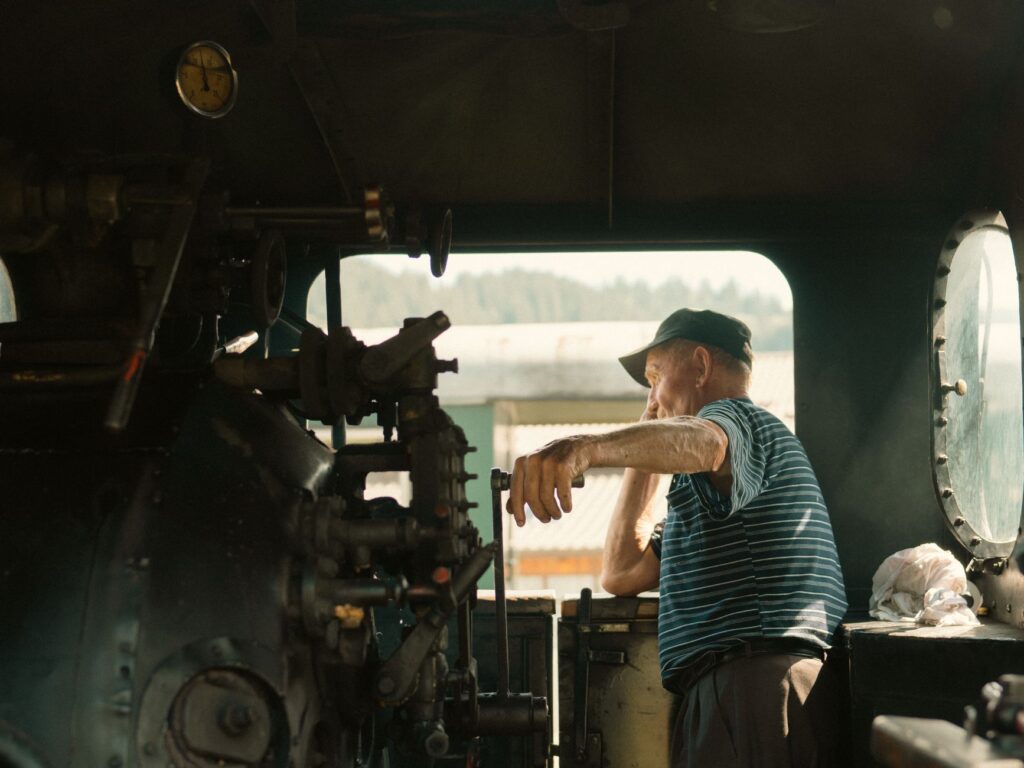
The transition from heavy freight line to passenger route required an artisanal restoration of the original steam locomotives. Specialized workshops dedicated to recovering nineteenth-century machinery worked for years to restore the shine to pistons, boilers, and gears. This process demonstrated that the value of such infrastructure lies not solely in its immediate economic profitability, but in its capacity to preserve collective memory and illustrate how humanity tamed the most hostile environments on Earth.
Iron does not merely unite geographical points; it also fixes in time the collective effort of those who refused to accept that nature was an insurmountable limit.
Today, travelers journeying along this route experience a radical deceleration. The pace imposed by the gradients and the contained power of steam forces a contemplation of the landscape with an attention unaccustomed in modern times. It is no longer about arriving quickly at a destination, but about understanding the titanic effort required to carve a breach in this green labyrinth, where every wooden tie tells a story of sweat, isolation, and resilience.
The Amphibious Geography of Rivers and Bridges
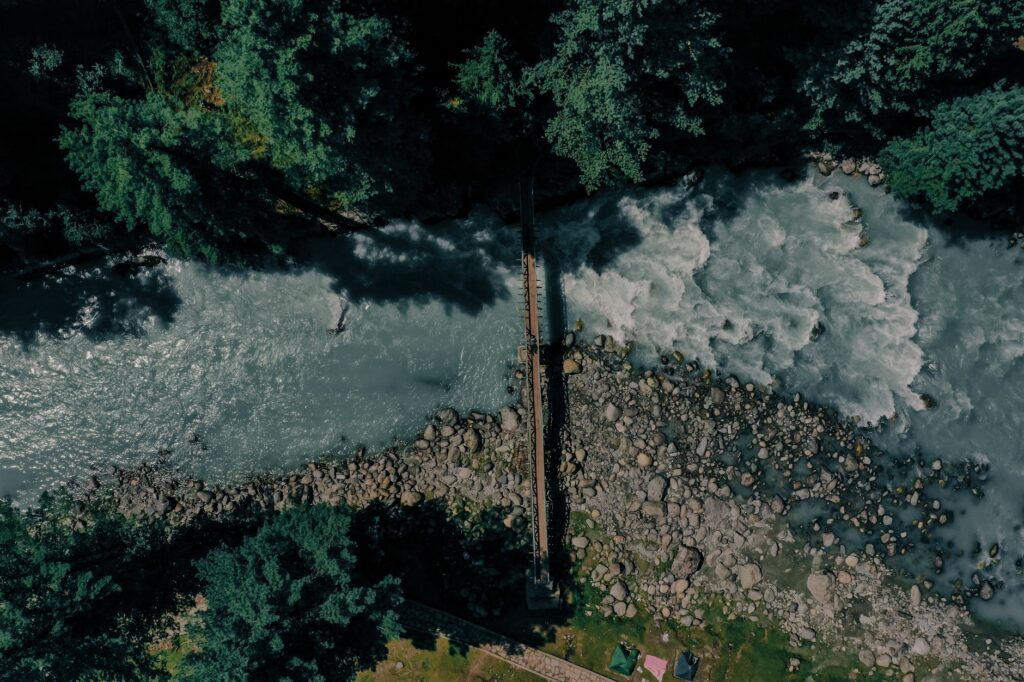
The railway does not advance over solid ground in a continuous fashion; it constantly interacts with water through a complex system of metal lattice bridges and embankments built over unstable bogs. The sudden floods of the King River, fueled by heavy downpours in the mountain range, have tested the solidity of these structures for over a century. Civil engineering had to adapt to an extreme hydrological regime, designing foundations capable of withstanding the erosive force of fast-flowing currents laden with mineral sediments.
This coexistence between the railway line and the fluvial environment defines the route’s amphibious essence. Trains cross gorges where morning mist clings to the carriages, creating a cinematic atmosphere that evokes the great geographical explorations of the nineteenth century. The conservation of these historic bridges requires constant underwater inspections and rigorous maintenance of the original stonework, ensuring that the structure retains its heritage integrity without altering the delicate ecological balance of Tasmania’s river basins.
Communities of Isolation and Railway Resistance
Along the line, small stations that once bustled with activity now stand as silent witnesses to a golden era. Settlements like Queenstown or Strahan owe their very existence to the railway. When modern roads did not yet exist, the train was the sole connecting link with the rest of the island for receiving medical supplies, mail, and fresh food. The sense of community forged among railway workers and their families in these isolated valleys gave rise to a unique working-class culture characterized by extreme solidarity and self-sufficiency in the face of weather adversities.
Interviews with the descendants of those engineers reveal a deep identity pride. For them, the train is not merely a mechanical artifact, but an extended family member that guaranteed the survival of several generations. Oral history collected in these valleys documents how rescues were organized during harsh southern winters, when snow and landslides completely blocked any terrestrial or maritime communication routes.
Practical guide
How to get there: The main starting point for exploring the historic railway is the town of Strahan, located on Tasmania’s west coast. It can be reached by rental car from Hobart (approximately 4.5 hours) or from Launceston (about 4 hours) via the scenic and winding A10 highway.
When to travel: The austral summer months, between December and February, offer the most stable weather conditions, though rain can appear at any time of year. Autumn (March to May) rewards visitors with spectacular golden and ochre hues in the temperate forests.
Booking tips: Tickets for the historic steam locomotives are strictly limited due to the capacity of the restored carriages. Booking several months in advance is essential, particularly if traveling during weekends or school holiday periods in Australia.
Logistics and equipment: Waterproof warm clothing and suitable footwear for walking on damp surfaces are recommended, as mountain temperatures can drop sharply even in the warmest months. Mobile phone coverage is absent across much of the railway stretch, so downloading maps and documentation beforehand is advisable.
The Echo of Steam in Australian Memory
On the threshold of the twenty-first century, when high-speed rail and digitization dominate global transport, stopping in this remote corner of Tasmania acquires the value of an act of cultural resistance. The faint whistle of the locomotive echoing between the gorge walls is not merely a heritage attraction, but a persistent evocation of a time when progress was measured by human tenacity against the untamed vastness of nature. At the end of the journey, when the steam slowly dissipates among the ferns and silence reclaims absolute dominion over the valley, the traveler understands that the true destination was never the end of the track, but the profound inner transformation left behind by the journey.