
The ascent begins in Xining, but the true metamorphosis occurs when the oxygen thins and the landscape sheds its last trees. This is not merely a rail journey; it is an incursion into a territory that, until just two decades ago, was considered geographically impregnable for mass transit. The Qinghai-Tibet Railway represents the culmination of a connectivity dream crossing the highest plateau on Earth, linking China’s heartland with the mystical Lhasa through stretches of eternal ice and plains where time seems to have frozen.
As the convoy pushes southwest, travelers experience a unique sensory transition. The carriages, designed with aerospace technology, become life-support capsules against the external hostility. This report breaks down the complexity of an infrastructure that does not just transport people but has redefined logistics, tourism, and the physiognomy of the Tibet Autonomous Region, raising questions about the balance between technical progress and the preservation of an extremely fragile ecosystem.
Taming the Frozen Ground: The Permafrost Engineering Feat
The greatest obstacle for engineers was not the altitude per se, but the ground upon which the tracks had to be laid. Over 550 kilometers of the route run over permafrost—ground that remains frozen year-round but becomes unstable with the slightest temperature rise. To prevent the train’s heat or seasonal climate change from sinking the infrastructure, a passive cooling system using thermosiphons was implemented: ammonia-filled tubes that extract heat from the ground to keep it solid.
This solution, visible from the windows as an endless row of metal posts flanking the tracks, is what allows the train to maintain speeds of up to 100 km/h in sections where any other construction would collapse. The precision is such that sensors monitor subsoil temperature in real-time, ensuring that thermal expansion does not compromise passenger safety.
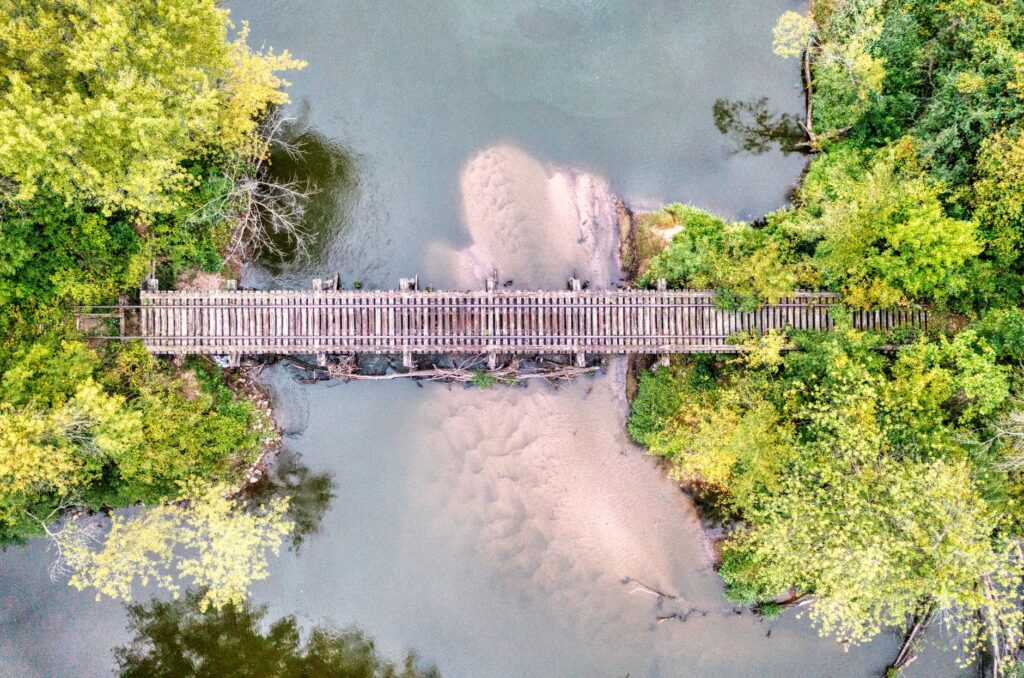
The railway is not just a work of engineering; it is a stability pact signed between modern technology and the most capricious geology of the Asian continent.
In addition to thermosiphons, long-span bridges were built specifically to avoid touching the frozen ground, allowing air to circulate underneath and enabling local wildlife, such as the Tibetan antelope, to migrate without interruption. This «minimum footprint» logistics was one of the strictest conditions imposed during the second construction phase, completed in 2006.
The Breath of the Highlands: Advanced Oxygen Enrichment Systems
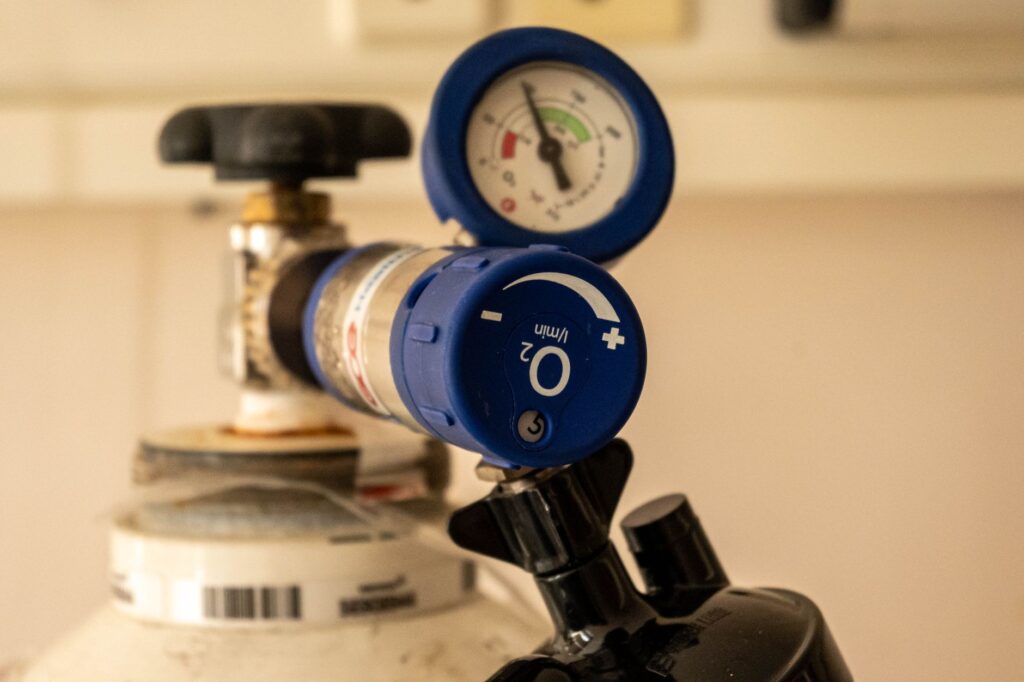
Crossing the Tanggula Pass at 5,072 meters subjects the human body to extreme conditions. At this height, the partial pressure of oxygen is nearly half that at sea level. To mitigate altitude sickness (soroche), the trains operating this route are anything but conventional. Each carriage features a dual oxygen enrichment system: one that releases oxygen into the general air conditioning and another through individual outlets located by every seat or bunk.
The window design is also unique. They use specialized glass with filters to block the intense ultraviolet radiation of the plateau, and are reinforced to withstand sandstorms and sudden external pressure changes. It is essentially an airplane on rails, where onboard staff are trained to provide immediate medical assistance for any symptoms of severe hypoxia.
Crossing the Hoh Xil: A Window into High-Altitude Wildlife
One of the most breathtaking stretches passes through the Hoh Xil Nature Reserve, a UNESCO World Heritage site. Here, human intervention is almost non-existent, except for the railway line. From the comfort of one’s seat, it is possible to spot herds of kiangs (wild asses) and elegant Tibetan antelopes running parallel to the train. Visibility is infinite due to the air’s purity, allowing views of snow-capped peaks hundreds of kilometers away.
Waste management in this environment is critical. Trains are equipped with closed vacuum systems so that no waste is discharged outside. Each transit station has specific treatment infrastructures, ensuring the train’s passage does not alter the chemical composition of the plateau’s scarce water resources, which are vital for high-mountain wetland ecosystems.
Gateway to the Clouds: The Design Language of Lhasa Station
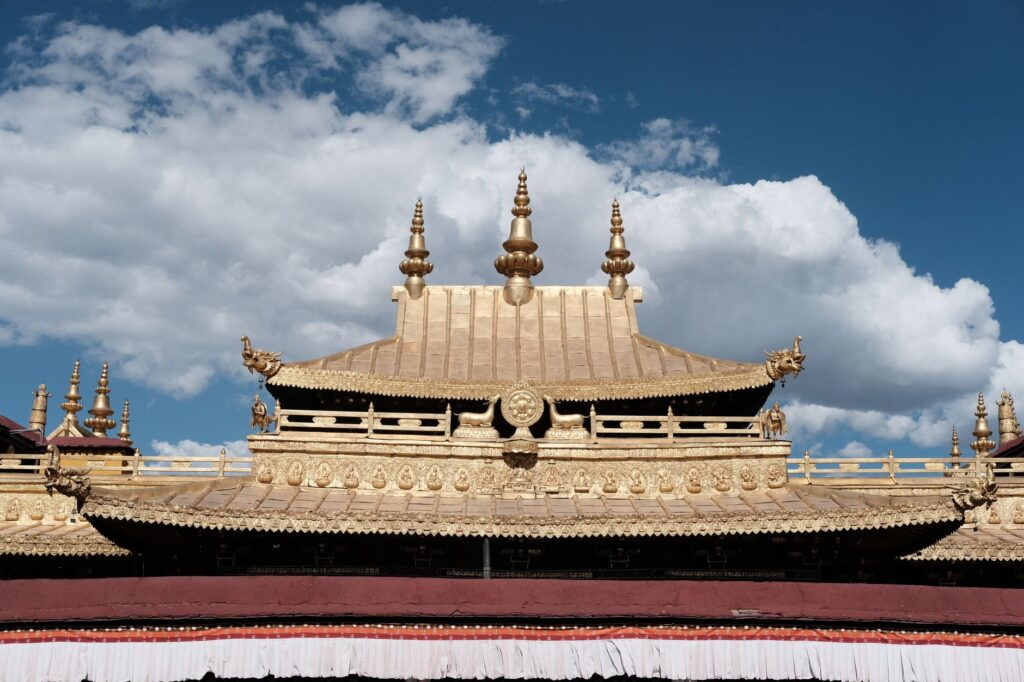
Arriving in Lhasa is not just the end of the line, but an encounter with architecture that seeks to dialogue with the Potala Palace. Lhasa Railway Station, located on the city’s outskirts, combines concrete and steel with traditional Tibetan motifs in red and white. Its dimensions are colossal, designed to manage a passenger flow that has grown exponentially since the line’s inauguration.
- Use of solar energy for lighting and heating in waiting areas.
- Integration of wide ramps and accesses to facilitate the movement of travelers with heavy luggage.
- Facades that mimic the sloping walls of ancient monasteries.
This terminal serves as the central hub for a network expanding toward Shigatse and, eventually, toward the borders with Nepal and India. Architecture here is not just functional; it is a statement of intent regarding Tibet’s integration into 21st-century high-speed networks.
A Microcosm of Tibet: Cultural Exchange on the Rails
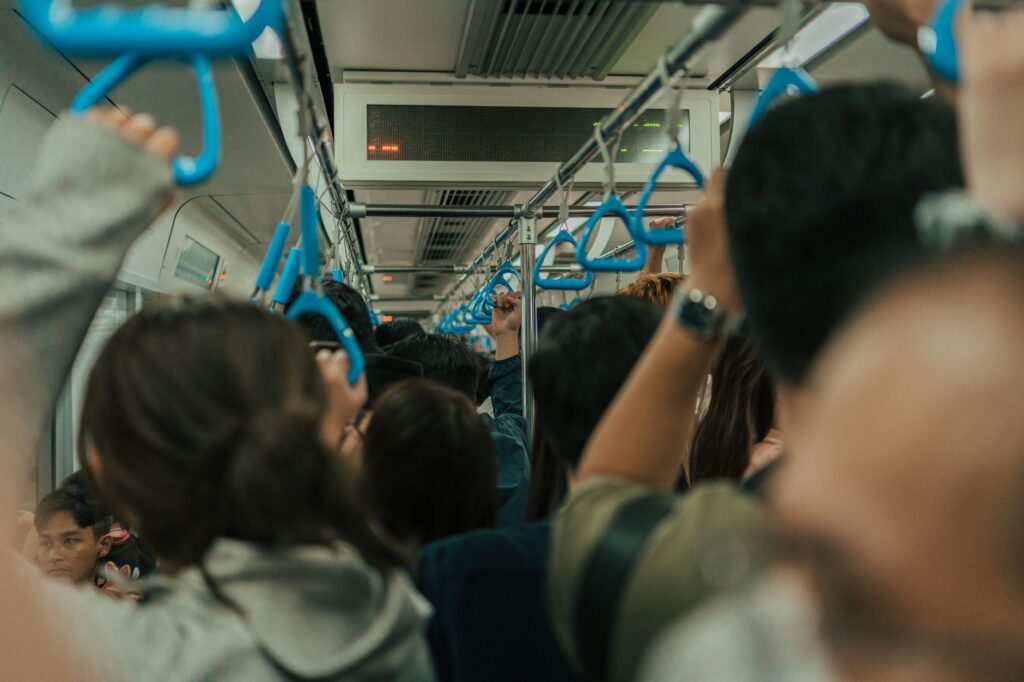
Inside the train, the demographics are fascinating. International tourists with high-end cameras mingle with saffron-robed Buddhist monks and local traders transporting goods from China’s inland provinces. The dining car is the social epicenter, serving everything from stir-fried vegetables to traditional yak butter tea, essential for fighting dehydration at high altitudes.
Despite the modern surroundings, traditions persist. It is common to see passengers reciting mantras with their prayer wheels while checking their smartphones. This coexistence of different eras and technologies defines contemporary Tibet: a region embracing connectivity without relinquishing its deeply rooted spiritual heritage.
Tanggula Pass: Reaching the Zenith of Global Rail
The literal and figurative high point is Tanggula Station. Although the train rarely stops for passengers to disembark due to the extreme risk of hypoxia, the view from the platform is the most photographed moment of the trip. Here, the air is so thin that colors appear more saturated, and the blue of the sky takes on an almost surreal depth.
Surpassing five thousand meters on a railway is a reminder that human will can carve paths even where the air refuses to sustain life.
The construction of this section was carried out under brutal weather conditions, with temperatures dropping below -40 degrees Celsius. Workers had to use constant oxygen masks, and every meter of track laid was a battle won against the wind and extreme cold. It stands as the highest monument to global railway logistics.
Economic Arteries: How Rail Changed the Roof of the World
Beyond tourism, the railway has transformed the local economy. Before 2006, transporting goods to Tibet relied exclusively on trucks that took days to cross dangerous mountain passes, often blocked by snow. Today, freight trains carry everything from construction materials and fuel to fresh produce, drastically reducing the cost of living in Lhasa.
This two-way flow has also allowed Tibetan products, such as mineral water from glaciers, yak wool, and medicinal herbs, to reach markets in Beijing and Shanghai in less than 48 hours. Connectivity has pulled many communities out of isolation, although it has also accelerated urbanization processes that are transforming the plateau’s social landscape.
Practical guide
To undertake this journey, planning must be meticulous due to special regional regulations. The first step is obtaining the Tibet Travel Permit, which must be managed through an authorized travel agency at least one month in advance. Without this physical document, it is impossible to board the train in Xining, Chengdu, or Beijing.
Regarding health, it is recommended to spend at least two days in Xining (2,200 m) for prior acclimation before boarding the train. During the trip, it is vital to drink plenty of water, avoid alcohol, and refrain from sudden physical exertion inside the carriage. Most travelers opt for the «Soft Sleeper» category (4-berth compartments) for greater privacy and comfort, though the «Hard Sleeper» (6-berth) offers a more immersive cultural experience.
The best times to travel are from May to October, when temperatures are milder and visibility is optimal. However, winter offers spectacular snowy landscapes and fewer crowds, in exchange for intense cold upon disembarking. Technical mountain clothing is essential, even if traveling in summer, as the plateau’s weather is highly unpredictable.
The Silence of the Plateau
As evening falls over the high plateau, the train seems to glide over a sea of golden shadows. The metallic clatter of the wheels is muffled by the vastness of the open space. It is at this moment that the traveler realizes the true value of this railway lies not just in speed or engineering, but in the ability to bring us closer to one of the world’s last pristine corners with renewed respect.
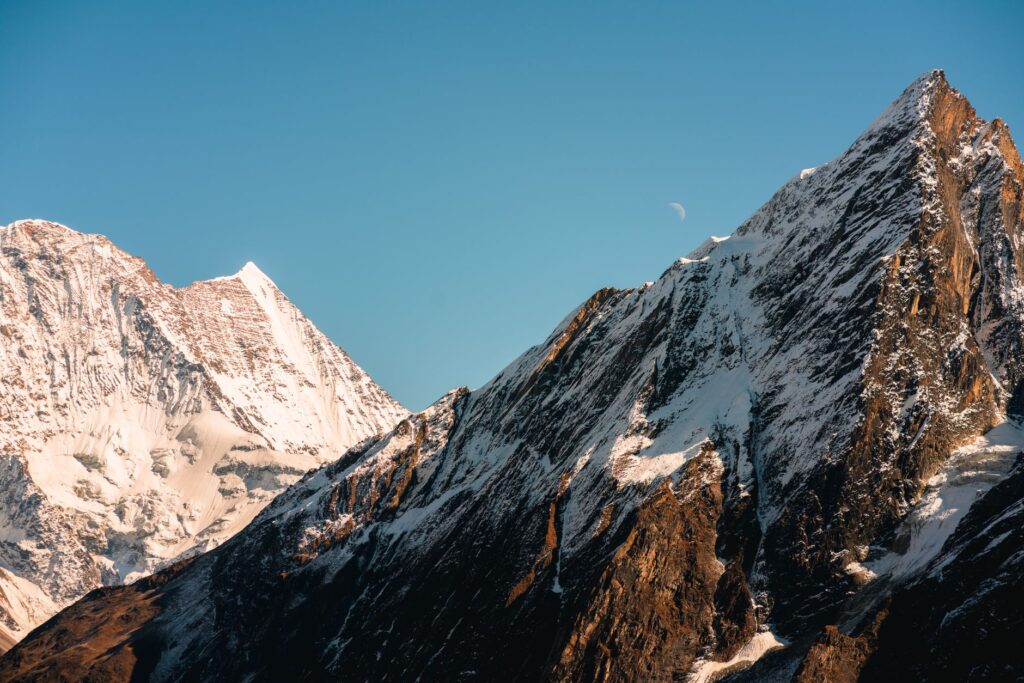
The image of a train cutting across the Tibetan horizon, with the Himalayan peaks as a backdrop, is a testament to the modern age: a precarious balance between human ambition and the majesty of a nature that, despite everything, still dictates the rules of the game in the heights.