
The visual embassy that crossed the Pacific
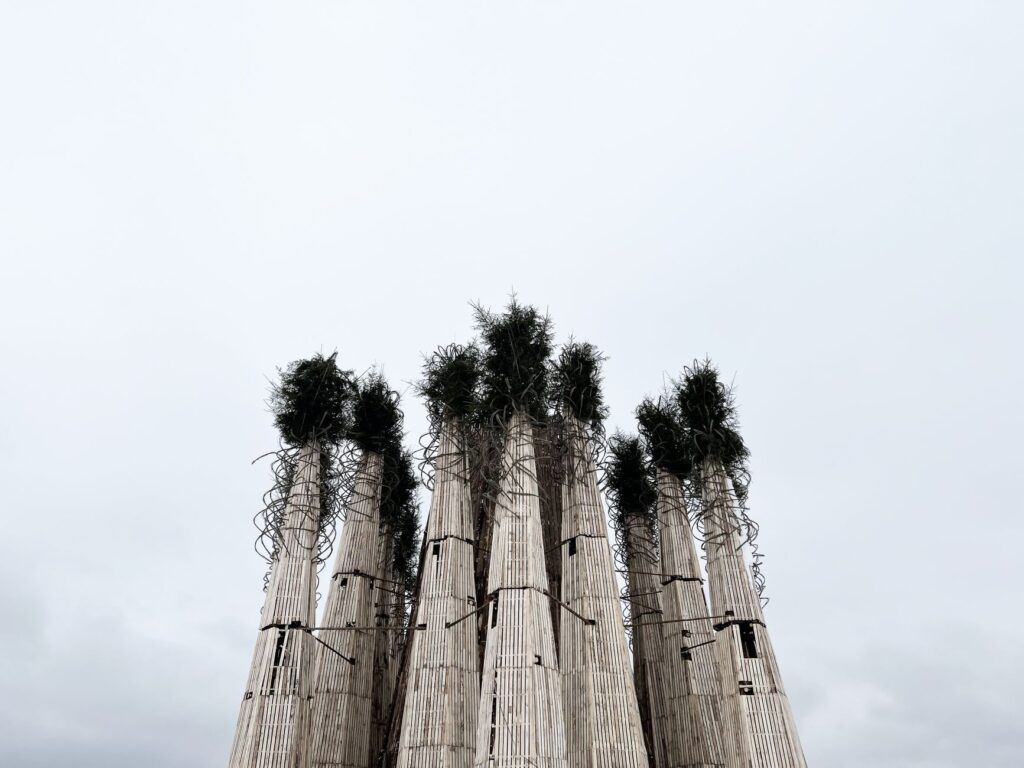
Beneath the crisp morning shadows of Tokyo, where towering glass and steel skyscrapers seem to slice through the clouds, an unexpected burst of earthy ochres, deep magentas, and vibrant greens disrupted the urban monotony. Inside the vast exhibition halls hosting Tourism Expo Japan 2026, the Mexican delegation erected an ephemeral yet striking sanctuary. Far from a conventional commercial booth, this was a museum-grade spatial intervention that reinterpreted Mesoamerican cosmology through contemporary design. Conceived by national architects and artists, the structure integrated local raw materials—such as black clay, certified tropical hardwoods, and thousands of marigold flowers arranged with millimeter precision—evoking both ancient sacrificial altars and the vertical gardens of modern Mexico City.
The accolade awarded to this pavilion was no accident; it reflects a sophisticated strategy of cultural diplomacy wherein high-end craftsmanship and visual arts act as silent, eloquent ambassadors. Japanese tourism authorities, renowned for their exacting aesthetic standards and appreciation of minimalist detail, were captivated by how seamlessly the pavilion married sobriety with Mexico’s characteristic visual baroque. The presence of live artisans—ranging from Oaxacan textile weavers to traditional mask makers from Michoacán—transformed the exhibition area into an open workshop where the Japanese public could witness the unbroken lineage of pre-Hispanic creative traditions persisting into the 21st century.
Ephemeral architecture: when space narrates collective memory
The architectural blueprint of the Mexican pavilion was structured around a spiral pathway, a subtle nod to the Aztec symbol of the conch shell and the cyclical movement of time within native calendars. Each exhibition module functioned as an independent gallery dedicated to a distinct cultural region, allowing visitors to journey from the Yucatán Peninsula to the central highlands without ever leaving the convention center. The perimeter walls, constructed from wooden lattice frameworks inspired by regional vernacular architecture in Jalisco, allowed shifting patterns of natural light and shadow to play across the space, simulating dusk falling over the ancient ruins of Monte Albán.
At the beating heart of the structure stood a hybrid digital and physical totem displaying aerial mapping of biosphere reserves and archaeological sites, accompanied by a soundscape blending tropical bird song with the rustle of wind through cloud forests. This deliberate fusion of cutting-edge technology and organic materiality demonstrated that Mexico’s cultural offerings are by no means confined to monumental past glories, but instead engage in a critical, ongoing dialogue with environmental challenges and the sustainability principles of modern tourism.
The ritual of the palate: culinary diplomacy across the archipelago
No true exploration of Mexican culture is complete without its culinary dimension, and Tokyo proved to be the ideal proving ground for the universal resonance of national flavors. Eschewing watered-down adaptations tailored for Asian palates, the pavilion’s culinary program doubled down on authenticity and gastronomic education. Guest chefs hailing from Puebla and Oaxaca conducted masterclasses on traditional moles, carefully elucidating the botanical complexity of dried chiles, seeds, and spices that compose sauces perfected over centuries.
Native corn occupied a place of honor during daily demonstrations. Through nixtamalization workshops adapted for international logistics, specialists explained how this ancient grain underpins the biocultural identity of the nation. Japanese visitors, whose own culinary traditions deeply prize ingredient provenance and purity, exhibited an extraordinary enthusiasm for understanding the nuanced differences among various heirloom corn varieties, establishing a profound philosophical bridge between the two gastronomic cultures.
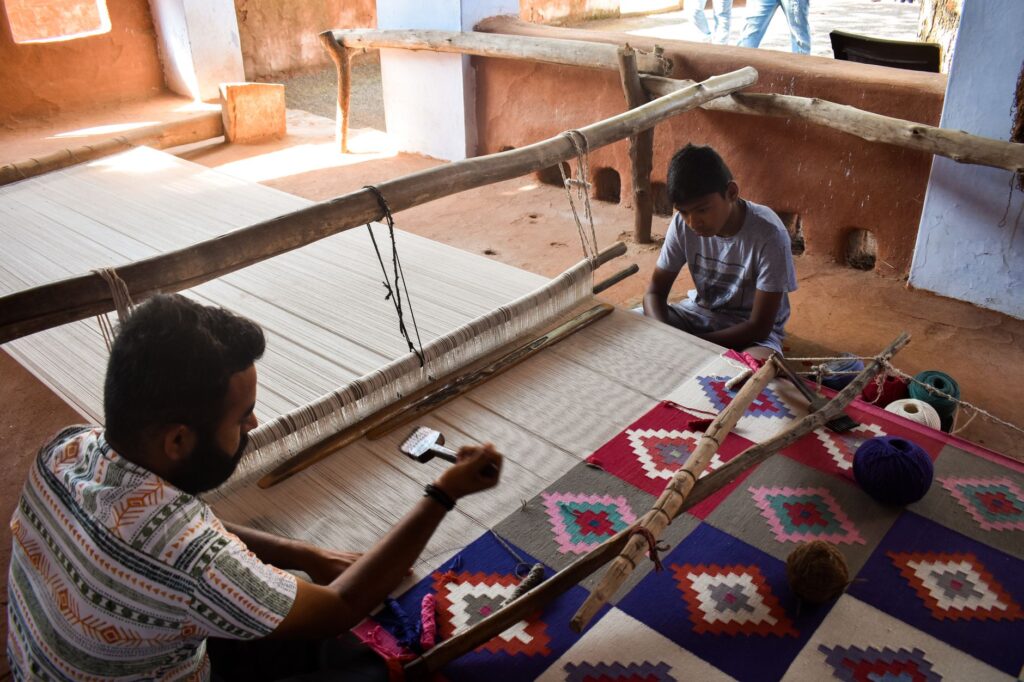
Mexican popular art is not a static relic of the past; it is a living, breathing language that transcends geographic distances and resonates deeply with the aesthetic sensibilities of other ancient civilizations.
The dialogue of gazes: Japan and Mexico facing the aesthetic mirror
Relations between Mexico and Japan boast a historical pedigree stretching back to the 17th century and the diplomatic mission of Sebastián Vizcaíno aboard the Manila Galleon; however, today’s artistic encounter draws energy from entirely contemporary affinities. Japanese creators working in industrial design and ceramics have long found inspiration in the chromatic and expressive works of modern Mexican masters such as Rufino Tamayo and Pedro Linares. The Tokyo trade fair served as a catalyst for this intellectual exchange, fostering high-level B2B meetings between Ginza gallerists and curators specializing in Latin American folk art.
During professional panels, participants debated the striking philosophical intersections between the Japanese concept of wabi-sabi—finding beauty in imperfection and impermanence—and Mexican baroque syncretism, where exuberance and mortality coexist in a permanent aesthetic dance. Local art critics noted that the national stand succeeded in communicating this profound complexity without succumbing to folkloric clichés, presenting Mexico as a sophisticated cultural powerhouse that equally values urban avant-garde movements and communal grassroots traditions.
The pulse of creative industries and living heritage
The recognition bestowed at Tourism Expo Japan 2026 highlights the rising economic and symbolic footprint of Mexico’s creative industries within Asian markets. Preliminary data shared by the national delegation pointed to a sustained surge in interest regarding long-stay tourism and specialized cultural itineraries, contrasting sharply with traditional mass-market sun-and-sand models. Japanese travelers, characterized by their high purchasing power and deep respect for heritage conservation norms, identified Mexico’s ‘Magic Towns’ and sacred art routes as top-tier priorities for upcoming transcontinental journeys.
Furthermore, experts emphasized the vital necessity of safeguarding the collective intellectual property rights of indigenous communities against the unauthorized international commercialization of traditional textiles and motifs. Masterclasses led by indigenous artisans during the expo underscored the urgent need for fair trade protocols and transparent supply chains, setting robust ethical guidelines for future creative collaborations between Asian design houses and producer cooperatives in states such as Chiapas, Guerrero, and Oaxaca.
Geographies of wonder: itineraries into the cultural heartland
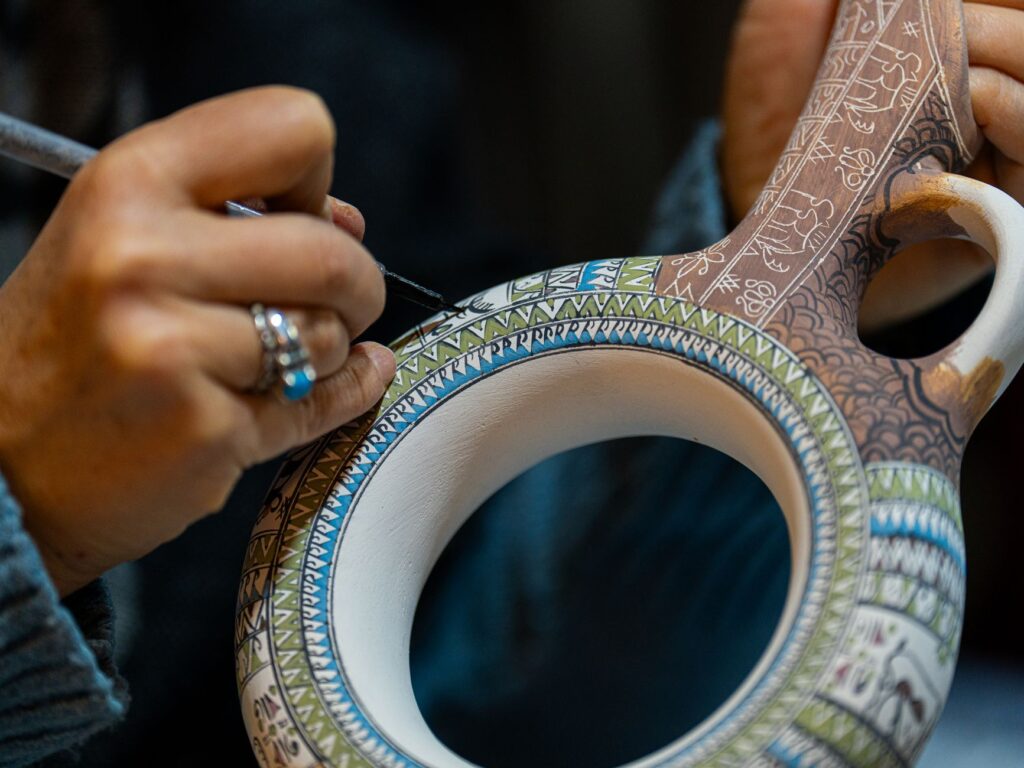
For travelers inspired by Mexico’s triumphant showcase in Tokyo who wish to embark on a lived exploration of the country, the territory offers an inexhaustible map of immersive experiences. From family-run ceramics workshops in Tonalá and Tlaquepaque to artisanal mezcal trails winding through the Central Valleys of Oaxaca, each region demands a slower, more contemplative rhythm of travel rooted in deep listening and keen observation. An ideal journey might begin at the National Museum of Anthropology in the capital, proceed toward lesser-known archaeological sites in the Mixteca Alta, and culminate in the tranquil lake communities of Michoacán during the vibrant November celebrations.
This variety of cultural tourism fosters a much-needed economic decentralization, directly benefiting rural households and guardians of intangible heritage. Sustainable tourism experts strongly recommend planning visits with certified local guides and prioritizing accommodations within community-run tourism networks, ensuring that every itinerary actively contributes to ecosystem regeneration and the preservation of native languages.
Practical guide
Getting there: Several major international airlines operate regular flights from Narita International Airport (NRT) and Haneda Airport (HND) in Tokyo to Mexico City International Airport (MEX), with convenient domestic connections to the country’s primary cultural hubs.
When to go: The months between October and May offer optimal weather conditions for exploring the highlands and southern regions, while frequently coinciding with significant folk art festivals and traditional celebrations.
Entry requirements: Japanese citizens do not require a tourist visa for stays under 180 days within Mexican territory, provided they present a valid passport and the standard immigration form upon arrival.
Currency and payments: The official currency is the Mexican peso (MXN). While credit cards are widely accepted in urban centers and major tourist zones, carrying cash remains essential for purchases in artisan markets and rural communities.
Health and safety: Travelers are advised to secure comprehensive international medical travel insurance and consult up-to-date advisory guidelines issued by consular authorities before undertaking journeys through mountainous or rural areas.
The eternal echo of a culture in perpetual motion
Thousands of miles away from Mexican shores, the rhythmic thrum of wooden drums, the warm fragrance of copal incense, and the striking chromatic intensity of indigenous textiles left an indelible mark on a discerning Tokyo audience. The accolade secured at Tourism Expo Japan 2026 far surpasses standard institutional promotion; it serves as undeniable confirmation that a nation’s true wealth lies in the irrepressible vitality of its collective imagination and the unwavering dignity of its artisan labor. As the exhibition hall doors finally closed and the sprawling Japanese metropolis reclaimed its glowing nighttime silhouette, a singular certainty lingered in the air: Mexican art, much like polished obsidian, possesses the rare capacity to reflect the brilliant light of the wider world without ever losing its original, ancient mystery.
Source in EN: ContraRéplica – México brilla en Japón: el stand nacional recibe reconocimiento en Tourism Expo Japan 2026.