
The bells of Guanajuato’s colonial churches have coexisted for over a decade with the discreet murmur of engineers, executives, and families hailing from Tokyo, Nagoya, and Osaka. This is neither a casual phenomenon nor a migratory coincidence: it is the result of an economic and cultural bridge quietly built between the industrial heartland of Mexico’s Bajío and the technological metropolises of the Japanese archipelago. Today, this mining territory seeks to establish itself not merely as an automotive manufacturing hub, but as an essential vacation destination for Japanese travelers seeking authenticity, history, and a narrative that transcends the traditional circuits of mass tourism.
To understand this transformation, one must observe how local tourism infrastructure has begun to adapt to very specific sensitivities. The integration of specialized routes, multilingual signage at strategic points, and the training of local guides in eastern hospitality —the celebrated omotenashi— shape a new map of hospitality. This report examines the keys to this tourism diplomacy, the challenges of bridging two seemingly distant cultures, and the real impact this opening has on local communities.
Industrial geography as a prelude to viceregal heritage
Guanajuato’s territory presents a fascinating duality that startles the contemporary traveler. Just past a toll booth, high-tech industrial complexes sit alongside arid canyons and ravines where time seems to have frozen in the eighteenth century. Visitors from Japan often arrive driven by work commitments in the automotive and autoparts sectors, settling primarily in municipalities such as Irapuato, Salamanca, Celaya, and the state capital. However, the leisure time of these residents and the tourists arriving on direct flights to the region has dynamized a network of weekend getaways toward historical enclaves.
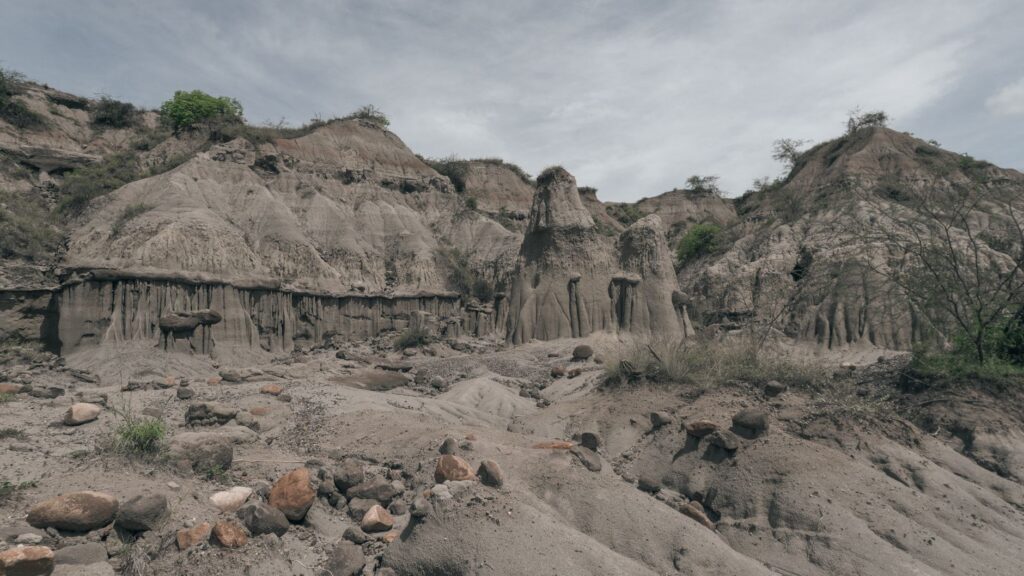
This transition from industrial asphalt to colonial cobblestone is never abrupt; it is articulated through secure highway corridors and a hotel infrastructure that has successfully incorporated international comfort standards without losing its vernacular character. Japanese engineers and executives find in the Bajío geography a stimulating contrast to the hyper-population of their native cities, particularly valuing the breadth of the horizons, the clarity of the evening skies, and the relative tranquility of public squares on weekdays.
The architectural pulse of alleys and mines
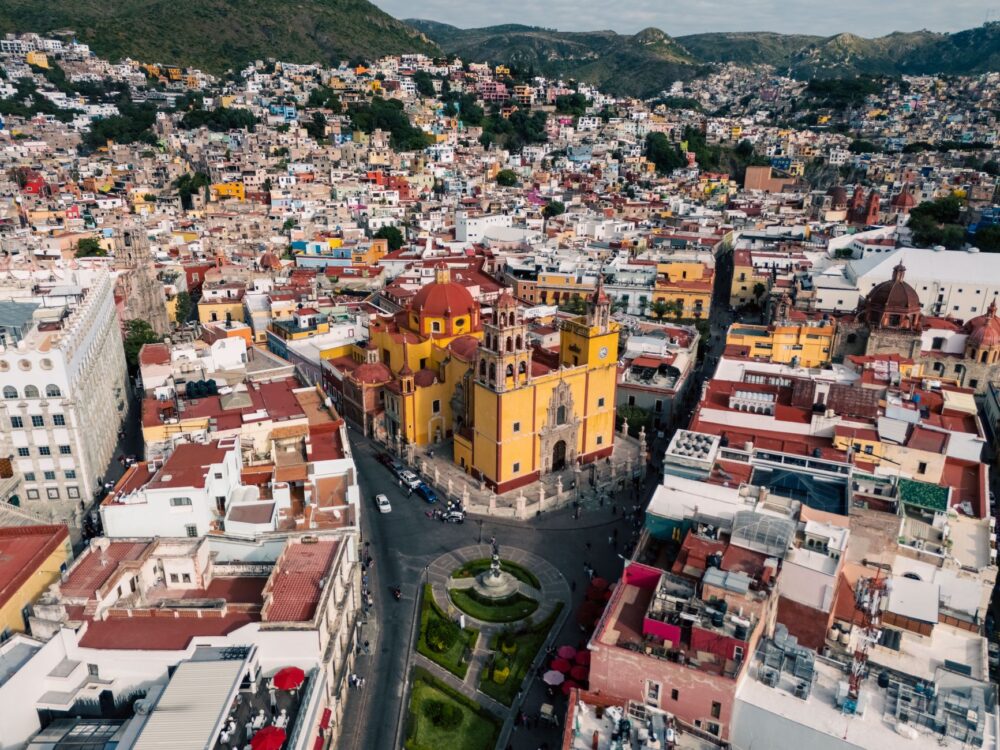
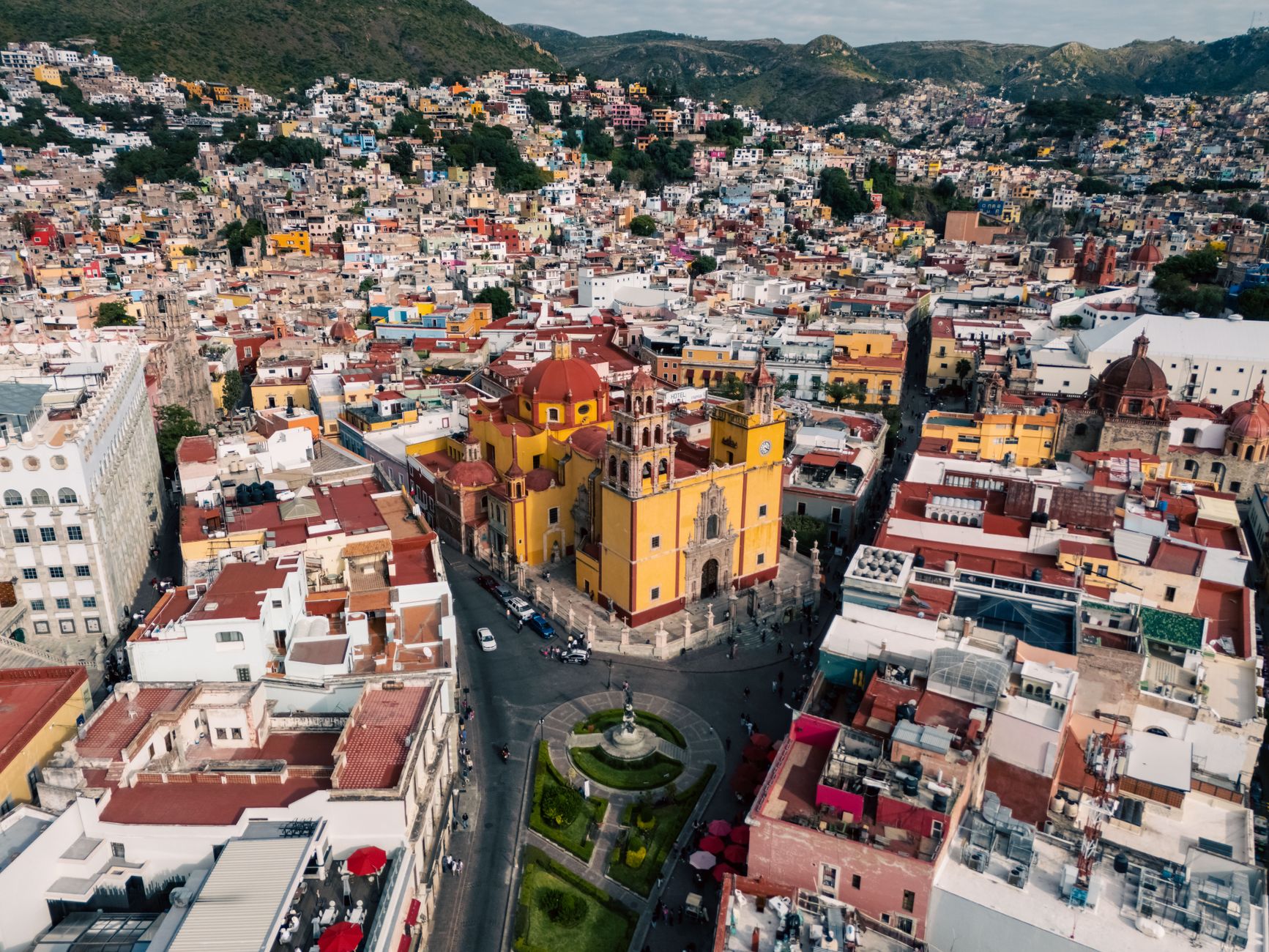
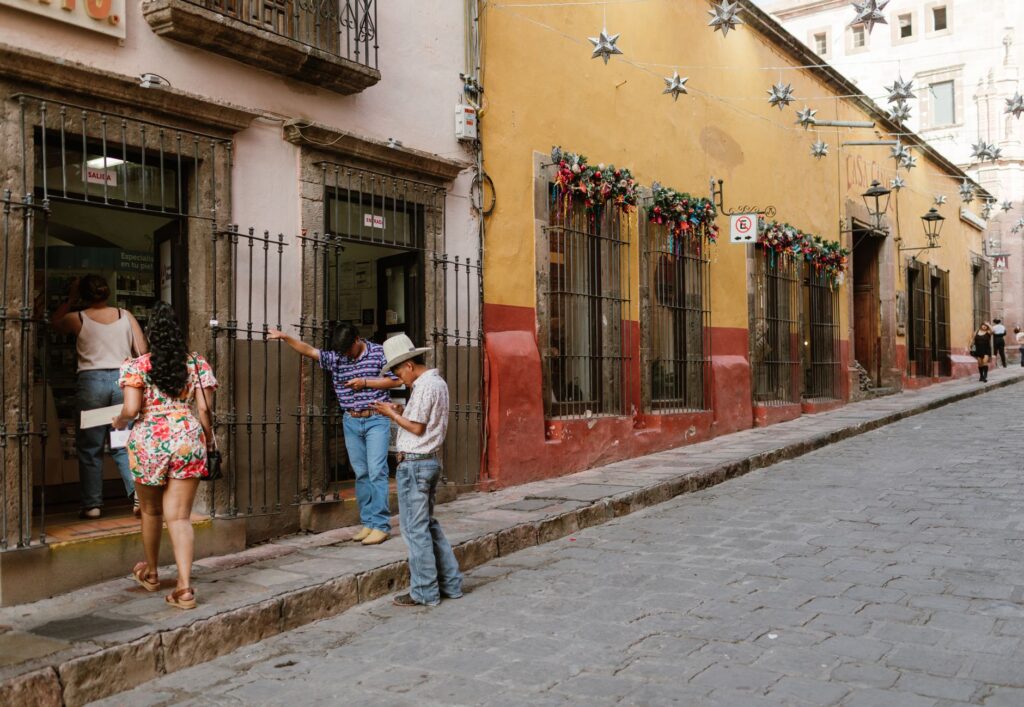
Few settings in Latin America possess the architectural density and topographical complexity of Guanajuato’s capital. Its underground streets, originally excavated to channel the Guanajuato River and prevent catastrophic flooding, offer a subterranean experience that often reminds Japanese travelers of Tokyo’s complex urban engineering. Emerging onto the surface, the city reveals a symphony of pink and green quarry stone, steep plazas, and viceregal facades climbing the hillsides of the ravine with a vertical harmony highly prized by those who value detailed spatial design.
Mining monuments, such as the imposing Valenciana with its filigree baroque temple in chiluca and quarry stone, act as cultural magnets. For the Japanese visitor, accustomed to a reverent relationship with artisanal tradition and specialized manual labor, the history of local miners extracting tons of silver and gold under extreme conditions resonates with profound aesthetic and historical empathy. Guided tours of deep mine shafts provide an understanding of the magnitude of a wealth that financed global empires and now survives as humanity’s shared heritage.
Mestizo flavor: the culinary challenge between chili and umami
Gastronomy represents one of the most delicate and fascinating bridges in this tourism attraction process. While traditional Guanajuato cuisine —characterized by miner’s enchiladas, drover’s gorditas, Celaya’s milk caramel, and the generous use of dried chilis— may initially prove challenging for palates accustomed to the mildness of dashi or sushi, culinary curiosity is sparking a subtle fusion in upscale restaurants across the region.
Local restaurateurs have begun incorporating Japanese cutting and presentation techniques into native ingredients, creating fusion experiences that respect the identity of local produce. Meanwhile, the Japanese community established in the Bajío has prompted the opening of authentic izakayas and ramen bars in Irapuato and León, generating a hybrid culinary ecosystem where tequila, mezcal, and sake coexist, proving that the table is the first territory where cultural differences dissolve in favor of shared pleasure.
Shared memory: archives and legacies of cultural diplomacy
Relations between Mexico and Japan are not new; they possess roots plunging deep into the seventeenth century with the embassy of Hasekura Tsunenaga and the galleon San Juan Bautista. In Guanajuato, this historical memory is cultivated through academic exchanges and discreet yet steady municipal sister cities initiatives. Local museums and cultural centers have begun programming temporary exhibitions exploring these centuries-old ties, drawing both historians and curious tourists eager to discover New Spain’s transpacific connections.
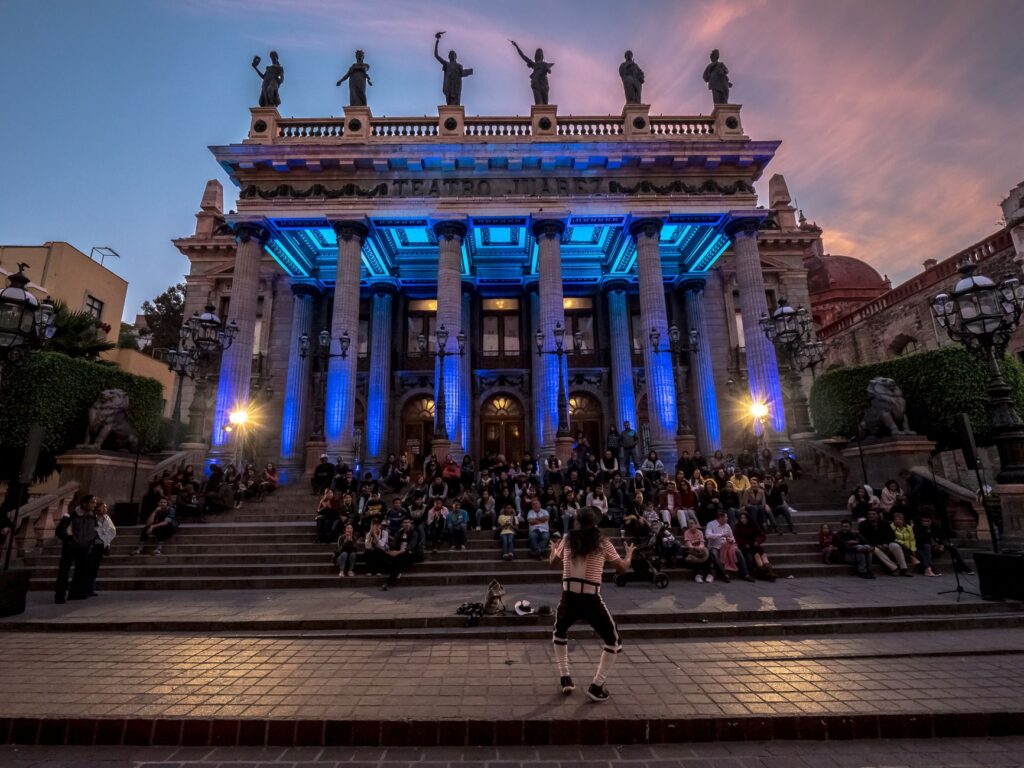
This historical dimension endows the journey with an intellectual depth that transcends mere vacation leisure. For the Japanese traveler, who typically plans trips with a rigorous didactic interest, exploring viceregal archives and colonial trade routes provides a framework of meaning that validates the tourism experience. Local institutions have responded by publishing brochures and digital guides in flawless Japanese, facilitating access to chronicles and travelogues connecting Mexico’s mining past with eastern aesthetic sensibility.
The art of silence: spaces of contemplation in the Bajío
One of the most remarkable discoveries for Japanese visitors in Guanajuato is the capacity to find spaces of profound introspection amid the festive intensity of Mexican culture. Monastic gardens, convent courtyards, and the vast atriums of colonial churches offer a stillness that directly dialogues with the tradition of Zen gardens and Shinto sacred enclosures. Places like the Ex-Convent of San Diego or the more secluded corners of the Guanajuato Bicentennial Park invite pause and unhurried observation.
This communion between New Spanish religious architecture and the pursuit of inner silence has become one of the most subtle selling points for specialized agencies. Wellness and spiritual disconnection tourism are promoted, emphasizing that the leisurely pace of the Mexican province offers a healthy alternative to the vertigo of Asian megacities. Thus, the journey transforms into an exercise in mental balance, where visual beauty merges with environmental peace.
True hospitality does not consist in replicating a distant home, but in making the traveler recognize a fragment of their own soul within a strange landscape.
Practical guide
Getting there: Bajío International Airport (BJX) receives seamless domestic and international connections. Flights from Mexico City and Monterrey connect directly with major global hubs.
When to go: The months from October to May offer the mildest and driest weather, ideal for walking steep streets without the burden of summer heat or heavy rains.
Accommodation: It is recommended to alternate boutique hotels in the historic center of Guanajuato capital with stays in restored haciendas across the industrial corridor.

Mobility requirements: Private ride-hailing apps are safe and efficient in major cities; for exploring canyons and vineyards, hiring local chauffeured vehicles is advised.
Cultural etiquette: Local guides trained in Japanese tourist care facilitate understanding of the state’s commercial and social dynamics.
The echo of the final sunset over the pink quarry stone
When afternoon fades over Guanajuato’s domes and rooftops, the sunlight acquires a golden density that local painters have sought to capture for centuries. At that precise moment, the alleys empty of bustling groups and recover an almost theatrical intimacy. Seated on a high terrace, watching the lengthening shadows of pepper trees and baroque towers merge with the arid horizon, the visitor understands that this destination is not a mere exotic postcard, but a point of convergence where two ancient civilizations have chosen to look each other in the eye without haste, discovering in their differences the finest excuse for a long and fruitful mutual understanding.