
A Horizon of Metal and Fuel Reshaping the Map
Sunsets over the Pacific Ocean are traditionally witnessed through the fogged window of an aircraft preparing for a technical stopover in Los Angeles, Dubai, or Singapore. That familiar vignette, etched into the collective memory of millions of transpacific travelers, is nearing its expiration date. Qantas Airways has confirmed that its nonstop commercial routes between New York and Sydney will officially take off in 2028. This ambitious milestone, dubbed Project Sunrise, is far more than a triumph of modern aeronautical engineering; it is the culmination of a strategic endeavor to connect the planet’s most distant financial and cultural hubs in a single continuous journey.
Australia’s flag carrier has had to navigate numerous hurdles to turn this promise into reality. Global supply chain delays and the intricate certification process for ultra-long-range aircraft have pushed back the initial timeline, but the company’s resolve remains unshakable. When the first passengers board these state-of-the-art jets, they will complete a journey lasting over 19 hours, arriving just months after the inauguration of the 22-hour direct flights between Sydney and London. Distance, that perennial adversary of the contemporary traveler, shrinks to a mere blink on the navigation screen.
The Human Element at the Heart of the Cabin
Flying for nearly an entire day within a pressurized environment raises profound questions about ergonomics, fatigue, and physical well-being. Rather than squeezing available space to maximize seat revenue, Qantas has engineered a less dense interior configuration for its A350-1000 fleet. Economy passengers will have access to a dedicated stretch and wellness zone, an unusual touch that acknowledges the physiological needs of a flight of this magnitude. The airline has worked closely with medical and scientific teams from the Charles Perkins Centre at the University of Sydney to study the impact of extreme jet lag and prolonged confinement.

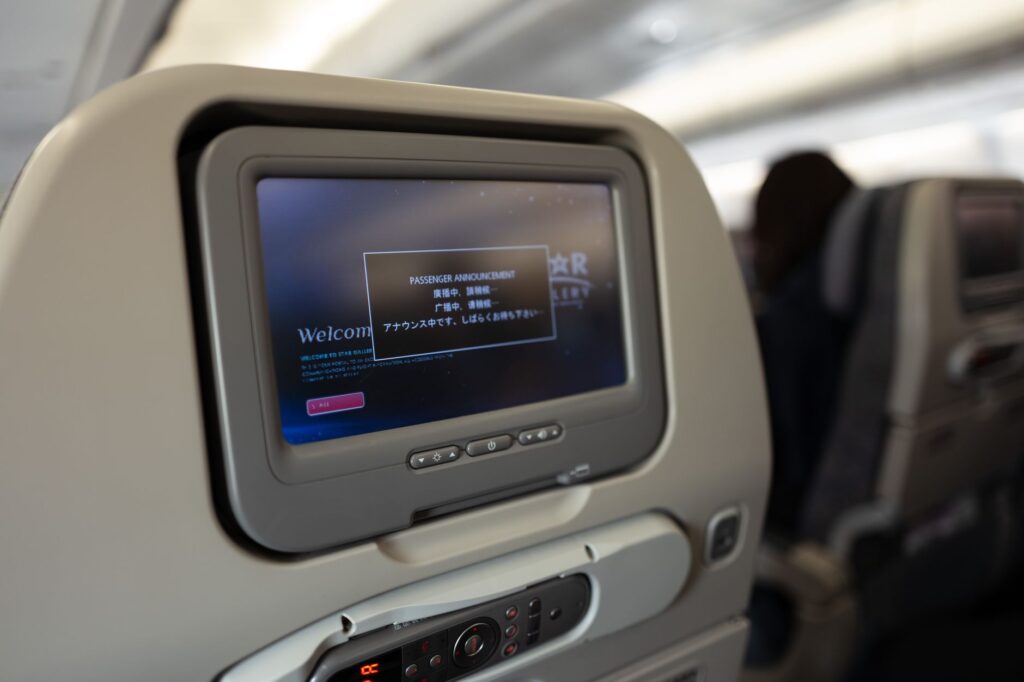
These investigations have resulted in a comprehensive program featuring circadian lighting cycles tailored to minimize jet lag, specific nutritional guidelines, and menus designed to promote digestion at 35,000 feet. In-flight wellness shifts from a marketing slogan to a meticulously controlled medical variable. Flight deck crews and cabin attendants also benefit from these precautions, enjoying soundproof rest compartments and rigorously regulated work shifts to ensure maximum operational safety at all times.
The Engineering Behind the Transoceanic Feat
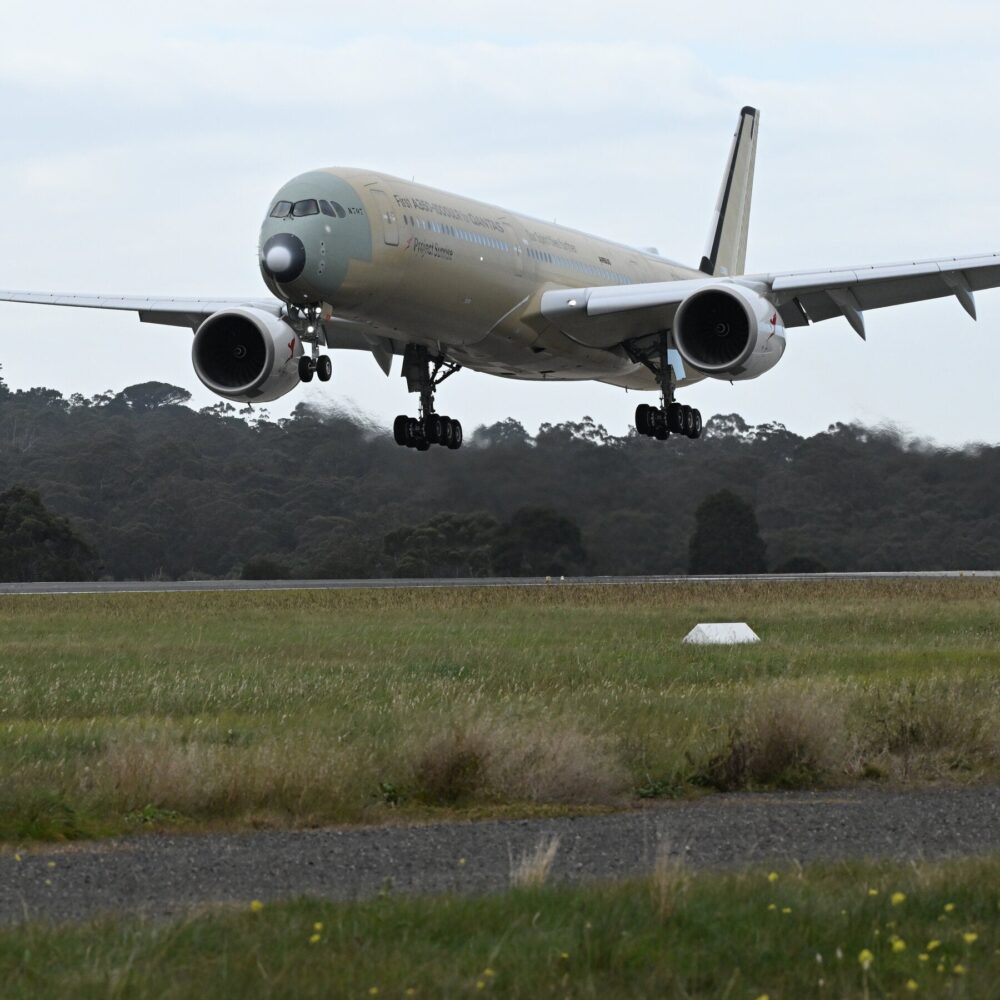
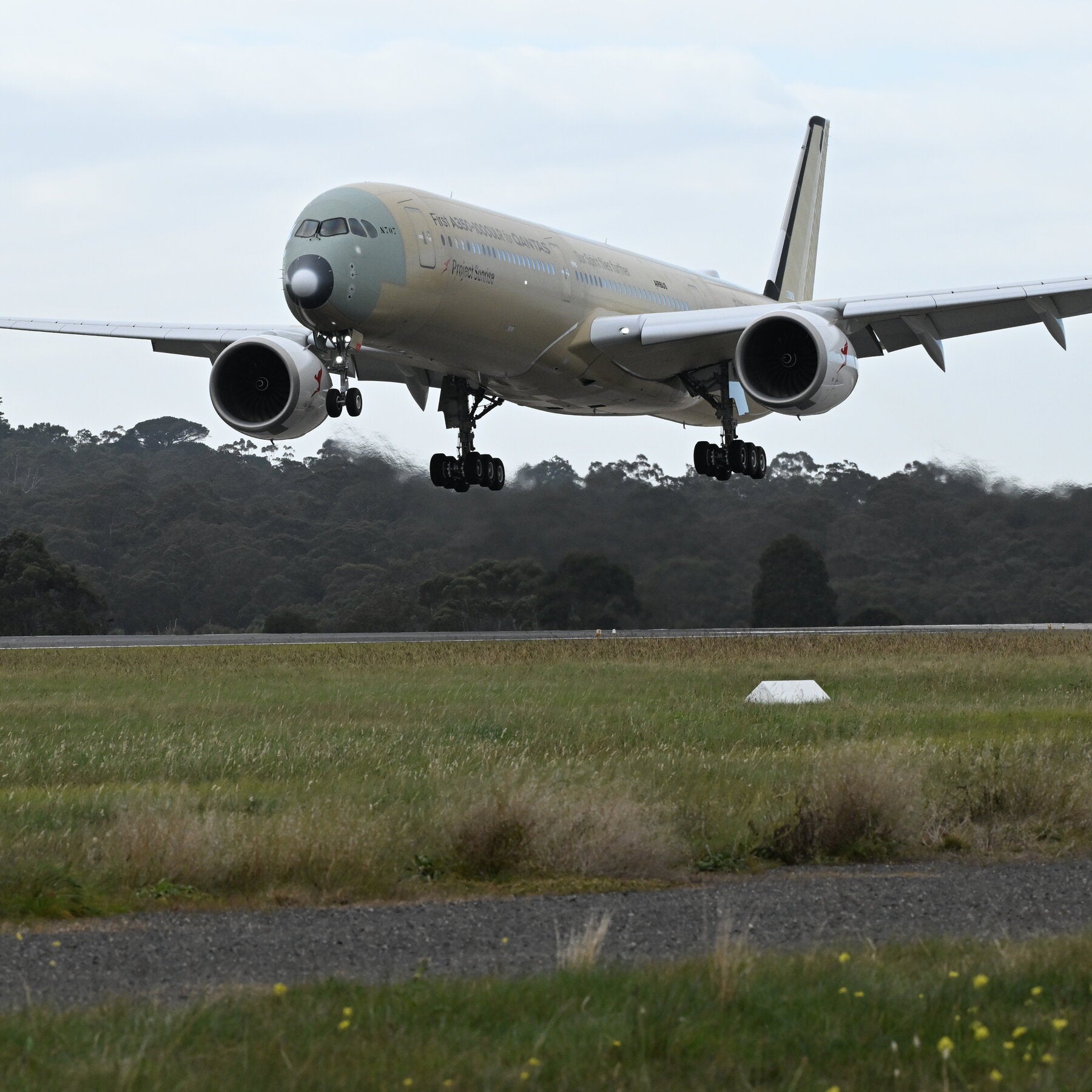
The technical challenge of linking the United States East Coast with the Australian coastline without stops rests on the shoulders of a new generation of skyborne racers: the ultra-long-range Airbus A350-1000. This aircraft is not a hastily modified standard model, but a masterpiece of industrial customization. To achieve the necessary range, engineers incorporated an additional fuel tank located in the cargo hold, allowing the aircraft to carry over 100,000 liters of jet fuel without compromising payload capacity for passengers and luggage.
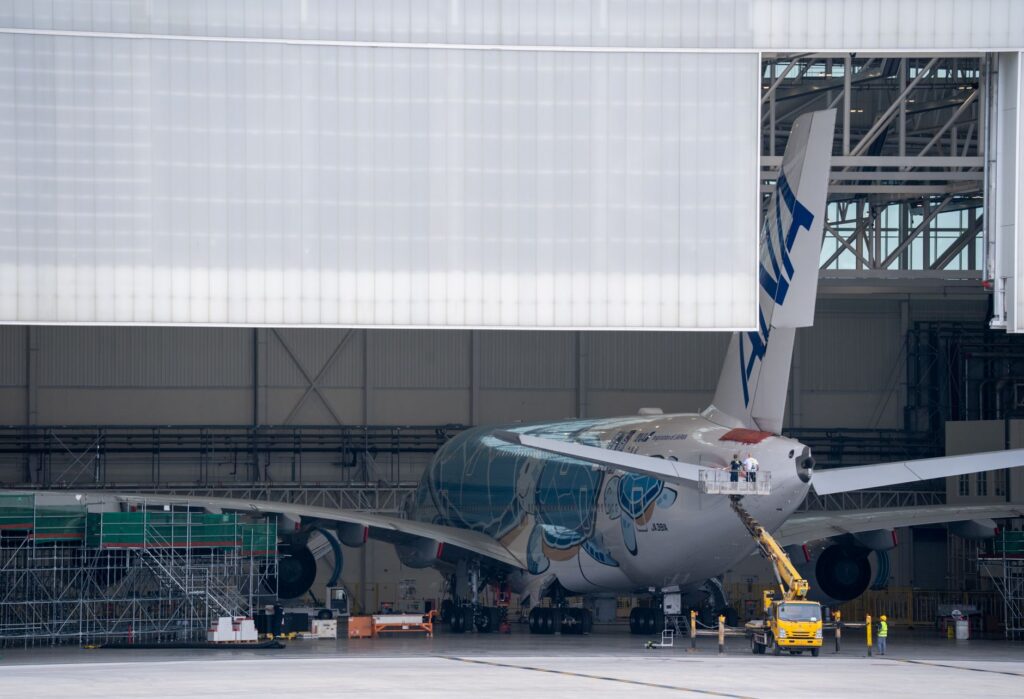
Geographical distance has ceased to be an insurmountable wall and has become a simple logistical problem solved by high technology.
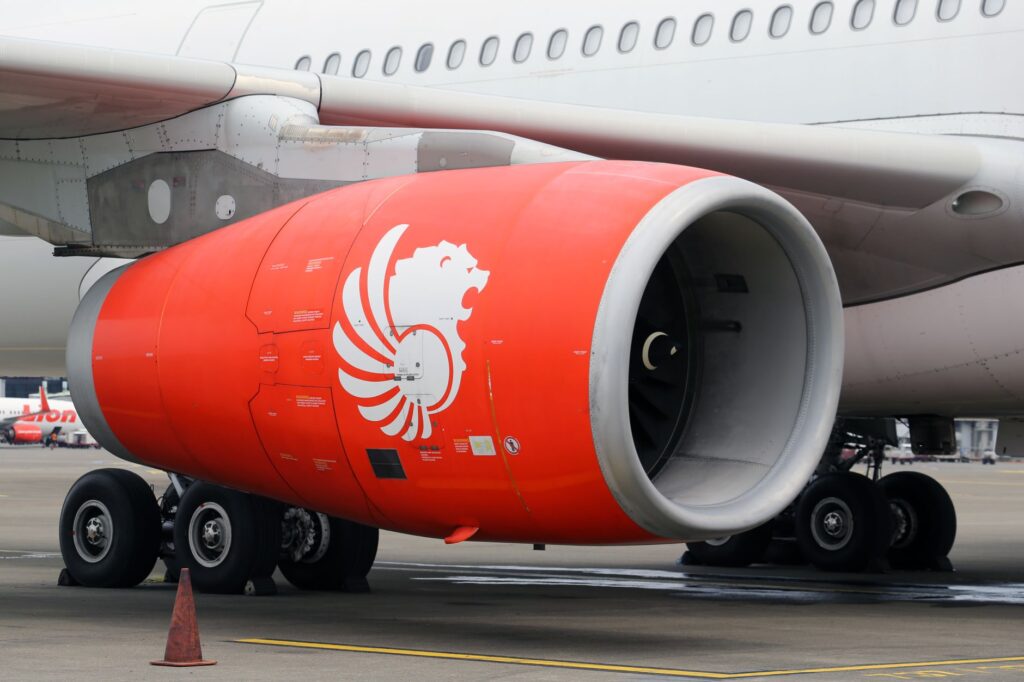
The aerodynamic efficiency of the Rolls-Royce Trent XWB-97 engines completes the equation, reducing emissions per passenger-kilometer compared to traditional one-stop routes. Fuel efficiency is also an imperative demand in an era where the carbon footprint of commercial aviation is scrutinized under a microscope by regulators and passengers alike. Every kilogram of weight on board has been meticulously analyzed, from tableware to magazine thickness, to ensure the aircraft can complete the crossing with regulatory safety margins intact.
Economic and Geopolitical Shocks in Air Traffic
The opening of these nonstop routes shakes the foundations of the international aviation industry and alters the traditional pathways of major airline alliances. Cities that once functioned as lucrative intermediate connecting hubs—such as Honolulu, Nadi, or major Southeast Asian transit points—will watch as a significant segment of business and high-net-worth travelers bypass their services. For Sydney and New York, the direct connection represents an unprecedented magnet for corporate investment, luxury tourism, and fluid cultural exchange.
Industry analysts note that flights of this caliber redefine the concept of global centrality. It is no longer necessary to rely on obligatory geographical stopovers to cross the planet. Travel time becomes the most valuable asset in the globalized economy, enabling executives, diplomats, and frequent flyers to move between power centers in both hemispheres without losing entire days in airport transit lounges.
A Historical Perspective on Open Skies
To grasp the magnitude of Project Sunrise, one must look back to the early days of commercial aviation, when crossing the Pacific required multiple stops in flying boats known as Empire flying boats. In the 1930s, flying between Australia and North America took weeks and was reserved for a daring minority. With the advent of jet engines in the 1950s and 1960s, travel time dropped to just over a day, but the necessity of refueling on remote islands remained inescapable.
Every technological leap has been guided by the same human longing to shorten distances and unite geographically isolated continents. Qantas, founded in the rural outback of Queensland in 1920, has spent a century making the conquest of distance its corporate hallmark. The 2028 leap is, in essence, the logical culmination of that centennial trajectory, transforming the world map into a board where oceans no longer represent insurmountable barriers.
Environmental Debate and Sustainability Concerns
Despite industry enthusiasm, ultra-long-haul routes are not without controversy. Environmental organizations persistently point out that burning vast quantities of fossil fuel to propel an aircraft for nearly 20 hours generates a substantial carbon footprint, even with the most efficient engines on the market. Qantas has defended its initiative by committing to use sustainable aviation fuels and offset remaining emissions through certified reforestation and ecosystem protection programs.
The future of commercial aviation is torn between the irrepressible desire to connect the world nonstop and the urgent imperative to preserve the planet’s climatic balance.
The use of ecological alternatives remains minor due to high production costs and limited global availability. The ecological transition in civil aviation is progressing at a slower pace than international climate agreements demand, placing projects like Qantas’s at the center of an intense ethical and environmental debate over the true price of modern hyperconnectivity.
Practical guide
Essential information to understand the operations of Project Sunrise ultra-long-haul flights.

- Aircraft used: Airbus A350-1000 specifically configured with lower seat density to guarantee passenger comfort.
- Estimated duration: Approximately 19 hours of continuous flight between New York John F. Kennedy International Airport and Sydney Airport.
- Expected launch date: 2028, following accumulated supply chain delays and technical certification processes.
- Onboard innovations: Wellness zone for economy passengers, advanced circadian lighting, and clinically designed menus.
- Associated routes: The program also includes direct connections between Sydney and London with an estimated duration of 22 hours.
Dusk Over the Pacific: The End of Physical Borders
When the Airbus A350 lines up for its final approach into Sydney’s runway after nineteen hours of uninterrupted travel, the sun will have completed its full cycle outside the cabin, painting the fuselage in copper and violet hues. The passengers stepping off the aircraft will not only have crossed hemispheres and time zones in a single day; they will have been mute witnesses to a new era in how we inhabit our planet. Distance, measured now in shared hours of sleep and wakefulness at ten thousand meters altitude, sheds its ancient tyranny, reminding us that the horizon, no matter how distant it seems, is always ready to yield to the persistence of human engineering.
Source in EN: The New York Times