
The Geometry of Steel Beneath the Delta Sky
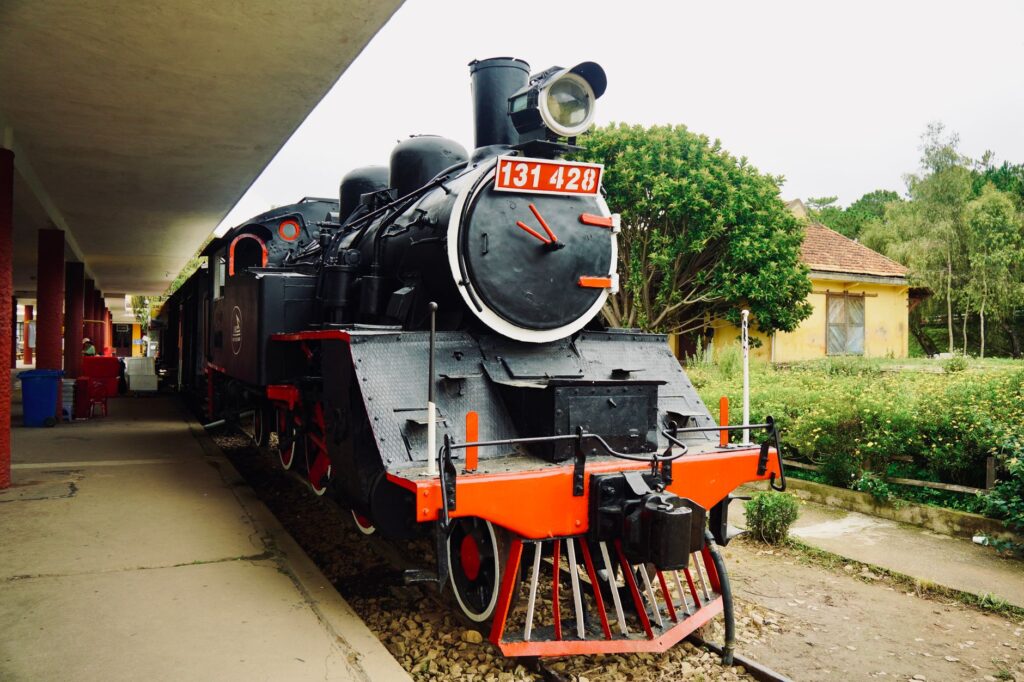
The cadence of railway transit in Vietnam possesses a distinct, tangible physicality—a rhythmic clatter of metal that stands in deliberate defiance of the frantic modernization sweeping across Southeast Asia. As the locomotive’s whistle pierces the dawn air at Hanoi’s central station, travelers embark not merely on a transit between coordinates, but on a methodical pilgrimage into the historical cradle of the Dinh and Le dynasties. This railway corridor, recently elevated through investments in high-end comfort and evocative interior design, has transformed a routine commute into an immersive expedition where the landscape ceases to be a passive backdrop and reclaims its role as the narrative core.
The initiative to connect these two heritage regions via a luxury service answers a pressing contemporary demand: slowing down mass tourism without compromising international standards of comfort. The carriages, meticulously crafted by local artisans using fine woods and lacquered details reminiscent of early twentieth-century Indochinese aesthetics, offer an unprecedented perspective on northern Vietnamese geography. The objective is no longer swift arrival, but the intentional inhabitation of the journey—understanding the seamless, millimeter-by-millimeter transition from the dense asphalt of the Old Quarter to the emerald vastness of flooded rice paddies.
Urban Architecture and the Pulse of the Colonial Quarters
Before the steel wheels begin devouring the miles southward, Hanoi asserts its architectural sovereignty. Buildings with ochre facades and green wooden shutters—direct legacies of French colonial administration—coexist in a fascinating tension with Buddhist temples featuring curved roofs and the sleek commercial towers of the twenty-first century. From the wide panoramic windows of the train, exiting the metropolis unfolds as an urban choreography where street vendors wearing conical hats step aside mere inches from the passing convoy.
This microscopic proximity between the railway tracks and daily life constitutes one of the journey’s most compelling anthropological attractions. The homes of the Old Quarter appear close enough to touch from the train corridors, revealing intimate domestic vignettes: families preparing morning pho broth, children playing in the shadows of the tracks, and small household shrines illuminated by sticks of incense. It is an architecture of intimacy where concrete, exposed brick, and oxidized metal weave an unbreakable social fabric that stubbornly resists the relentless march of decades.
Sacred Topography and the Dominion of Limestone Karsts
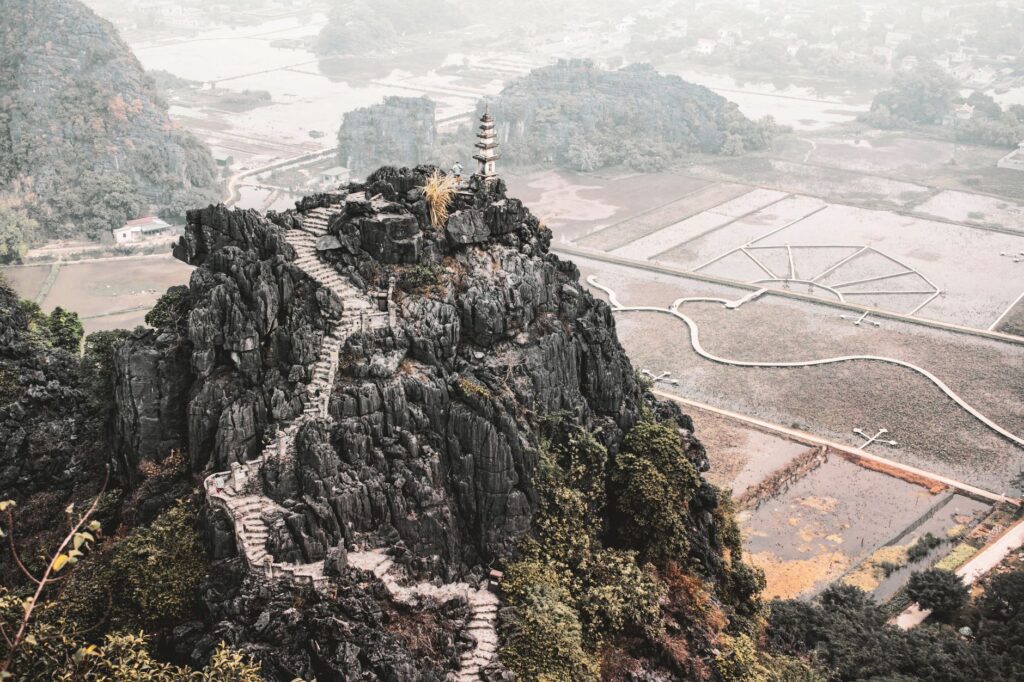
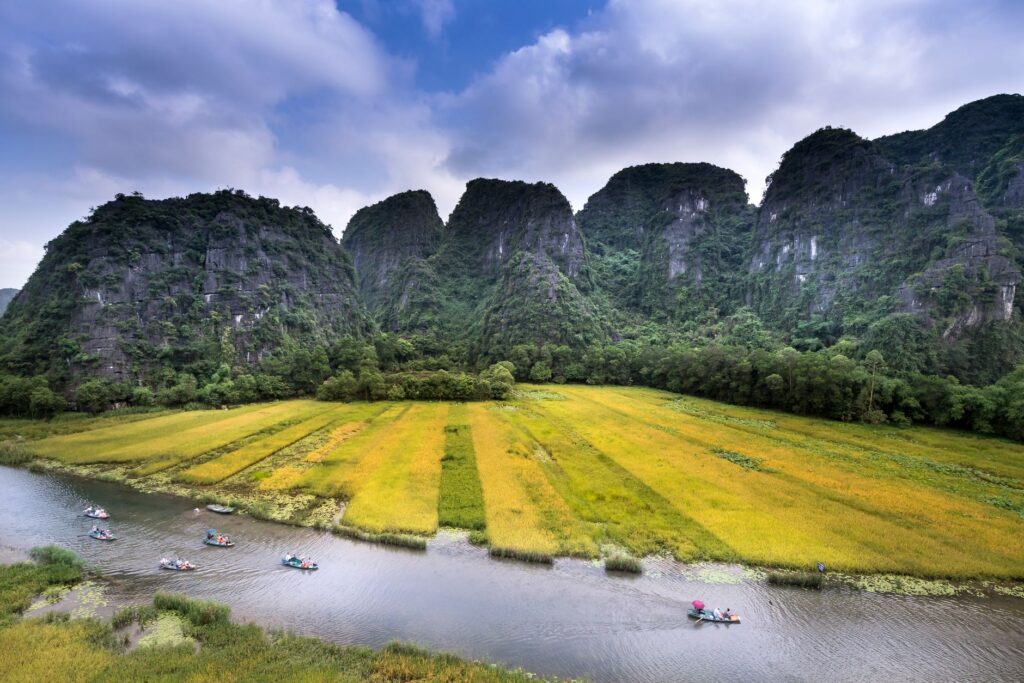
As the convoy pulls away from the Red River Delta, the topography undergoes a dramatic metamorphosis. The flat geometry of agricultural fields is abruptly interrupted by colossal karst formations rising from the earth like limestone fangs, silent witnesses to ancient seabeds. This unique geology, sculpted by millions of years of fluvial and pluvial erosion, defines the character of Ninh Binh—a territory where land and water merge into an aquatic labyrinth of immeasurable scenic and spiritual value.
The rail access to this UNESCO-recognized biosphere reserve elevates the philosophy of slow travel. From the elevated viewpoint of the train, the mountainous formations of Trang An and Tam Coc reveal themselves in full monumentality, offering a spatial scale that conventional highways, confined to ground level, rarely permit. Morning mists that frequently embrace the karst peaks lend the landscape a distinctly pictorial atmosphere, echoing the traditional ink-wash scrolls that for centuries celebrated the melancholy and unreachable beauty of Vietnamese mountains.
Rolling Gastronomy: Miniature Flavors of the Delta
The on-board experience extends far beyond visual contemplation, engaging the palate through a culinary program that honors local provisions. The convoy’s chefs have designed a menu reinterpreting centuries-old recipes utilizing ingredients sourced exclusively from the provinces of Hanoi, Ha Nam, and Ninh Binh. Standout dishes include traditional *com chay* (crispy scorched rice) served alongside mountain goat meat, an undisputed specialty of the karst region, prepared using techniques faithful to the culinary heritage of the ancient capital of Hoa Lu.
This gastronomic display is presented on artisanal ceramic tableware crafted in the nearby village of Bat Trang, completing a circle of local commerce and aesthetic design. Dining while the landscape of karst peaks drifts slowly past the glass transforms lunch into a sensory ritual where aromatic herbs—fresh mint, cilantro, and perilla—dialogue directly with the lush greenery outside. This is not decontextualized fine dining, but an honest celebration of the territory translated into memorable bites.
The train is not a mechanism to flee the territory, but the most honest instrument to inhabit it in proper measure, allowing geological time and human rhythm to recover their ancient alliance.
Dynastic Memory in the Ancient Capital of Hoa Lu
Arrival at Ninh Binh station opens the door to an open-air historical archive. Hoa Lu, capital of Vietnam during the tenth century under the Dinh and Le dynasties prior to the relocation of power to Thang Long (modern-day Hanoi), preserves within its stone ramparts the vestiges of a sovereignty forged during times of geopolitical turbulence. Temples dedicated to Kings Dinh Tien Hoang and Le Dai Hanh, guarded by centuries-old banyan trees and lotus-choked ponds, maintain an atmosphere of solemn contemplation that contrasts sharply with contemporary bustle.
Local historians note that selecting this location, surrounded by natural limestone barriers, was no accident—it was a masterful defensive strategy exploiting the terrain’s impenetrability. Traversing these sacred enclosures following the luxury train journey establishes a flawless line of historical continuity: the modern rail link connects two capitals separated by barely ninety kilometers that have shaped the political and cultural pulse of the nation across millennia of resilience and artistic creation.
The Anthropology of Water: Boatmen and Valley Guardians
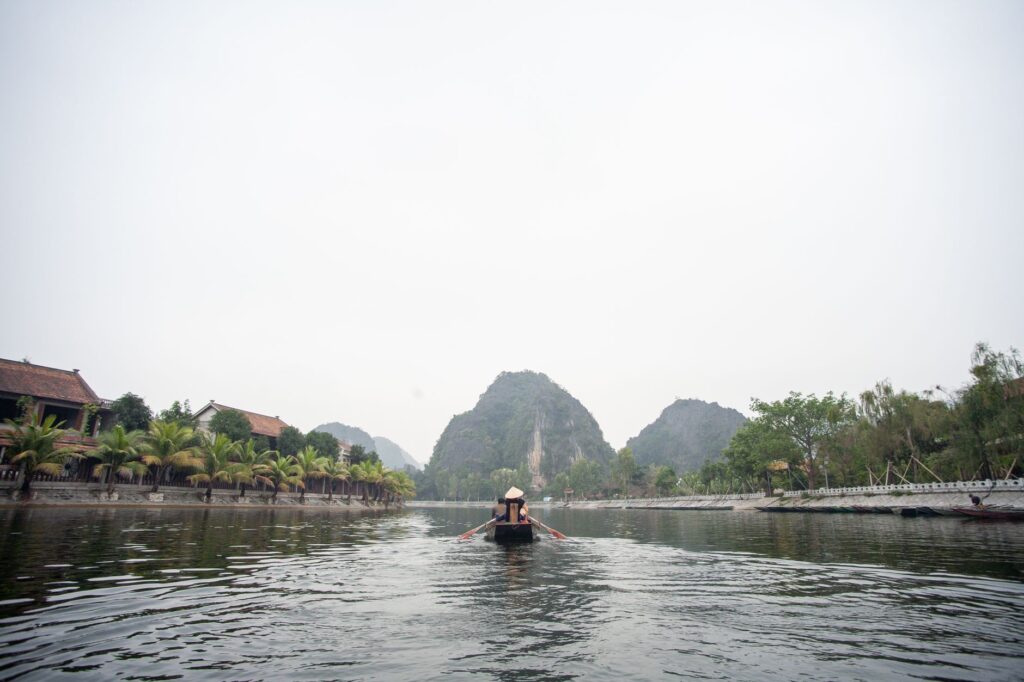
Beyond stone and steel, life in Ninh Binh flows to the cadence of water. At the piers of Tam Coc and Trang An, hundreds of boat rowers—the vast majority local women—propel their bamboo vessels using their feet with a mastery passed down through generations. This ancient technique not only minimizes physical exertion, but demonstrates a perfect symbiosis between the human body and the aquatic environment, a living testament to community resilience in the face of a geographical setting as beautiful as it is demanding.
Observing the labor of these women through the lens of conscious travel introduces an indispensable human layer to the heritage narrative. Far from constituting a mere photographic backdrop, their daily toil sustains the familial economy of dozens of riverside villages and guarantees the conservation of river ecosystems by avoiding combustion engines. Luxury rail tourism, by channeling a steady stream of respectful visitors toward these communities, helps shield this fragile equilibrium against the pressures of unchecked development.
Vernacular Architecture and Bamboo Sanctuaries
The aesthetic imprint of the journey extends beyond carriages and historical monuments into the growing supply of accommodations and architectural interpretation centers scattered across the valleys of Ninh Binh. Contemporary Vietnamese architects are reviving vernacular materials—bamboo, reclaimed wood, unbaked brick, and rice-straw thatch—to design eco-resorts that blend seamlessly into the karst landscape without altering its ancient profile.
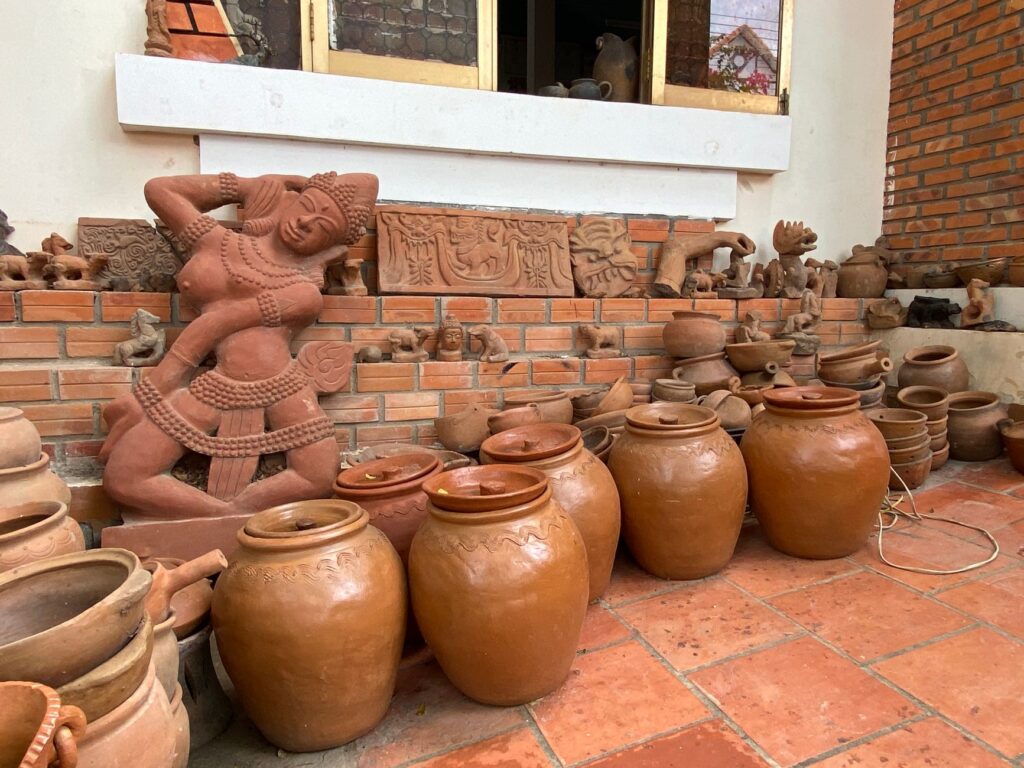
These sanctuaries represent a logical evolution in how we inhabit heritage: lightweight structures prioritizing cross-ventilation, natural daylight utilization, and visual integration with surrounding fields. Upon alighting from the train and moving into these spaces, travelers experience aesthetic continuity spanning from the 1930s industrial interior design of the convoy to the artisanal organicism of contemporary rural architecture, consolidating a narrative of absolute respect for the environment.
Preserving the slowness of the landscape is not an exercise in nostalgia, but a political and cultural decision to ensure that future generations can continue to hear the heartbeat of stone and rail.
Practical guide
How to get there: The luxury tourist train operates daily departures from Hanoi Central Station (Ga Ha Noi) to Ninh Binh Station. Advance booking is strongly recommended due to limited capacity in premium carriages.
When to go: The months between May and June offer the visual spectacle of golden rice fields ready for harvest, while January through March brings cool weather favorable for walking and boat tours through karst complexes.
Requirements and fares: Tickets for the special service include personalized assistance, on-board culinary tastings, and coordinated transfers. A valid passport is required at the time of booking and boarding.
Local tips: Visiting Hoa Lu temples and Trang An pagodas requires respectful attire covering shoulders and knees. Tipping local rowers directly during river tours is customary practice.
Visual Epilogue in the Valley Twilight
As the sun begins to dip behind the limestone walls of Ninh Binh, the landscape adopts a coppery hue that temporarily sets the water channels ablaze. In the late evening hours, the silhouette of the return convoy to Hanoi traces an elegant line across the emerald horizon, closing the cycle of a day where motion and stillness maintained a perfect pact. It is in this crepuscular instant, when the bustle of the piers ceases and the wind quiets the reed beds, that the true dimension of the journey is revealed: an iron and memory bridge connecting with sovereign elegance the two heritage souls of northern Vietnam.
Source in EN: Vietnam.vn