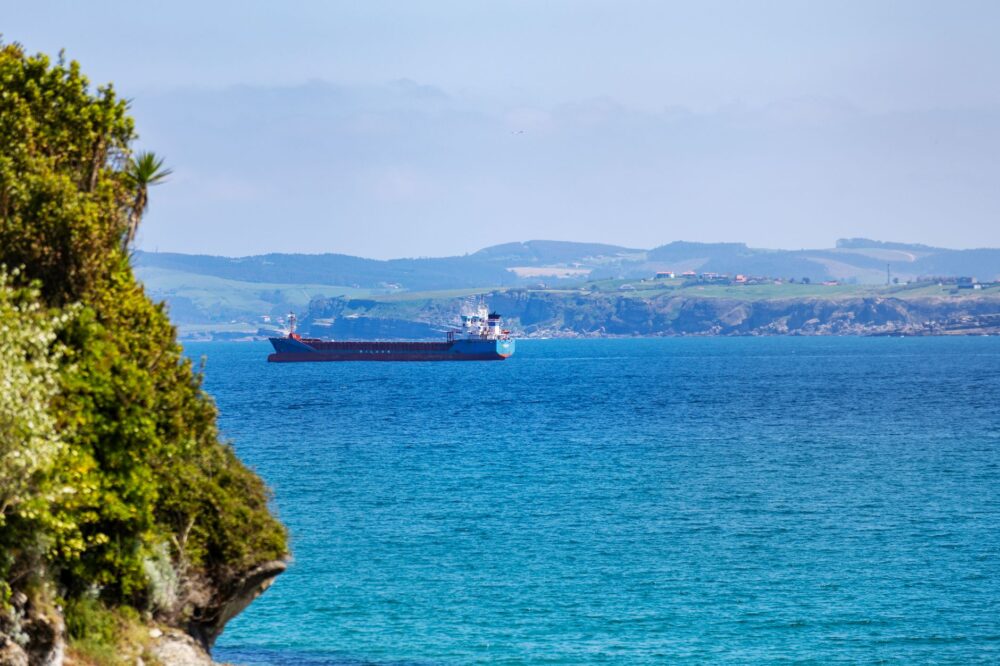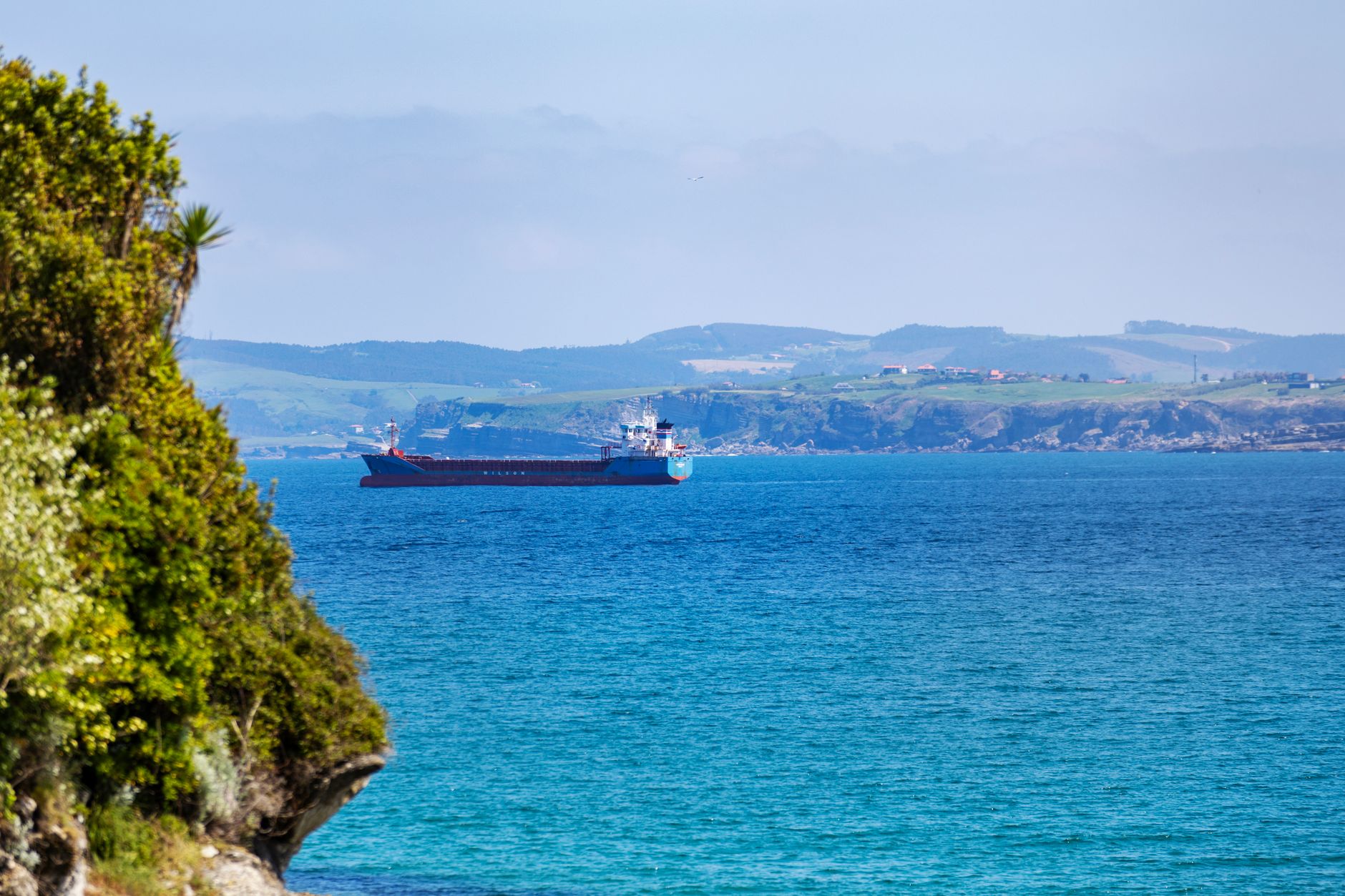

At the Papeete pier, the air is thick, heavy with a humidity that smells of diesel fuel and tiare flowers. As the morning sun begins to bake the harbor asphalt, a steel giant painted in white and blue waits its turn to cast off. This is no conventional cruise ship, though it carries passengers; it is no pure freighter, though its holds are packed with excavators, bags of cement, and crates of beer. It is the Aranui 5, a naval architecture anomaly specifically designed to navigate the treacherous waters and non-existent harbors of the Marquesas Archipelago—the most isolated islands on the planet.
This journey of nearly four thousand kilometers through the Central Pacific is not merely a leisure trip; it is a critical logistical operation. The Marquesas, or Henua Enana (the Land of Men), lack airstrips capable of receiving large cargo planes and, in many cases, piers where a deep-draft vessel can dock. Here, maritime transport is the sole umbilical cord linking local communities to the rest of the world. Over fourteen days, the ship transforms into a floating market, a post office, and a feat of engineering that defies equatorial currents to deliver everything from medical supplies to off-road vehicles in bays ringed by basaltic cliffs.
Hybrid Engineering: A Vessel for Two Worlds
The Aranui 5 is the culmination of decades of technical evolution. Built in China and delivered in 2015, this 126-meter vessel was designed to solve a complex equation: how to provide the comfort of a four-star hotel while handling 3,000 tons of cargo in open-sea conditions. Unlike traditional cruise ships, which have hulls designed for static stability in protected ports, the Aranui features a reinforced hull and exceptional maneuverability, necessary for turning within the narrow volcanic bays of the Marquesas.
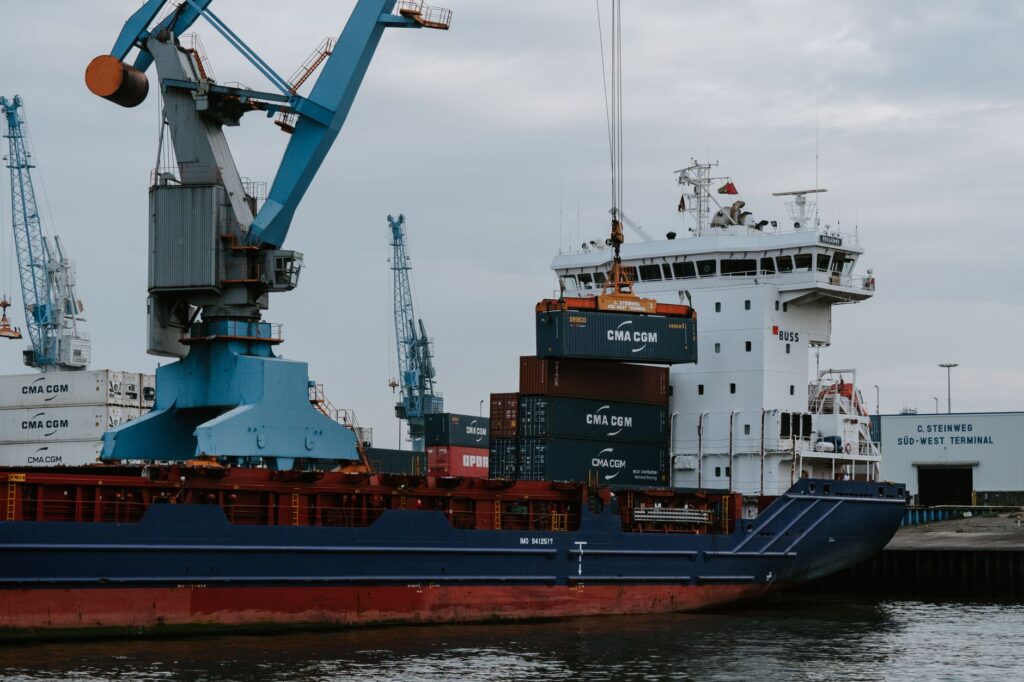
The heart of the operation lies not on the bridge, but on the cargo deck. There, two massive cranes dominate the ship’s skyline. During stops, these machines work with choreographic precision, extracting containers from the depths of the hold while passengers watch from the upper decks. This duality defines the experience: the sound of the winch blends with the strumming of ukuleles. Logistical efficiency is the absolute priority, as the ship must adhere to a strict schedule dictated by tides and sunlight, given that many approach maneuvers are conducted visually to avoid reefs that do not always appear on digital nautical charts.
«In the Marquesas, the ship is not a visitor; it is the pulse that keeps the archipelago alive. Without the cargo, these islands would grind to a halt within a week.»
The ship’s stability is fundamental not only for passenger comfort but for the integrity of the cargo. Navigating the channel between the Tuamotu and Marquesas archipelagos involves facing Pacific swells without the protection of any landmass. The Aranui utilizes state-of-the-art fin stabilizers that reduce rolling, allowing delicate cargo—including fresh produce and sensitive technology—to reach its destination undamaged. It is a constant balancing act between the brute force of heavy machinery and the fragility of essential supplies.
The Whaleboat Dance: Logistics in the Absence of Piers
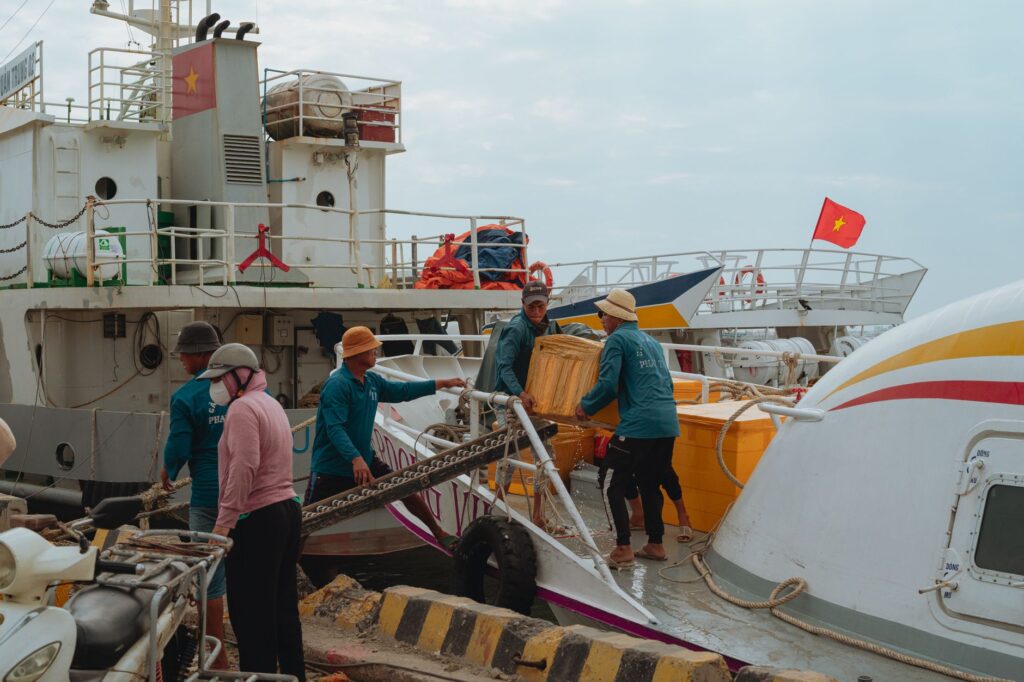
The true transport challenge begins when the vessel reaches islands like Fatu Hiva or Ua Pou. In these destinations, water depth and seabed configuration prevent the Aranui 5 from approaching land. This is where the fleet of whaleboats or landing craft comes into play. These smaller vessels are lowered into the water by hydraulic cranes in a matter of minutes. Marquesan sailors, renowned for their physical strength and nautical skill, operate these barges, loading them to the very limit of their buoyancy.
Watching the offloading is to witness a spectacle of human power and maritime expertise. The whaleboats must navigate through the surf to reach small stone jetties built in the colonial era or concrete ramps worn by salt spray. On each trip, they carry everything from fuel drums to household appliances. The coordination between the crane operator on the ship and the sailors on the barge must be flawless; a miscalculation with a two-ton load amidst the swell could be fatal for the small craft or its crew.
This fractional transport system is what allows the most remote communities, such as those in Hanavave Bay, to maintain their standard of living. It is not just about receiving consumer goods; the Aranui also works in reverse, loading sacks of copra (dried coconut meat) and citrus fruits that represent the primary source of income for local farmers. The ship is, in essence, the region’s mobile commercial infrastructure, linking the subsistence economy with the global markets of Papeete.
Fatu Hiva: The Bastion of Cultural Resistance
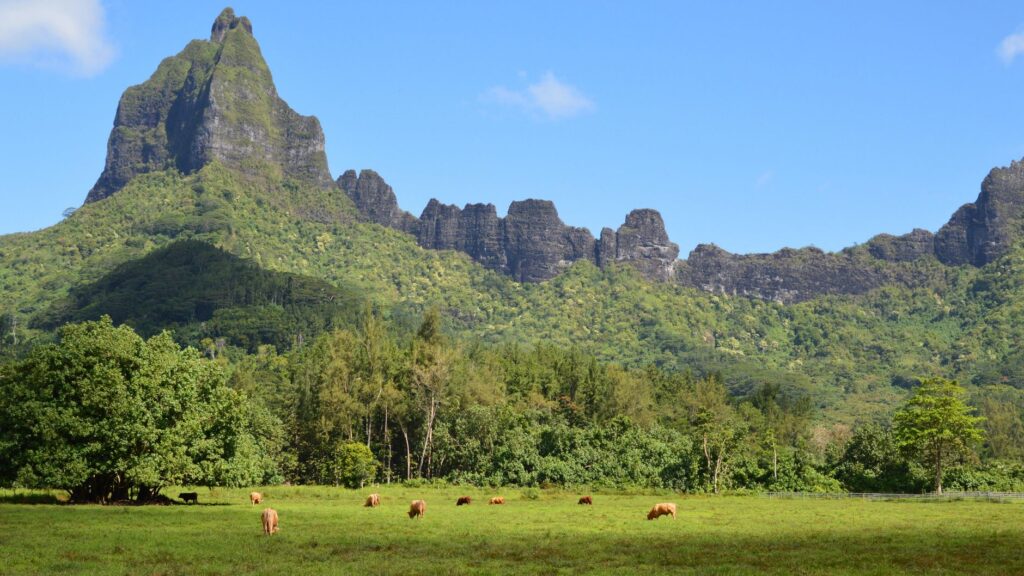
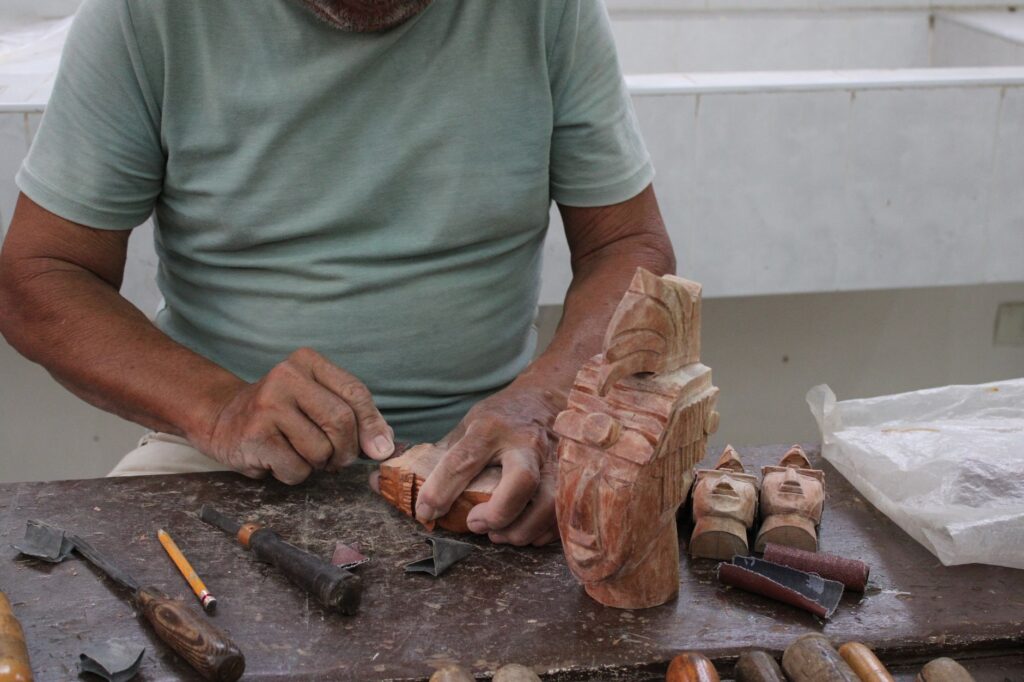
Fatu Hiva is the southernmost and most lush island of the group. Approaching from the sea, the Bay of Virgins reveals itself as one of the most dramatic landscapes in the world, with basalt spires rising vertically from the ocean into the clouds. But beyond its aesthetics, Fatu Hiva is the nerve center for the production of tapa, a traditional cloth made from the bark of trees like mulberry or breadfruit. The Aranui’s logistics allow these pieces of art, which require weeks of manual labor, to reach galleries in Tahiti and France.
Life on Fatu Hiva is marked by isolation. There is no airport, meaning every inhabitant depends entirely on the ship’s arrival every three weeks. This disconnection has allowed Marquesan culture to be preserved with unusual purity. Tattoos, covering the bodies of men and women, are not mere ornaments but genealogical maps and chronicles of social status. Walking through the villages of Omoa and Hanavave, one perceives a community that, while grateful for modern supplies, maintains an unbreakable spiritual relationship with its land.
«Culture here is not exhibited; it is lived. The ship brings us the future, but our roots are buried deep within the basalt of these mountains.»
Passenger transport in this context serves an educational function. Visitors do not arrive as mass tourists but as witnesses to a way of life that resists homogenization. Integrating travelers into the loading and unloading routine fosters a deep respect for the hardship involved in living in isolation. Every crate of milk lowered from the ship has a logistical story that locals value deeply, and that awareness is transmitted to the visitor organically.
Hiva Oa and the Legacy of the Outcasts
Hiva Oa is the second-largest island and the cultural hub of the archipelago. It is famous as the final resting place of painter Paul Gauguin and Belgian singer-songwriter Jacques Brel. However, for the regional transport system, Hiva Oa is a vital logistical node. Its port at Atuona is one of the few that allows for more direct docking, facilitating the distribution of supplies to the surrounding smaller islands. The infrastructure here is more robust, reflecting its role as the administrative capital of the Southern Marquesas.
A visit to the archaeological sites of Puamau reveals the historical importance of transport and mobility in Polynesia. Here lie the largest tikis in French Polynesia—stone statues representing deified ancestors. The engineering required to move these massive stones from quarries to their ceremonial platforms (me’ae) centuries ago bears a symbolic parallel to the modern logistics of the Aranui. Both processes demonstrate an unyielding will to master the geographical environment to ensure the continuity of civilization.
In Hiva Oa, modernity and history converge at the small airfield that allows for emergency medical evacuations, but the bulk of goods movement remains maritime. The planning of the Aranui’s routes must account for the island’s storage capacity, ensuring that fuel depots and food warehouses never reach critical levels before the next rotation. It is a just-in-time inventory system operated in one of the most unpredictable environments on the planet.
Nuku Hiva: Capital of the Stone Cathedrals
Nuku Hiva is the administrative center of the entire archipelago. Its main bay, Taiohae, is a natural amphitheater formed by the collapse of an ancient volcanic crater. From a transport perspective, Taiohae is the safest and deepest harbor, allowing the Aranui 5 to conduct large-scale cargo operations. Here, the ship unloads the heavy machinery necessary for maintaining the roads that snake through the island’s mountains, connecting isolated valleys with the urban center.
The geography of Nuku Hiva is a challenge for any form of land transport. Hakaui Valley, for example, is only accessible by sea or on foot via a steep trail. Dependence on maritime transport extends even to the local scale, where small boats act as rural taxis. The Aranui’s arrival in Taiohae is a social event; families from across the island flock to the pier not only to collect orders but to exchange news and participate in the economic effervescence generated by the ship’s presence.
The architecture of Taiohae, with its stone cathedral built using materials from every island in the archipelago, symbolizes the unity of the Marquesas. Transport, in this sense, is not just the movement of objects but the fabric that holds together a common identity scattered across thousands of square kilometers of ocean. The logistics of the Aranui 5 provide the physical support upon which this social and political cohesion is built.
Ua Pou: Challenging the Volcanic Spires
Ua Pou is perhaps the most visually striking island due to its enormous phonolite pillars piercing the sky. However, its harbor at Hakahau is one of the most difficult to operate. The swell is often heavy and maneuvering space is limited. The Aranui’s captain must demonstrate surgical precision to position the vessel so that the whaleboats can operate safely. Operational safety takes precedence over speed, and on days of poor weather, operations may be delayed for hours until conditions allow for offloading.
In Ua Pou, maritime transport also facilitates the export of the famous «flower stone,» a type of phonolite with crystal inclusions found only here and in Brazil. The logistics of exporting these heavy materials depend entirely on the ship’s cargo capacity. Without this link, Ua Pou’s artisans would have no way to send their sculptures to the international market, demonstrating how efficient transport is a direct engine of the local creative economy.
The resilience of the crew in Ua Pou is remarkable. Many sailors hail from this island and possess an intuitive knowledge of its currents. This human expertise is irreplaceable by technology; no sensor or GPS can accurately predict how a series of waves reflected off the cliff will affect the stability of a loaded whaleboat. It is the union of ancestral knowledge and modern technology that ensures the mission’s success.
Practical guide
To undertake this logistical and cultural journey, rigorous planning is essential, as it is not a conventional trip. The Aranui 5 operates on cycles of approximately 12 to 14 days with scheduled departures from Papeete, Tahiti. It is advisable to book at least six months in advance, as the ship has a limited capacity for about 230 passengers and demand is high from both international travelers and local residents.
- Documentation: A passport valid for at least six months is required. EU citizens do not need a visa, while other nationalities should verify the requirements for French Polynesia (a French overseas territory).
- Health: No mandatory vaccinations are required, but it is essential to carry high-efficacy insect repellent due to the presence of «nonos» (small sandflies) on Marquesan beaches. The ship has an onboard medical center and doctor.
- Luggage: Should be practical. Footwear with good grip is recommended for whaleboat landings, along with lightweight, quick-drying clothing. Do not forget biodegradable sunscreen to protect marine ecosystems.
- Connectivity: Internet access at sea is limited and expensive. On the islands, the signal is intermittent. It is an ideal opportunity for a digital detox.
- Currency: The Pacific Franc (XPF) has a fixed parity with the Euro. Credit cards are accepted on the ship and in larger businesses on Nuku Hiva and Hiva Oa, but cash is indispensable on the smaller islands.
The best time to travel is during the dry season, from May to October, when the swell is generally calmer and temperatures are more pleasant for shore excursions. However, the Marquesas have their own microclimate and can receive rain at any time of year, contributing to their legendary greenery.
The Human Factor: Guardians of the Pacific
Beyond tonnage figures and the horsepower of the Wärtsilä engines, the success of transport in the Marquesas lies in its people. The crew of the Aranui 5 is predominantly Polynesian, with many being Marquesan by birth. This composition is not accidental; it requires physical strength and a resistance to seasickness that few sailors from other latitudes possess. But even more important is their role as cultural ambassadors. On every island, they are the ones facilitating the dialogue between the ship and the community.
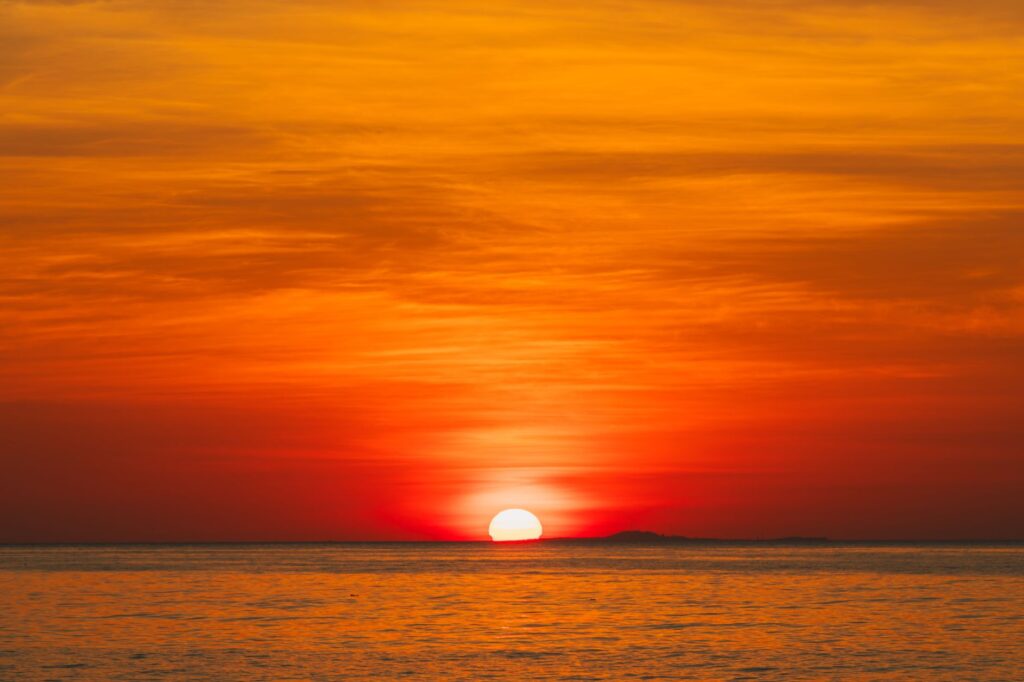
The close of each day at sea, when the sun melts into the horizon and the cranes finally rest, offers a unique perspective on the fragility and strength of island life. Transport here is not a cold industry but an act of service. Every time the Aranui 5 sails away from a bay, it leaves behind not just material goods but the assurance that these islands, despite their extreme isolation, have not been forgotten by the world. The wake the ship leaves in the water is the only path that, generation after generation, continues to link the Land of Men with the vast universe surrounding them.