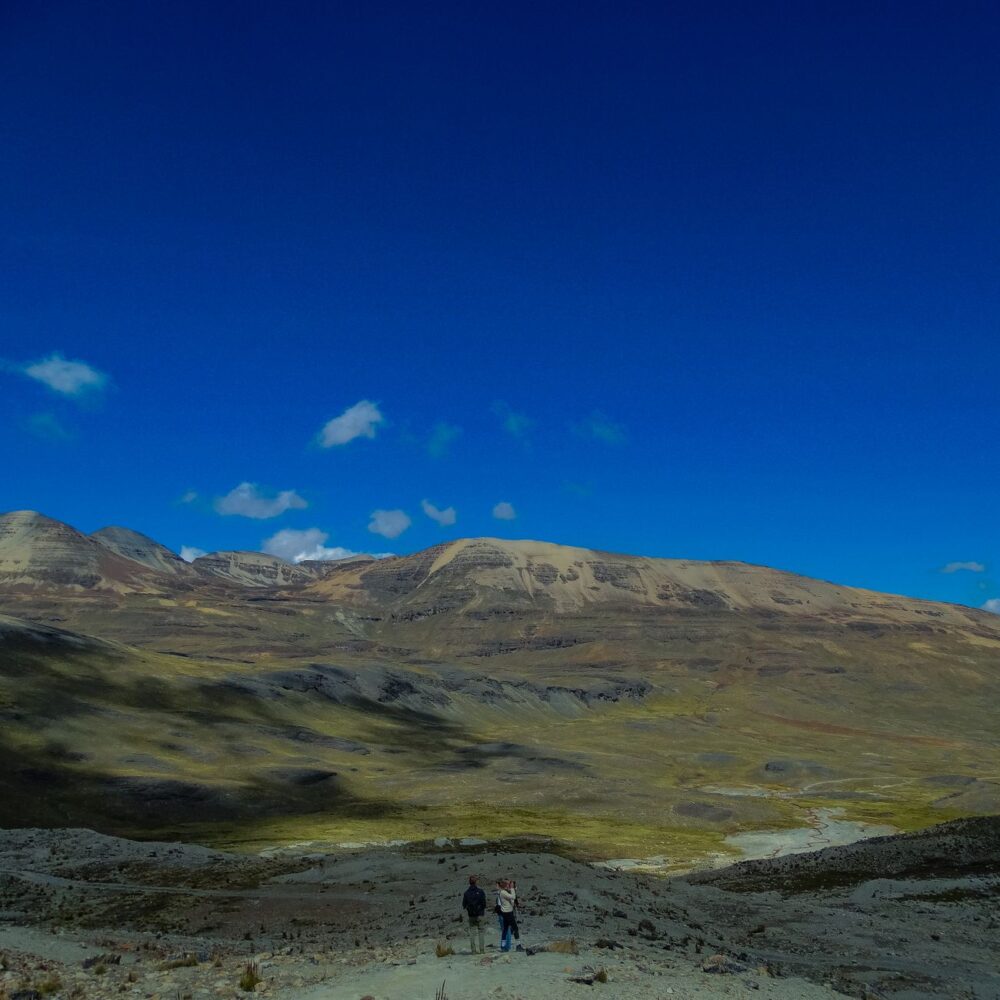
The Trans-Andean Railway of the Liberators: Summit Engineering, Cordilleran Logistics, and Historical Rail Connectivity Between Mendoza and Los Andes
An authoritative analysis of the emblematic railway infrastructure that defied the eternal snows of the Andes mountain range to link Argentina and Chile, examining century-old architecture, colossal topographic challenges, and its enduring cross-border legacy.
The Audacity of Crossing the Roof of America on Rails
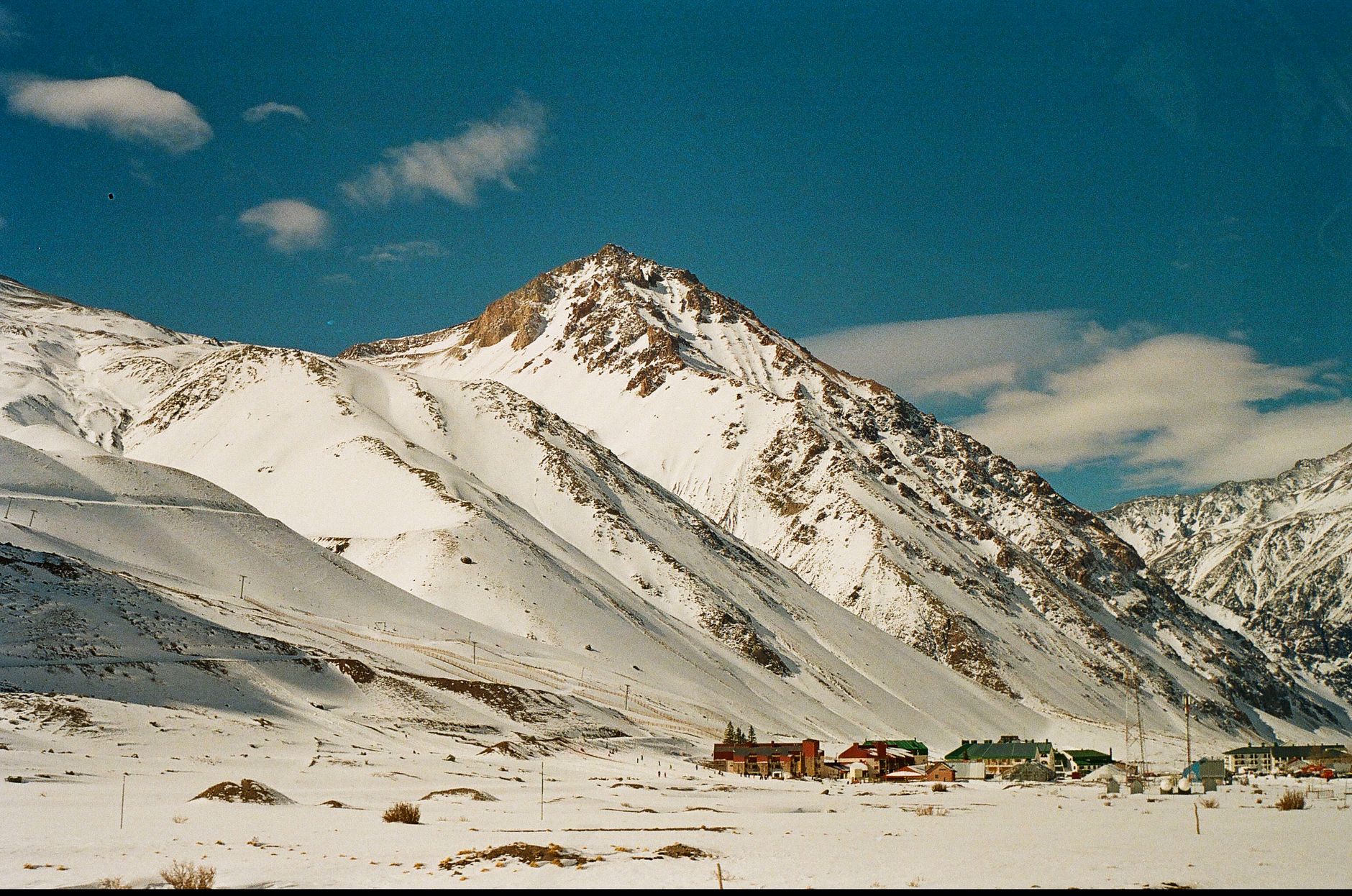
The Andes mountain range was never a mere geographic feature; for centuries it stood as an implacable stone barrier dividing the South American cone. Yet, at the dawn of the twentieth century, the daring of Chilean and Argentine engineers, backed by British capital and local labor, materialized one of the most audacious feats in global railway engineering: the Trans-Andean Railway. This narrow-gauge line connected the Argentine city of Mendoza with the Chilean town of Los Andes, piercing solid rock at over three thousand meters of altitude and proving that human will could conquer the most impenetrable mountain abysses.
Understanding this corridor is not merely an exercise in railway nostalgia, but a fundamental lesson in how cross-border logistics shaped the region’s economy and geopolitics. Across its more than two hundred kilometers, the system combined simple adhesion with complex Abt rack-and-pinion sections to overcome impossible gradients. Today, while high-mountain highways frequently suffer winter closures due to snowstorms, the study of this historic route gains unexpected relevance in contemporary debates on physical integration and transportation resilience in South America.
Extreme Topography and the Architecture of High-Altitude Tunnels
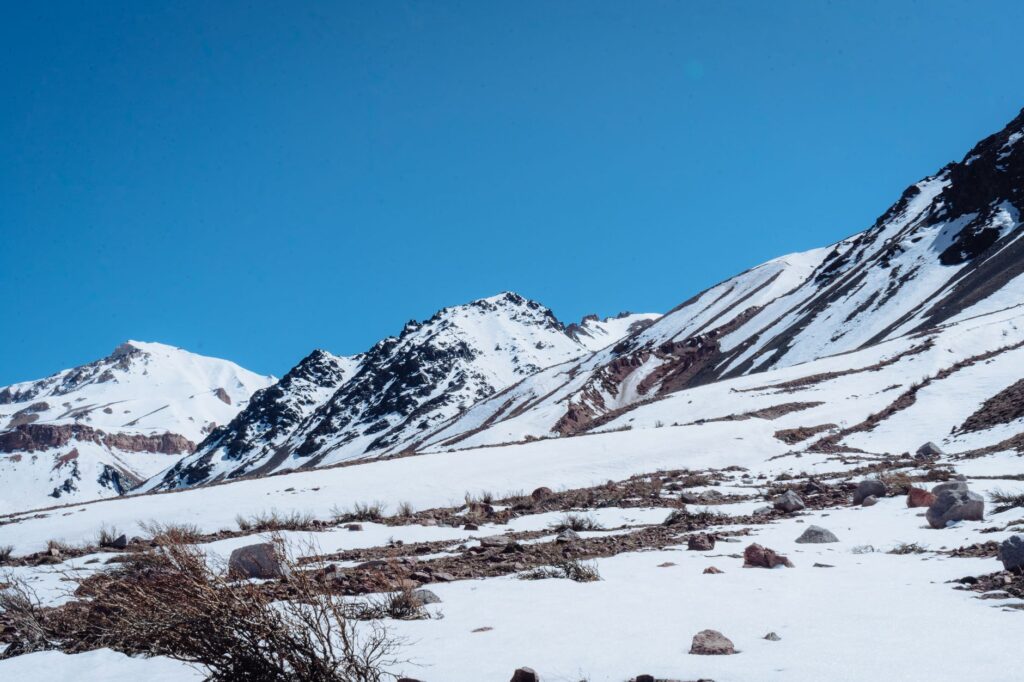
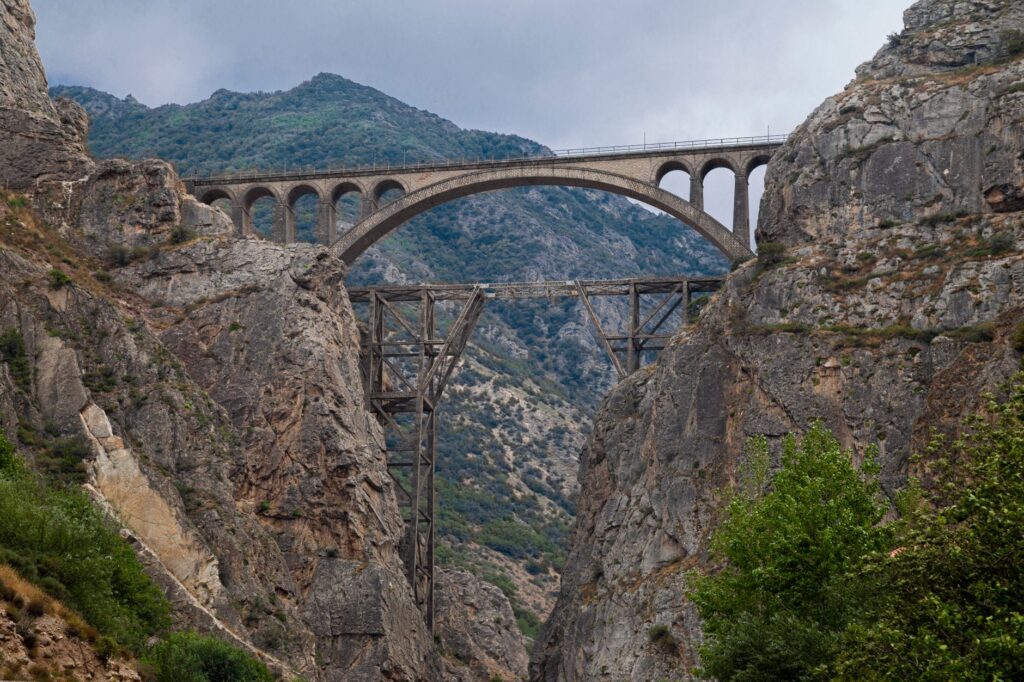
The route of the Trans-Andean was no straight line; it was a steel serpent that had to negotiate deep gorges, rushing rivers, and unstable slopes prone to avalanches. Engineers had to design dozens of iron bridges hanging over dizzying chasms and excavate numerous tunnels plunging into the darkness of basalt rock. The pinnacle of this construction feat was achieved with the Summit tunnel, bored directly beneath the border pass at 3,176 meters above sea level, making it at the time one of the highest underground engineering works on earth.
Every kilometer won from the cordillera demanded unprecedented technical solutions. High-altitude stations, such as Las Cuevas or Caracoles, operated as self-sufficient micro-cities capable of withstanding extreme temperatures and gale-force winds. The buildings, constructed with local stone and steeply pitched roofs to prevent snow accumulation, housed rudimentary yet effective heating systems. The infrastructure not only had to move steam locomotives specially adapted to operate in thin air, but also protect the tracks through reinforced timber and masonry snow-sheds that deflected avalanches into the precipices below.
Steam Logistics and the Challenge of Trans-Cordilleran Supply
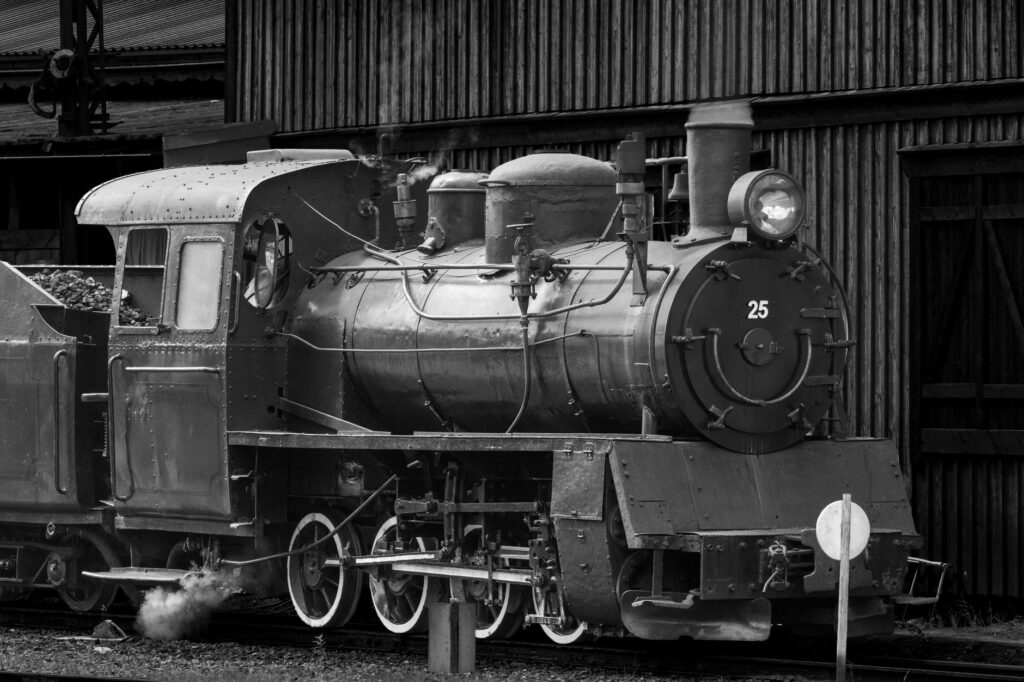
Operating a railway line at over three thousand meters presented a colossal logistical puzzle. Traditional steam locomotives lost power due to low atmospheric pressure and reduced oxygen density, forcing the adoption of special articulated designs, such as the famous Mallet and Beyer-Peacock engines, capable of generating necessary traction through central rack engagement. Furthermore, the supply of coal and water amid a sterile, freezing environment demanded a meticulous supply chain stretching up from the lower valleys.
Terminal stations and servicing points operated as precision gears where brakes were checked, boilers purged, and solid fuel bunkers replenished. Drivers and firemen had to cope with altitude fatigue and dense smoke inside long tunnels where ventilation was practically nonexistent. This operational harshness forged a unique labor culture characterized by iron discipline and unwavering solidarity among workers who kept the tracks clear against severe weather conditions.
Economic and Social Impact on Pre-Cordilleran Communities
Before the arrival of the train, crossing the Andes was done on muleback along steep trails, a journey taking weeks and remaining completely impassable during the austral winter. The Trans-Andean Railway reduced travel time between Buenos Aires and Valparaíso to just over thirty hours, transforming into the umbilical cord linking Atlantic markets with Pacific ports. Mail, distinguished passengers, European manufactured goods, and South American raw materials flowed with previously unimagined regularity, stimulating local economies in Mendoza and the Aconcagua Valley.
Thriving communities sprouted around stations, depending entirely on the convoy’s passage. Merchants, muleteers turned railwaymen, and innkeepers found a source of prosperity in the steady stream of travelers. However, reliance on a single infrastructure also exposed these towns to deep crises when avalanches blocked the line for weeks. Despite temporary closures, the train consolidated a regional sense of belonging that transcended national borders, intertwining families and commercial destinies on both sides of the mountains.
Operational Decline and the Causes of Permanent Closure
Despite its strategic importance, the Trans-Andean began facing insurmountable challenges by the mid-twentieth century. Technological obsolescence in the face of commercial aviation and, above all, the construction and steady improvement of road networks—particularly the Los Libertadores international pass—robbed the railway of its competitiveness. The operating costs required to maintain such a complex and natural-disaster-vulnerable infrastructure exceeded state budgets in both countries during periods of economic instability.
The mountain does not negotiate with progress; it demands that every steel track be won meter by meter against the abyss, reminding us that true territorial integration is built upon foundations of perseverance and respect for nature.
The final blow arrived in 1984, when a series of massive avalanches destroyed critical sections of the Argentine track, compounded by a lack of investment for modernization and electrification. The decision to suspend services indefinitely marked the end of a golden era for South American railway engineering. Since then, the rails have remained silent, slowly consumed by rust and cordilleran winds, while the remains of stations and bridges have turned into pilgrimage milestones for mountaineers and historians.
Contemporary Debates on Reactivation and the Bioceanic Corridor
In recent decades, the periodic logistical collapse of the road pass due to the accumulation of cargo trucks has revived the pressing debate over the need for a new trans-Andean railway system. Various international organizations and local governments have analyzed faraonic projects to build a low-level tunnel that would bypass weather hazards and streamline trade within the central bioceanic corridor framework. However, the sheer scale of required investment and shifts in fiscal priorities have kept these proposals in the realm of feasibility studies.
For modern planners, the old Trans-Andean route functions both as a warning regarding maintenance costs in extreme zones and as an inspiring reminder of what binational cooperation can achieve. While trucks remain stuck in the tight switchbacks of the asphalt highway during harsh winters, the historical track remains etched into the stone, patiently awaiting the day when metallic roaring might once again echo among the Andean summits.
Practical guide
How to get there: The historic route departs from the city of Mendoza, accessible via regular flights to Governor Francisco Gabrielli International Airport, or from Santiago, Chile, crossing toward the town of Los Andes.
Historical landmarks: The most accessible railway vestiges are found in the town of Uspallata, Las Cuevas station, and around the mouth of the international tunnel, all located along National Route 7 in Argentina.
Best time to visit: Between November and March, coinciding with the austral summer, when high-mountain weather conditions are milder and secondary trails are free of accumulated snow.
Safety recommendations: Due to high altitude, it is essential to acclimate properly in Mendoza or Uspallata before ascending above 3,000 meters to prevent altitude sickness. Bring adequate warm clothing even in summer.
Accommodation and services: Mendoza offers extensive hotel infrastructure; services in the high mountains are scarce, so travelers should depart urban centers with sufficient fuel, drinking water, and provisions.
Iron Echoes in the Silence of the Cordillera
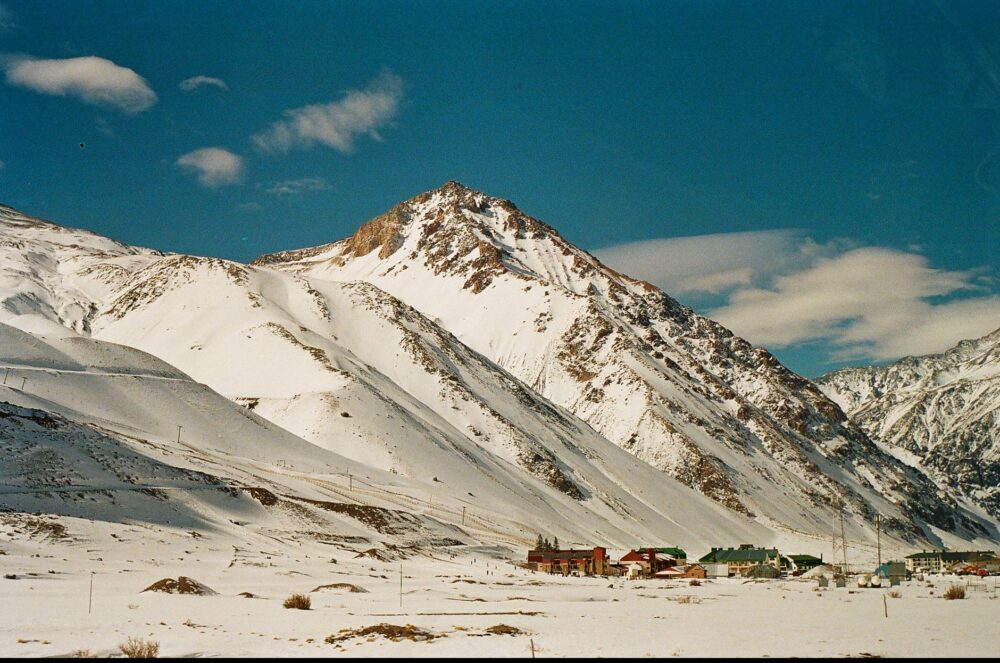
Today, walking along the abandoned platforms of Las Cuevas is an experience of profound emotional resonance. The wind whistling through dilapidated corrugated iron roofs seems to hum the distant rhythm of steam rods that once defied the storm. Amid snow-capped peaks rising imperiously toward the blue sky, the old railway track rests like a backbone of oxidized titanium, a silent monument to human audacity that continues to inspire those who cross the continental border.
Far from the hustle and bustle of major capitals, this cordilleran corner guards the tangible memory of an era when connecting nations was a matter of faith in technical progress. Twisted rails and suspension bridges over empty space are not merely industrial ruins, but stony guardians of a shared history patiently awaiting the day rail transit returns to the heights of the Andes.
ATLAS LUME · ANTES DE VIAJAR
Una lectura que continúa en el destino
DocumentaciónComprueba visados, requisitos sanitarios y vigencia de documentos en fuentes oficiales.
ReservasConfirma el precio final, impuestos y condiciones directamente con el proveedor.
Viaje responsableRespeta las comunidades, el patrimonio y los ecosistemas locales.