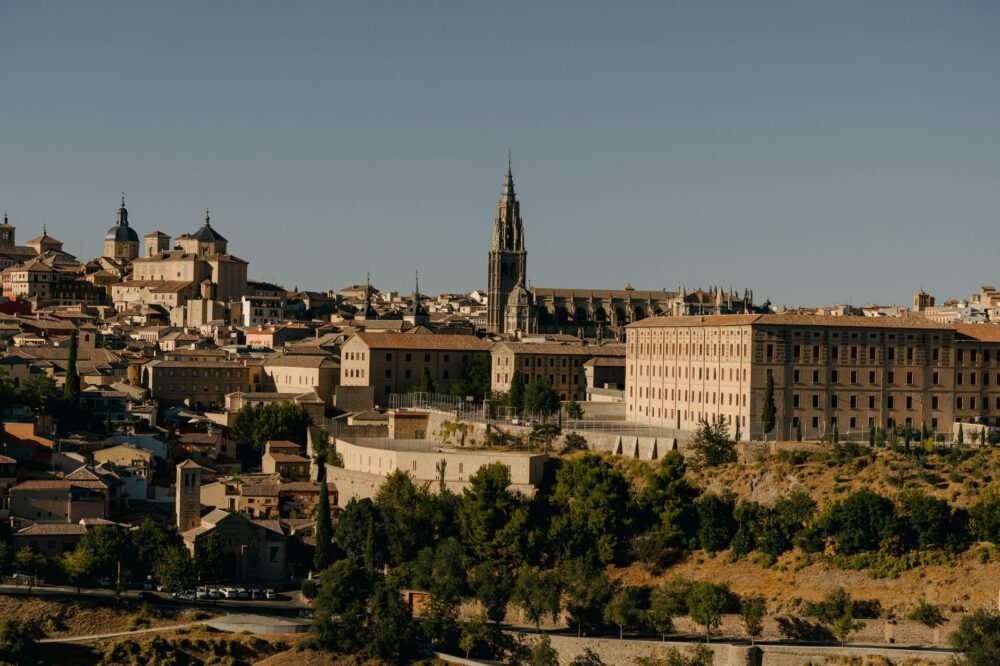

The Persistence of Flavor in Stone Halls
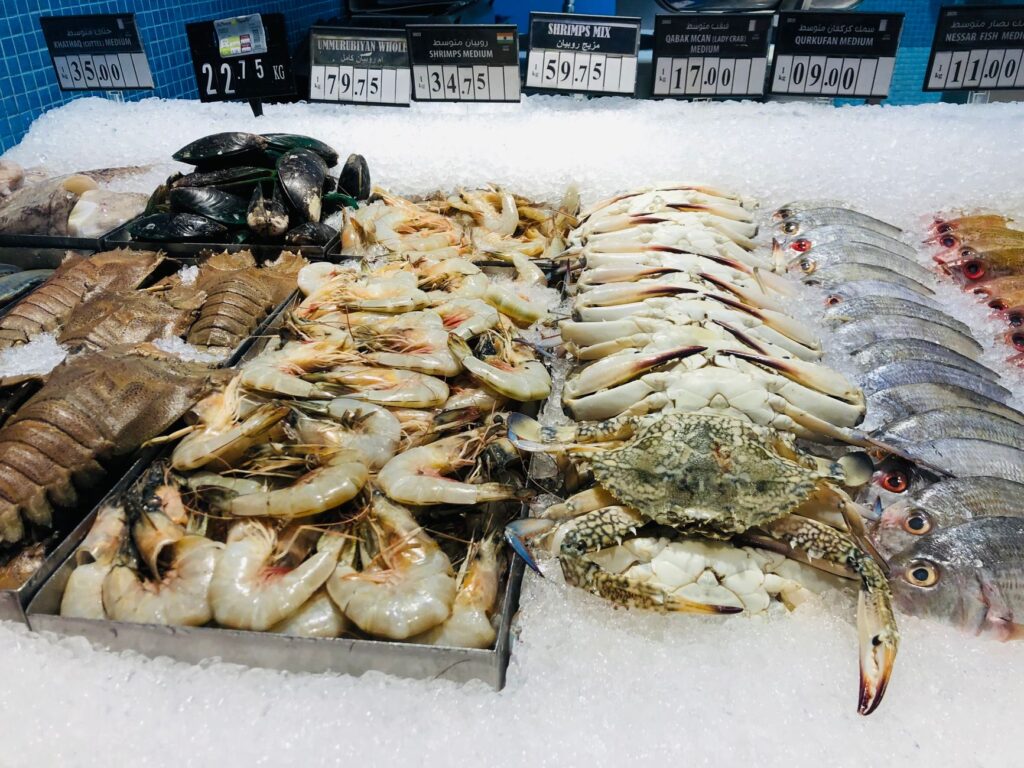
There are geographies where the heartbeat of a city is not measured by the pace of its financial transactions, but by the precision with which a butcher sharpens a knife at six in the morning. In Alicante, that rhythm is set by the Central Market, a rationalist and modernist building where tufa stone and wrought iron enclose centuries of subsistence trading transformed today into daily haute cuisine. Crossing its doors at dawn is not merely an act of provisioning, but an act of civic communion. Here, fish stalls do not hawk their wares with shrill shouts; they display them with the solemnity of a Baroque still life, where red prawns from Denia and prawns from Santa Pola rest on beds of crushed ice like coral marine jewels.
The air smells of fresh sea salt, freshly cut basil, and the subtle background of embers already beginning to warm neighboring taverns. This sanctuary of produce cannot be understood without its geographic counterpart: the Alicante huerta, that fertile strip embraced by the Monnegre River and irrigation systems inherited from Andalusi engineering. While wholesalers sort boxes of loquats from Callosa, artichokes from the Vega Baja, and seasonal tomatoes, the pulse of the province reveals itself as an interconnected ecosystem where land and sea establish an indissoluble pact that nourishes both traditional taverns and the most vanguard workshops of the Levantine coast.
The Architecture of Provision and the Memory of Stone
Built on the grounds of the former San Francisco barracks, the market building designed by architects Juan Vidal Ramos and Francisco Fajardo Guardiola in the late 1920s responds to an era when municipal urbanism understood food markets as secular cathedrals. Its façades combine institutional sobriety with geometric ornamental details, but it is inside where the architecture acquires true functional meaning. Zenithal light, filtered through large skylights, bathes the ground floor and basement stalls, creating a theatrical atmosphere where each stand resembles an altar dedicated to Mediterranean biodiversity.

Wandering through the aisles dedicated to butcher shops and salt-cured meats reveals the evolution of the Alicante pantry. Here, cattle from the interior mountains of Alcoy and Cocentaina coexist with cured treasures from the sea: almadraba tuna mojama, salted roe, and salt cod arriving directly from the northern peninsula. The wooden boards where bakers cut cocas en enramada—a thin dough of flour, water, oil, and yeast topped with chard, anchovies, or fried tomato—bear the marks of thousands of mornings of uninterrupted work. It is architecture at the service of the stomach, a space where time is measured not in hours, but in the seasonal rotation of harvests.
The market is not merely the place where food is bought; it is the living archive where a people’s memory resists being filed away in history textbooks.
The Guardians of the Historic Huerta
Just a few kilometers from the urban walls, the landscape changes radically to enter the traditional huerta of Alicante, a territory threatened by real estate pressure but defended tooth and nail by farmers maintaining centuries-old cultivation techniques. Here, water is managed not through complex automated systems, but following the rigorous turn of the Water Tribunal and ordinances inherited from Arab irrigation. In these small, fragmented plots grow local varieties that agribusiness discarded for low commercial profitability: platja onions, Alicante turnips, or small squashes for winter stews.

Conversing with local farmers reveals agronomic wisdom that defies modern manuals. They know how to read the clouds descending from the Sierra de Aitana to determine the exact moment to flood-irrigate without drowning vegetable roots. This local produce, harvested mere hours before being displayed in market stalls, is the true silent protagonist of Alicante’s gastronomy. Without this network of small producers waking up early to harvest vegetables with morning dew, the province’s rice dishes would lose that baseline of authenticity that distinguishes a home-cooked recipe from standardized tourism fare.
The Liturgy of Rice: Science and Patience in the Cauldron
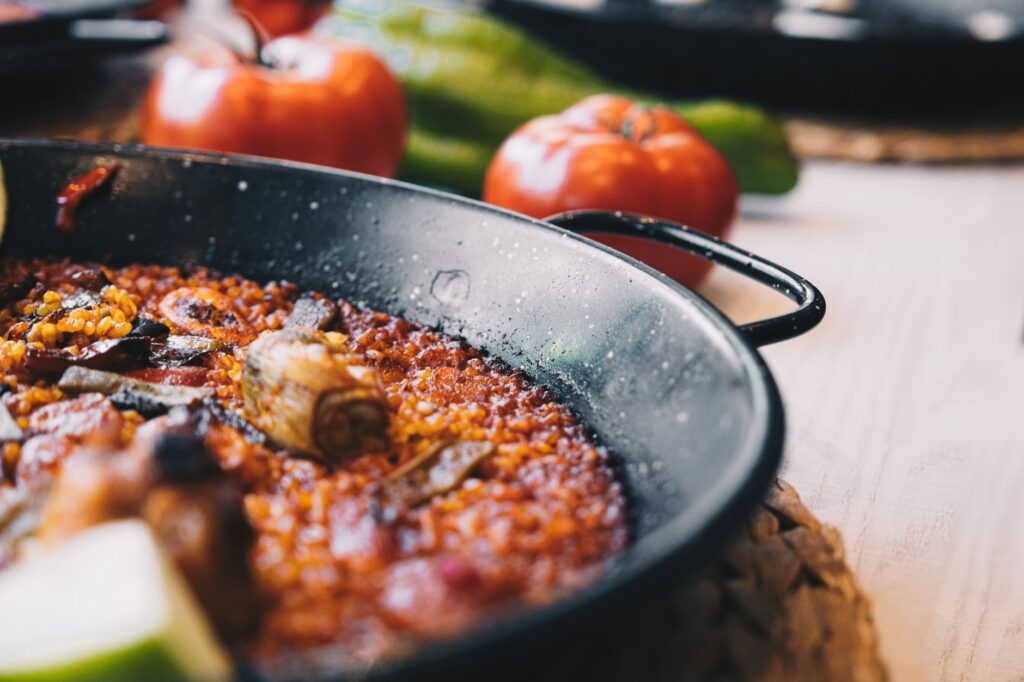
To speak of Alicante without mentioning rice is to commit an unforgivable omission. Unlike neighboring regions where grains acquire stewed textures, here culinary culture fiercely defends dry rice, cooked in iron or polished steel vessels where heat is distributed with mathematical precision. The secret lies not solely in grain quality—generally varieties like bomba or senia grown in the nearby Pego marsh—, but in the prior preparation of the broth, a dense, concentrated stock requiring hours of slow simmering with rock fish, mantis shrimp, dried ñora peppers, and garlic.
In the kitchens of old-town restaurants and seafaring neighborhoods like Santa Cruz, the fire is controlled with the intuition of veteran rice masters. The socarrat, that layer of toasted, crispy rice adhering to the bottom of the vessel at the end of cooking, is no accident, but the supreme objective of the technique. Achieving it requires extinguishing the fire at the precise moment and letting the dish rest under a clean linen cloth so aromas concentrate. It is an almost alchemical process transforming humble ingredients into popular haute cuisine.
Practical guide
How to get there: Alicante Central Market is located at number 6 Avenida de Alfonso el Sabio, accessible on foot from any point in the historic center and connected to metropolitan tram lines (TRAM) and urban buses. To explore the traditional huerta, renting a vehicle or using signposted cycling routes connecting the city with San Vicente del Raspeig and Mutxamel is recommended.
When to go: The best time to visit the market and huerta is during early morning hours, between 07:30 and 10:30, when stalls are at peak activity and freshly arrived produce is displayed without intermediaries. Spring and autumn offer the most pleasant temperatures for walking irrigation ditches and traditional orchards.
Recommended accommodation: Alicante’s historic center features boutique hotels housed in rehabilitated 19th-century mansions, such as Hospes Amérigo, alongside small tourist apartments managed by local professionals in the Santa Cruz neighborhood.
Essential gastronomic addresses: To breakfast on a freshly baked coca en enramada, the Central Market interior houses historic stalls like Panadería Soler. To enjoy flawless traditional rice, Casa Julio in the seafaring neighborhood or Nou Manolín in the urban center are mandatory stops for absolute respect for seasonal produce.
Shopping tips and environmental respect: When purchasing produce at the market, always inquire about the local origin and traceability of fruits and vegetables. Respect irrigation channels and private property when walking through the traditional huerta; many of these plots remain active agricultural holdings depending on order and environmental tranquility for viability.

The Echo of Sea and Land in Memory
At dusk, when the metal shutters of the Central Market have rolled down and the bustle of shoppers dissipates into city terraces, a subtle resonance lingers in the air. It is the echo of a way of understanding life where food is not an interchangeable consumer good, but the tangible fruit of a shared territory. In the faces of vendors cleaning counters with warm water and white soap, the dignity of a trade surviving economic crises, urban transformations, and fleeting fads shines through.
Alicante, viewed from the perspective of its pantry, ceases to be a mere postcard of sun and beach, transforming into a complex anthropological fabric where every tomato, every prawn, and every grain of rice encloses a story of human effort. At the end of the day, what remains on the palate is not only the taste of salt and virgin olive oil, but the comforting certainty that, as long as markets exist where a buyer’s gaze meets a producer’s directly, the culture of good eating will continue to have a firm home in which to take refuge.