
The Iron Artery That Challenged the Vastness of the Sahel
The horizon of West Africa unfolds in an expanse of ochre and golden tones, where the Dakar-Niger railway line has etched a scar of steel and hope for over a century. This monumental infrastructure, conceived during the colonial era to connect Senegal’s Atlantic port with the banks of the Niger River, represents far more than a mere transport route; it is the backbone that has structured the commerce, demography, and culture of one of the planet’s most complex regions. Through unforgiving deserts, thorny savannas, and lateritic plateaus, metallic convoys have sustained the subsistence economy and large-scale exchange among communities that, without the regular passage of the track, would remain isolated during seasonal floods and droughts.
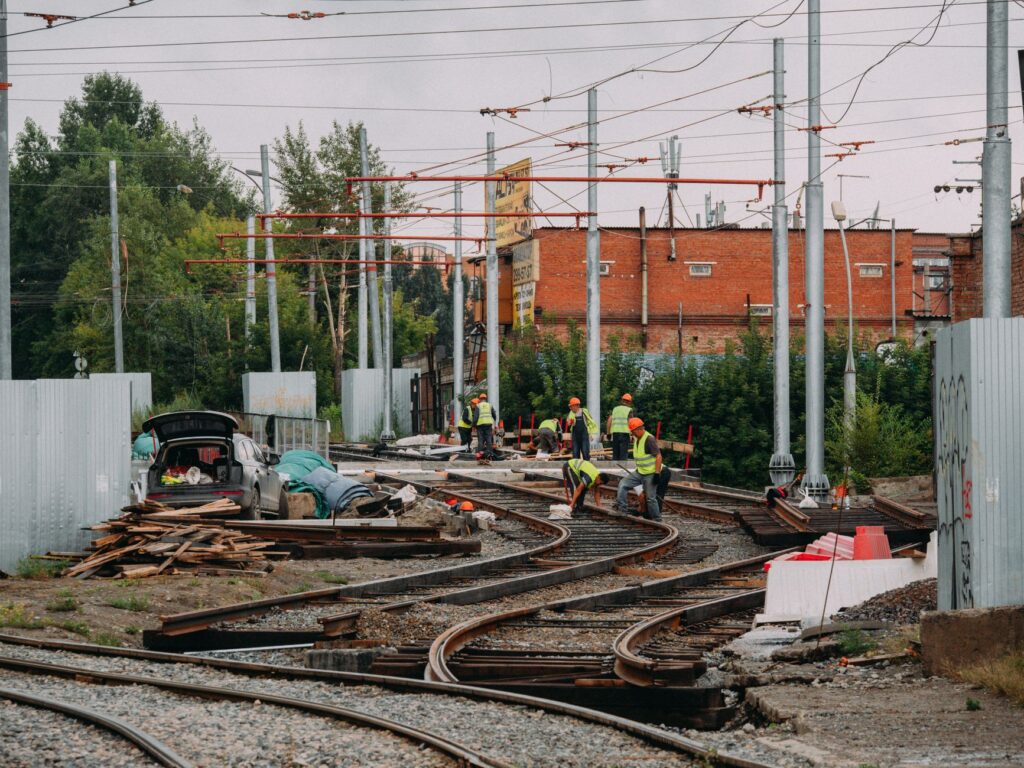
Understanding the current dimension of this corridor requires immersing oneself in a complex network of railway engineering adapted to the brutal climate of the Sahel. Thermal oscillations, frequently exceeding forty degrees between day and night, impose extreme stress on steel rails and hardwood sleepers. Across its more than one thousand operational kilometers in its historical layout, track maintenance constitutes a titanic exercise in human endurance and logistics. Crews of local workers, heirs to a technical tradition passed down through generations, continuously combat the relentless advance of mobile dunes and the torrential erosion caused by the brief yet violent storms of the summer monsoon.
Century-Old Engineering Confronting Erosion and Isolation
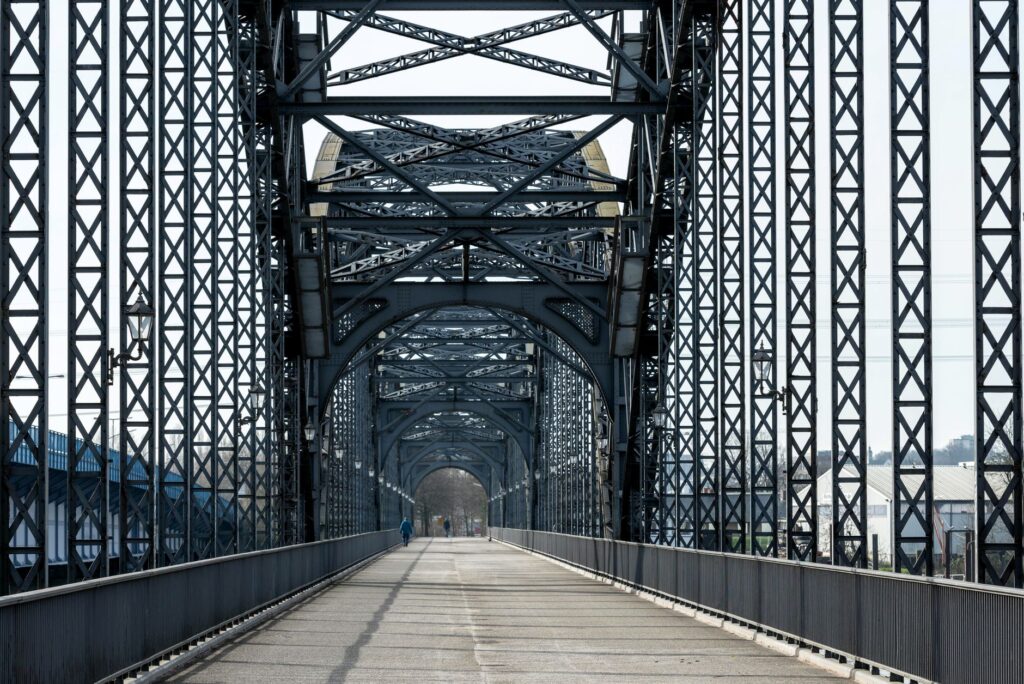
The history of this railway is deeply tied to the titanic effort of French engineers and African labor in the late 19th and early 20th centuries. The metallic bridges spanning the tributaries of the Senegal River, designed with unwavering industrial robustness, continue to bear the weight of modernized diesel locomotives that coexist with the memory of ancient steam engines. Each iron lattice structure stands as a testament to the civil architecture of the era, calculated to withstand not only tons of mineral and agricultural cargo, but also the fury of river surges threatening to destabilize masonry abutments.
However, the route’s true technical challenge lies in managing gradients and conquering interior plateaus. Convoys must negotiate steep ramps where wheel adhesion on the rail becomes critical due to the fine layer of sand constantly swept from the desert by the wind. To mitigate this phenomenon, railway authorities and local technical teams have implemented strict protocols for mechanical cleaning and track ballasting, combining satellite positioning technology with ancestral knowledge of unstable terrain. This symbiosis between modern innovation and practical expertise keeps alive a transport system that many once considered extinct.
The Human Pulse at Transit Stations and Wayside Markets
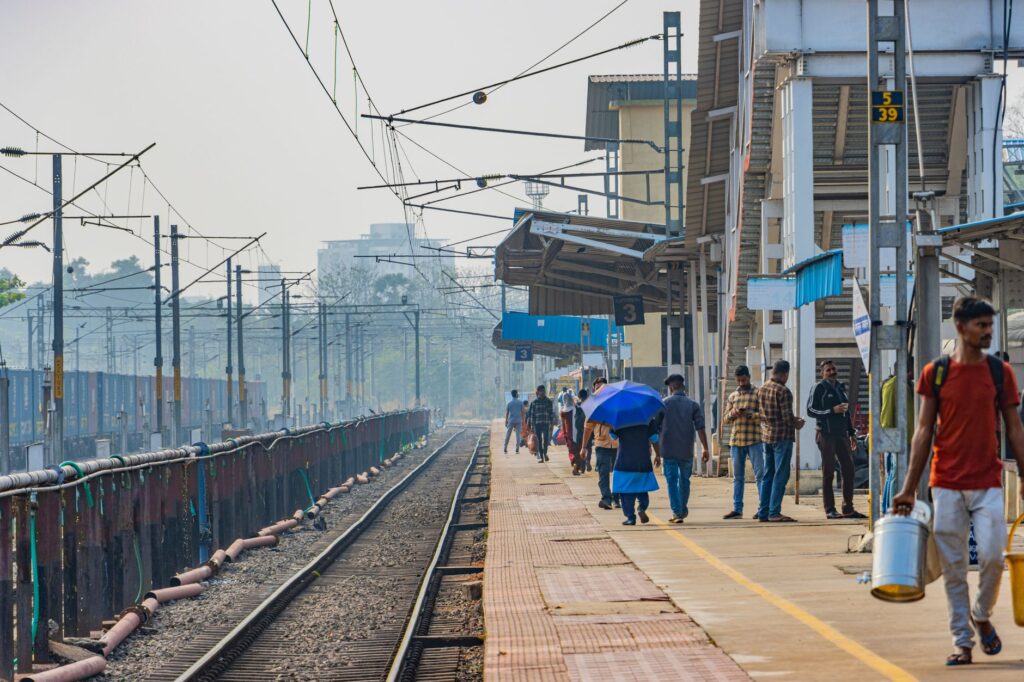
Beyond its purely technical value, the Dakar-Niger train is a living social organism that transforms every stop into a first-rate anthropological event. When the distant whistle of the locomotive announces its arrival at intermediate stations—dusty expanses that remain dormant under the blazing sun—the scene instantly erupts into a hub of commercial and human activity. Local merchants, porters, and travelers crowd near carriage doors in a precise choreography negotiating everything from sacks of millet and dried fish to artisanal goods and mechanical spare parts.
This constant exchange turns the journey into a genuine platform of territorial cohesion. For remote villages devoid of paved roads year-round, the arrival of the train represents the only reliable lifeline for access to medicine, higher education, and regional markets to sell harvests. The economic dependence of these communities on the railway is absolute, explaining the deep social resilience surrounding each line rehabilitation. Passengers packing wooden seats and corridors are not mere users, but participants in a culture of shared mobility where time is measured in stops, encounters, and the solidarity inherent in long-distance travel under adverse conditions.
Heavy Logistics: Freight, Minerals, and Regional Supply
The corridor’s economic role is not limited to passenger transport; its true strategic rationale lies in the efficient moving of large-scale freight. Peanuts, cotton, petroleum products, and construction materials circulate in heavy freight compositions that relieve pressure on a fragile road network costly to maintain. The capacity to move thousands of tons in a single convoy drastically reduces the logistical footprint and cost per ton-kilometer, vital elements for landlocked interior economies depending on rapid access to deep-water Atlantic ports.
Nonetheless, managing this supply chain faces monumental challenges stemming from the obsolescence of part of the rolling stock and a shortage of fully equipped repair workshops. Local mechanical engineers perform true feats of industrial craftsmanship, fabricating replacement parts in century-old lathes when official import channels fail. This technical adaptability guarantees operational continuity in a globalized world where supply chains typically rely on standardized components inaccessible in remote geographic zones. The result is a hybrid system where past engineering continues to function through contemporary human ingenuity.
The railway in the Sahel is not a relic of colonial history, but a dynamic organism defying geography through collective effort and trench engineering.
Railway Architecture and Climatic Transition Landscapes
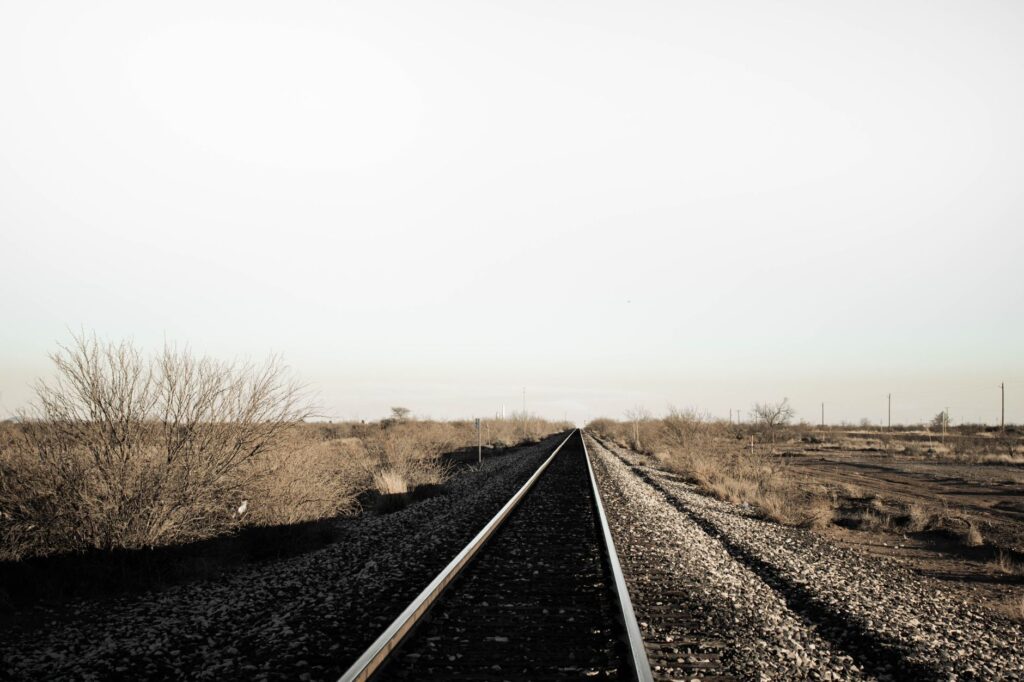
Visually, the journey along this rail axis offers one of the most fascinating landscape transitions on the African continent. Starting from the Atlantic coastal strip, characterized by humidity and tropical mangrove vegetation, the train winds progressively inland into wooded savannas of acacia and baobab. As the kilometers accumulate, the earth assumes increasingly intense reddish hues, and vegetation yields to semi-arid steppe, where landscape contours become infinite and abstract under celestial domes of breathtaking clarity.
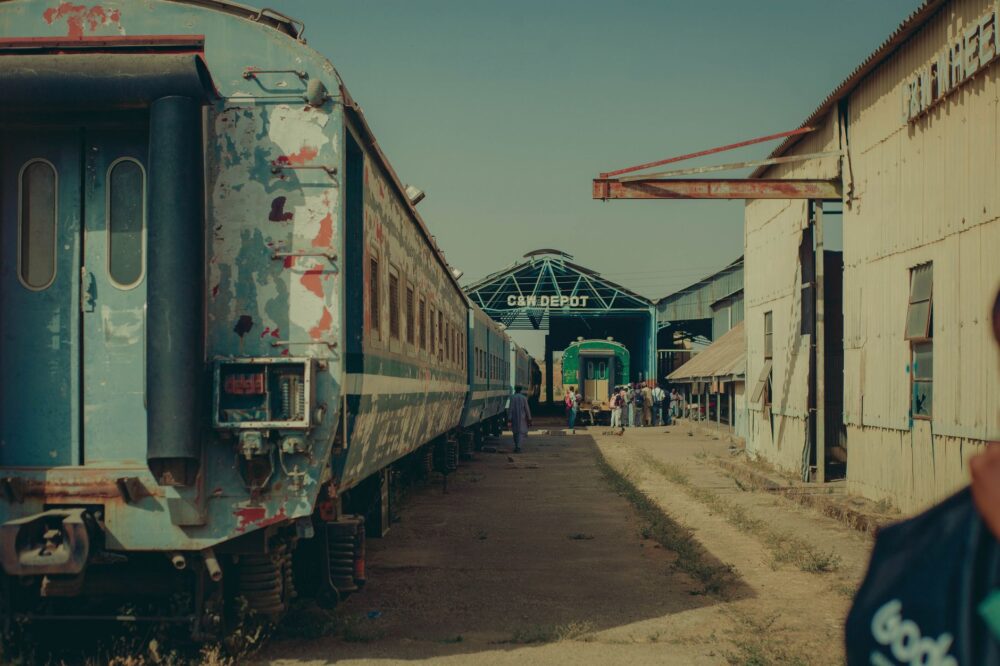
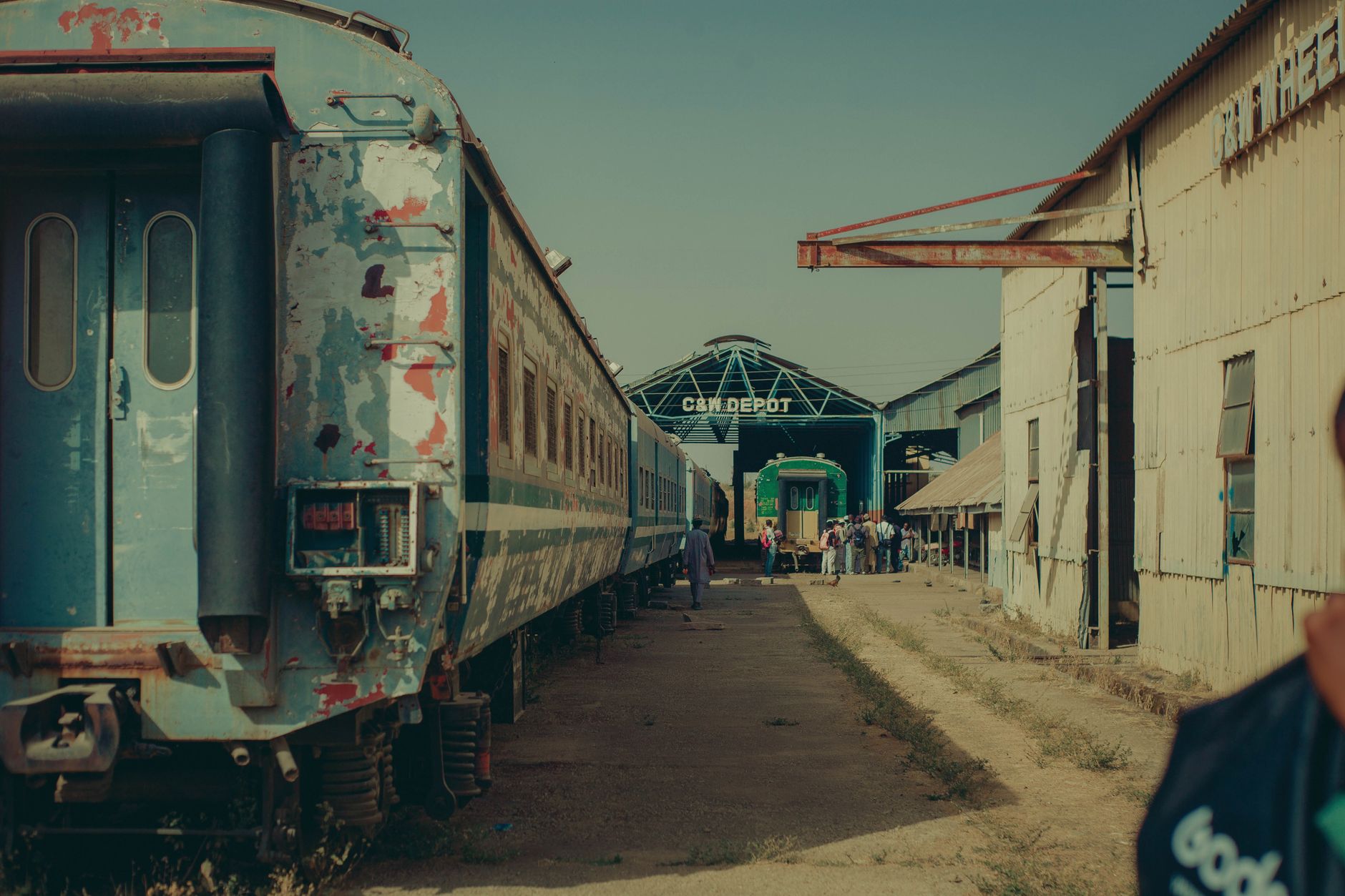
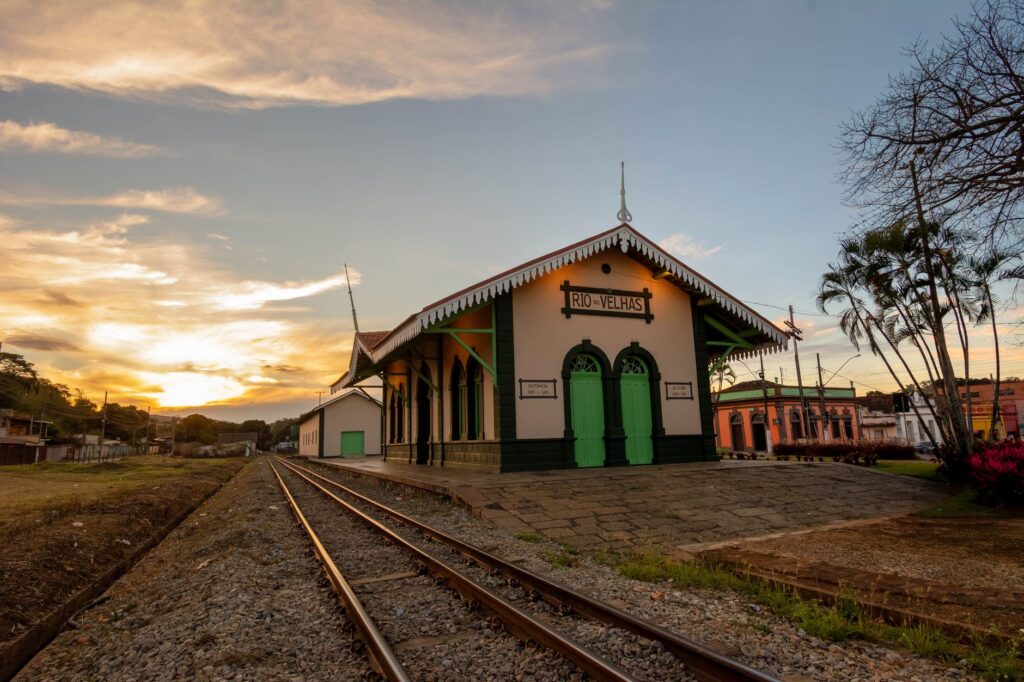
Terminal stations and intermediate locomotive depots display colonial industrial architecture successfully integrated into the local urban landscape. Built with local stone, double-height corrugated metal roofs, and wide shaded galleries, these structures aimed to mitigate extreme heat before air conditioning. Today, many of these structures function as spontaneous community centers, where vaulted ceilings and converted freight warehouses house the living memory of generations of railway workers. Preserving this architectural heritage is a paramount challenge for local administrations balancing operational modernization with historical identity.
Practical guide
Planning an approach or documentary journey along the Dakar-Niger rail corridor requires absolute methodological rigor and profound respect for local schedules and protocols.
Access logistics: The main departure point is located in the major logistical hubs of Senegal and Mali. Consulting the current operational status of freight and passenger lines is essential, as comprehensive rehabilitation projects often entail temporary section closures.
Security and permits: As a critical cross-border transport infrastructure, access to track areas and workshops requires official authorizations issued by national railway companies and transport authorities.
Climatology and equipment: Extreme temperatures and environmental dryness demand breathable technical clothing, broad-spectrum sun protection, and a rigorous personal hydration system. Photographic and electronic equipment must be hermetically protected against the constant invasion of fine Saharan dust.
Accommodation and services: Formal hotel infrastructure is limited to major regional capitals. In intermediate stations and rural stretches, local hospitality is the sole resource available, making basic logistical autonomy imperative.
Silence and Memory: The Visual Dusk Across Interior Plains
As the sun begins to dip over the vast interior plains of the Sahel, the railway landscape acquires a deeply emotional and contemplative dimension. The final rays of light pierce columns of smoke and dust raised by the convoy’s slow passage, casting elongated shadows over rails that vanish into the horizon’s immensity. In that moment of thermal reprieve, the station’s bustle fades into absolute silence, broken only by the rhythmic clatter of rail joints and the whisper of warm wind across the steppe.
This perpetual sunset encapsulates the journey’s ultimate essence: a transit where time seems suspended between monumental engineering and human frailty. Communities gathered by the track observe the train with the same mix of familiarity and expectation as their ancestors a century ago. Against the glowing sky, the silhouette of baobabs outlines the promise of continuity for a corridor that, despite logistical and climatic adversities, refuses to fade from the map of African memory.
Against the vertigo of modern speed, the Sahel train teaches the patience of vast spaces and the indestructible dignity of its people.