
A Territory of Open Horizons and Silent Urgencies
The wind sweeping across Los Monegros does more than sculpt the relief of gypsum and clay; it tests the resilience of one of Europe’s most unique and fragile ecosystems. In this vast depression of the Ebro River valley, where chronic water scarcity and intense solar radiation dictate the rhythm of life, environmental conservation has ceased to be a mere declaration of intent and has become an urgent technical and social necessity. For decades, intensive agricultural pressure, habitat fragmentation, and the progressive abandonment of extensive livestock farming have strained an equilibrium resting upon exceptionally delicate soils.
Facing this scenario of vulnerability, an integrated strategy is reshaping the Aragonese landscape. Far from superficial cosmetic interventions, scientists and local communities have embraced an approach that combines soil bioengineering with the recovery of traditional minor transhumance routes. The fundamental premise is as straightforward as it is demanding: restoring the natural infiltration capacity of water and allowing livestock to resume its ecological role as a seed disperser and terrain shaper.
This transformation does not originate in distant offices, but rather in the constant dialogue between scientific knowledge and the memory of those who have inhabited these lands for generations. Local shepherds, guardians of ancestral wisdom regarding sheep management under extreme water stress, now collaborate closely with biologists and fluvial restoration experts to heal the wounds left by historical water erosion and overgrazing.
The Invisible Architecture of Soil Bioengineering
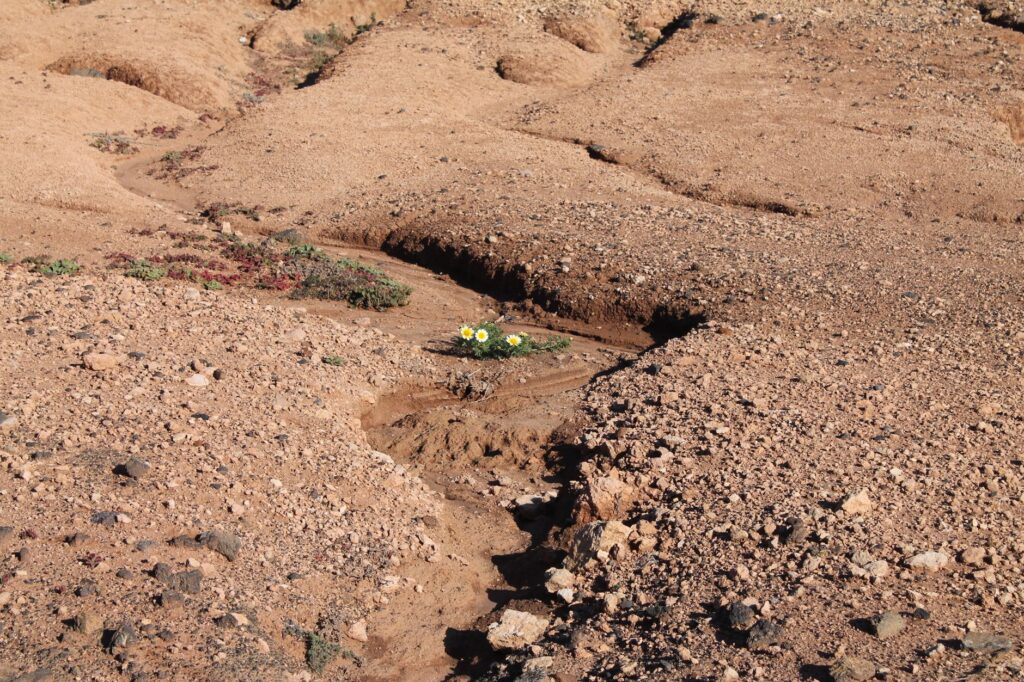
The technical core of this initiative lies in the use of bioengineering techniques to halt erosive processes threatening to sterilize the comarca’s clay slopes. Unlike major civil engineering works, which typically alter the environment irreversibly, bioengineering employs living elements and biodegradable materials—such as coconut fiber netting, native wood fascines, and strategic plantings of drought-resistant shrub species—to stabilize slopes and retain scarce available moisture.
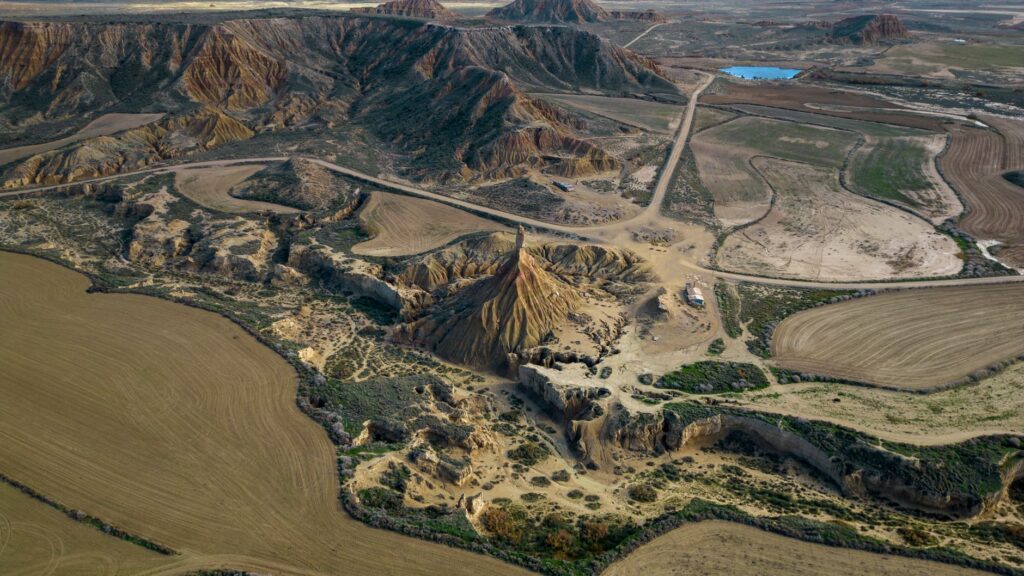
Environmental engineers operating on the ground explain that the primary objective is to mimic the patterns nature itself carves into seasonal ravines. By slowing down stormwater runoff following torrential downpours, massive nutrient loss is prevented and small microhabitats are created where steppe vegetation can take root once more. This approach not only protects plant biodiversity but also prevents the collapse of adjacent rural infrastructure.
Soil restoration is not a static process, but a continuous biological cycle requiring patience and constant monitoring. Each treated ravine section acts as a small sponge capable of retaining valuable cubic centimeters of water that previously vanished into sterile runoff. Over the seasons, these invisible interventions have proven remarkably more effective than traditional concrete dams, blending seamlessly into the visual landscape of Los Monegros.
The Reclaimed Role of Regenerative Grazing
Alongside bioengineering works, local livestock farming is undergoing a profound conceptual reconversion. Far from being viewed as a factor of degradation, sheep farming has been revalued as the most effective ruminant management tool for maintaining steppe biodiversity. Through intensive rotational grazing techniques, flocks traverse specific plots for short periods, mimicking the behavior of large wild herbivores that once roamed these latitudes.
This controlled management system ensures the soil receives balanced inputs of organic matter via manure, while moderate trampling helps break up the hard surface crust, facilitating the germination of buried seeds. Shepherd guilds and local agricultural associations work hand in hand with natural park technicians to plan flock movements, carefully avoiding nesting areas for protected steppe birds such as the great bustard and little bustard.
blockquote>The flock is not an external element to the ecosystem, but the mobile pulse connecting the different pieces of this arid territory. Without the animals, the steppes would lose their complex web of biological interdependencies.
The results of this interdisciplinary collaboration are already visible in fauna censuses and soil fertility analyses. The recovery of vegetative cover in grazing zones has increased pollinator insect populations, which in turn positively impacts insectivorous birds and small mammals adapted to semi-arid environments.
Ecological Connectivity and Lowland Green Corridors
Another fundamental axis of this conservation model is the creation and consolidation of ecological corridors connecting scarce endorheic saline wetlands with sabine woodlands and high-plateau shrublands. Habitat fragmentation, historically driven by the opening of agricultural tracks and the expansion of peripheral irrigated land, had isolated numerous endemic flora populations.
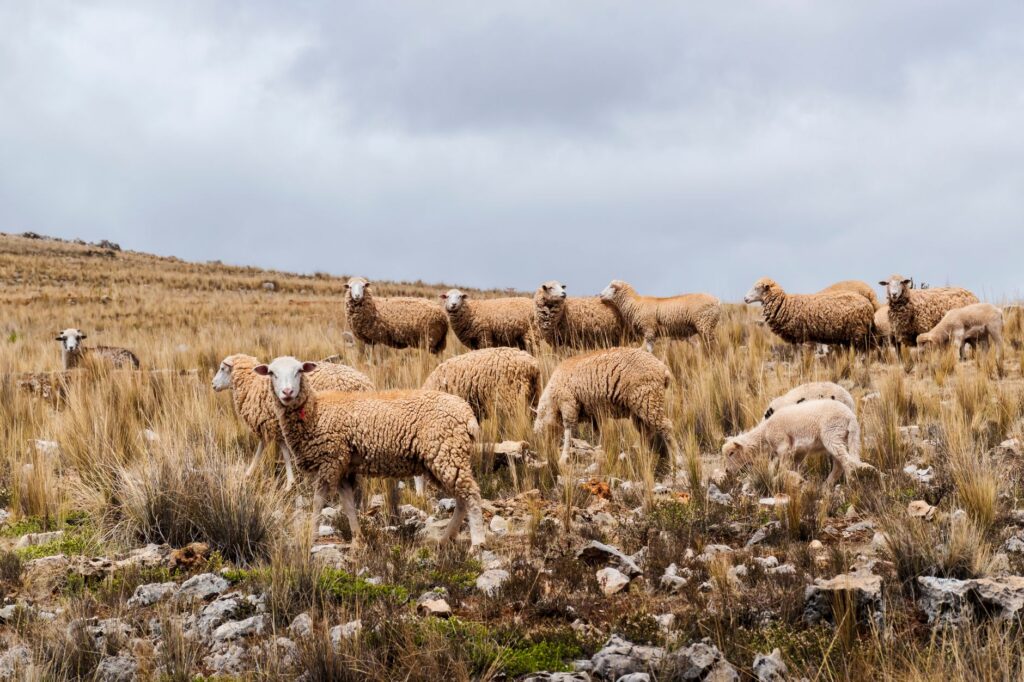
To stitch this territorial mosaic back together, environmental managers have promoted the recovery of ancient livestock trails and traditional paths, transforming them into multifunctional green corridors. These routes not only facilitate the safe transit of wildlife and domestic livestock, but also serve as channels for seeds transported by wind and animals.
Ecological connectivity is the life insurance allowing species to adapt to current climatic fluctuations. In an environment where average temperatures continue to rise, the capacity of flora and fauna to migrate toward favorable thermal refuges depends directly on the continuity and health of these low-human-impact corridors.
Citizen Science and Local Governance
None of these transformations would have been viable without a profound shift in territorial governance mechanisms. The traditional distrust between rural inhabitants and administrative bodies tasked with environmental protection has given way to local co-management committees where shepherds, town councils, research centers, and conservationist groups establish the foundations for annual management.
This participatory model relies heavily on citizen science programs, inviting visitors and residents alike to monitor the evolution of steppe flora using mobile applications and field workshops. In this way, the community not only assumes moral ownership of conservation but also contributes invaluable databases concerning local phenology and the appearance of water-stress indicator species.

Environmental education has also found a new channel in rural schools throughout the comarca, where students actively participate in native plant nurseries later utilized in bioengineering works. This early immersion ensures generational renewal in conservationist awareness, grounding pride of place in one of the most fascinating and complex landscapes on the Iberian Peninsula.
Practical Guide
How to get there: Los Monegros is strategically located between Zaragoza and Huesca. Primary road access is via the A-2 dual carriageway and the AP-2 motorway, as well as the regional road network connecting key towns such as Sariñena, Bujaraloz, and Castejón de Monegros.
When to visit: Spring (March to May) and autumn (September to November) offer optimal thermal conditions and peak biological activity, featuring steppe wildflower blooms and migratory bird passages. The summer period should be strictly avoided due to extreme temperatures and high wildfire risks.
Code of conduct: Leaving marked paths with motor vehicles or on foot during steppe bird nesting seasons (April to July) is strictly prohibited. Respect free-roaming livestock and ensure all gates and fences encountered along your route are securely closed.
Accommodation and services: Tourism infrastructure relies on small rural guesthouses featuring traditional architecture and charming hotels converted from historic manor houses. Advance booking is recommended, alongside purchasing local products directly from regional producers.
The Eternal Pulse of the Arid Land
At the end of the day, when the sun begins to dip over the flat horizon of Los Monegros, the land seems to hold its breath in breathtaking silence. The shadows of the shrubby vegetation stretch across cracked clay, and the distant bell of a flock reminds observers that this apparent desert is actually a living, vibrant organism. The alliance between modern science, artisanal bioengineering techniques, and the ancestral wisdom of shepherds has proven that healing the most battered landscapes without completely domesticating them is entirely possible.
This delicate balance achieved in Aragon transcends local borders, offering a replicable roadmap for other semi-southern European regions facing the specter of desertification. The lesson emanating from these plains is profound: authentic conservation does not mean freezing time under glass bells, but rather restoring the natural flows that allow life to persist against all odds. And in that silent endeavor, every drop of retained water and every hoofprint marking the steppe soil constitutes an undeniable victory against oblivion.