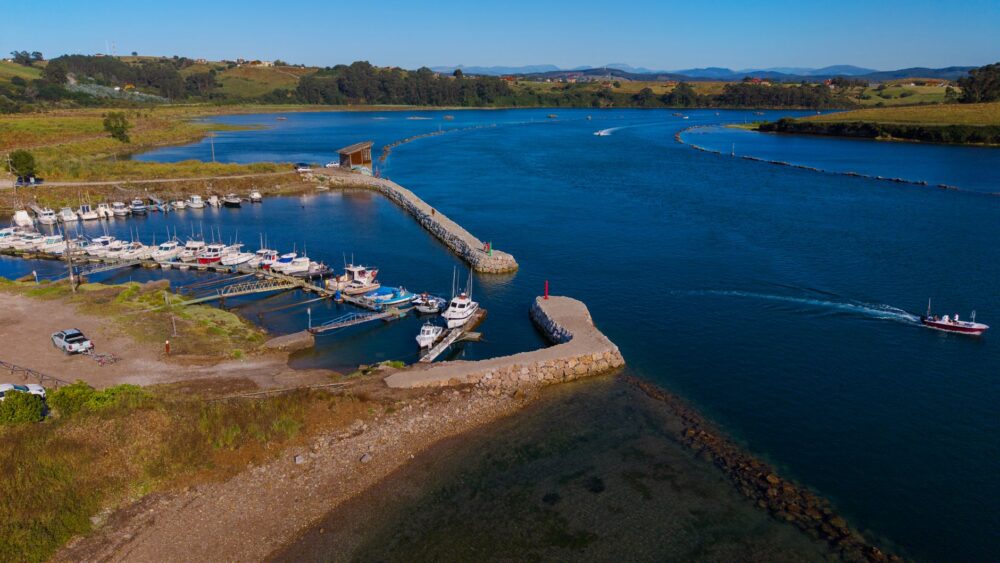

At the northwestern tip of the Iberian Peninsula, where the Atlantic Ocean patiently sculpts the ancient granitic stone of the Galician coast, the Arousa Estuary represents much more than an exceptional geographical feature. It is a human and biological ecosystem of astonishing complexity, where the livelihood of its people has historically depended upon an intimate relationship with the saltwater. From shellfish harvesting to mussel aquaculture on floating platforms, maritime traffic has formed the primary artery of the local economy. However, the traditional model of nautical transport, reliant on highly polluting fossil-fuel engines and uncontrolled seasonal overcrowding, began showing unsustainable cracks in the early 2020s. The urgency to preserve marine biodiversity and guarantee efficient mobility for residents and travelers alike forced a complete rethinking of navigation across these nutrient-rich waters.
Facing this challenge, a consortium formed by fishermen’s guilds, coastal municipalities, naval technologists, and marine biologists launched an unprecedented transformation project. The central thesis of this initiative posits that the decarbonization of regional maritime transport is not only compatible with the maintenance of local traditions, but acts as a catalyst for the economic and ecological regeneration of the estuary. Far from imposing standardized solutions imported from distant metropolises, the Arousa model draws upon empirical knowledge accumulated over generations by local sailors, combining it with cutting-edge naval engineering. The result is an integrated mobility network that prioritizes low speeds, energy efficiency, and the active participation of riparian communities in daily traffic management.
The Transition Toward Hybrid Propulsion in the Inshore Fleet
The first major technical obstacle the project faced was the obsolescence of the fleet of ferries and passenger launches connecting historical ports such as Vilagarcía de Arousa, O Grove, Cambados, and Arousa Island on a daily basis. Traditionally powered by high-displacement diesel engines, these vessels generated not only significant carbon dioxide emissions but also underwater noise pollution that disrupted the communication and feeding patterns of local fauna, including minor cetaceans and protected seabirds.
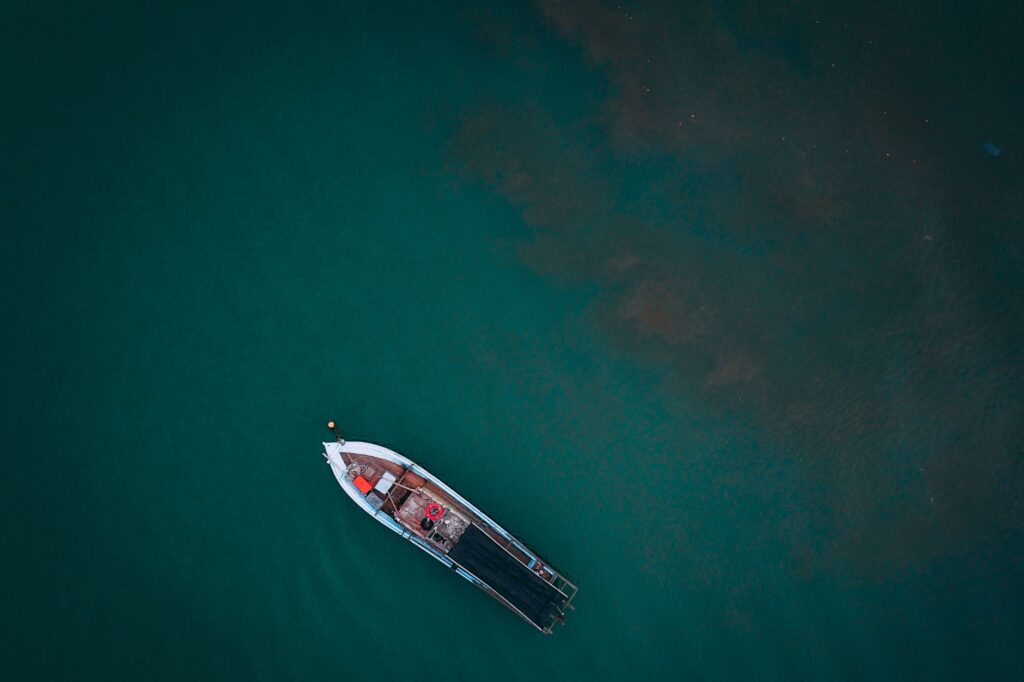
The engineering response consisted of the design and launching of a new generation of plug-in hybrid ferries. These vessels combine high-energy-density battery banks with auxiliary advanced biofuel engines and solar panels integrated into the upper decks. Hybridization allows the vessels to operate in fully electric mode during maneuvering approaches to ports and within zones of heightened ecological sensitivity, reducing local emissions to zero at the busiest docks. Additionally, hulls have been redesigned with optimized hydrodynamic geometries to minimize resistance to forward motion, drastically lowering energy consumption per transported passenger.
Low-Speed Networks and the Protection of Seabeds
The transformation of transport in the Arousa Estuary is not limited to engine modernization; it entails a radical alteration in the very philosophy of navigation. For decades, the pressure to shorten travel times encouraged the proliferation of fast boats that generated violent wakes. These high-energy waves impacted fragile intertidal ecosystems, eroded shellfish beds, and jeopardized the safety of small artisanal vessels dedicated to manual shellfishing.
To counter this phenomenon, regional authorities, in collaboration with the master fishermen of the guilds, implemented a system of low-speed nautical corridors. Strict knot limits were established near estuaries and bivalve breeding grounds. This speed limitation, far from harming connectivity, has fostered a cultural shift toward valuing the journey as a fundamental part of the travel experience. Passengers no longer seek impersonal speed, but rather the unhurried contemplation of mussel rafts and salt pans, rediscovering the territory on a human scale respectful of the environment’s biological rhythms.
Smart Port Infrastructure and Green Charging
Supporting a fleet of hybrid and electric ferries required a parallel, profound renewal of land-based infrastructure across the estuary’s docks. The ports of Arousa have become living laboratories for port energy transition. Ultra-fast charging stations powered exclusively by local renewable sources have been installed, combining coastal small-scale wind energy and micro-photovoltaic parks located on the roofs of fish markets.
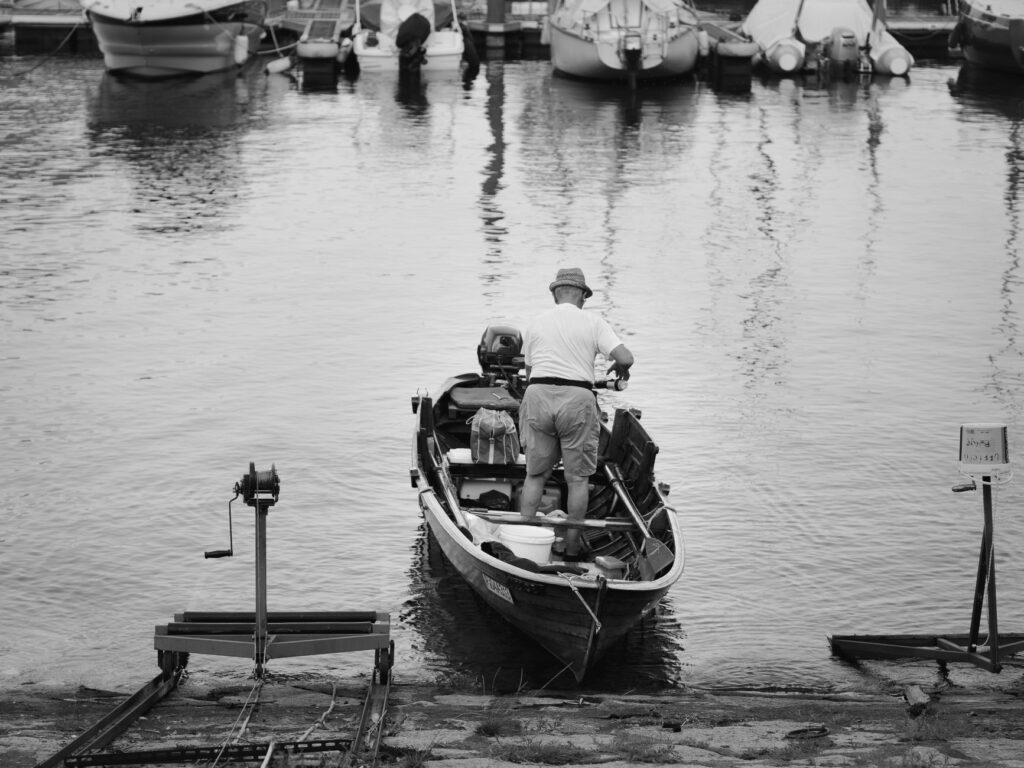
The port energy management system operates via a smart grid that balances the demand of docked vessels with the consumption of fish processing facilities and neighboring homes. This energy integration ensures that vessel recharging takes place preferentially during hours of peak renewable production, avoiding overloads on the conventional electrical grid. Furthermore, docks have been equipped with articulated floating gangways that automatically adapt to the notable oscillations of Atlantic tides, facilitating the safe boarding of passengers with reduced mobility and reducing turnaround times for ferries in port.
Community Governance and the Role of Fishermen’s Guilds
The success of this regional mobility transformation fundamentally lies in its governance model. Unlike other transport projects driven from distant ministerial offices, the Arousa Estuary plan was co-designed and managed from its roots by local communities themselves. The fishermen’s guilds—centuries-old institutions deeply rooted in Galicia—have assumed a leading role in decision-making regarding routes, frequencies, and navigation regulations.
Through joint management committees involving gatherers, shipowners, municipalities, and scientists from the University of Santiago de Compostela, the impact of new transport routes on the marine environment is continuously evaluated. This democratic and decentralized control ensures that decisions respond to the real needs of the ecosystem and its inhabitants, avoiding conflicts of interest that typically arise when tourism and transport development are planned without involving the traditional primary sector.
True innovation in sustainable transport does not consist of applying more complex technology, but in aligning human mobility with the rhythms of the nature that sustains us.
Multimodal Integration and Last-Mile Connectivity
Sustainable maritime transport in Arousa would lack efficacy if operated in isolation. Therefore, the project has addressed land connectivity and multimodal integration on solid ground with equal intensity. The main docks have been transformed into intermodal transport nodes where ferries connect synchronously with zero-emission urban and interurban bus lines and electric bicycle rental networks adapted to the coastal relief.
A unified digital information and ticketing platform has also been implemented, allowing travelers to plan combined journeys using trains, buses, and ferries through a single digital medium. This administrative simplification has discouraged the use of private vehicles to access the most sensitive coastal points during summer months. The elimination of unnecessary vehicular traffic in traditional fishing villages has restored tranquility to cobbled streets, improving the quality of life for residents and drastically reducing the region’s overall carbon footprint.
Environmental Education and Scientific Tourism as an Economic Engine
The metamorphosis of transport in the Arousa Estuary has generated a highly positive secondary effect: the emergence of specialized, high-value-added tourism demand. Far from mass tourism seeking passive leisure, the estuary now attracts visitors interested in ecotourism, marine biology, and sustainable naval architecture. The hybrid ferries themselves are occasionally used as floating classrooms where researchers explain the functioning of the estuarine ecosystem and the importance of preserving underwater meadows to passengers.
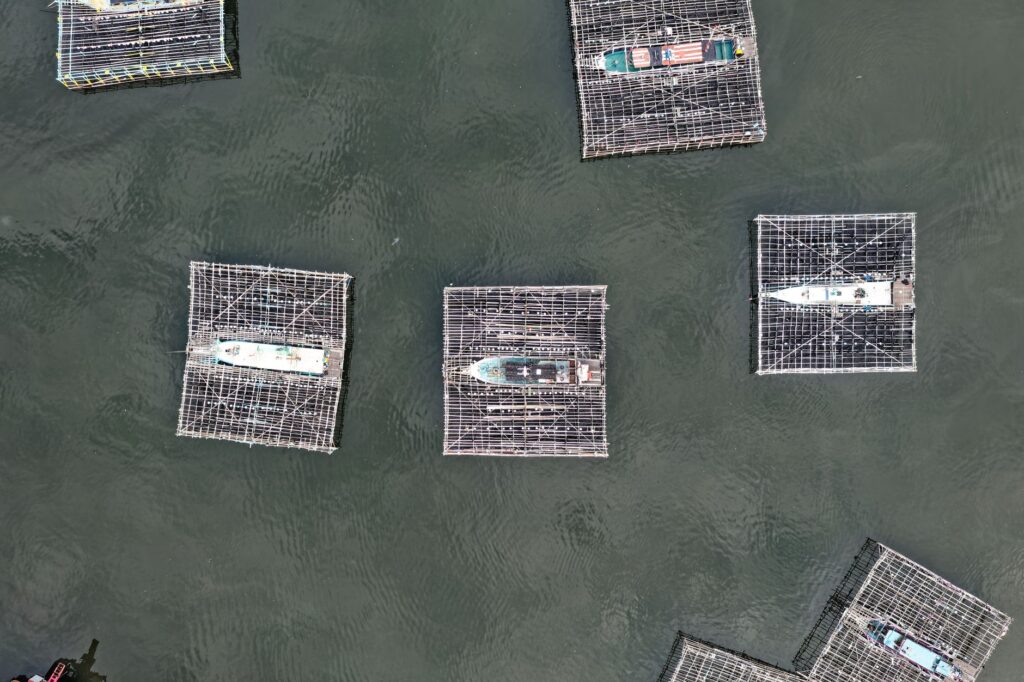
This pedagogical approach transforms every passenger into an active ambassador of sustainability. Guided visits to mussel rafts, conducted on authorized low-impact vessels, allow visitors to understand the delicate balance between economic activity and environmental protection. Tourism thus ceases to be a burden and becomes a complementary funding source for scientific research and the maintenance of zero-emission infrastructure, closing a virtuous circle of regional socioeconomic development.
Practical guide
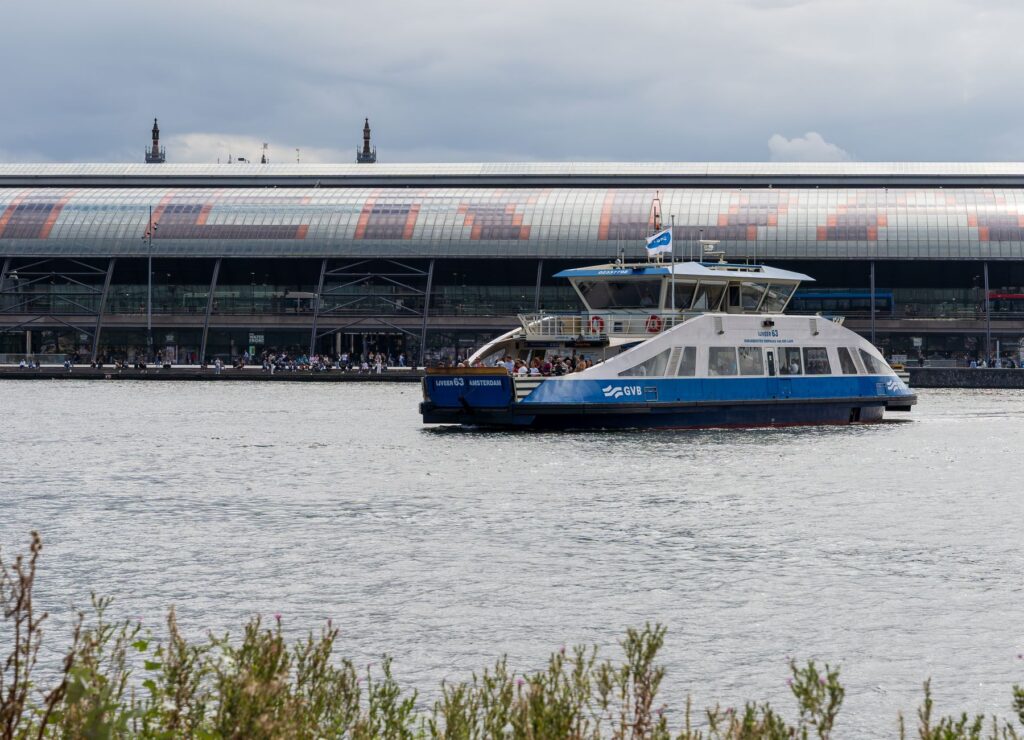
How to get there: The main access to the Arousa Estuary is via the railway network to the stations of Vilagarcía de Arousa or Pontevedra, connected by Medium and Long-Distance trains. From there, the regional electric bus network provides access to the estuary’s various ports in less than thirty minutes.
When to travel: Although sustainable mobility operates year-round, spring (May to June) and early autumn (September and October) offer the best climatic conditions combined with lower passenger density, facilitating a more unhurried and intimate travel experience.
Local transport options: Use exclusively the new hybrid ferries and intermodal bus lines integrated into the county’s digital mobility platform. The use of private vehicles on islands and historical villages is discouraged due to access and parking restrictions.

Accommodations and gastronomy: Choose local hotel establishments certified for environmental sustainability and consume fresh seafood and fish sourced exclusively from certified artisanal fisheries and inshore guilds of the estuary.
Environmental respect recommendations: Strictly respect signage in hand-gathering shellfish zones, do not litter the sea with any type of waste, and keep electronic devices on silent mode during crossings to avoid disturbing local marine fauna.
The Atlantic Horizon of Mindful Mobility
The collective effort deployed in the Arousa Estuary demonstrates that the transition toward environmentally friendly transport models is not an unattainable chimera, but an urgent necessity that finds its best ally in local intelligence. By transforming ferries into hybrid vessels, reducing navigation speeds, and empowering guilds in territory management, this Galician region has charted a replicable roadmap for other estuaries and coastal regions across Europe and the world.
In the constant ebb and flow of Atlantic tides and in the silent profile of boats gliding without fuss over emerald water, a future is glimpsed where human beings once again harmoniously integrate with their surroundings. The Arousa Estuary is no longer just a refuge of biodiversity and seafaring culture, but a shining beacon illuminating the path toward truly sustainable mobility, where traveling with respect means, in essence, learning to listen to the deep heartbeat of the earth and the sea.