
Introduction to California’s Great Granitic Corridor
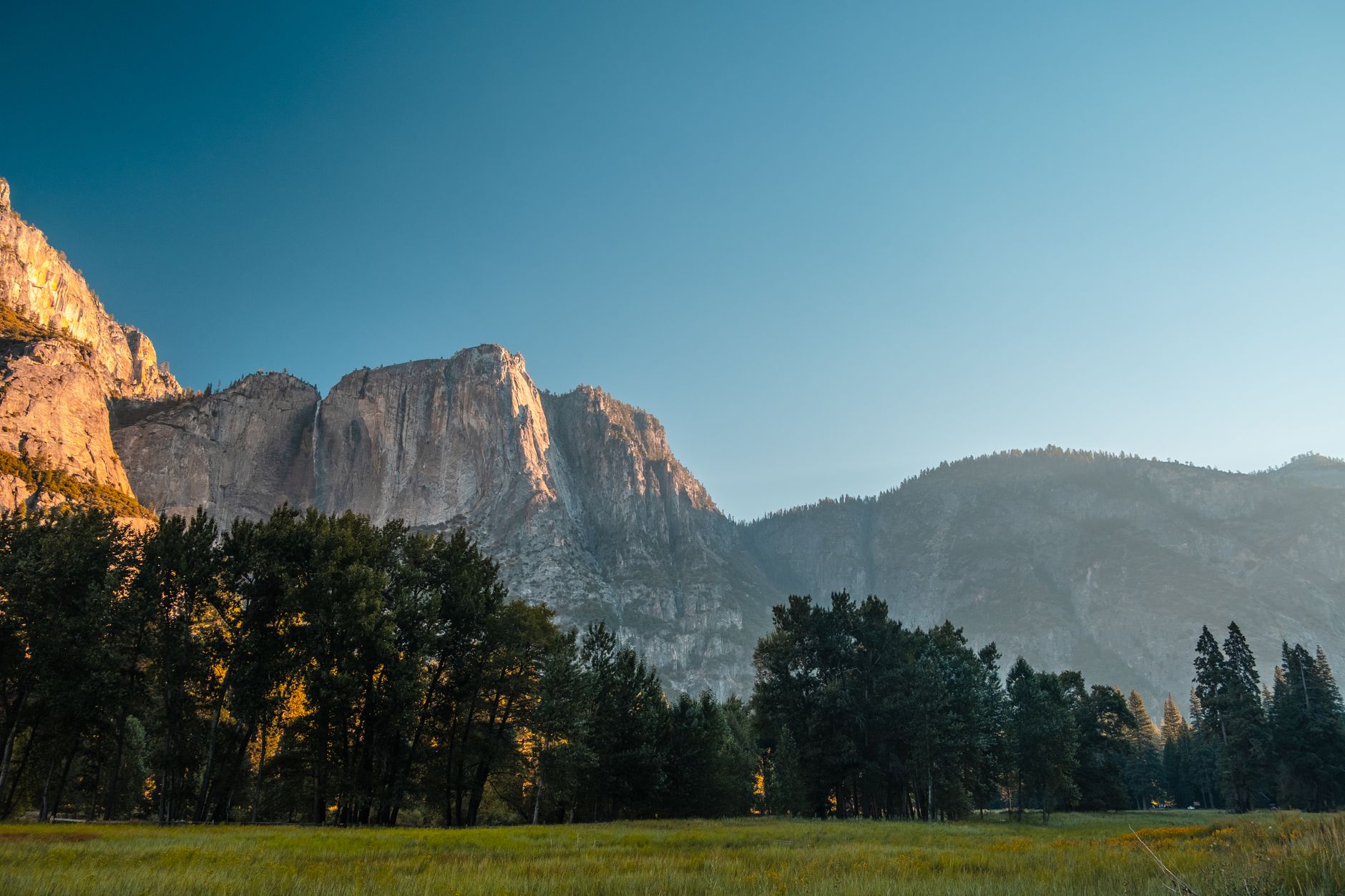
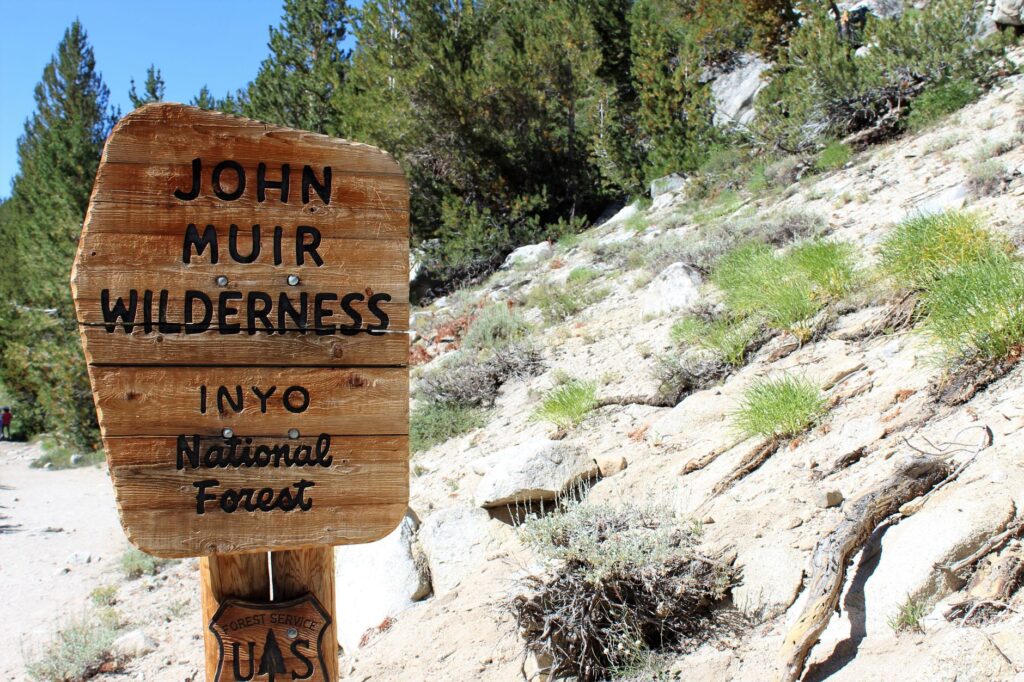
The John Muir Trail, formally known as the JMT, represents one of the pinnacles of long-distance backpacking on a global scale. Spanning over three hundred kilometers from Yosemite Valley to the summit of Mount Whitney, this route runs almost entirely above two thousand five hundred meters of altitude, immersing the hiker in a sea of granitic spires, glacial alpine lakes, and subalpine meadows where human presence is reduced to an absolute minimum. The traverse is not merely an extended hiking route; it is an exercise in severe acclimatization, logistical self-sufficiency, and absolute respect for a natural environment protected under strict environmental regulations.
To understand the magnitude of this expedition, one must examine the geography of the Sierra Nevada as a dynamic system where weather conditions shift with startling speed. Summer afternoon thunderstorms, the crossing of swift streams fed by snowmelt, and backpack weight management determine the success or failure of mountaineers venturing across its highest passes, such as the formidable Forester Pass or Golden Trout Lakes. This report breaks down with journalistic rigor the critical elements every expeditionary must master before lacing up their boots in the heart of California.
Vertical Geography and the Great Alpine Passes
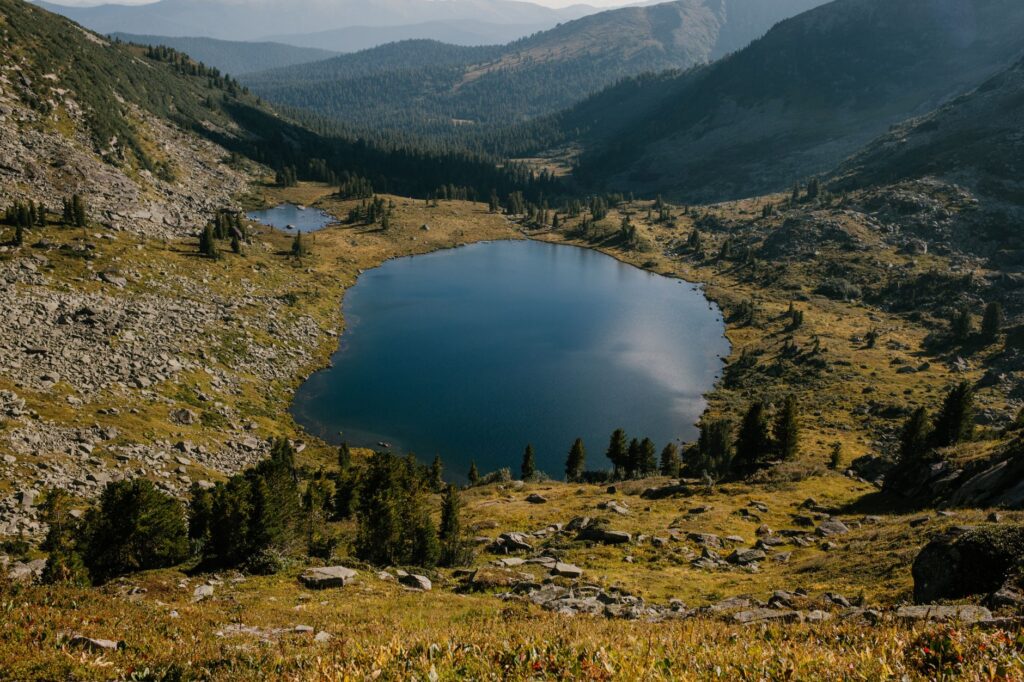
The altimetric profile of the trail is characterized by an implacable succession of ascents and descents crossing the spine of the range. As the route progresses southward from Happy Isles in Yosemite, the landscape leaves behind lush coniferous forests to enter stone deserts where white granite reflects sunlight with blinding intensity. Each col or alpine pass marks not only a geographical shift but also a physical challenge due to the drastic decrease in atmospheric pressure and available oxygen levels.
Conquering milestones such as Donohue Pass, Muir Pass—crowned by a historic stone shelter offering crucial refuge during sudden storms—or Mather Pass demands precise terrain reading and optimal physical conditioning. The ground consists of loose rock, glacial moraines, and persistent snowfields that can remain frozen even in late July. Hikers must maintain absolute concentration on every foothold, as a misstep in these remote altitudes exponentially complicates any medical evacuation or wilderness rescue operation.
Supply Logistics and Bear-Proof Containers
One of the most complex aspects of planning the John Muir Trail is food management. Because the route traverses protected wilderness areas without access to roads or intermediate shops for long stretches, the hiker must carry all their calories or design a precise resupply strategy at key points such as Vermilion Valley Resort or Muir Trail Ranch.
Every gram counts in the backpack, and weight distribution becomes an exact science. In addition to freeze-dried rations, energy bars, and electrolytes, federal legislation mandates the use of approved rigid containers for storing food. These polymer or carbon-fiber cylinders prevent California’s black bears from accessing human food, a critical issue for local wildlife conservation. Backpack design must account for the volume and cylindrical shape of these canisters, which occupy substantial space and require meticulous gear packing.
The mountain yields neither to brute force nor stubbornness, but to the precision of calculation and the humility of the traveler who recognizes their own limits before the alpine void.
Acclimatization and Physiology at High Altitudes
Altitude sickness represents the most dangerous invisible enemy for those arriving directly from sea level. The trail reaches its lowest point in Yosemite Valley, but quickly elevates the hiker to elevations where the human body experiences noticeable hypobaric hypoxia. Extreme fatigue, throbbing headaches, insomnia, and loss of appetite are frequent symptoms if a rigorous prior acclimatization protocol is not respected.
Experts recommend spending at least three to four days beforehand at elevations above two thousand meters, such as Mammoth Lakes or Bishop, undertaking progressive day hikes that force the body to increase red blood cell production. During the trek, constant hydration combined with electrolyte replenishment is non-negotiable. Ignoring the early signs of pulmonary or cerebral edema at a pass situated above four thousand meters can trigger a medical emergency with fatal consequences within hours.
Weather Patterns and Summer Thunderstorms
During July and August, the climate in the Sierra Nevada appears idyllic at dawn, with clear skies and pleasant temperatures. However, this daytime pattern hides a predictable atmospheric trap: moisture accumulation from the Pacific Ocean and the Gulf of California rapidly generates towering cumulus clouds that result in violent afternoon thunderstorms.
The golden rule for any expeditionary in this range is to start trekking before dawn and secure a safe position at cols or descend into forested zones before noon. Exposed summits and passes turn into natural lightning rods due to the scarcity of tall vegetation and the conductivity of granite. At the first flash or thunderclap, the rule mandates moving away from watercourses, metallic gear, and ridge crests, adopting a safety posture over insulating sleeping pads.
Water Management and River Crossing Safety
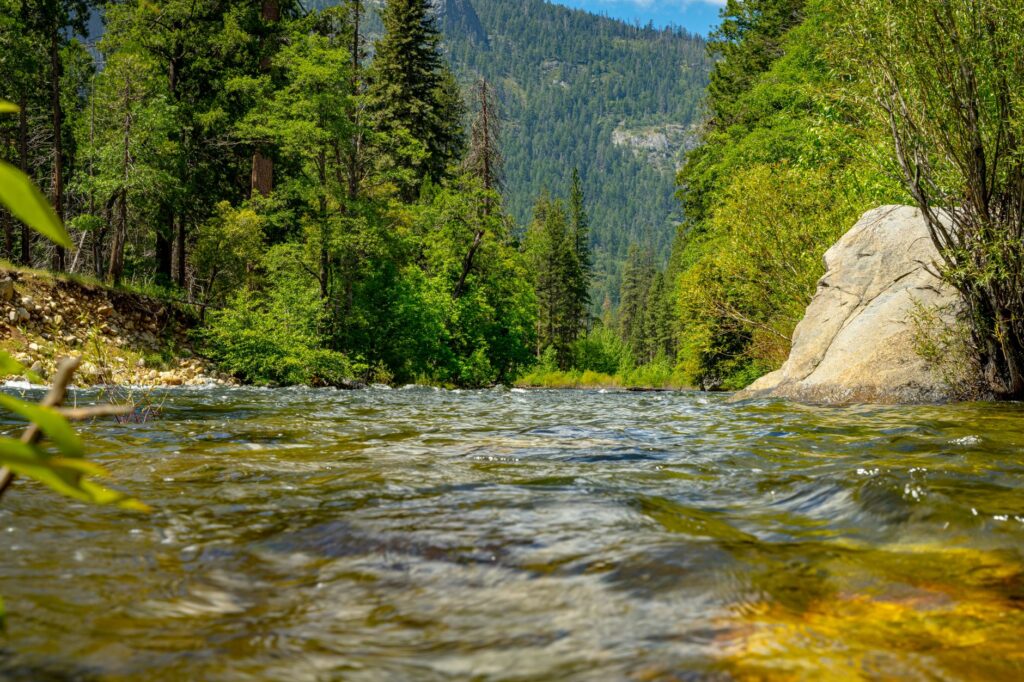
Despite the visual aridity imparted by granitic walls, the Sierra Nevada is a massive hydrological system in constant motion. Water is abundant in the form of crystal-clear lakes and rushing streams, but consuming it without prior treatment is a biological gamble. Microscopic parasites such as Giardia lamblia and Cryptosporidium inhabit seemingly pristine waters, making the use of hollow-fiber membrane filters, chlorine dioxide tablets, or ultraviolet purification systems mandatory.
On the other hand, crossing rivers during the early afternoon hours—when solar radiation accelerates snowmelt—presents a genuine risk of being swept away. Studying river fords in advance, unclipping backpack hip belts for quick release in case of a fall, and using trekking poles as a stable tripod are indispensable techniques that save lives when currents exceed waist height.
Practical guide
How to get there: The northern trailhead is located in Yosemite Valley, accessible via seasonal buses from Merced or Fresno. The southern terminus, Mount Whitney, concludes at Whitney Portal, connected by secondary roads to the town of Lone Pine.
Required permits: Securing a wilderness permit through the federal recreation.gov system is the most complex requirement due to a highly competitive lottery system that strictly regulates daily visitor quotas to protect the fragile alpine ecosystem.
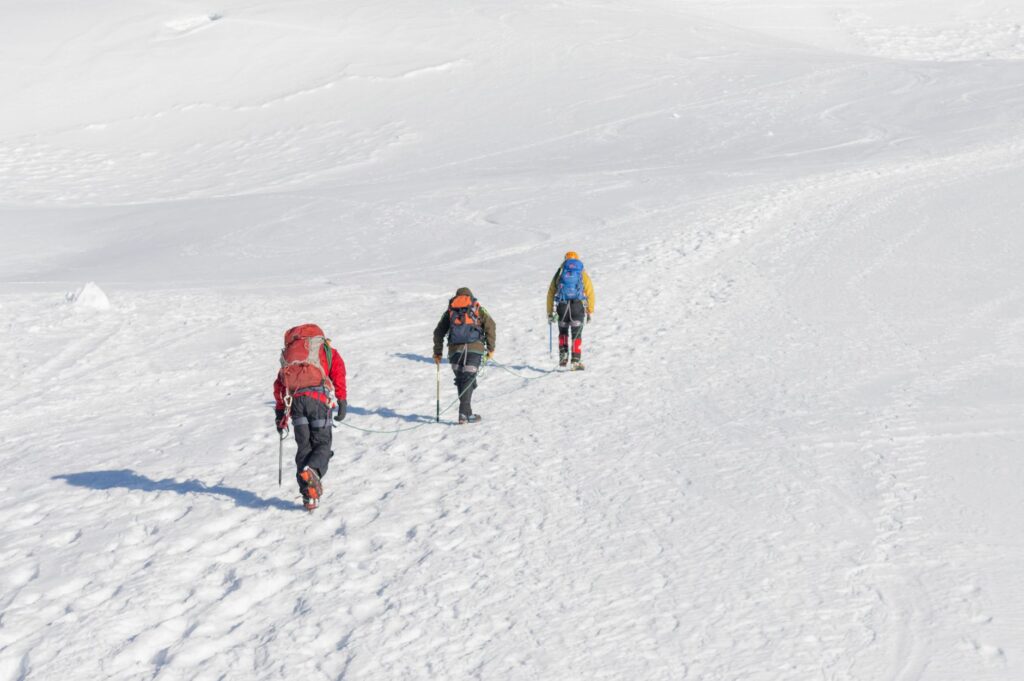
Best time to visit: The optimal window concentrates between mid-July and September. Outside this period, massive winter snow accumulations and the closure of mountain passes demand technical mountaineering gear, crampons, and an ice axe.
Essential equipment: A three-season tent resistant to gale-force winds, a sleeping bag with sub-zero comfort ratings, a water filtration system, a certified bear canister, a satellite communication device (such as a Garmin inReach), and robust trekking poles.
The Silence of Granite and the Hiker’s Memory
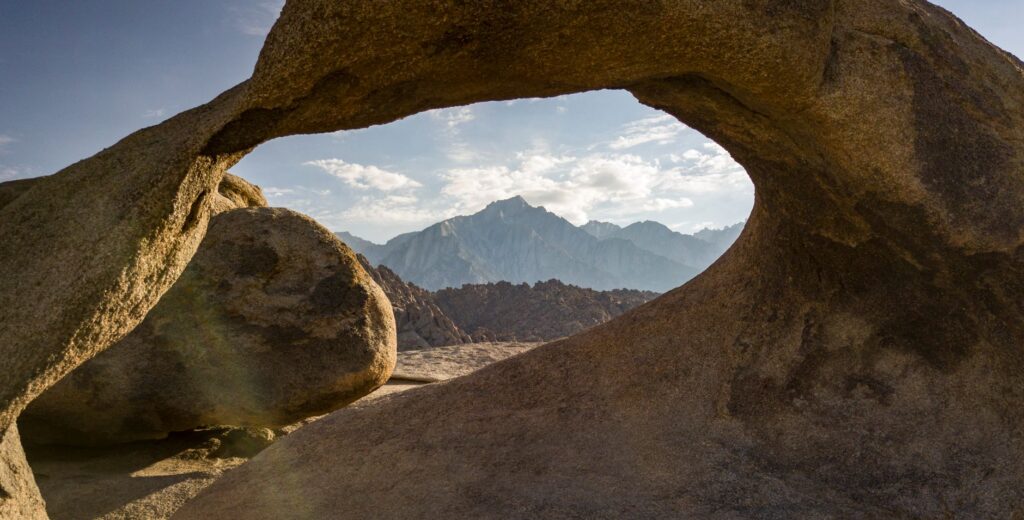
The monumental physical effort and logistical discipline demanded by the trail find their reward in moments of aesthetic beauty so profound they transform the perspective of those who experience them. When the sun begins to dip behind the range’s peaks, bathing the granite walls in an intense crimson hue known as alpenglow, the silence of the high mountains becomes absolute. In that instant, the fatigue accumulated in the legs vanishes, and the immensity of the alpine landscape reminds the traveler of their true scale on the planet.
Walking along the ridges of the Sierra Nevada is an exercise in introspection where the noise of the modern world fades away, leaving only the rhythmic compass of footfalls upon ancient stone.
The experience of camping at over three thousand meters of altitude, under a firmament entirely free of light pollution where the Milky Way is drawn with staggering clarity, seals an intimate communion with wild nature. Upon concluding the trek in the imposing shadow of Mount Whitney, the hiker understands that the true value of the expedition lies not in the imaginary medal of having completed the route, but in the silent transformation operating within the spirit, molded by patience, endurance, and unwavering respect for California’s great summits.