
The Topography of an Empire Built on Slopes
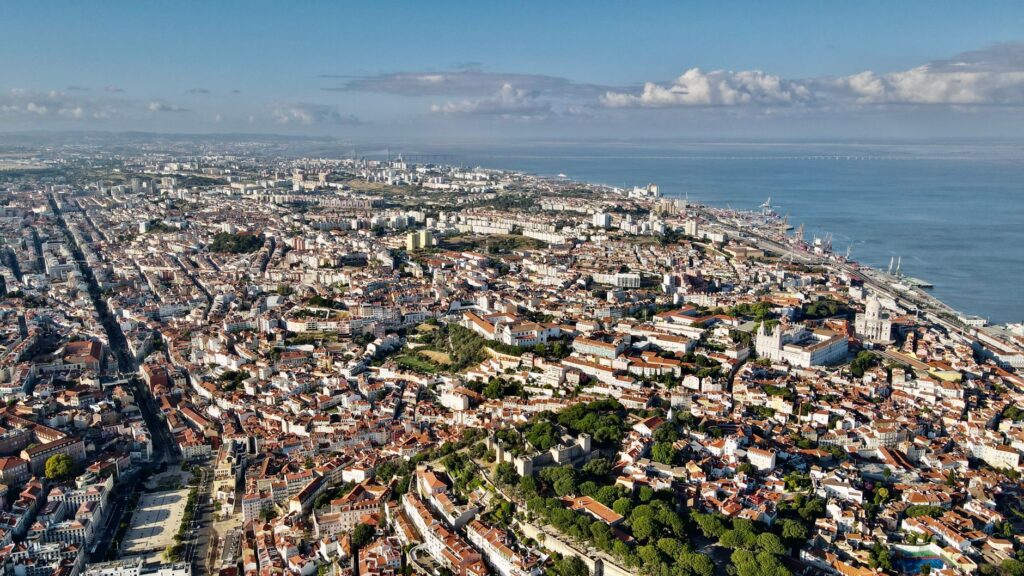
Lisbon is not a city to be observed from a flat plain; rather, it is conquered through its dizzying vertical drops. The Portuguese capital, resting upon seven historic hills that descend toward the Tagus estuary, has challenged the laws of urban gravity for centuries. In this setting where the modern automobile encounters its natural limit, the network of trams and funiculars is not a mere tourist attraction, but the circulatory system keeping disparate neighborhoods such as the Baixa, Alfama, and Bica cohesively bound. The resilience of these cast-iron vehicles against real estate speculation and traffic congestion represents a victory of civic engineering and collective memory over metropolitan homogenization.
The origins of this transit network date back to the late nineteenth century, when animal traction gave way to steam power and, subsequently, electrification. At a time when European cities were razing their historic quarters to carve out rectilinear avenues, Lisbon chose to embrace its medieval morphology. The narrow cobbled streets, flanked by tile-clad facades, demanded the development of a unique vehicular typology: short-wheelbase units, highly maneuverable and equipped with complex braking systems capable of handling gradients exceeding twelve percent on critical stretches such as the approach to Saint George’s Castle.
The Anatomy of Trailers and Electric Traction
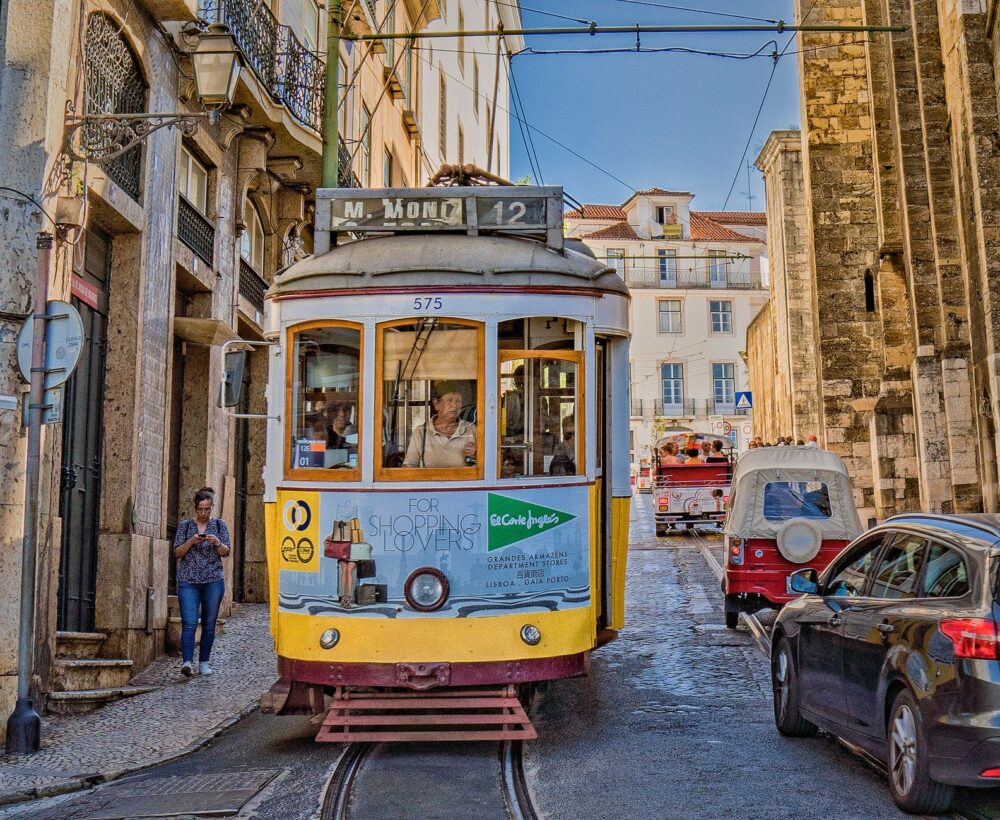
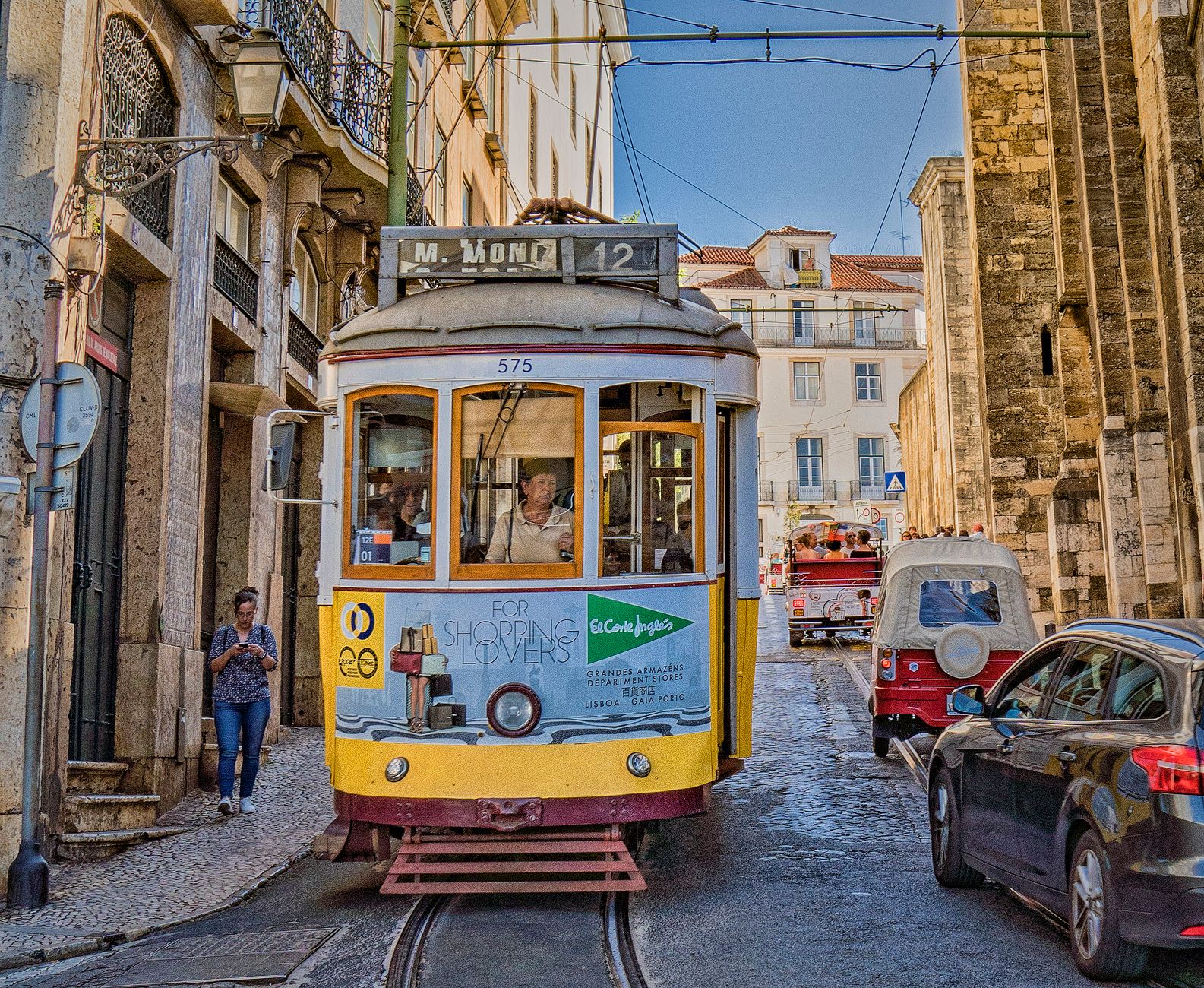
To understand the technical persistence of the iconic yellow trams, known locally as elétricos, one must step inside the Santo Amaro maintenance workshops. There, specialized technicians continue to apply traditional lathe work and mechanical adjustment techniques that seem out of place in the twenty-first century. The Series 500 units, mostly manufactured in the early decades of the past century, combine riveted steel chassis with compact traction motors that harness the urban grid’s direct current. This design allows for an optimal gear ratio to start on steep inclines without losing traction over the smoothed limestone cobblestones.
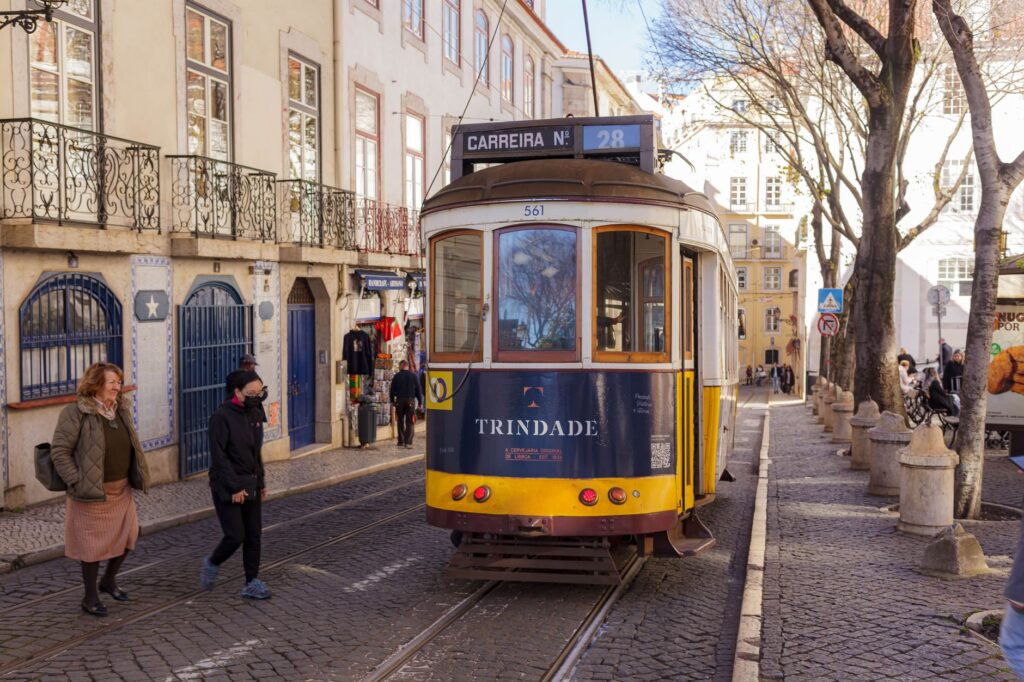
The braking system is undoubtedly the most critical element of the entire operation. Given the lack of space for broad braking curves, the trams feature three independent mechanisms: the traditional shoe brake acting on the wheels, the electromagnetic rail brake—which generates direct friction against the steel rails in emergencies—and the mechanical handbrake operated by the driver via a large front crank. The operator’s skill, honed through years of internal training, becomes the definitive link guaranteeing safety on a route where the margin for error is measured in millimeters.
The Invisible Art of Portuguese Pavement
The relationship between the tram and the ground it traverses extends far beyond mere traffic coexistence; it constitutes a physical ecosystem where traditional Portuguese pavement plays a fundamental structural role. The white limestone and black basalt cobblestones, laid by hand by caleteiros, not only serve an aesthetic function that defines Lisbon’s visual identity, but also offer a specific coefficient of friction that complements the rails’ adhesion. The curved arrangement of the blocks dissipates the stresses generated by the constant passage of heavy rail units, preventing the premature cracking of the clay subsoil.
However, this artisanal paving presents ongoing logistical challenges. The continuous vibrations generated by road traffic and trams wear down the sand foundation supporting the cobblestones, causing subsidences that require meticulous maintenance work. Municipal conservation teams labor during night hours to level the terrain, demonstrating that the survival of heritage transit demands an uninterrupted budgetary and human commitment. Without this symbiosis between the steel rail and the stone ground, the network would collapse under its own historical weight.
Funiculars and Lifts: Conquering the Vertical
In addition to the conventional tram network, Lisbon’s transit system is complemented by three historic funiculars operating on the steepest slopes: Bica, Glória, and Lavra. Inaugurated in the late nineteenth century, these urban lifts resolved the isolation of the upper zones prior to the widespread adoption of the automobile. Their original operation, based on an ingenious water-counterweight system where the upper carriage filled its tank to drag down the lower one, represented a masterpiece of thermodynamics applied to urban planning. Although currently electrified, they retain the essence of their original kinematic design.
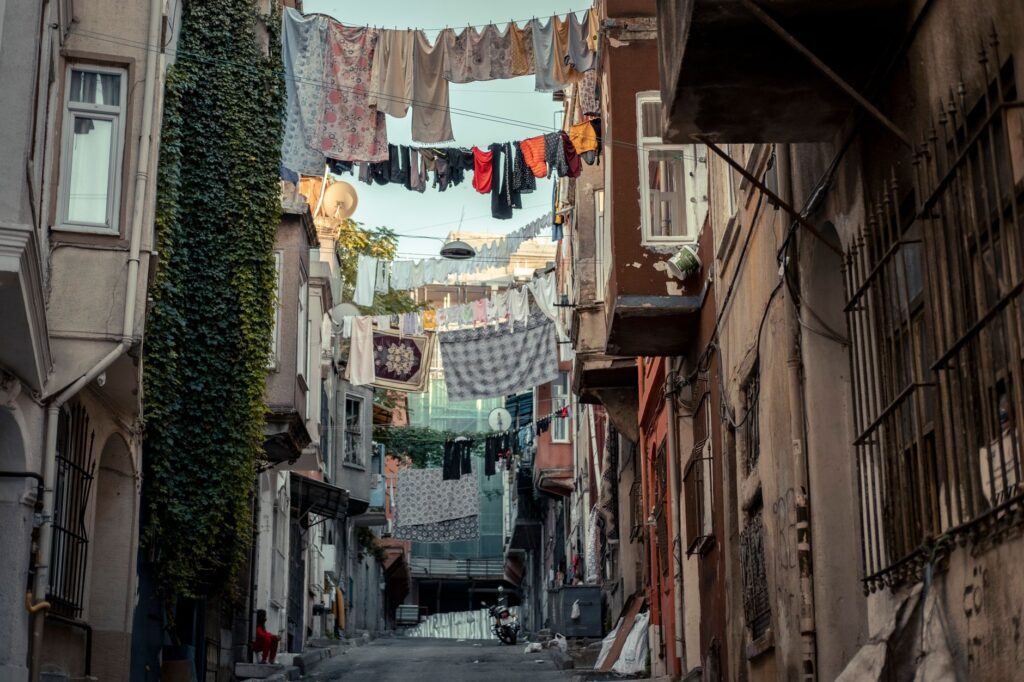
The route of the Bica funicular, which drops sharply from Bairro Alto to the banks of the Tagus through a corridor of colorful facades and hanging laundry, illustrates the constant friction between everyday neighborhood life and the pressure of mass tourism. For local residents, these vehicles are not a picturesque postcard, but an indispensable means to carry groceries or return home after a workday. Integrating residents and visitors within the same confined space requires fare and capacity management that the operating company, Carris, regularly reviews to prevent line congestion.
The Amphibious Memory of the Tagus and the Docks
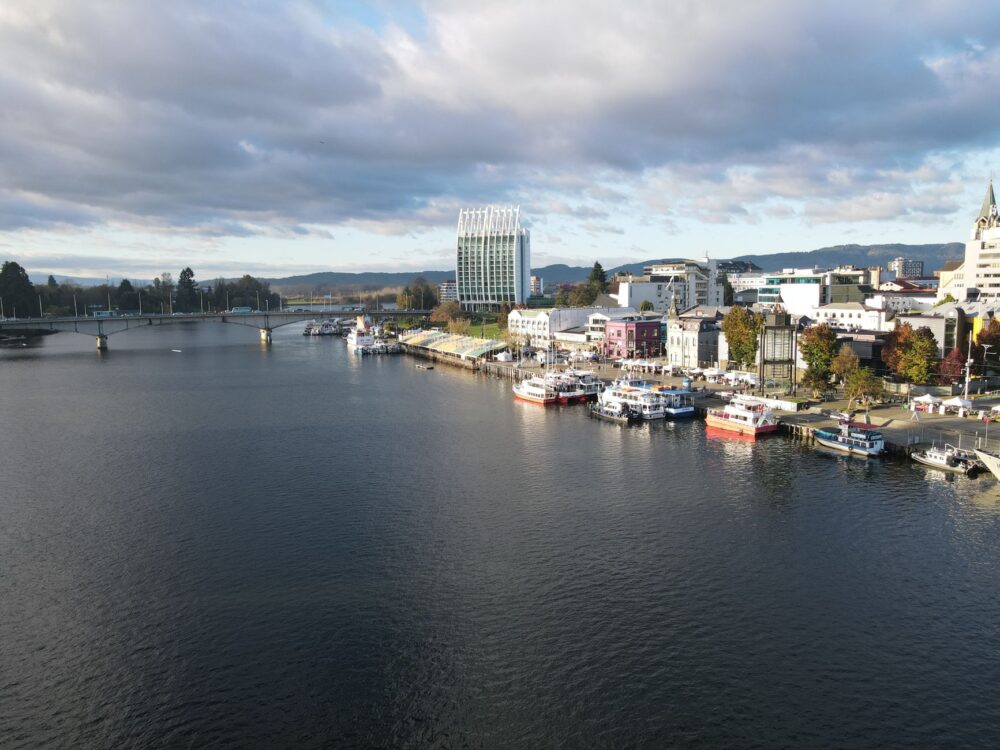
The history of Lisbon’s mobility cannot be understood without its visceral connection to the Tagus River. The trams not only connect the inland hills, but historically brushed against the docks where steamships arriving from the colonies and northern Europe once berthed. This interface between rail-based land transport and river cabotage shaped an urban economy of a deeply amphibious character. Goods and passengers moved fluidly between the electric company’s railcars and the barges crossing toward the estuary’s opposite shore.
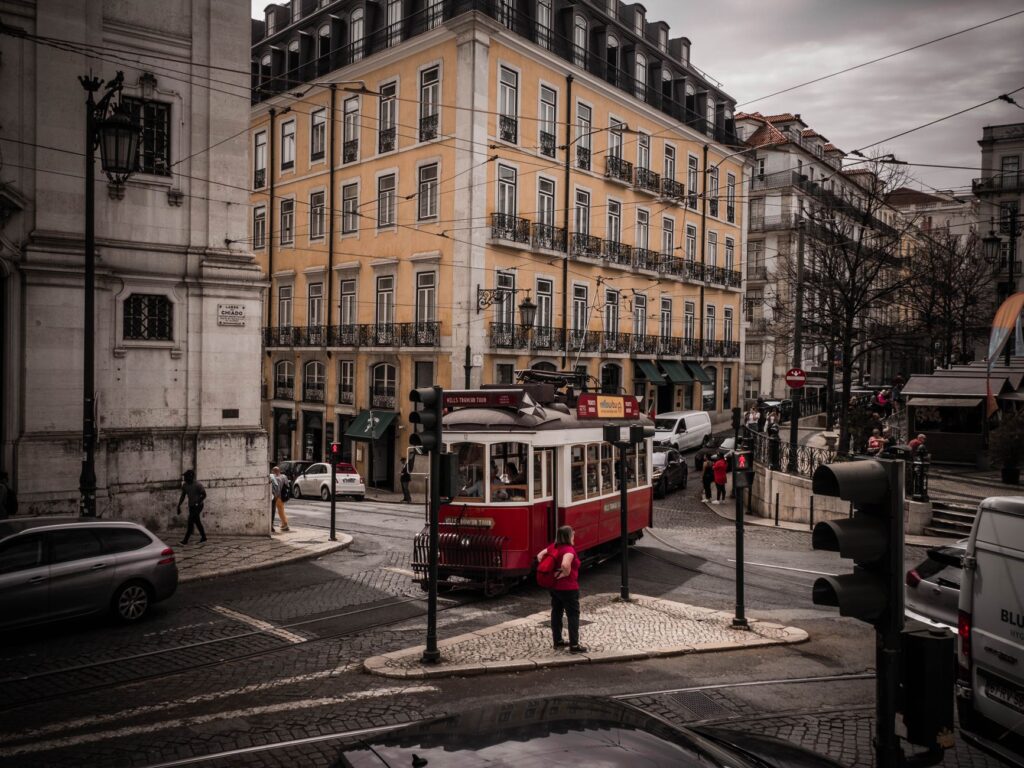
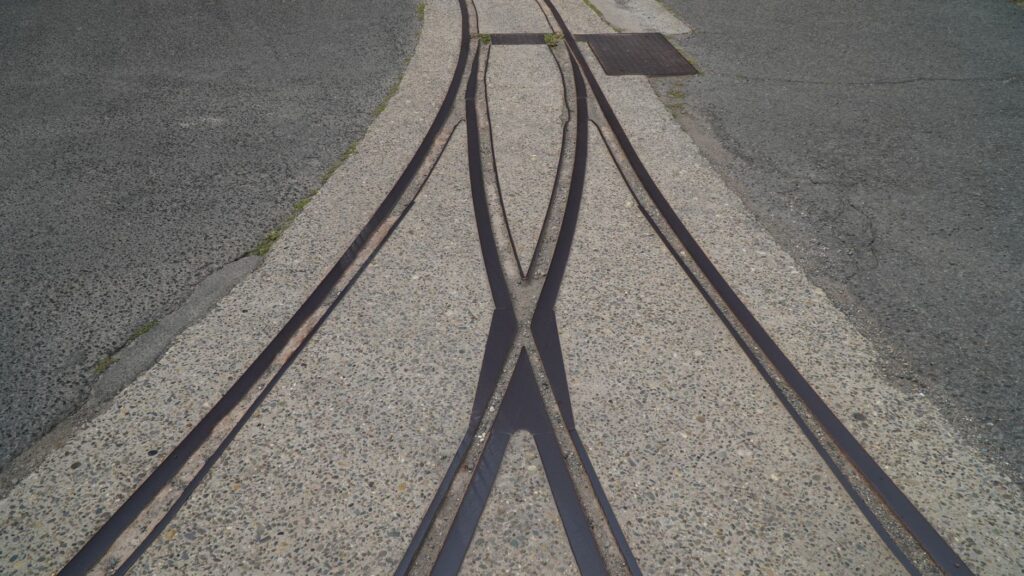
Today, although the riverside line has undergone profound urban transformations with the recovery of former port spaces for public use, the memory of that amphibious connectivity remains alive in the railway crossings that still intercept the waterfront promenade. The tram acts as a sewing needle uniting the stony verticality of the upper neighborhoods with the fluid horizontality of the estuary, reminding the traveler that Lisbon is, above all else, a port open to the Atlantic through a river with a maritime vocation.
Practical guide
Planning a mindful journey through Lisbon’s historic tram and funicular network requires understanding the unwritten rules of its daily operation and respecting the needs of the local population.
Fares and Payment Media: The rechargeable Viva Viagem card or the Zapping pass are essential for accessing the network at the lowest fare. Onboard cash payment remains available, but its cost is considerably higher and slows down stops.
Schedules and Frequencies: Historic lines typically operate from 6:00 AM to 11:00 PM, though frequencies vary by season. It is advisable to avoid peak morning and evening hours to reduce waiting times at major stops.
Route Selection: For a less crowded experience than the iconic line 28, line 24 offers an exceptionally interesting alternative route connecting the Campolide neighborhood to the heart of Chiado via less touristy residential streets.
Safety and Civility: Due to high passenger density in confined spaces, exercising caution with personal belongings against pickpockets is crucial. Additionally, offering seats to local elderly passengers is an indispensable courtesy.
Maintenance and Accessibility: Much of the historic rolling stock lacks wheelchair ramps due to the structural limitations of vintage chassis. Travelers with reduced mobility should check for accessible bus routes running parallel paths.
The Metallic Murmur of Twilight in Alfama
As the sun begins to descend over the Atlantic horizon, dyeing whitewashed facades and terracotta roofs with a golden, melancholic light, the sound of the trams acquires a singular resonance. In the narrowest bends of the Alfama district, where streets barely exceed two meters in width, the friction of steel wheel flanges against centennial rails produces a metallic screech that blends with the distant chords of a Portuguese guitar. This murmur is not merely a secondary byproduct of mechanical displacement, but the very voice of a city that refuses to forget its past.
Inside one of these veteran carriages, a driver adjusts the brake with precise gestures as the vehicle winds between centennial walls that seem to lean in to greet the passengers. Through the open windows, the scent of grilled fish and orange blossom mingles with the faint oil smell of electric motors. In that fleeting instant, as the tram pauses briefly before an impossible intersection, it becomes evident that Lisbon’s true greatness lies not in its stone monuments, but in its miraculous capacity to make modernity and memory roll together on two steel rails worn down by time.