
The Weight of Haste in Contemporary Paths
We live in an era that has confused movement with understanding. Moving at high speed has become an end in itself, an indicator of efficiency that transforms territory into a mere interchangeable backdrop. However, when travel is reduced to an accelerated sequence of airports, must-see lists, and automatic photographs, we lose that which gives it its deepest meaning: the capacity to engage in a real dialogue with the unknown.
The contemporary traveler runs the risk of becoming a mere spectator of surfaces, someone who crosses landscapes without touching them and consumes cultures as if they were products designed for immediate consumption. Faced with this inertia, the pause reveals itself as an act of cultural resistance and an indispensable condition for any genuine form of understanding.
The Geography of Hospitality and Shared Time
Every arrival in a foreign territory is, in essence, a request for hospitality. Whether we like it or not, we are guests in other people’s homes, in traditions woven over centuries, and in ecosystems that sustain complex forms of life. Understanding this radically alters our posture before the world. Hospitality is not a commercial service acquired with a ticket; it is a fragile human pact that demands respect, humility, and gratitude.
When we agree to stop, the time of travel ceases to be linear and timed, becoming dense and receptive. It is then that the territory ceases to be an abstract map and becomes a network of faces, names, silences, and shared memories. The true wealth of a place does not lie in its most photographed monuments, but in the everyday cracks where life happens without artifice.
Looking Without Consuming: The Value of Sustained Attention
Looking is an ethical verb. The way we direct our gaze toward the other defines our moral stature as travelers. There is a subtle violence in the extractive gaze, the one that seeks to appropriate the foreign to validate it on the digital screens of immediacy. In contrast, sustained attention is a form of generosity.
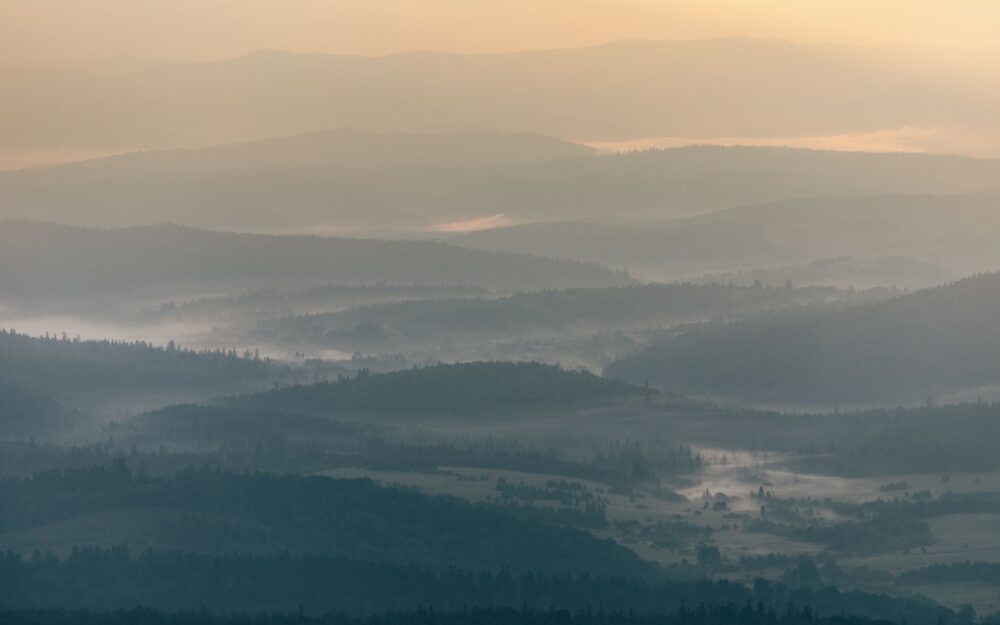
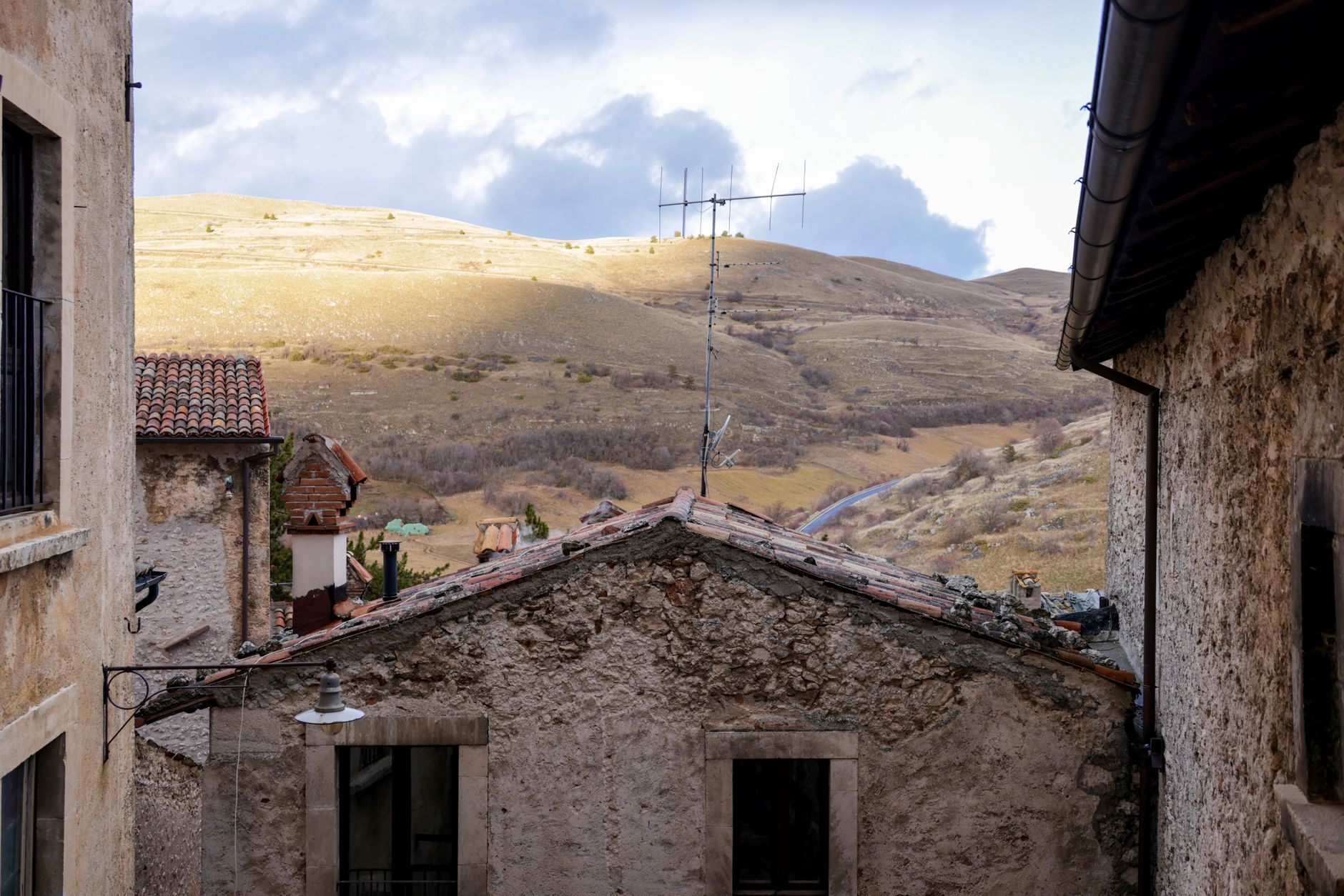
Stopping before a natural landscape, observing the slow rhythm of a village square, or listening to the cadence of a language we do not fully understand requires an effort of self-stripping. We must learn to silence our prior certainties to leave room for the subtle revelation of the unexpected. Only when we renounce the urgency of classifying everything does the world deliver itself to us in its complex and beautiful integrity.
Gastronomy as Memory and Archive of the Earth
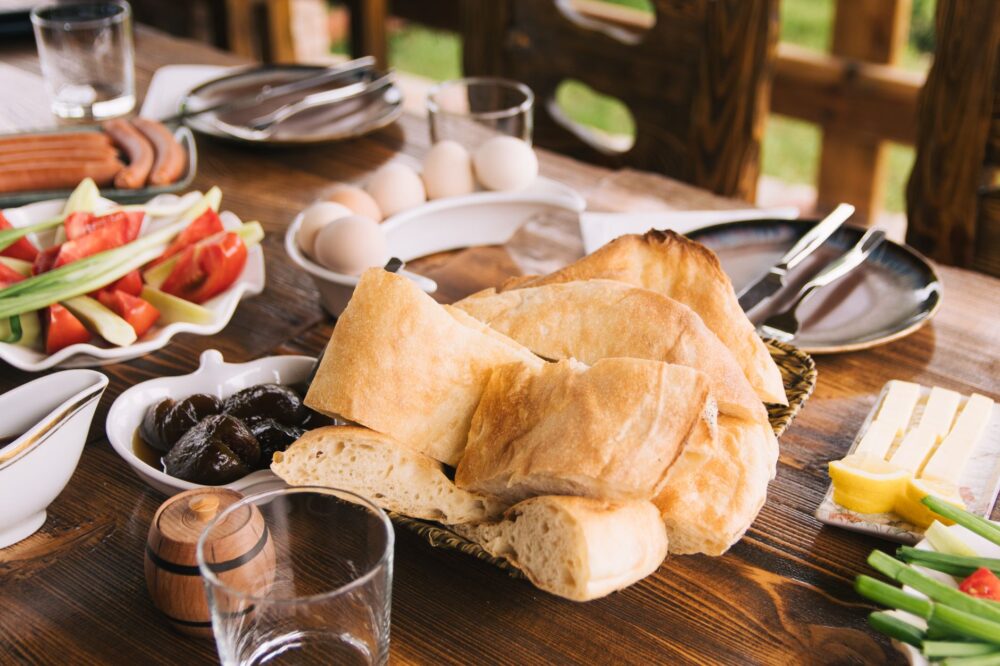
Few experiences embody the essence of a place with as much precision as its cuisine. Sitting at the table in an unfamiliar territory is an exercise in cultural reading. Each dish is a living archive of collective memory, a compendium of geographies, climates, hardships, and festivities passed down from generation to generation.
Eating with attention means recognizing the invisible effort behind each ingredient. It is understanding that local gastronomy is not a tourist attraction created to please the visitor, but the way a community has learned to dialogue with its environment to survive, celebrate, and subsist over time. Approaching the foreign table with reverent curiosity is one of the most direct paths to empathy.
The Responsibility of Returning Transformed
True travel never ends when we cross the threshold of our home once again. Its ultimate test lies in the inner shift it leaves within us. If we return exactly the same, with the same urgencies and the same prejudices, the journey will have been a mere aesthetic parenthesis, an inconsequential luxury.
Traveling with conscience implies assuming that we are somehow responsible for what we touch and what we remember. It compels us to cultivate a curiosity that does not devour, but understands; a mobility that does not run over, but integrates. In the end, the world does not belong to us; it is merely lent to us for a few brief instants so that we may learn to look at it with cleaner and more generous eyes.
Toward a Horizon of Shared Stillness
At Atlas Lume we understand travel not as an escape, but as a reunion with the essential. May we know how to continue walking through the world with the certainty that every step can be a bridge and every pause, a form of hospitality.