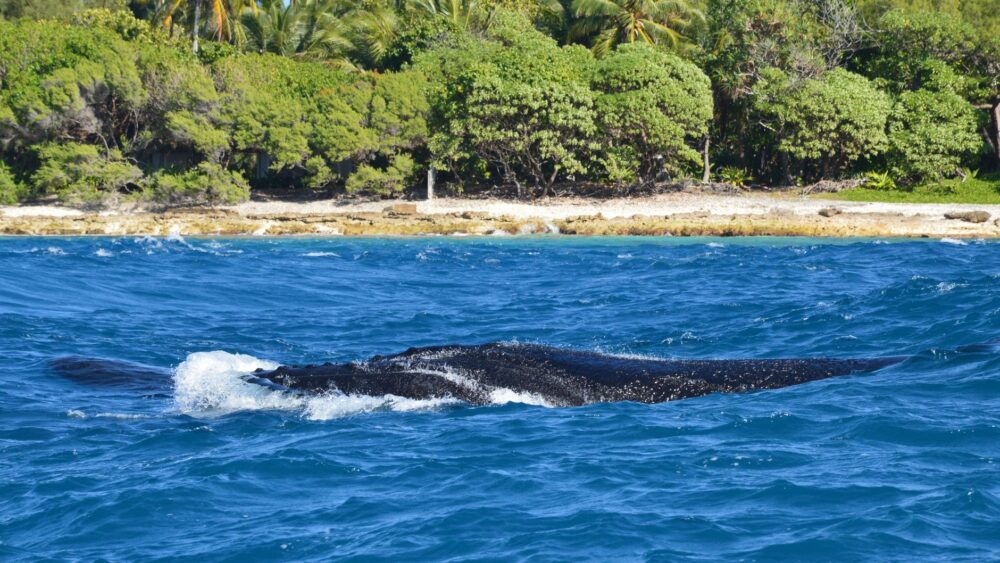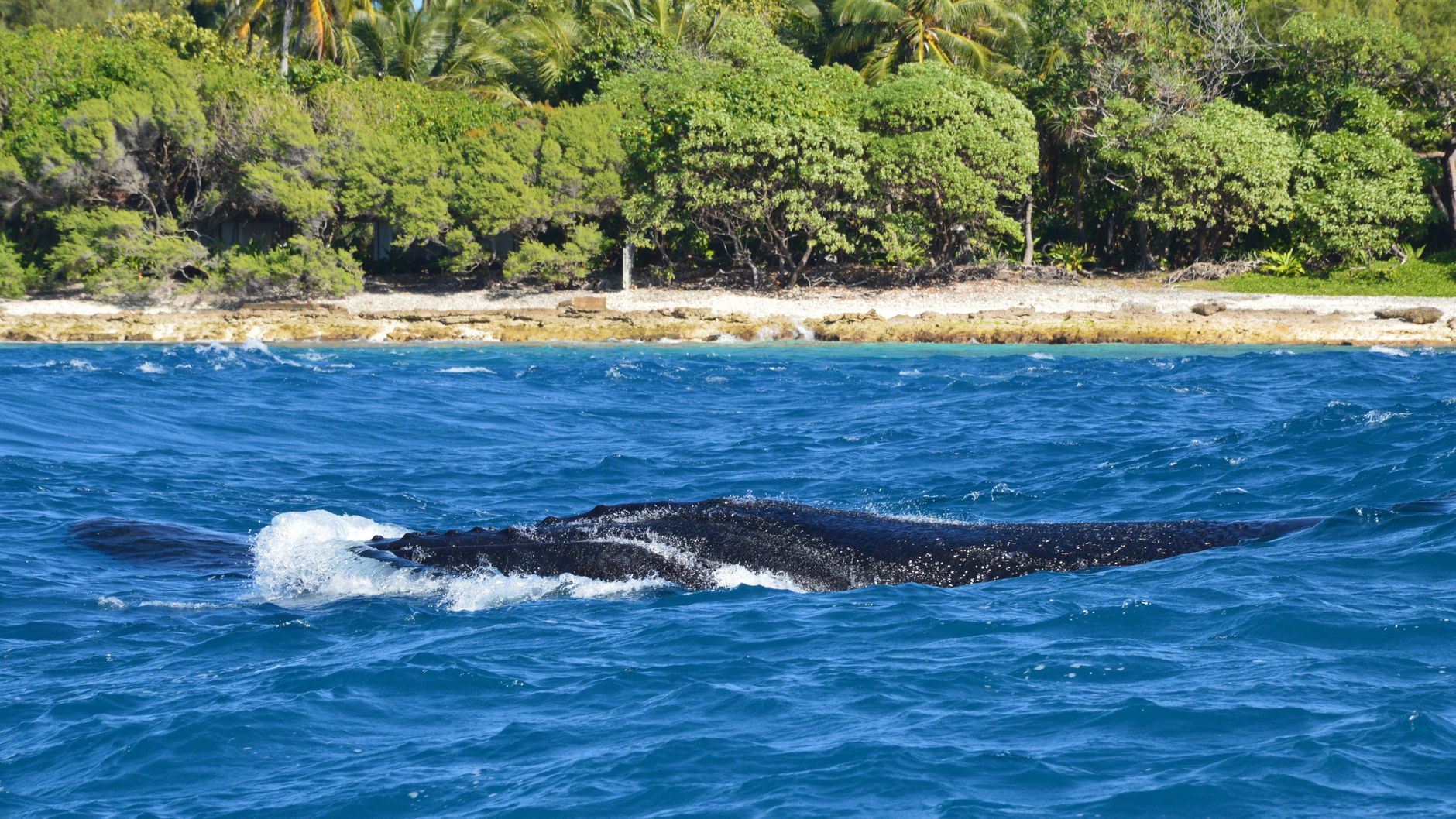

About seventy nautical miles north of the Dominican Atlantic coast, amid the oceanic expanse where the insular shelf drops off abruptly, a submerged plateau of limestone and coral reefs known as Silver Bank emerges. This marine sanctuary, removed from commercial shipping lanes and subjected to the unpredictable fury of winter trade winds, constitutes one of the most fascinating oceanographic enclaves in the Western Hemisphere. Each year, between the months of January and April, this labyrinth of turquoise waters and deep blue abysses becomes the global epicenter for the reproduction of the North Atlantic humpback whale. Far from the folkloric image of mass tourist whale-watching, the bank offers a living lesson on cetacean migration dynamics, the fragility of pelagic ecosystems, and the efficacy of transnational conservation policies that turned these waters into a protected refuge long before mass tourism discovered their value.
Understanding the biological magnitude of this sanctuary requires shifting our gaze from the glittering surface to the depths where the Gulf Stream and northeast winds converge. Here, the shallow depth of the reefs—which in some spots barely brush ten meters below the surface—contrasts with the surrounding oceanic trenches, creating a zone of relative calm that is ideal for the birth and nursing of calves. Mothers and their young find in these warm, protected waters the perfect environment for newborns to develop the subcutaneous blubber layer essential before undertaking the long summer exodus toward cold feeding grounds in Greenland, Iceland, or the Gulf of Maine.
The Invisible Geography of the Submerged Bank and Its Geological Origin
Silver Bank is not an isolated coral formation, but rather the eroded peak of an ancient volcanic and carbonate massif formed millions of years ago during the Miocene epoch. As Caribbean tectonic plates shifted, this plateau remained submerged just beneath the surface, creating a natural barrier against the heavy swells of the open ocean. This underwater architecture generates a unique aquatic microclimate, where water temperature holds steady between 24 and 26 degrees Celsius during the winter months.
The geomorphological structure of the bank consists of thousands of small brain coral heads and sea fans sprouting from a white sandy bottom. This labyrinthine arrangement not only curbs the energy of marine currents, but also provides a natural acoustic and visual navigation map for the cetaceans. Humpback whales (Megaptera novaeangliae) use these underwater geographic features as reference points, recognizing the bank’s perimeter even in conditions of reduced visibility caused by winter storms.
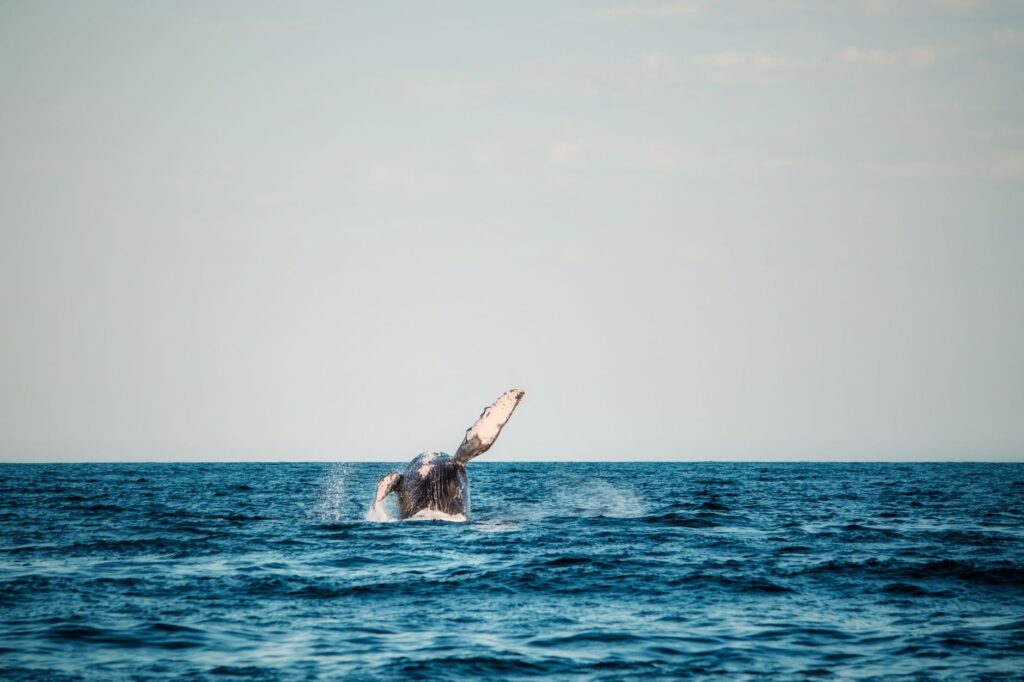
Unlike other Caribbean archipelagos where human pressure has degraded marine bottoms, the geographic isolation of Silver Bank has acted as a natural fortress. The absence of emerged islands prevents the development of permanent human settlements, hotel infrastructure, or coastal runoff. This pristine condition allows the ecological equilibrium of the bank to remain virtually unchanged for centuries, making it a natural laboratory of incalculable value for modern oceanography.
Demographic Dynamics and Transoceanic Migration Routes
The life cycle of the humpback whales visiting Silver Bank represents one of the most extensive and precise migratory movements in the animal kingdom. After spending the Arctic summer voraciously feeding on krill and small pelagic fish in high latitudes, these marine mammals begin a non-stop journey of over five thousand kilometers southward. The precision with which hundreds of specimens converge on this tiny Caribbean platform continues to puzzle marine biologists.
Photo-identification studies conducted over the past three decades have shown that the bank functions as an immense underwater social network. Individuals return year after year thanks to the cultural transmission of migration routes between mothers and calves. Within the population, roles are clearly defined: single males patrol deep waters skirting the reefs singing intensely, while mothers with calves prefer the shallow interior waters, safe from shark predation and the cumbersome advances of competing males.
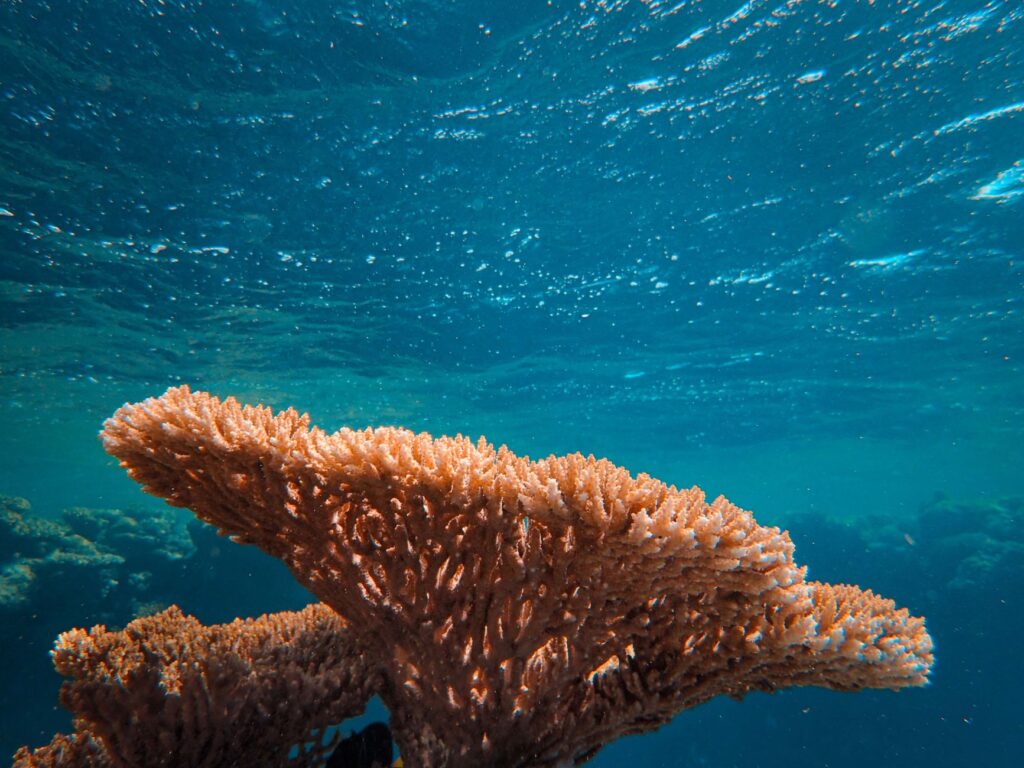
The five-thousand-kilometer journey from the waters of Greenland to Silver Bank is not a mere seasonal relocation, but a complex biological choreography where acoustic memory and underwater geography merge to ensure species survival.
The demographics of the Atlantic population have shown a notable recovery since the international ban on commercial whaling in the 1980s. Aerial and acoustic censuses indicate that several thousand individuals use the Dominican sanctuary each season. However, scientists warn that current demographic success must not mask future risks derived from climate change, the warming of Arctic waters, and the reduction of prey populations in their summer feeding grounds.
Underwater Acoustics: The Symphony of Mating Songs
The ocean air above Silver Bank may seem silent, but beneath the surface unfolds a complex sound universe dominated by humpback whale vocalizations. Males emit structured acoustic sequences—popularly known as songs—that can last for hours and travel for miles through the dense water column.
These songs are not random calls, but hierarchical compositions formed by themes, phrases, and stanza notes that evolve in a synchronized manner across the entire male population throughout the breeding season. Researchers have discovered that a stanza change introduced by a male on Silver Bank rapidly spreads to other groups in the eastern Caribbean, evidencing a unique cultural communication system among non-human mammals.
The physics of sound in water, where waves travel nearly five times faster than in air, turns Silver Bank into a colossal natural resonance box. The karstic topography of the seabed amplifies and refracts these low frequencies, allowing courtship messages to reach females at unexpected distances. Acoustic pollution from commercial maritime traffic transiting nearby routes today represents one of the most subtle yet dangerous threats to this delicate sound balance.
Citizen Science and Non-Invasive Research
Over recent decades, the scientific management model of Silver Bank has evolved toward a pioneering approach of non-invasive research and regulated ecotourism. Unlike traditional practices of pursuit, scientific expeditions and authorized operators work under strict protocols of passive water approach, allowing the whales themselves to decide whether to interact with human observers.
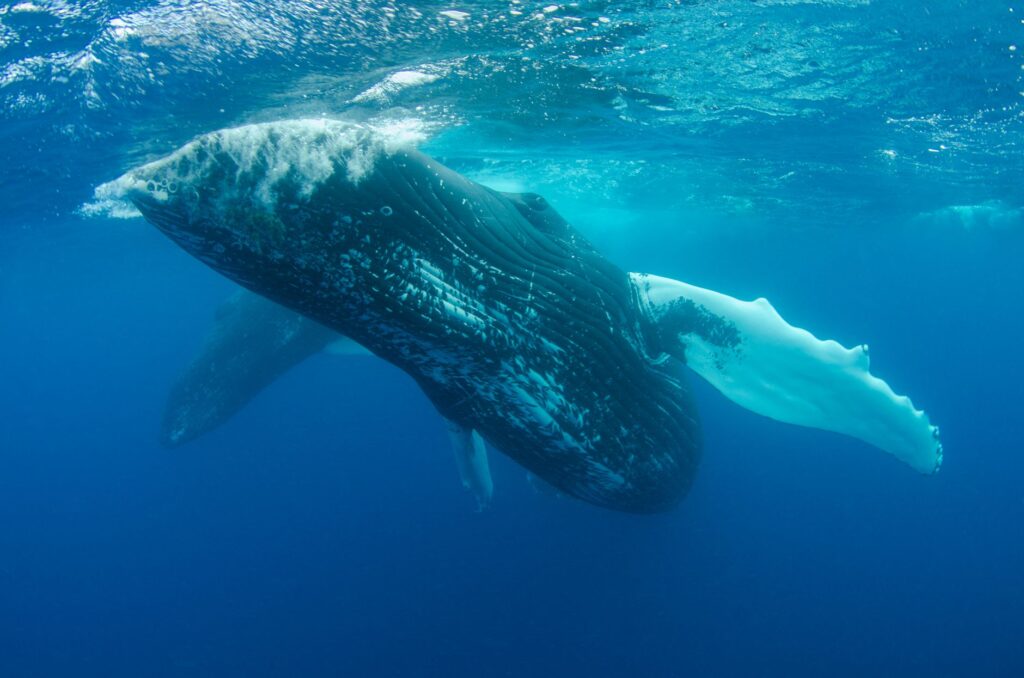
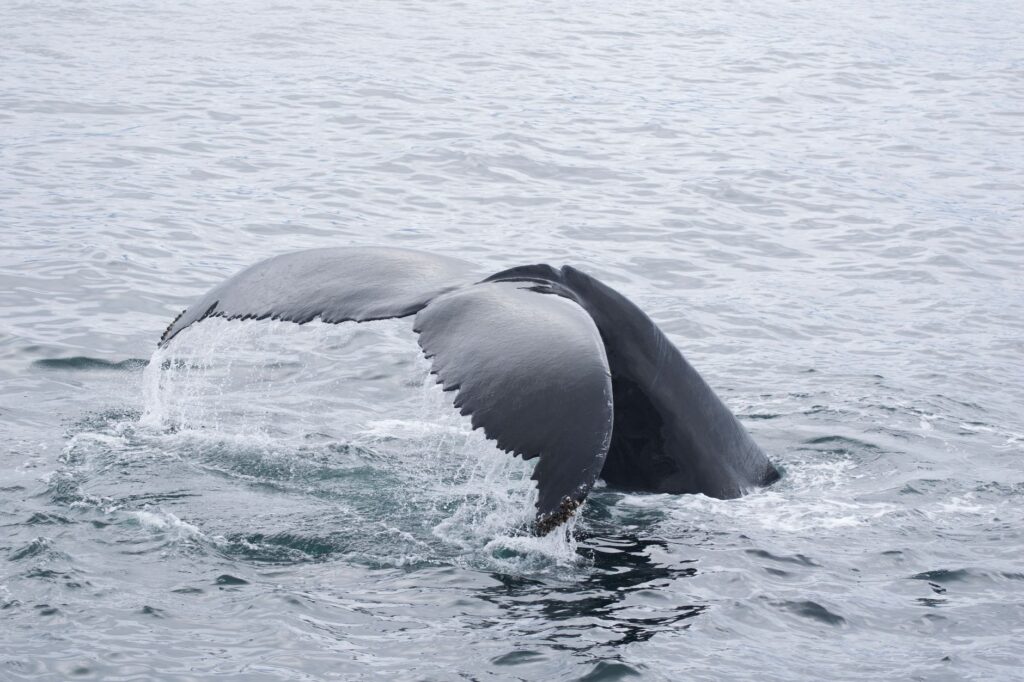
This method, based on neutral buoyancy and absolute respect for cetacean warning signals—such as loud blows, tail slaps, or sudden dives—has allowed biologists to gather thousands of frames of individual fluke undersides. Each tail fluke features a unique pattern of black and white pigmentation, comparable to a human fingerprint, facilitating the individualized tracking of animals over the years through international databases.
Likewise, collecting small skin samples using floating biopsy darts provides fundamental genetic material to evaluate population diversity, kinship among individuals, and the absence of inbreeding. This collaborative effort between Dominican academic institutions, international NGOs, and the Ministry of Environment demonstrates that rigorous scientific research is the essential foundation upon which any serious long-term marine conservation strategy rests.
Legal Protection Strategies and Oceanic Governance
The history of Silver Bank’s legal protection is a testament to environmental diplomacy and long-term vision. In 1986, the government of the Dominican Republic, driven by local researchers and international conservationists, officially declared the area a Marine Mammal Sanctuary, a status later expanded to cover over thirty thousand square kilometers, including neighboring Navidad Bank and Samaná Bay.
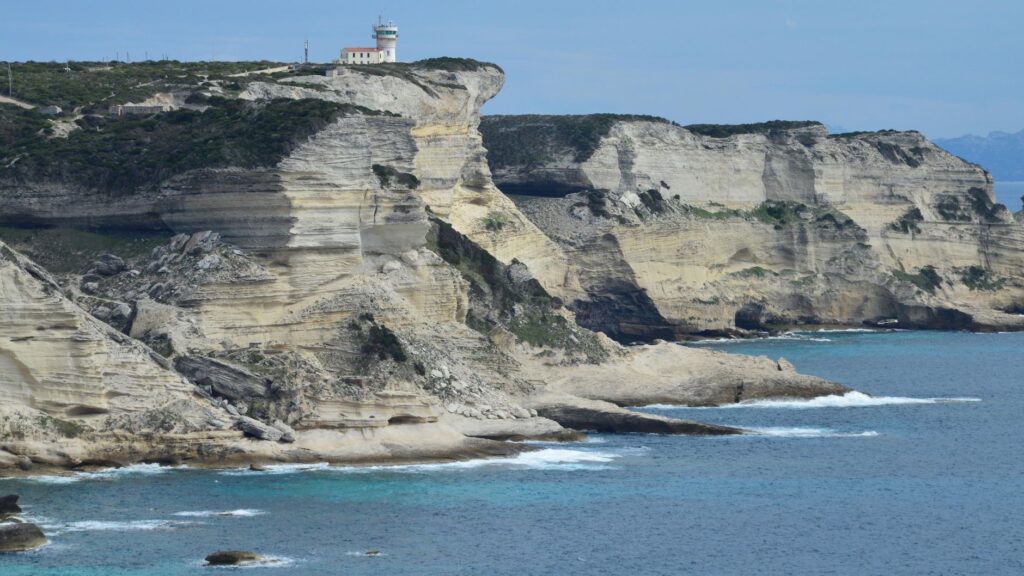
This designation is not mere symbolic recognition, but a strict regulatory framework prohibiting industrial fishing, extraction of coral resources, unauthorized commercial navigation, and any activity altering cetacean behavior. Surveillance of this vast oceanic expanse relies on cooperation between the Dominican Navy and specialized aerial patrols, though the sheer size of the territory continues to pose logistical challenges for completely eradicating illegal poaching.
The sanctuary’s governance also integrates coastal communities on the Samaná Peninsula, which traditionally relied on whaling and now derive stable, long-lasting economic benefits from sustainable whale-watching tourism. This socioeconomic transition validates the principle that protecting marine biodiversity not only preserves natural heritage, but generates robust local wealth.
The Impact of Climate Change on Oceanic Corridors
Despite the relative success of local protection measures in the Caribbean, the humpback whales of Silver Bank face a global, invisible threat: the disruption of polar marine ecosystems caused by rising global temperatures. Changes in North Atlantic currents and ocean acidification are altering the distribution and abundance of krill, the primary food source for these giants during the boreal summer.
Recent data from marine biologists show worrying fluctuations in the body condition of adult specimens arriving at the sanctuary with visibly diminished energy reserves. When a mother arrives at Silver Bank with severe nutritional deficits, her capacity to produce the fat-rich milk necessary to nurse her calf during its first months of life drops drastically, compromising the survival rate of the next generation.
This scenario underscores an inescapable ecological truth: conserving a migratory species cannot be achieved solely by protecting its winter breeding ground. It is essential to articulate global policies that reduce greenhouse gas emissions and safeguard polar ecosystems, understanding that the planet’s oceans function as an interconnected circulatory system where any alteration in the north inevitably reverberates in the warm waters of the Caribbean.
Practical guide
Planning an expedition or study trip to the Silver Bank environment requires understanding that this is a protected, remote marine sanctuary subject to rigorous weather conditions.
- Best time to visit: The months between January and late March guarantee the highest concentration of whales breeding and calving on the bank.
- Access and boarding: Departures to the bank take place almost exclusively on authorized catamarans or expedition yachts sailing from the ports of Puerto Plata or Samaná.
- Permits and regulations: All vessels must hold special licenses issued by the Ministry of Environment and Natural Resources of the Dominican Republic.
- Weather conditions: Winter trade winds can generate choppy seas during open ocean crossings; caution is advised for travelers prone to seasickness.
- Water and photo gear: Waterproof camera housings, light wetsuits for passive snorkeling, and adapted gear are indispensable.
- Approaching protocols: Touching cetaceans, blocking their swimming path, or scuba diving with noisy compressed air tanks is strictly prohibited.
- Land accommodation: Pre- and post-expedition stays are typically spent in small eco-sustainable hotels located on the Samaná Peninsula or Las Terrenas.
Final Reflection on the Blue Silence
Contemplating the colossal silhouette of a humpback whale gliding in silence over the coral bottoms of Silver Bank permanently alters our understanding of time and human scale on the planet. At a time when oceans suffer unprecedented anthropogenic pressure, this Caribbean sanctuary stands as a tangible reminder that nature, when granted necessary space and legal protection, possesses extraordinary resilience. The future of these marine giants does not depend on chance, but on our firm political and scientific will to keep intact the fragile invisible corridors uniting northern ice with southern depths.