
Engineering and Geology in the Eastern Rift
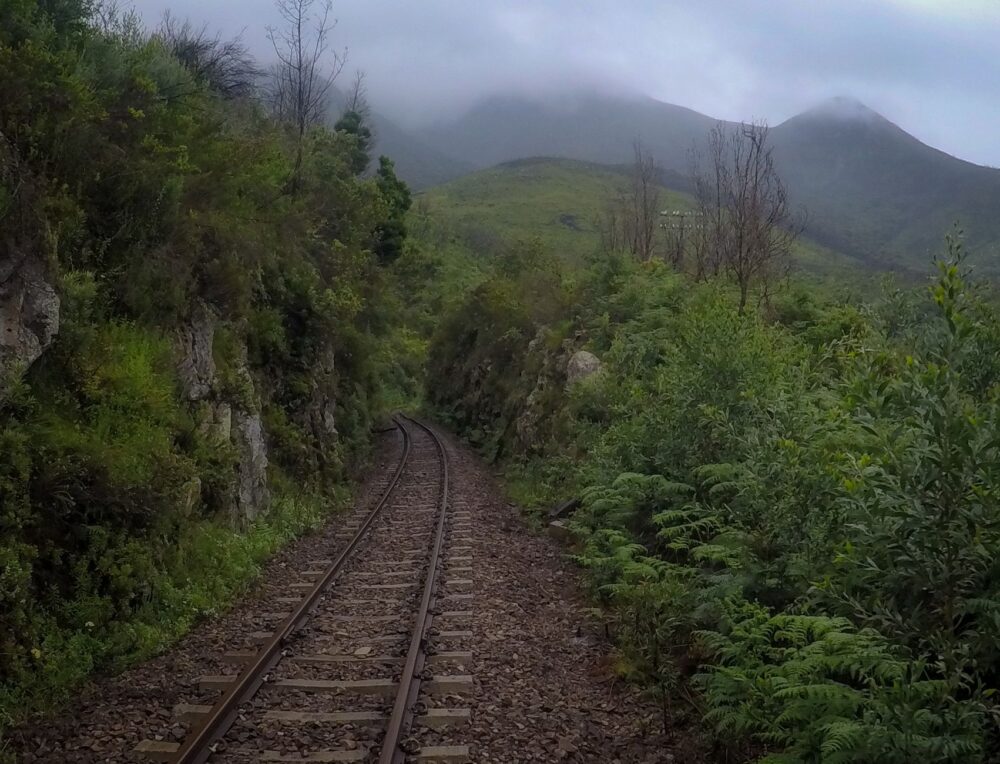
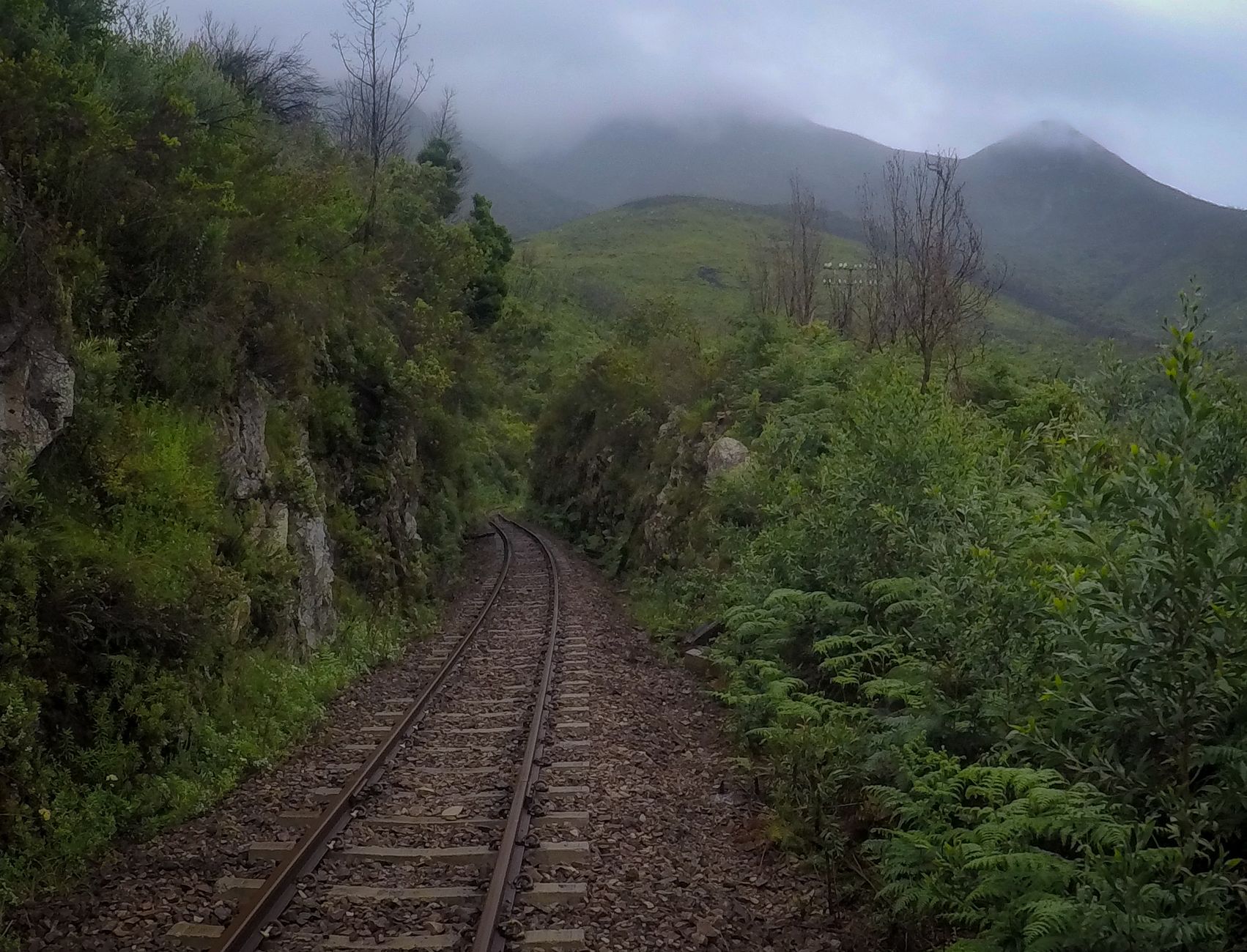
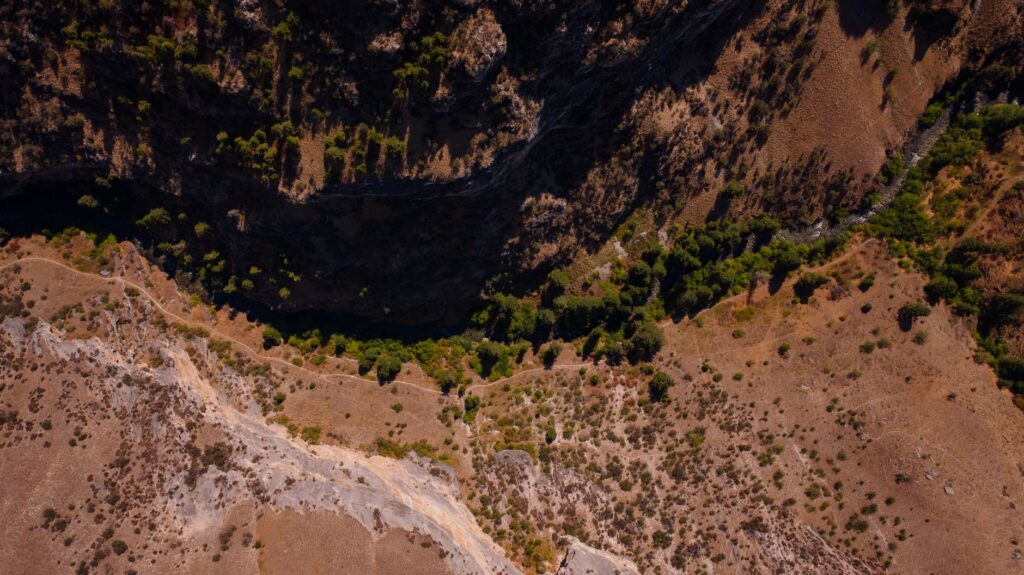
The territory traversed by the railway system of the Great Rift Valley represents one of the most complex challenges for civil and mechanical engineering on a global scale. Originally constructed in the late 19th century under the auspices of the British colonial administration, this railway line was designed with the strategic purpose of connecting the highland interior with the strategic port of Mombasa. Beyond its historical reading, however, the infrastructure stands out for its bold topographic layout, winding along volcanic gorges and steep gradients where terrain stability is constantly threatened by the tectonic activity intrinsic to the valley.
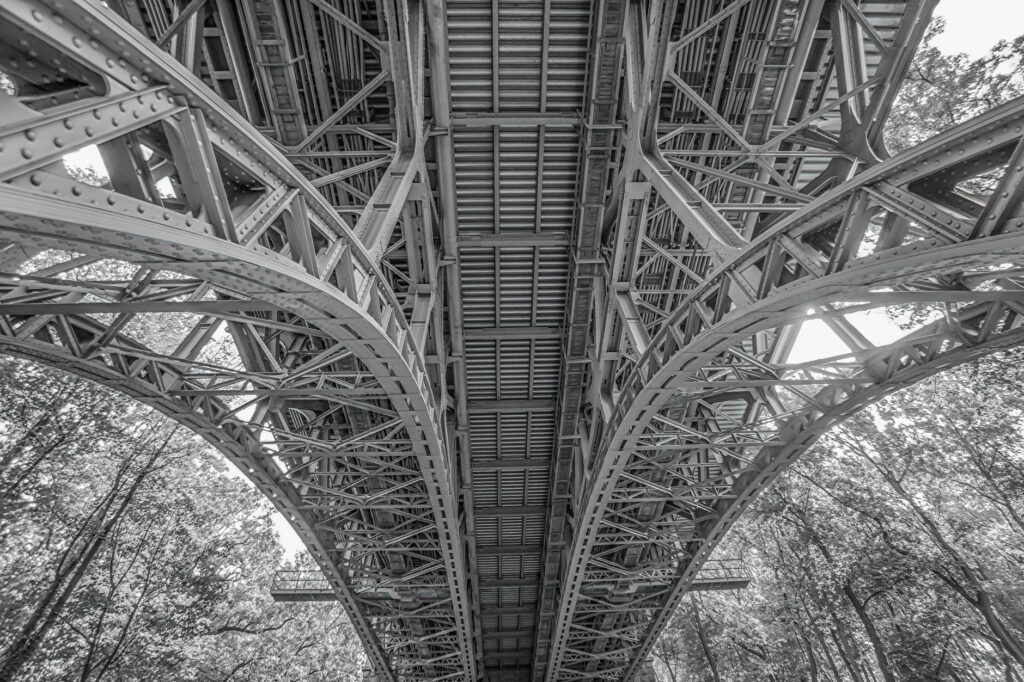
The tracks penetrate a natural corridor characterized by basaltic escarpments and active faults that demand rigorous and constant maintenance from local engineering teams. The original tropical timber sleepers have been progressively replaced by reinforced concrete structures in the most critical sections, although numerous secondary segments still retain riveted metal elements dating from the Victorian era. This superposition of construction epochs generates a fascinating yet fragile technical mosaic, where the veteran rolling stock must coexist with the operational demands of the 21st century.
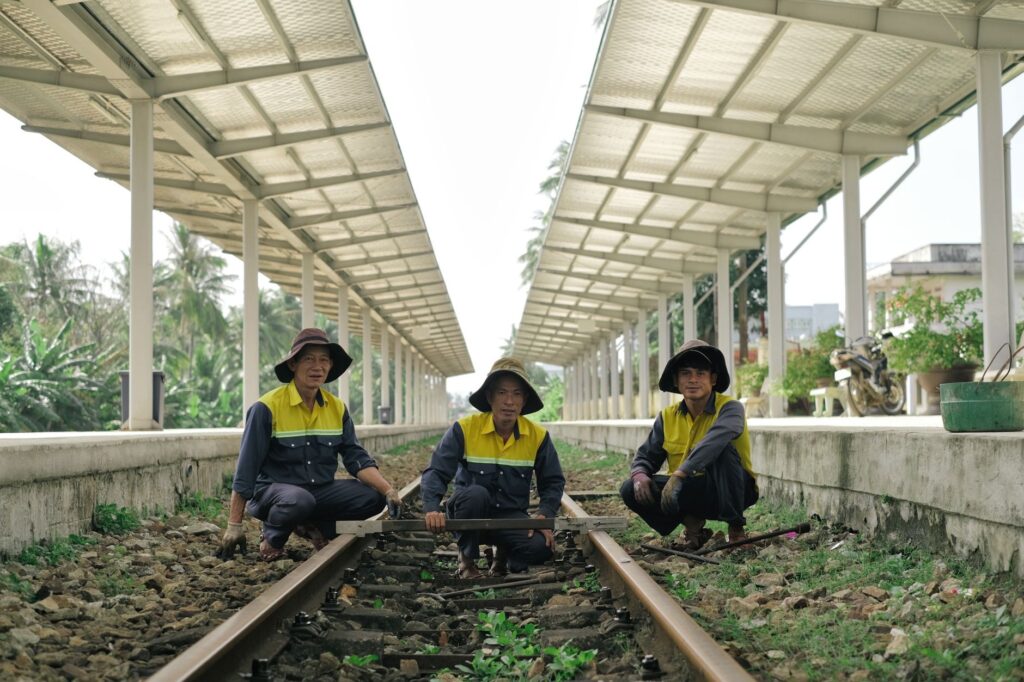
During the rainy season, the system faces its most severe test. Torrents of water descending from volcanic summits erode embankments and accumulate sediment in trenches excavated through rock. Engineers of the national railway company operate under strict surveillance protocols, deploying manual inspection patrols that traverse kilometers of track on foot prior to the passage of each convoy. This reliance on human labor to guarantee safety reflects the artisanal nature of a network that resists abandonment.
Overcoming Elevation Changes: The Art of Gradient Layout
Overcoming the abrupt altimetric difference between the Indian Ocean coast and the interior plateau required exceptional routing solutions. Rather than boring kilometer-long tunnels—an option prohibitively expensive and technologically unfeasible during its construction period—designers opted for a system of large-radius curves and continuous ramps that harness the natural terraces of the fault. This design forces locomotives to develop constant power measured with millimeter precision by the engine drivers.
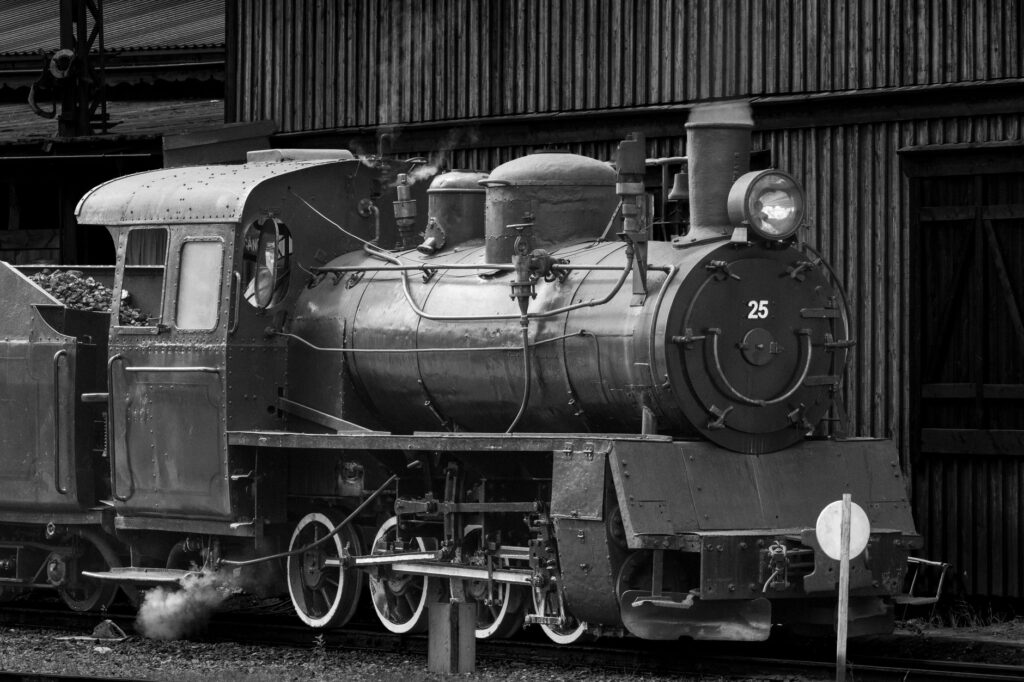
Modern diesel-electric locomotives, while considerably more powerful than the vintage steam units that still operate special journeys for enthusiasts, suffer severe wear due to abrasive volcanic dust suspended in the environment. Workshop facilities located at junction stations act as true centers of technical resistance, where turners and fitters manufacture custom spare parts given the difficulty of importing them from international markets.
The pace of travel is dictated by the topography itself. Freight and passenger trains reduce their speed to less than thirty kilometers per hour on the steepest sections, allowing travelers to contemplate in detail the immensity of the savannah and the rocky bluffs. This deliberate slowness, far from being an operational defect, has become the primary attraction for those seeking to understand the territory from a measured and reflective perspective.
The Economic Pulse of Intermediate Stations
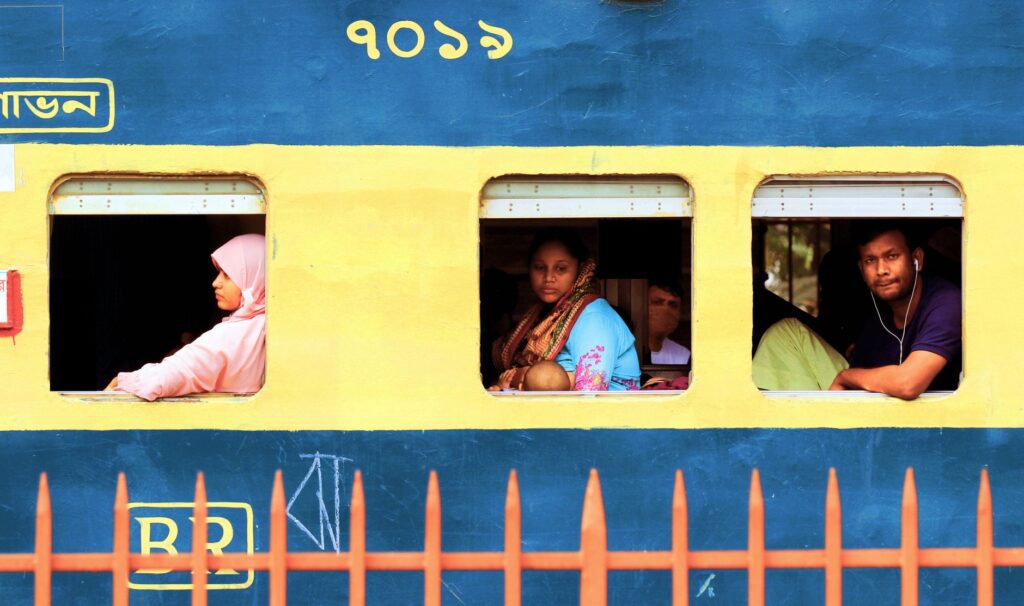
Along the tracks of the Rift, small stations are not merely technical stops but the true social engine of entire communities that emerged under the protection of the train whistle. Enclaves such as Mai Mahiu or Voi operate as commercial exchange points where local farmers market their harvests directly to passengers through the windows, perpetuating an economic ritual that has barely changed in a century.
The railway transportation system acts as a vital artery for the supply of basic necessities in regions where dirt roads remain impassable for weeks due to precipitation. While truck transport dominates heavy cargo along major paved arteries, the railway remains the only reliable means of connecting isolated villages with regional health and educational centers.
Nevertheless, economic pressure and competition from new high-capacity highways have reduced the operational margins of the traditional line. Local authorities constantly debate the necessary balance between modernization and the preservation of this rolling heritage, conscious that a radical transformation could destroy the socioeconomic fabric directly dependent on the slowness and accessibility of the current service.
The Human Factor: Drivers, Guards, and Telegraphers
Behind every convoy crossing the Rift depression exists a highly specialized human chain that keeps the system alive. Veteran drivers pass on their empirical knowledge of the track to younger generations through informal tutoring systems that remain indispensable in the absence of advanced digital simulators. Knowing every curve, every bridge, and every instability of the ballast requires years of direct experience at the cab controls.
The railway track is not merely steel over ties; it is a daily pact between the memory of grandparents and the endurance of those who hold the controls today beneath the savannah sun.
In control shacks and secondary stations, telegraph operators and manual switchmen continue to employ traditional procedures to regulate single-track traffic. Radiofrequency communication coexists with mechanical semaphore signal systems, creating a work environment where concentration and discipline are the only safeguards against human error.
This railway culture possesses a deep sense of community belonging. Workers typically live in railway settlements adjacent to main stations, where schools and health clinics were originally built by the colonial company and are now maintained by public administration and union solidarity. The identity of these families is inextricably linked to the destiny of the trains.
Restoration and Heritage Tourism: Steam as Living Memory
Parallel to the harsh reality of local freight and passenger transport, recent years have seen the flourishing of a movement focused on the recovery and valuation of historic rolling stock. Various international associations collaborate with local technicians to restore steam locomotives built in Glasgow and Manchester in the early 20th century, returning them to the rails on special cultural and photographic journeys.
This touristic branch does not seek to compete with mass luxury routes, but rather to offer an immersive and rigorous experience of East African industrial history. Travelers participating in these expeditions lodge in period-restored carriages featuring hardwood paneling and brass fittings, reliving the atmosphere of the great scientific and imperial exploration journeys of the Victorian era, yet from a contemporary and critical standpoint.
Revenues generated from these heritage initiatives are partially reinvested in traditional mechanical workshops, allowing the survival of artisanal trades—such as bolt forging or boiler fitting—that would otherwise have vanished. Thus, the industrial past of the railway becomes an economic tool to ensure its own technical preservation.
Climate Challenges and Corridor Sustainability
Global climate change is drastically altering weather patterns in the Great Rift region, increasing the frequency of extreme droughts followed by sudden torrential rains. This meteorological disruption multiplies the risk of landslides and scouring along railway embankments, forcing infrastructure managers to rethink safety protocols and seek international funding for deep drainage works.
Unlike highways, which consume vast tracts of land and generate severe fragmentation of natural wildlife habitats, the historic railway layout maintains a relatively low environmental impact profile. Large mammals of the region, such as giraffes and antelopes, cross the tracks frequently and have grown accustomed to the slow passage of convoys, though occasional collisions still demand the installation of acoustic alert systems and specific wildlife crossings.
The long-term viability of this corridor depends on its capacity to integrate into the continent’s new sustainable transport strategies. Regional development agencies are studying the partial electrification of high-density sections, combining solar photovoltaic energy with existing infrastructure to reduce dependence on imported fossil fuels without altering the heritage character of the line.
Practical guide
How to get there: The main access to the railway corridor is via Jomo Kenyatta International Airport in Nairobi, from which the network’s main junction stations are connected via road transport.
When to travel: The dry season months, spanning from January to March or July to October, offer the most stable conditions for landscape observation and reduce the risk of line interruptions due to rain.
Local logistics: Touring historic stations and maintenance workshops requires hiring authorized local guides and, in certain sections, special permits from the national railway company.
Accommodation: Hotel availability is limited in minor stations, restricted to simple local guesthouses. It is recommended to stay in nodal cities and conduct daytime excursions to railway points of interest.
Health and safety: Yellow fever vaccination and malaria prophylaxis are essential. Extreme precautions are advised regarding suspended volcanic dust and appropriate footwear for rocky terrain.
Cultural respect: Railway communities deeply value privacy and respect for their labor routines. Always request authorization before photographing technical personnel or operational facilities.
Silences on the Ballast: The Twilight of an Era on Rails
When the sun drops rapidly behind the volcanic escarpments of the Rift Valley, the temperature on the savannah falls abruptly and silence reclaims its dominion over the landscape. In secondary stations, kerosene lanterns once again illuminate the wooden platforms where the day’s last passengers wait—those who prefer the measured and secure rhythm of the old train over the uncertainty of asphalt routes. In that crepuscular moment, the metallic creak of rails contracting under the nocturnal cold sounds like a measured breathing, reminding us that the history of this continent is written not only in grand political offices, but also upon these thin lines of steel that defied the abyss.