
Midway between the industrial skyline of Detroit and the perpetual roar of Niagara Falls near Buffalo, the warm and shallow waters of Lake Erie cradle a low-profile archipelago that quietly defies the rust-belt narrative. Here, where nineteenth-century shipping lanes once intersected with bustling shipyards, lies a sprawling network of islands, protected wetlands, and forest reserves that serve as a critical biological corridor for North American migratory birds. Farther from the asphalt and urban frenzy, this insular territory offers a blueprint for nature tourism that prioritizes conservation over mass development, seamlessly integrating low-impact practices, high-end tented camps, and a hyper-local gastronomy rooted in sustainable fisheries and regenerative agriculture.
The natural phenomenon sustaining this ecosystem lies in the unique geography of Lake Erie, the warmest and biologically most productive of the Great Lakes. The shallow currents and abundant nutrient levels foster extensive aquatic plant beds, which are indispensable as spawning grounds for native fish and resting habitats for millions of migratory birds crossing the northern skies every spring and autumn. Within this framework, ecotourism initiatives have not threatened ecological balance; instead, they have established a model of regulated cohabitation where visitors actively participate in citizen science programs and habitat restoration, turning leisure travel into a conscious immersion.
Liquid Geography and Biological Corridors
To understand the ecological magnitude of this enclave, one must examine the navigational charts of the western basin of Lake Erie. Put-in-Bay, Pelee Island, and the smaller surrounding formations are not isolated geographical quirks, but rather the exposed peaks of a limestone ridge that divides the lake into distinct basins. This geological composition creates microclimates capable of supporting plant species typically found further south, such as hackberry and native prickly pear cacti, forging a botanical mosaic unlike anywhere else in the American Midwest.
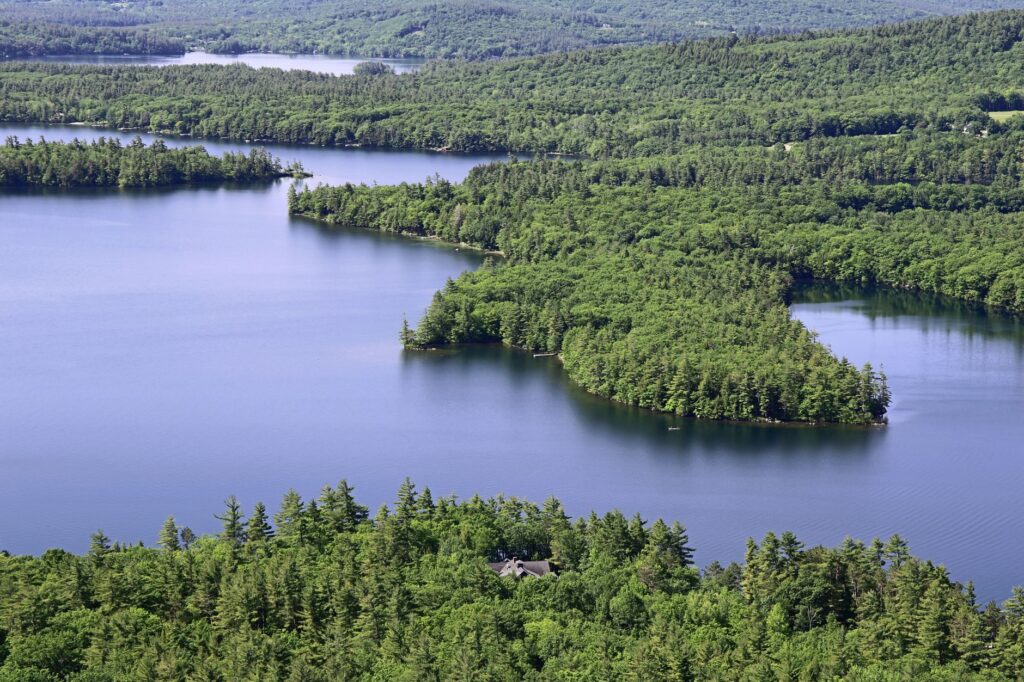
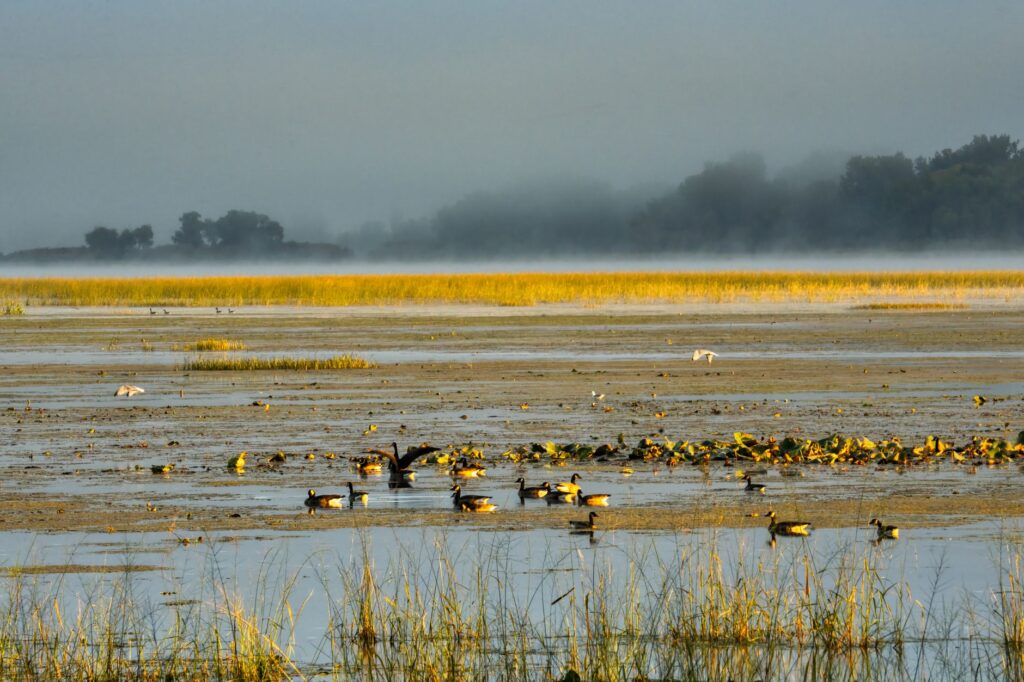
Field biologists have documented over three hundred bird species within this corridor, establishing the area as a global hotspot for ornithology. During peak migration weeks, riparian forests and coastal marshes teem with observers equipped with binoculars and field guides, all drawn by the staggering concentration of warblers, raptors, and waterfowl. Local authorities and private land trusts have acquired strategic parcels to preempt real estate speculation, ensuring that flight paths remain free of artificial barriers and that wetlands continue filtering runoff water flowing toward riverside urban centers.
The Evolution of Outdoor Rest: The Rise of Glamping
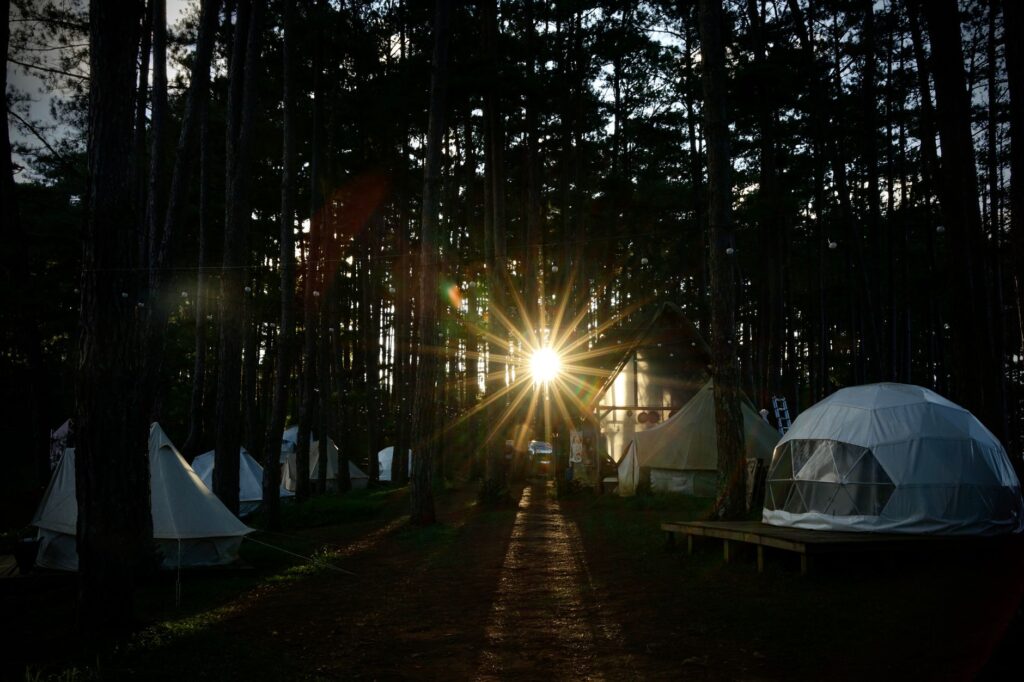
The traditional concept of camping across the Great Lakes has undergone a profound evolution, driven by travelers eager to connect with natural surroundings without compromising contemporary standards of comfort. The outcome of this shift is the boom of glamping—glamorous camping—which in this corner of Lake Erie integrates harmoniously into the forest and coastal landscape. Canvas structures set atop elevated wooden platforms, outfitted with ergonomic beds, low-draw solar lighting, and closed-loop waste management systems, enable overnight stays in the heart of nature with a minimal carbon footprint.
This lightweight infrastructure avoids the permanent impact of concrete and treated lumber on the forest floor. The region’s eco-camps operate under rigorous environmental guidelines that ban single-use plastics, mandate greywater recycling, and emphasize sensitive landscaping. Sleeping beneath the canopy of centenarian oaks, lulled by the whisper of lake breezes and the call of nighthawks, transforms into an exercise in environmental sensitivity where true luxury is measured not by material opulence, but by silence, clean air, and pristine night skies untouched by light pollution.
True luxury along the shores of Lake Erie is not artificial opulence, but the rare privilege of temporarily inhabiting a landscape where nature dictates its own pace and silences.
Unlike massive mainland resorts, these sustainable hospitality outposts function as open-air classrooms. Local managers lead complimentary workshops on native entomology, mammal tracking, and solar cooking techniques, educating visitors on the complex web of the surrounding ecosystem. Consequently, every stay contributes financially to the upkeep of interpretive trails and land acquisition funds dedicated to shielding fragile shorelines from erosion.
Suspended Adrenaline: Low-Impact Arborism and Ziplines
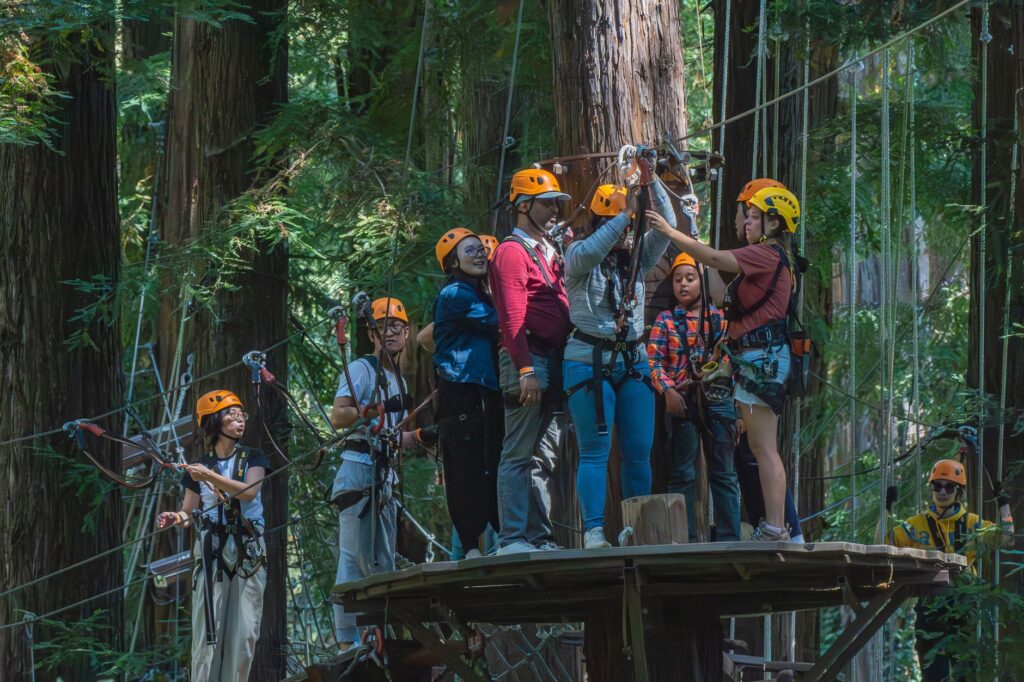
Active tourism in the archipelago avoids competing with overcrowded theme parks, instead proposing a kinetic interaction with the forest canopy. The arborism circuits and zipline courses installed within local nature reserves are engineered using tree-friendly arborist techniques that avoid piercing or damaging the living tissue of ancient hardwoods. Utilizing friction mounts and adjustable tension cables, the platforms adapt to the natural growth of oaks and maples, allowing visitors to glide above the forest floor and observe woodland dynamics from a vantage point usually reserved for avians.
This measured approach to adventure tourism fosters deep respect for the verticality of the forest. Before every excursion, specialized guides lead briefings on the fragility of soil layers and the imperative of avoiding disturbance to nesting wildlife. Experiencing the rush of lake winds while crossing forested ravines delivers a surge of adrenaline that complements the serenity of kayaking, proving that outdoor recreation and ecological preservation can coexist under strict carrying-capacity regulations.
Flavors of the Basin: Farm-to-Table Gastronomy
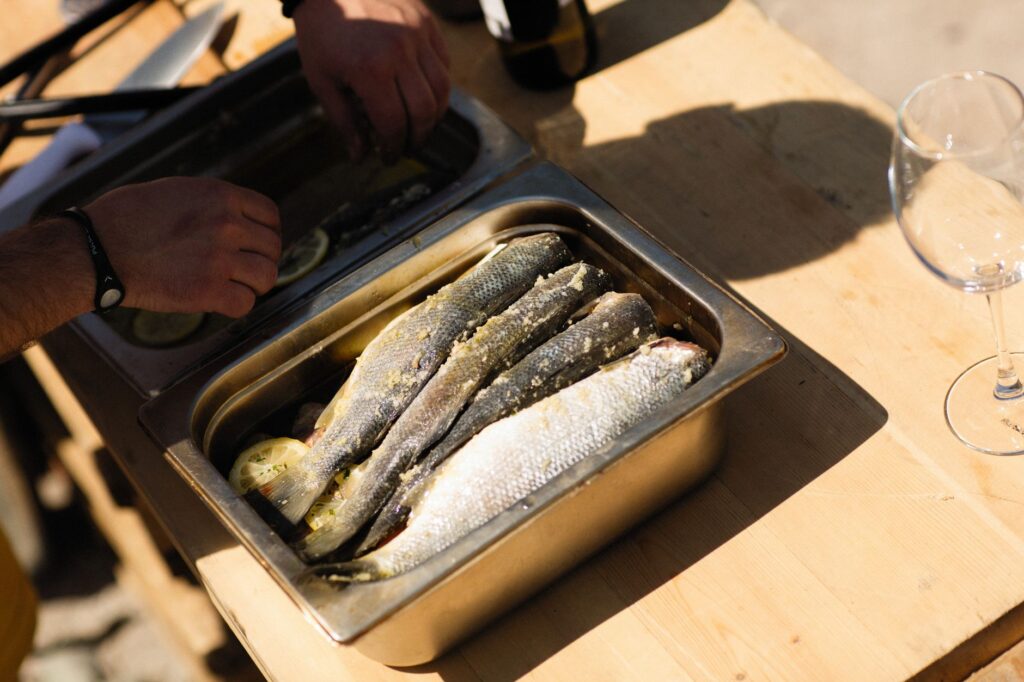
The travel experience across this sector of Lake Erie is anchored by a culinary scene that revives the agricultural and aquatic traditions of the region. Restaurants embedded within natural reserves and insular harbor taverns eschew mass-distribution supply chains in favor of hyper-local purveyors. Lake whitefish, harvested by small-scale artisanal fleets operating under strict sustainable quotas, occupies a central place on menus, prepared with techniques that honor its delicate flavor and paired with greens cultivated by neighboring regenerative farms.
This terroir-driven cuisine celebrates seasonality. Spring brings wild ramps, tender asparagus, and woodland herbs gathered along forest margins; summer and autumn yield wild berries, regional wildflower honey, and vintages from local vineyards that leverage the lake’s microclimate to produce high-mineral wines. Dining here acts as a political and ecological choice: every dollar spent directly supports traditional fishermen, organic growers, and the preservation of historic agricultural landscapes against suburban sprawl.
Slow Navigation: From Kayaks to Mountain Bikes
Traversing the islands and shorelines of Lake Erie demands a deliberate deceleration of pace. Secondary roadways, flanked by dry-stone walls and tree lines shielding crops from northern winds, invite exploration on two wheels. Cycling routes connect key natural landmarks with ferry docks, promoting an intermodal transit network that drastically curtails motor vehicle traffic during peak weekend periods.
On the water, touring kayaks and stand-up paddleboards reign supreme. Gliding silently through sheltered coves and wetland channels allows travelers to approach painted turtle colonies and great blue herons without altering their natural behaviors. Local freshwater guides organize dawn excursions, when the lake assumes the texture of a mirror and morning mist dissolves the boundary between sky and water, offering an aesthetic encounter with profound inner peace.
Practical guide
How to get there: Primary access is by road from Detroit or Buffalo via the I-90 highway to the mainland hubs of Port Clinton or Sandusky, where regular passenger and vehicle ferries depart for the primary islands. Visitors are encouraged to leave private automobiles on the mainland and utilize bicycles or local public transit.
When to go: The optimal season spans from May through October. May and September are ideal for observing migratory birds and enjoying crowd-free hiking, while summer delivers perfect weather for swimming and water sports.
Where to stay: Sustainable glamping sites and local eco-inns operate primarily on advance reservations. Travelers should verify sustainability credentials to ensure facilities rely on renewable energy and certified waste management.
Packing essentials: Layered technical clothing, waterproof hiking footwear, quality binoculars for wildlife viewing, and biodegradable insect repellent are mandatory. Lake weather can shift rapidly, making a windbreaker essential regardless of the season.
The Invisible Pulse of the Aquatic Border
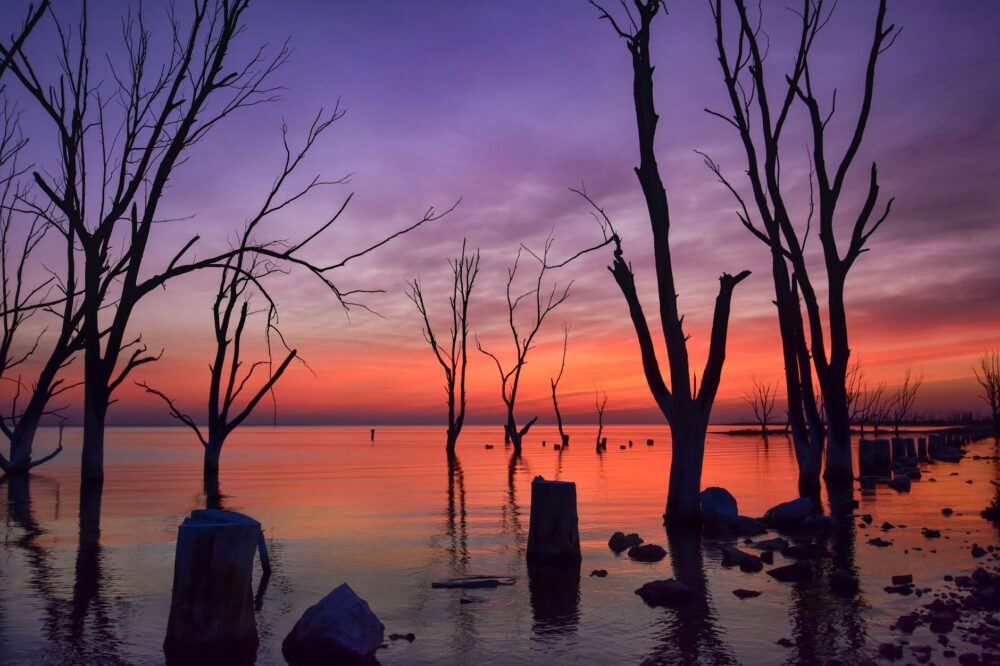
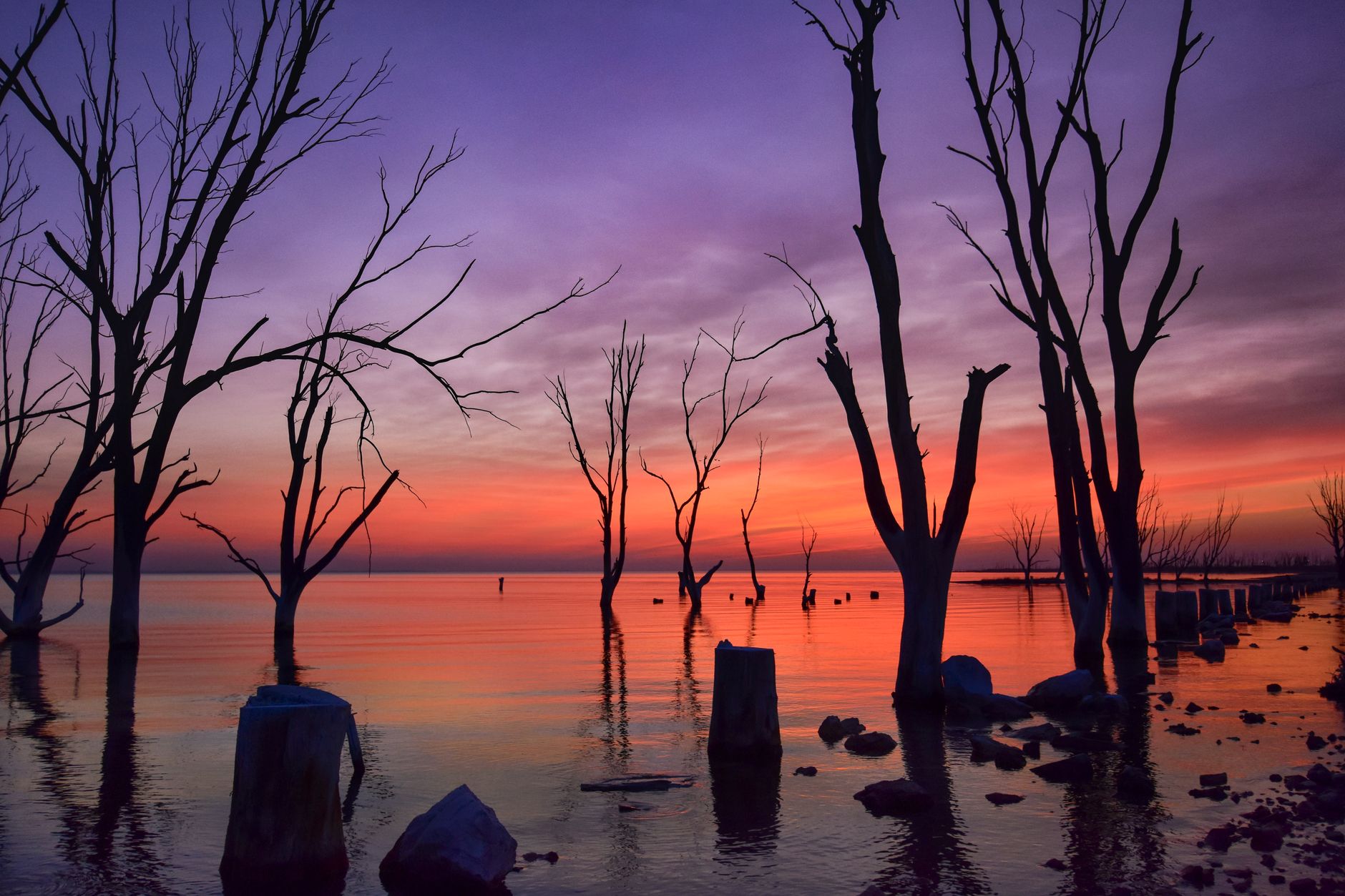
At dusk, as the sun descends over the horizon of Lake Erie and stains the water a deep copper hue, the landscape reveals its true emotional dimension. This is far more than a well-preserved vacation spot; it is a tangible reminder of nature’s resilience in the face of continental industrialization. In this corner where the waters of the Great Lakes converge, stillness becomes a sanctuary, and attentive wildlife observation transforms into mutual respect.
Walking these trails at twilight, accompanied by the distant call of cranes and the scent of damp earth, attunes the traveler to a vital rhythm lost in the frantic pace of the twenty-first century. Here, the boundary between Detroit and Buffalo ceases to be an industrial transit line and evolves into a shared sanctuary—a potent reminder that wild beauty can still flourish wherever humanity chooses to pause its march and listen to the invisible heartbeat of the earth.
Source: Islands – Between Detroit And Buffalo Is An Idyllic Nature Resort With Glamping, Ziplining, And On-Site Dining (https://news.google.com/rss/articles/CBMi3gFBVV95cUxOU2s4YVNHcE5WTHRyMWFkZmZIcXlSNDRGQnZVRnotZjVocl9xOEhXbERvUVAtUC1zUVlvcXEzZjVwU1VWQjNYay0yY29ZN0IyUkEyZGkwMWtVTmVIeFR5cmF4alNjaTVwaktFckhJSFpiMGNUcDZDYlZfZUNxenEzNlZGLVFSUUFpdVU5ZXUwOFlPTGhsal9fZlNJSmdDVUtqd2FxaE9mZTJhZlRtcWJXZVA2dlYtZm9OdmFteGdqQWhpSExLYmhsLWtPR1BabDB3c2M1WVE0Y2pHQnlQbGc?oc=5)