
Conquering the Eastern Pyrenees on Rails
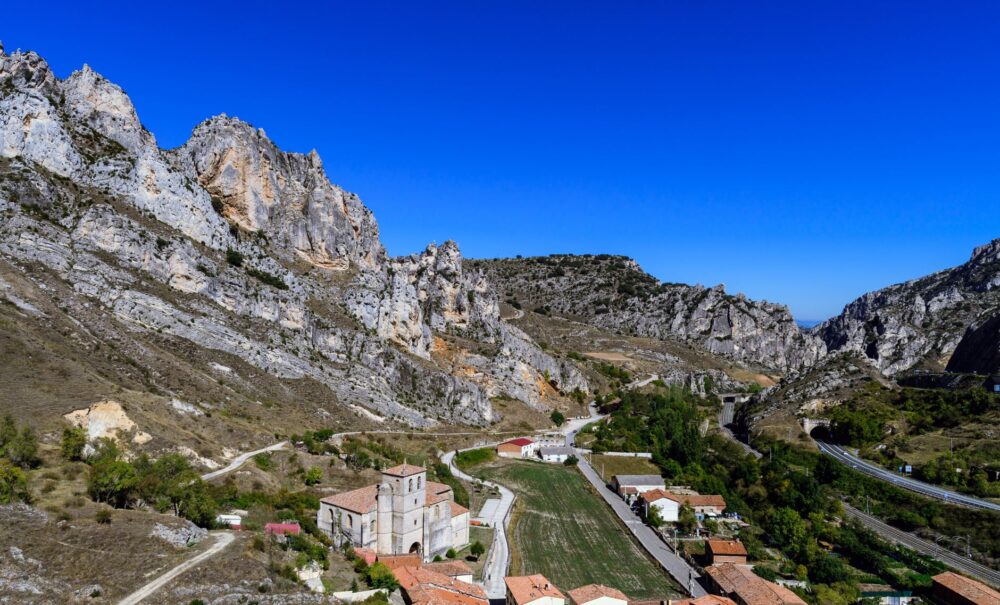
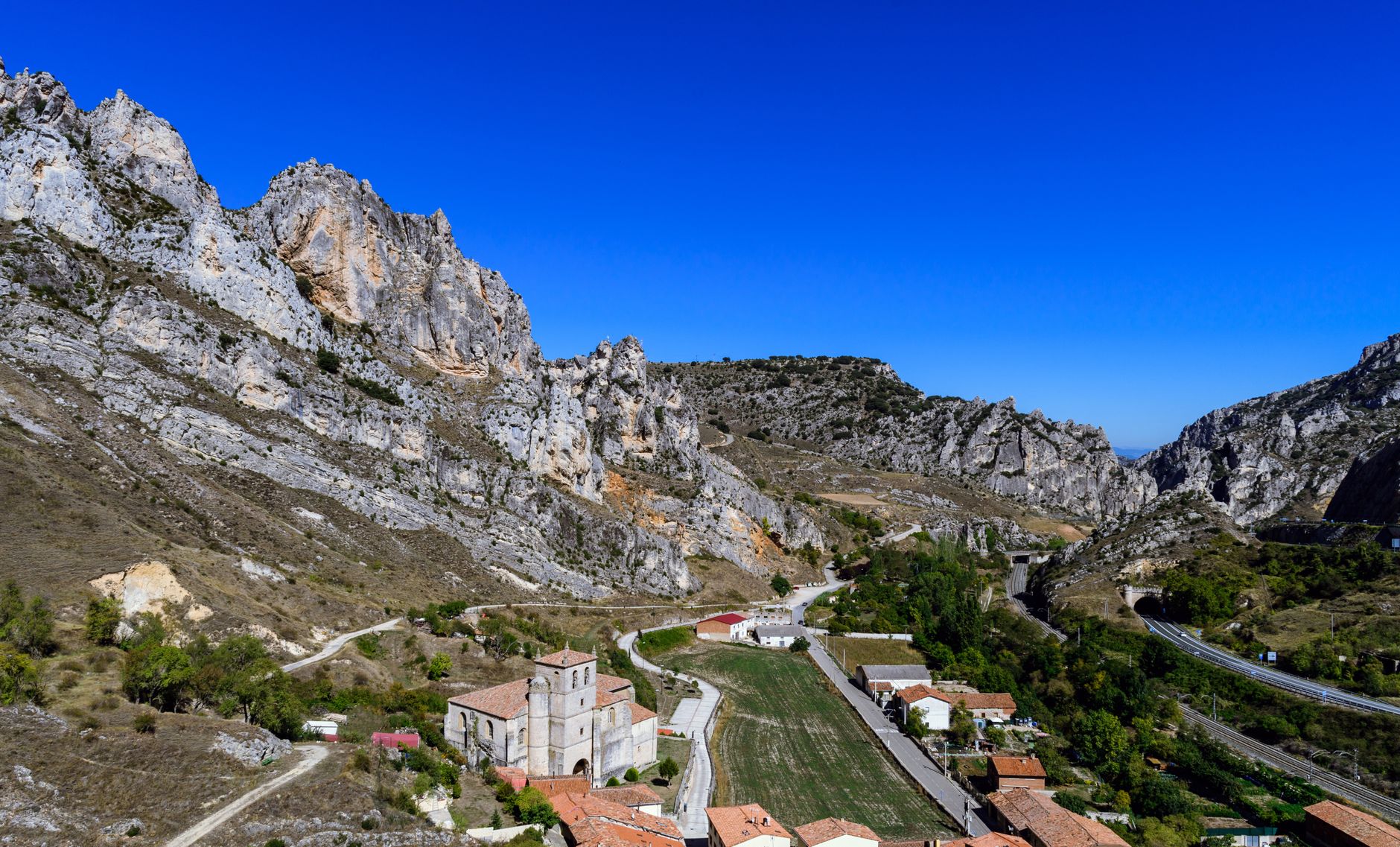
The Pyrenean mountain range has historically served as an imposing natural barrier between the Iberian Peninsula and the rest of continental Europe. Overcoming its rugged ridges required a titanic engineering effort that culminated in the early 20th century with the opening of the railway connecting Catalan counties with the Cerdanya plateau and French territory. This rail line is much more than a mere mode of transportation; it stands as a living monument to technical audacity and the human drive to integrate geographically hostile territories into a seamless communication network.
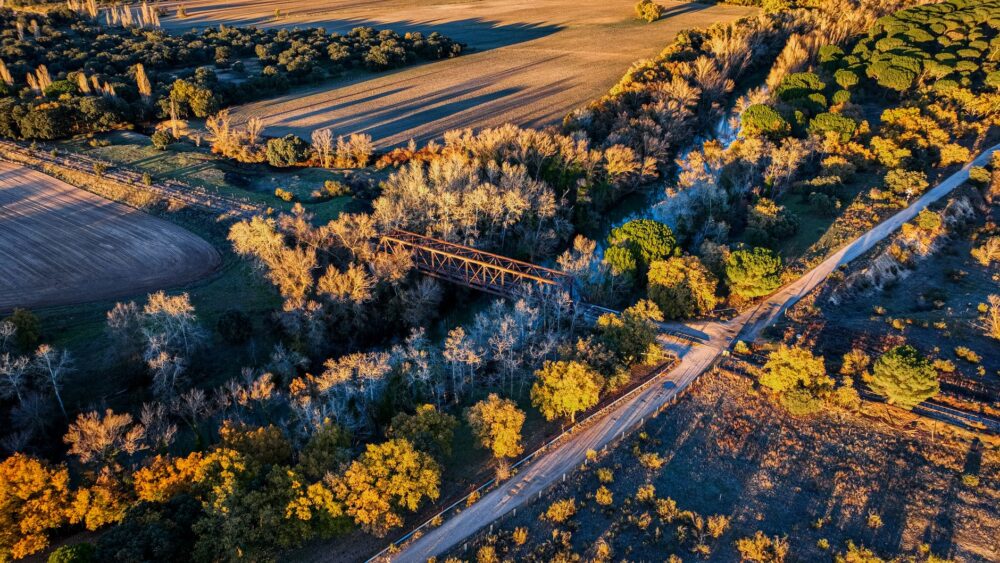
Along its route, the train meanders following the capricious course of rivers and overcoming impossible gradients through an uninterrupted succession of tunnels and noble stone viaducts. The journey between Ripoll and the international station of Latour-de-Carol-Enveitg encapsulates the complexity of high-mountain railroading in Europe, where every single kilometer won from the rock demanded innovative construction solutions that continue to fascinate engineers, historians, and dedicated travelers seeking substance over speed.
Historical Origins and the Dream of Cross-Border Union
The project for the eastern trans-Pyrenean railway took root within a nineteenth-century Europe obsessed with linking its economies across major mountain chains. Diplomatic negotiations between Spain and France dragged on for decades, hampered by budgetary discrepancies, debates over rail gauges, and the immense technical hurdles posed by the terrain. It was not until the opening decades of the twentieth century that construction gained decisive momentum, driven by the imperative to establish a direct commercial route and a strategic corridor for passengers and defense.
Engineers of the era faced a geologically unpredictable landscape. Excavating underground galleries through solid rock relied on rudimentary methods, where the grueling physical labor of local workers combined with early advancements in pneumatic drilling. The harsh climatic conditions of Pyrenean winters turned construction into a true human odyssey. The inauguration of the most complex segments marked a watershed moment in continental railway history, consolidating a corridor that pushed the limits of available technology at the time.
Monumental Architecture and Topographic Challenges
The longitudinal profile of the line is dominated by continuous steep inclines and tight radius curves that force locomotives to deploy their full tractive power. The landscape is punctuated by masonry structures of immense heritage value: ashlar bridges spanning massive river gorges, cyclopean retaining walls, and multi-kilometer tunnels piercing the mountain’s core. Each structure responds to the need for a millimeter-precise adaptation to the relief, avoiding excessive disruption to fragile headwater river ecosystems.
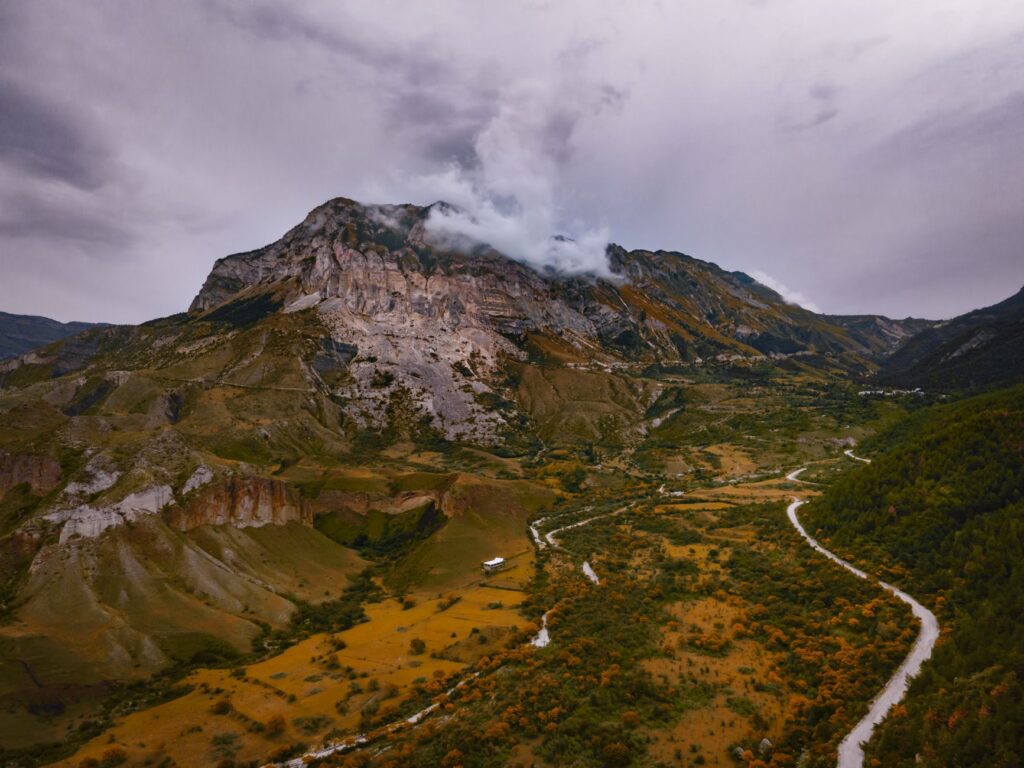
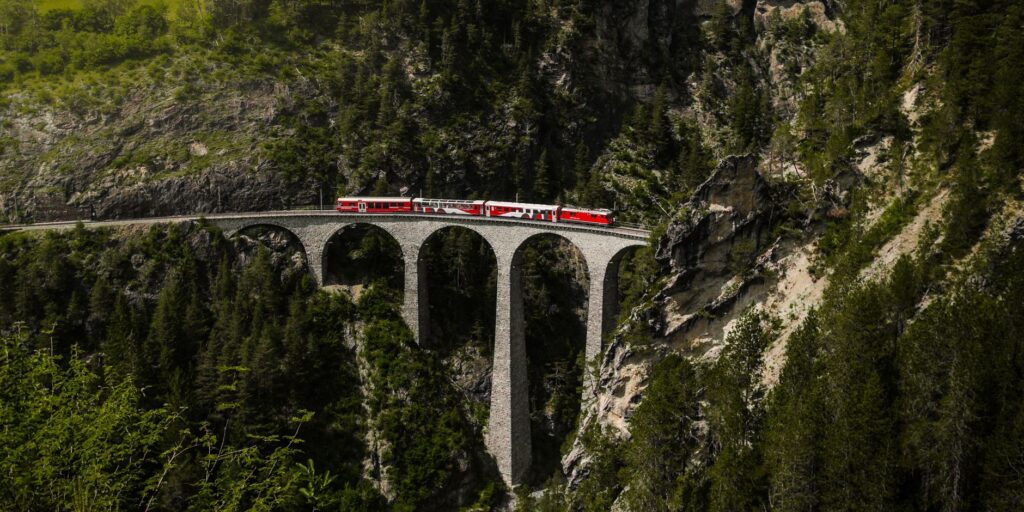
Among the standout elements of the infrastructure are the viaducts crossing the tributary ravines of the Ter and Segre rivers. Built using local stone quarried nearby, these bridges blend seamlessly into the natural environment, often resembling natural geological formations. The enduring strength of these century-old structures has safely supported the constant passage of increasingly heavy trains without compromising structural integrity, bearing witness to the rigorous planning standards of public works in that era.
High-Mountain Logistics and the Climatic Challenge
Operating a high-mountain railway entails unique logistical challenges that extend far beyond standard timetable management. During winter months, heavy snowfalls and persistent freezes threaten to block the tracks. To guarantee service continuity, railway companies deploy a preventive system including snowplow locomotives and constant inspection teams patrolling the alignment before dawn.
Furthermore, energy provisioning and infrastructure maintenance in hard-to-reach areas require millimeter-precise coordination. Intermediate stations, once bustling hubs of economic activity and agricultural and livestock freight exchange, now operate with automated systems while retaining the architectural charm of classic railway buildings. Snowmelt management and rockfall mitigation remain paramount technical priorities to ensure passenger safety along this Alpine-Pyrenean corridor.
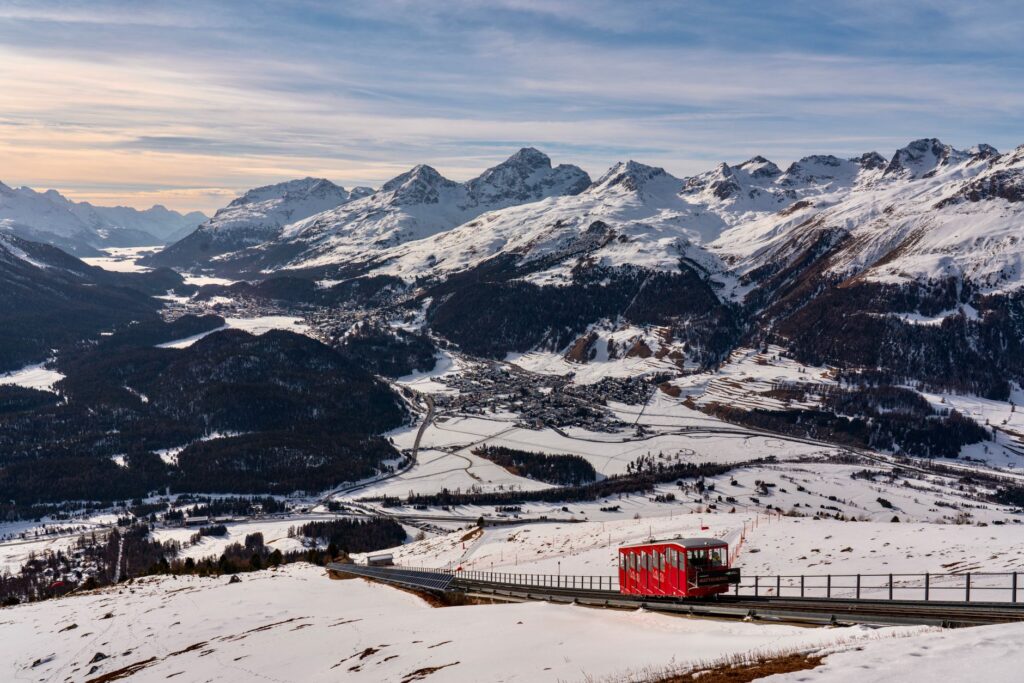
The Uniqueness of Latour-de-Carol: The Three-Gauge Convergence
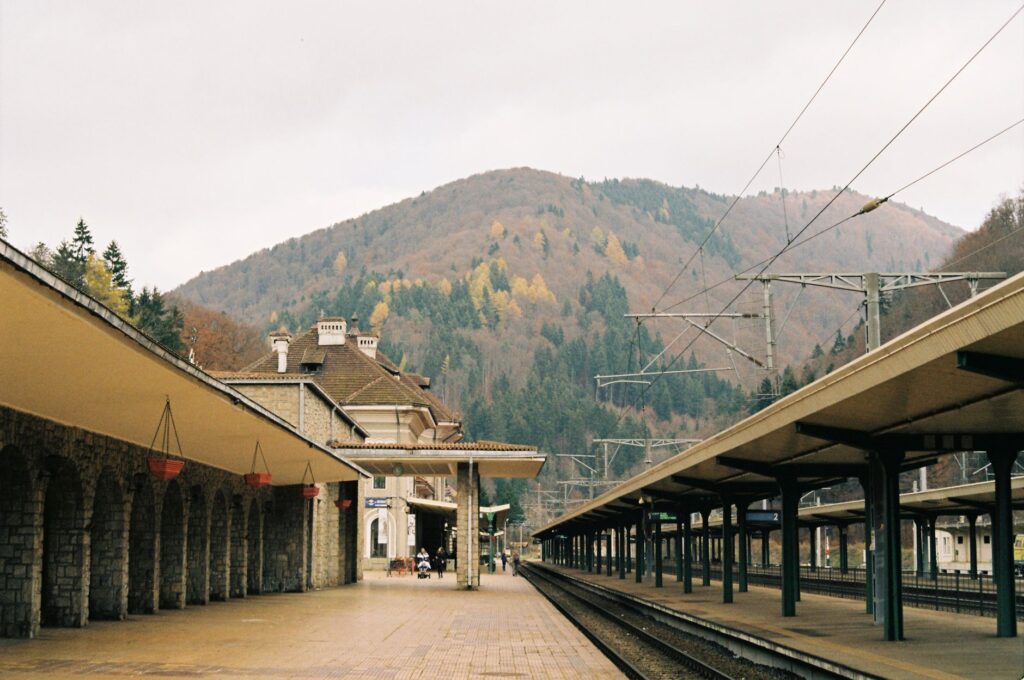
One of the greatest technical and historical attractions of this route is its terminus at the international station of Latour-de-Carol-Enveitg, a unique enclave located on French soil but historically managed in cooperation with the Spanish network. This terminal stands as a global rarity, serving as a convergence point where three different rail gauges meet: the traditional Iberian gauge, the standard European gauge, and the narrow gauge of the emblematic Cerdanya yellow train.
This intersection of rail traditions reflects the complex historical realities of continental integration. Walking along its platforms is a firsthand encounter with the physical manifestation of technical borders that separated the economies of the peninsula and the continent for over a century. Although European unification processes and infrastructure modernizations have transformed the transport landscape, Latour-de-Carol continues to operate as a living museum of international railway engineering and a key exchange hub for travelers exploring the Pyrenees at a contemplative pace.
A mountain train is not merely a machine gliding over two streaks of steel; it is a rolling archive of the geological and human memory of communities that have endured at high altitudes.
Natural and Socioeconomic Heritage of the Valleys
The railway’s impact on the regions it traverses has been profound over the decades. Originally, it facilitated the outflow of timber, local mining coal, and agricultural produce to urban markets in Barcelona. Today, its primary role has shifted toward tourism and demographic vertebration, allowing residents and visitors to access the valleys of El Ripollès and Upper Cerdanya sustainably, independent of road transport.
The presence of the line has fostered an environmentally respectful development model, connecting natural parks, ski resorts, and long-distance hiking trails such as the Path of the Good Men. Local communities have successfully revalued their railway heritage, transforming former stations into interpretation centers and promoting slow tourism that values silence, landscape contemplation, and the region’s industrial history.
Practical guide
Planning a journey aboard the eastern trans-Pyrenean railway requires attention to the operational particulars of a mountain line. Below are the logistical keys to navigating this historic corridor with confidence:
- Recommended Itinerary: Begin the journey at Barcelona-Sants station or directly in Ripoll, ascending progressively through Ribes de Freser and Planoles to crown the Toses tunnel and descend toward the French Cerdanya plateau to Latour-de-Carol.
- Operators and Tickets: Regular services are primarily operated by Renfe under the Media Distancia designation (Line R3). Purchasing tickets well in advance is highly recommended, especially during winter weekends and the summer hiking season.
- Best Time to Travel: Autumn, for the spectacular chromatic contrast of riparian forests and beech groves; and winter, to experience snowy high-mountain landscapes, while remaining mindful of potential weather disruptions.
- Key Connections: At Ribes de Freser, passengers can transfer to the Núria Rack Railway, another historic engineering marvel that ascends to the alpine sanctuary of the same name.
- Luggage and Recommendations: Due to limited storage space on certain vintage rolling stock and the need for minor transfers, traveling with light luggage is advised. Appropriate warm clothing is essential even in summer due to sudden temperature shifts in the summits.
Alpine Epilogue: The Slow Rhythm of Rock and Steel
When the train finally comes to a halt beneath the monumental canopy of Latour-de-Carol and the metallic echo of the wheels slowly fades against the granite walls, a profound sense of communion with the territory remains. This journey does not pursue the supersonic speed of modern corridors, but rather the delight of unhurried travel, meticulous observation of untamed nature, and appreciation for those engineers and laborers who, pickaxe and shovel in hand, wove the iron threads that allow us to continue crossing the old continent’s summits with the exact same wonder as on day one.