
Introduction to the Scottish Frontier
The northwestern extremity of Scotland represents one of the last truly wild strongholds on the European continent. Unlike the more heavily trafficked routes of the British south, the trail leading to the Cape Wrath lighthouse is neither marked with stone cairns nor supported by continuous infrastructure. It is a line of traverse that demands from the walker a constant reading of topography, a profound understanding of oceanic meteorology, and a proven capacity for self-sufficiency in environments where mobile phone signals are a distant memory and emergency shelters are non-existent.
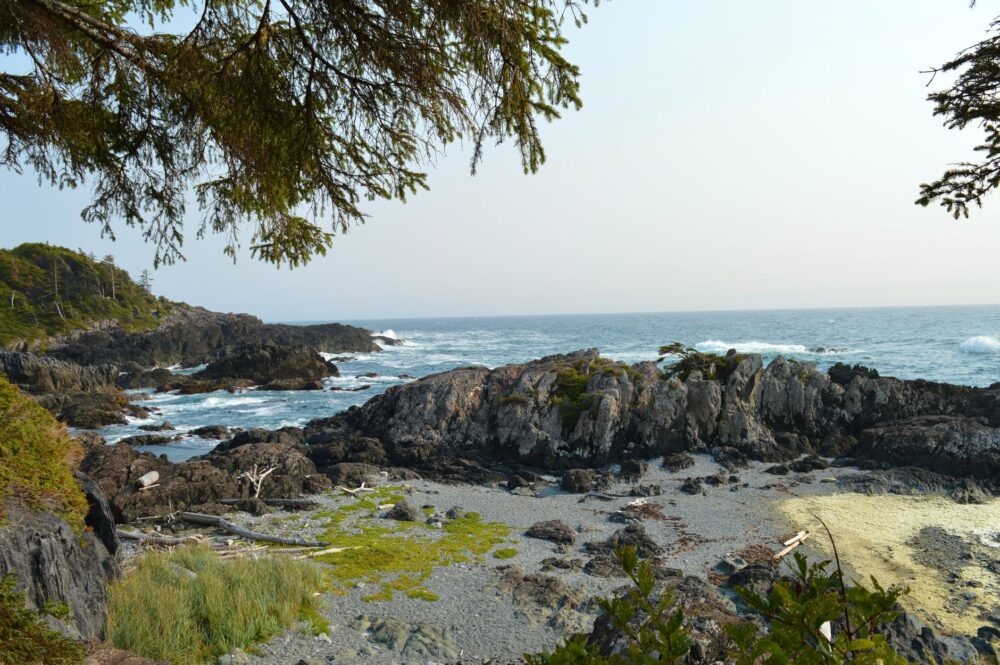
Taking on this itinerary is not merely an exercise in physical endurance, but an immersion into a landscape sculpted by Lewisian gneiss—one of the oldest rocks on the planet—relentlessly shaped by the battering of the North Atlantic and the North Sea. The journey challenges the traveler from the very first step, forcing a fundamental reassessment of safety concepts, pack weight management, and pacing over terrain where the ground gives way beneath boots, transforming into deep peat bogs.
The Geography of the Elements and Terrain Morphology
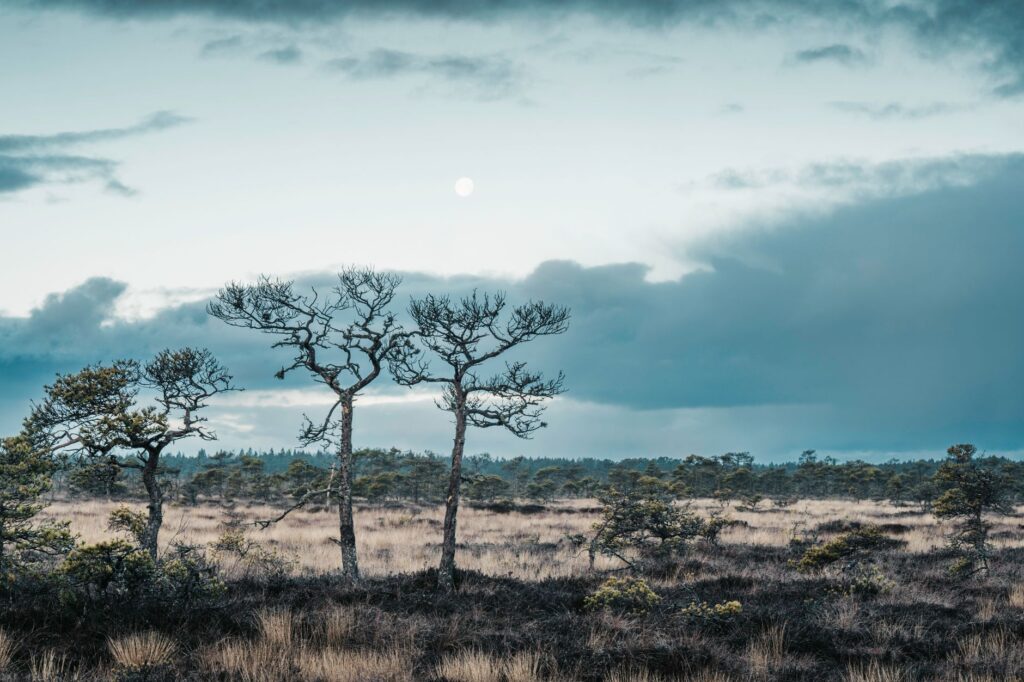
The territory through which the route passes is characterized by an unrelenting succession of steep cols, hanging valleys, and plateaus where water dominates the landscape. The local bogs and marshy expanses constitute the route’s primary technical obstacle. These are not merely damp patches, but three-dimensional extensions of sphagnum moss and saturated peat where a poor choice of line can plunge a hiker up to their waist.
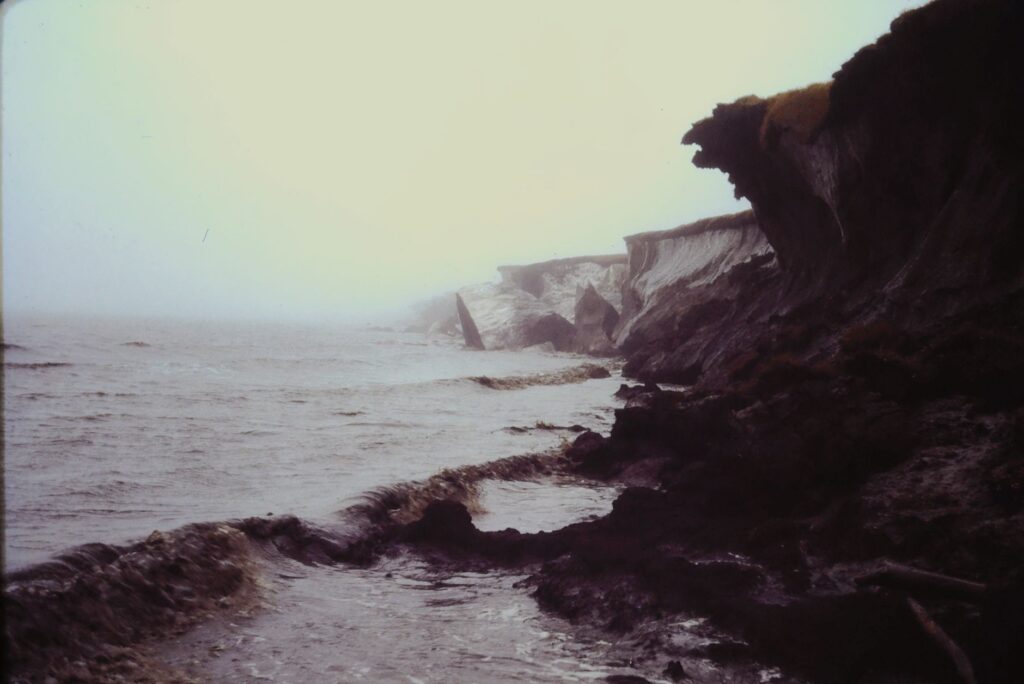
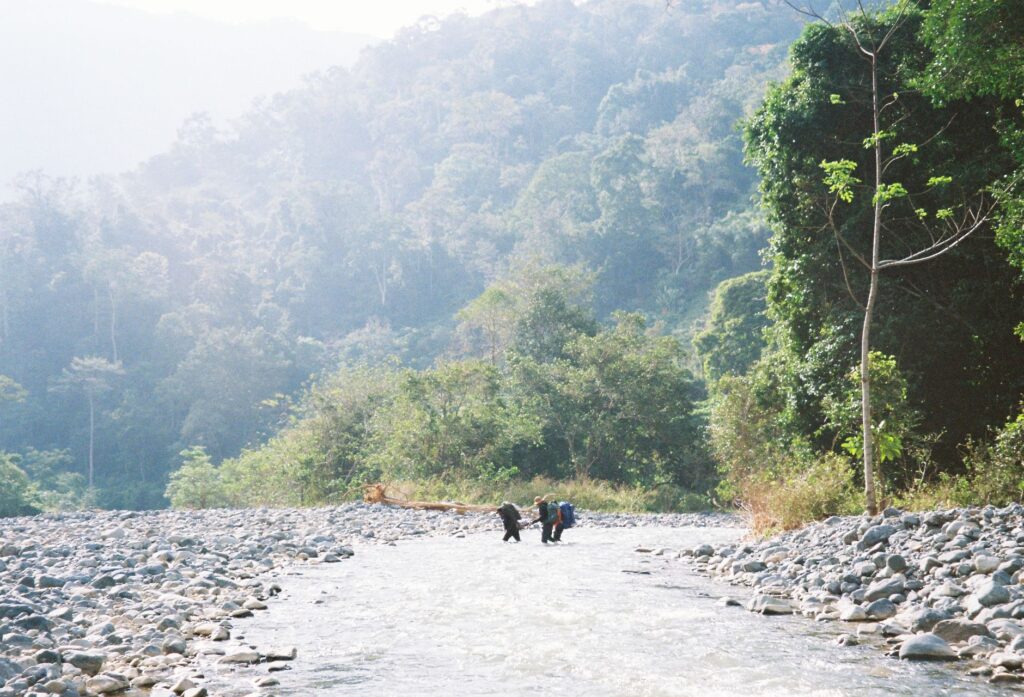
Adding to this challenge is the natural drainage network, composed of numerous mountain torrents or rivers whose flow rates vary dramatically within hours. Frequent precipitation in the western Highlands turns any minor watercourse into a swift, freezing torrent that requires precise wading techniques. Evaluating the current, selecting the optimal crossing point, and using trekking poles in coordination are essential skills to prevent hypothermic risks.
The wind in the Scottish northwest does not merely blow; it exerts pressure. It forces a redefinition of balance and turns every step across the ridge into a direct negotiation with the Atlantic atmosphere.
Climatology is another decisive factor in the expedition equation. Atlantic low-pressure systems strike the coast without warning, bringing fronts of horizontal rain driven by gale-force winds descending from the Arctic. Visibility can drop to mere meters within minutes, making absolute mastery of paper cartography and compass navigation imperative, even for hikers accustomed exclusively to satellite navigation devices.
Logistics and Stage Planning
A successful expedition to Cape Wrath requires meticulous division of daily marching stages. Daily mileage must be calculated not by horizontal distance, but by the cumulative effort of overcoming continuous ascents over unstable surfaces. Generally, experienced mountaineers structure the journey over a time frame of seven to ten days, depending on prevailing weather conditions and the weight of carried equipment.
Food and fuel management is an exercise in mathematical precision. Because there are no commercial resupply points in the central section of the route, the hiker must carry all dehydrated rations and necessary gas from the starting point. Multi-fuel or lightweight gas stoves must be selected by weighing their performance against low temperatures and constant ambient humidity, factors that diminish caloric efficiency.
Likewise, water available in headwater streams, while appearing crystal clear, requires rigorous filtration or chemical treatment. The presence of sheep and deer in the upper catchments introduces contamination risks from pathogens such as Giardia and Cryptosporidium, making the sterilization of the liquid mandatory before consumption to prevent gastrointestinal disorders that would compromise the continuation of the trek.
The Human Factor and Shared Solitude
Treading these solitary paths transforms the perception of time and space. Over the course of several days without contact with urban centers, group dynamics or solo introspection acquire prime psychological relevance. The monotony of physical effort and constant exposure to the elements generate a state of hyper-awareness where every detail of the natural environment takes on intense meaning.
Along the route, hikers may cross paths with local shepherds managing Cheviot sheep flocks or a handful of naturalists studying the marine birdlife of the sea cliffs. These brief interactions often offer valuable information regarding the condition of makeshift wooden footbridges or the unexpected evolution of cloud fronts in the adjacent valleys.
The true measure of the traverse is not etched into the kilometers covered on the map, but in the subtle internal transformation wrought upon the walker by the open air.
Respect for rural properties and responsible camping regulations in Scotland, governed by the Scottish Outdoor Access Code, ensures the preservation of this fragile ecosystem. The principle of leaving no trace is applied with special rigor in areas where the decomposition of organic waste is extremely slow due to the cold and the acidity of the soils.
Architecture and Historical Vestiges Along the Itinerary
Despite its apparent isolation, the northwestern landscape holds the silent traces of ancestral human occupation. The foundations of ancient dry-stone settlements, mostly abandoned during the infamous Highland Clearances of the 19th century, emerge from among the ferns and peat as mute witnesses to a social and demographic tragedy that depopulated the glens.
These ruined settlements, known as townships, occasionally provide precarious shelter against the gusting wind, serving as visual reference points amidst the vastness of the common grazings. The handmade suspension bridges and wooden footbridges installed by local volunteers at strategic points also reflect a rudimentary yet effective engineering designed to bypass watercourses that would otherwise block the advance of walkers.
Practical Guide
How to get there: The usual starting point for adventurers tackling the trek toward Cape Wrath is the coastal village of Ullapool or the small settlements of the northwest accessible via the A835 and A838 secondary roads. From Inverness, the main transport hub of the Highlands, regular bus services operate toward the west coast, though securing space for bulky camping gear requires advance booking.
When to go: The optimal seasonal window extends from late May to early September. During this period, daylight hours are at their maximum—allowing for extended marching days—and average daytime temperatures range between 10 and 18 degrees Celsius. However, June and July coincide with the hatching of swarms of Scottish midges, whose relentless harassment requires the mandatory use of protective head nets and specific DEET- or Icaridin-based repellents.
Essential technical equipment: High-cut mountain boots with waterproof membranes and high-traction soles, reinforced gaiters for peat sections, a layering system of breathable and insulating technical fabrics (avoiding cotton entirely), a three-layer hardshell jacket with a hydrostatic head superior to 20,000 mm, a down sleeping bag with water-repellent treatment or high-end synthetic fiber, an insulated sleeping pad with an R-value above 3.5, paper navigation kits (Ordnance Survey Landranger and Explorer), baseplate compass, emergency whistle, water purification system, and high-calorie energy rations.
Return logistics: The culmination of the route, the Cape Wrath lighthouse, geographically marks the end of the trail but not the immediate return to civilization. To cross the Kyle of Durness estuary from the Keoldale slipway to the lighthouse peninsula, it is necessary to coordinate passage with the small seasonal passenger boat and the authorized minibus that traverses the final eighteen kilometers of deteriorated military road. It is vital to consult the operating schedules of this transport before starting the trek, as its operation is strictly subject to tidal conditions and weather states.
The Final Beat of the Atlantic Frontier
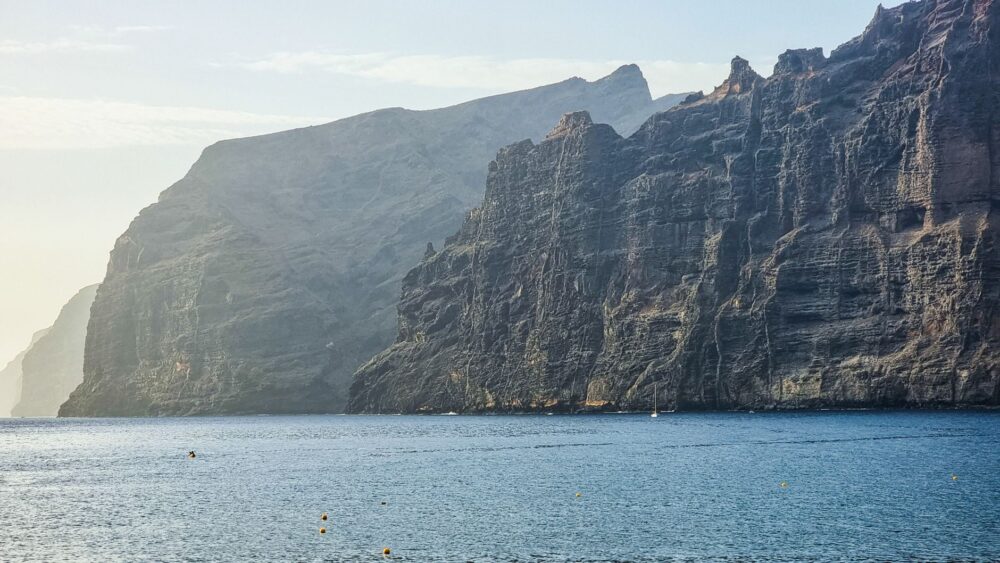
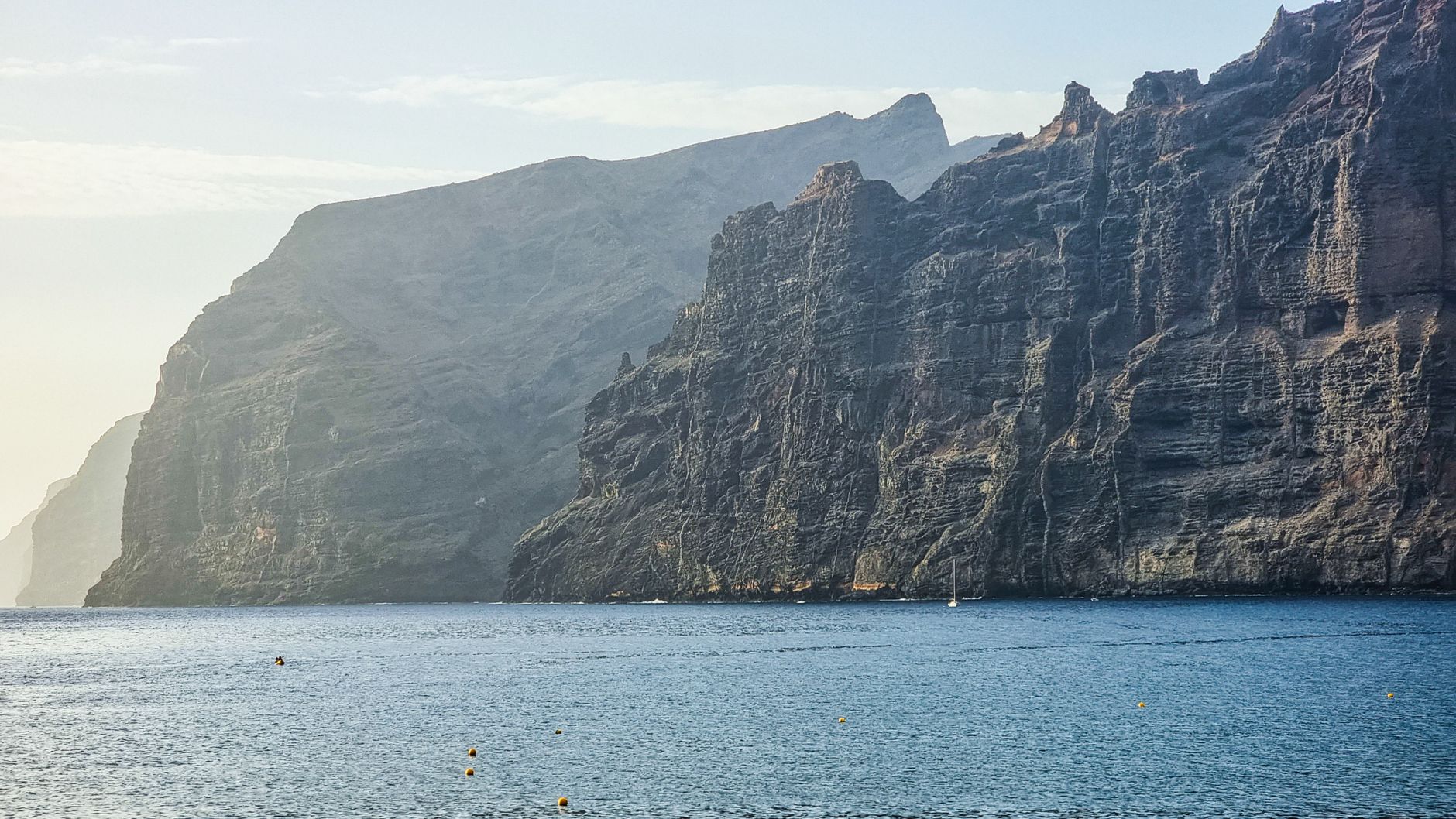
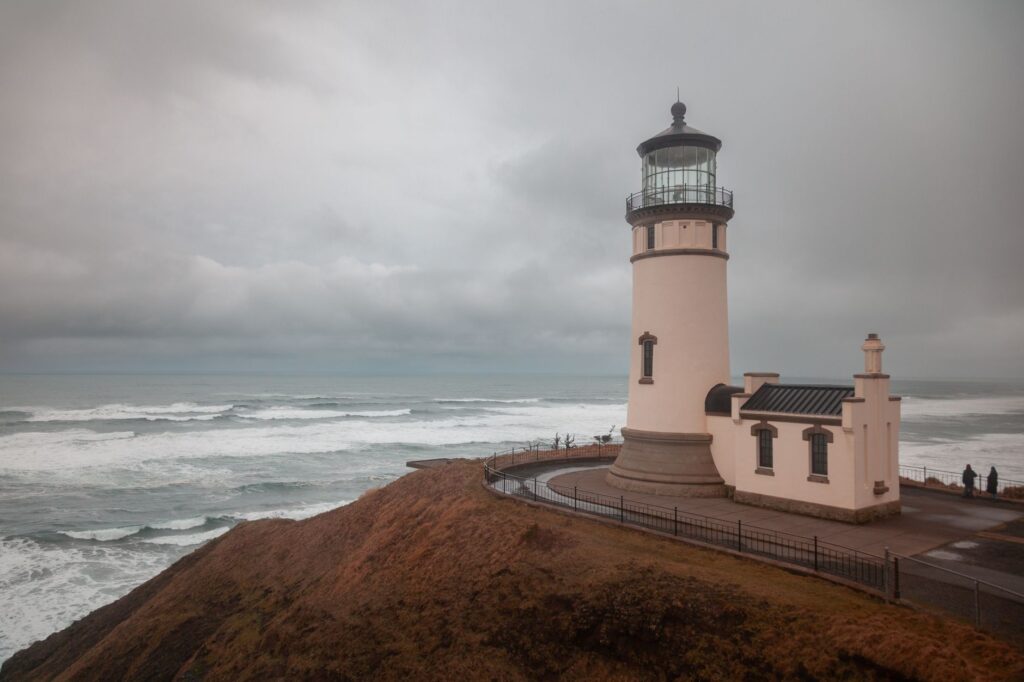
Upon finally reaching the rocky escarpment where the Cape Wrath lighthouse stands, built in the 19th century by engineers of the Stevenson family, the roar of the waves against vertical cliffs over two hundred meters high synthesizes the intensity of the experience. The vastness of the ocean opens without interruption all the way to the coasts of Iceland, reminding the traveler of the true scale of the planet and the fragility of the human condition in the face of nature’s primordial forces. In that moment of stillness, with the wind sweeping away the final shreds of fatigue, the traverse reveals itself not as a conquest of territory, but as a profound reconciliation with silence and distance.