
The Hidden Resonance of a Gipuzkoan Valley
Between the rugged ridges of the Aralar Sierra and the steady murmur of the Oria River, the Gipuzkoan municipality of Ataun stands out not only for its lush geography and deep mythological roots. In this corner of the Basque Country, metallurgical tradition transcends mere utility to become a discipline where acoustic physics and sculptural art quietly embrace. While major tourist routes crowd coastal capitals, interior valleys safeguard a unique industrial heritage: that of resonant bronze foundries, workshops where raw material transforms into liturgical and civil voice.
The question guiding this journey is far from trivial: how does such a specialized artisanal craft survive in the digital age, when electronic chimes and digital recordings promise an efficiency unattainable by human effort? The answer lies not in nostalgia, but in material resistance. Here, each piece is unrepeatable, calculated with mathematical precision, and molded using techniques that have barely shifted since the Middle Ages. Delving into Ataun means understanding that bronze is not an inert metal, but a living organism demanding patience, exact temperature, and absolute pitch from the master founder.
The Alchemy of Fire: Proportions and Alloy Secrets
The heart of any bell workshop beats to the rhythm of crucible furnaces. Unlike other branches of artistic casting, bell making requires a very specific alloy traditionally known as bell metal, composed of approximately seventy-eight percent electrolytic copper and twenty-two percent pure tin. Any minor deviation in these proportions irreversibly alters the timbre, sound persistence, and structural resistance of the piece against centuries of weathering.
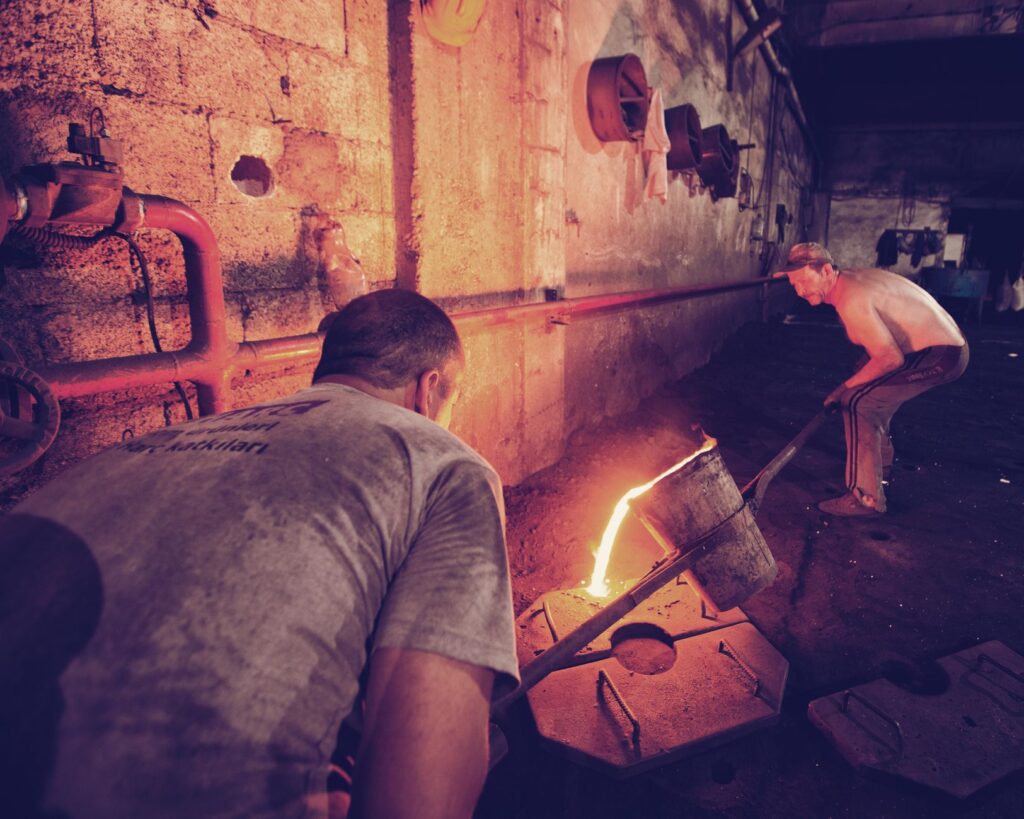
In the workshops of Ataun, masters insist that the process begins long before lighting the fire. Mineral selection and metal cleansing are meticulous tasks performed by hand.
Bronze forgives no impurities; a single grain of foreign oxide can ruin months of harmonic calculation at the moment of pouring.
This absolute demand turns each workday into a ritual of concentration where generations of accumulated experience intersect with modern physical formulas to ensure the instrument vibrates with flawless harmony.
The Ephemeral Art of the False Core and False Bell
The process of building a bell defies the intuitive logic of conventional sculpture. One does not carve from a block; rather, construction proceeds from the inside out using humble materials such as clay, horsehair, refractory brick, and tallow. The first step involves raising the core, a central structure of brick and clay replicating the exact interior silhouette of the final bell.
Over this core, an intermediate layer of wax or soft clay known as the false bell is overlaid, drawing the exact thickness the molten metal will later occupy. It is in this intermediate phase where epigraphic inscriptions, iconographic reliefs, and tuning ribs are sculpted. Finally, the outer mantle is applied, sealing the assembly before direct fire melts the wax and fires the clay. This strictly single-use mold must be smashed with mallets once the metal cools to release the bell, ensuring no two pieces in the world are identical.

The Geometry of Sound: When Mathematics Becomes Music
One of the most fascinating aspects of traditional bell-making is its capacity to emit multiple pitches simultaneously without generating dissonance. A skilled bellmaker does not seek to tune a single note, but to harmonize at least five main tones within the same geometric structure: the prime, tierce, fifth, nominal, and upper octave. The outer profile of the bell, known as the gauge, is a perfect logarithmic curve calculated through formulas combining Euclidean geometry and musical sensitivity.
- The thickness of the lower sound bow determines the total weight and acoustic power of the piece.
- The height of the profile directly influences the pitch of the nominal or fundamental note.
- The diameter of the mouth establishes the base frequency of the sound emitted when the bronze is struck.
- The yoke and suspension system condition the pendular movement and the propagation speed of the sound wave.
In Ataun’s contemporary studios, artisans combine this empirical knowledge with digital spectrum analyzers, allowing them to millimetrically correct the bell’s interior through a mechanical reduction process known as lathe tuning. This balance between analog tradition and scientific control ensures each instrument meets the rigorous liturgical and civil standards required in churches, town halls, and monumental towers across Europe.
The Workshop as a Territory of Memory and Transmission
Walking through the workspaces in this Basque valley is stepping into a living archive of Basque material culture. The workshop walls are spattered with soot, adapted woodworking tools, centennial compasses, and plaster molds narrating commissions from the past two hundred years. Unlike serial industrial production, knowledge transmission here still operates under the traditional workshop model, where apprentices spend years filing metals, preparing clays, and training their ears before assuming responsibility for leading a pour.
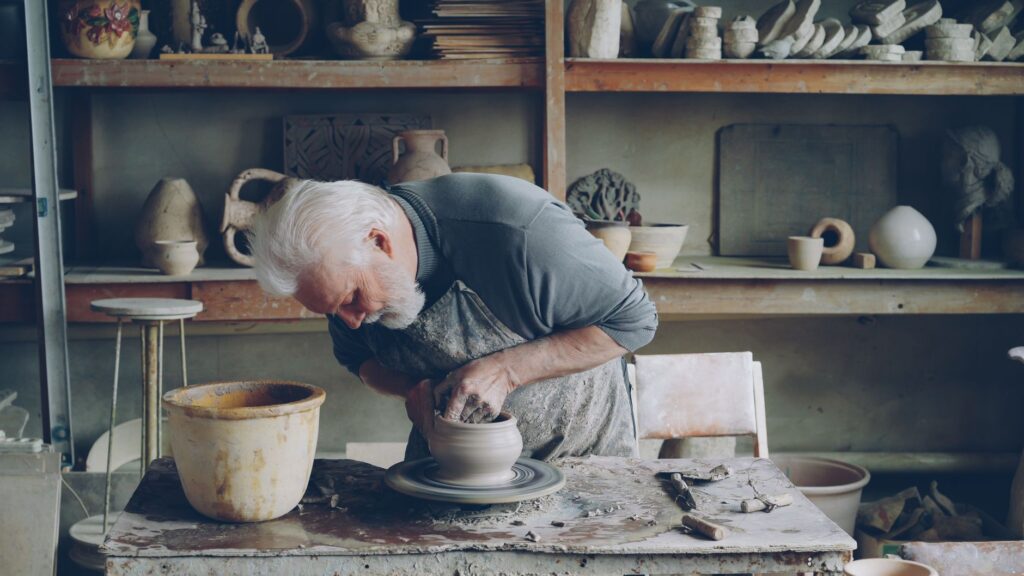
This generational transmission faces considerable logistical and economic challenges today. The scarcity of raw materials at competitive prices, rising energy costs to keep furnaces above a thousand degrees Celsius, and a lack of generational renewal threaten to extinguish these hubs of know-how. Nevertheless, designation of origin and institutional recognition as intangible cultural heritage have revitalized interest among young designers, restorers, and architects in incorporating resonant bronze into contemporary urban design and heritage recovery projects.
The Pulse of the Landscape: Architecture, Stone, and Rural Heritage
Ataun’s geographic context is not a decorative backdrop, but an active element in the identity of its workshops. Ashlar stone mansions with timber framing, centennial farmhouses scattered across slopes, and hermitages dotted over high mountains form a soundscape where the bell has always served a fundamental social function. Formerly, bronze not only marked canonical hours; it was the collective communication medium to warn of storms, summon open councils, or announce the arrival of travelers and local festivities.
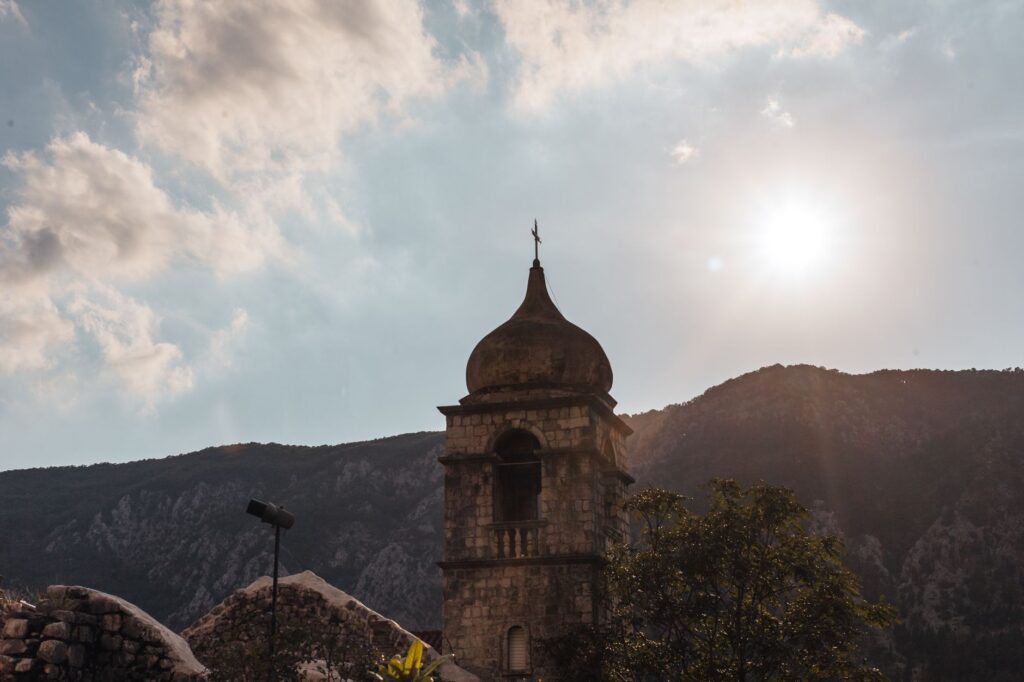
Today, hiking the trails connecting Ataun’s various neighborhoods reveals the symbiosis between vernacular architecture and metallurgy. The towers of the churches of San Martín de Ataun and San Gregorio Ostiense house some of the region’s most notable mechanical testimonies, many restored by the same artisans keeping the furnaces burning in the lower valleys.
The sound of a traditional bell housed in its original tower is not merely an acoustic phenomenon; it is the voice of the territory connecting the geological past of the mineral with the cultural present of its inhabitants.
Practical guide
Planning a rigorous visit to Ataun’s bell-making heritage and natural landscape requires attention to local schedules and respect for artisanal workspaces.
How to get there: The main access to Ataun is by private vehicle from San Sebastián by taking the A-1 highway to Beasain and subsequently linking with the GI-2120 road. By public transport, regular bus lines operated by Lurraldebus connect Beasain with Ataun’s various neighborhoods (San Gregorio and San Martín).
When to go: Spring and autumn offer optimal weather conditions for hiking the valley trails and visiting workshops without summer crowds. Consulting the local cultural calendar is recommended to coincide with patron saint festivities featuring manual bell-ringing demonstrations.
Workshop visits: Due to the hazardous and delicate nature of foundry processes, access to furnace areas requires prior arrangement with master artisans or through the Goierri regional tourism offices. Spontaneous visits during pouring days are prohibited due to strict occupational safety regulations.
Accommodation and dining: The valley features several traditional guesthouses rehabilitated under architectural sustainability criteria. Local gastronomy emphasizes farmhouse products, prominently featuring Tolosa beans, Idiazabal cheese with designation of origin, and native meats.
The Perpetual Echo of an Ancient Art
As dusk falls, when mist descends from the peaks of Aralar and blankets Ataun’s stone roofs, the valley regains a dense silence interrupted only by the murmur of water. Inside the workshop, the metal has cooled entirely within its clay mold. The master bellmaker, hands marked by soot and the patience of one who converses with primordial elements, prepares to deliver the first mallet strike. At that precise moment when the ceramic shatters and polished bronze emerges into the light, an ancient miracle is consummated: inert matter yields to human intelligence to become music, memory, and refuge against oblivion.