
In the heart of eastern Switzerland, where the Alps fold over the alpine valley of the Rhine, water does not merely descend as an inevitable geological resource; it emerges from the bowels of the earth laden with a mineral memory that has spent centuries shaping the landscape and the rhythm of its inhabitants. Bad Ragaz is not a fortuitous spa enclave, but the result of a millennial convergence between alpine tectonics and the science of wellness. Here, hydrotherapy transcends mere holiday escapism to become a discipline of bodily synchrony, where every degree of temperature and every litre of thermal flow responds to a hydrological balance rigorously studied and preserved.
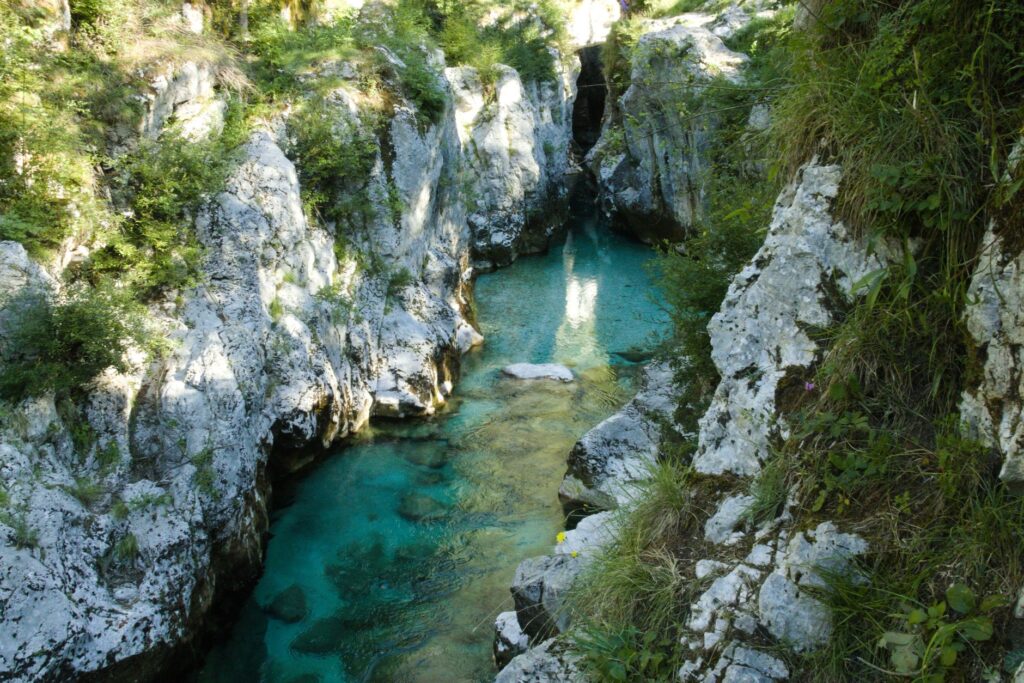
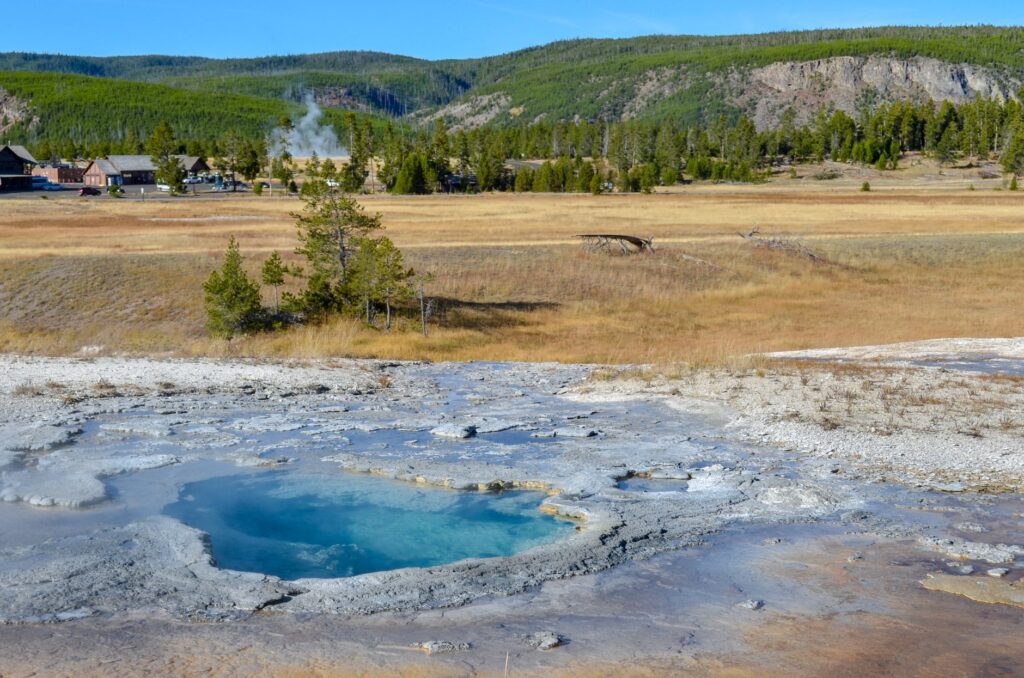
The phenomenon has its genesis a few kilometres from the urban centre, deep within the Taminaschlucht gorge, a vertical cleavage of titanic rock walls where sunlight barely grazes the riverbed. From this geological fissure, 36.5-degree Celsius pure water flows uninterruptedly, a thermal constant that astonished medieval chroniclers and now feeds the valley’s complex infrastructures. This flow, free of sulphur but brimming with magnesium, calcium, and carbonates, travels kilometres through subterranean conduits to reach health complexes, keeping its original therapeutic properties intact without the need for artificial chemical alterations.
The Sacred Geography of the Taminaschlucht Gorge
To comprehend the magnitude of the experience in Bad Ragaz, one must look back to the origin of the spring. The Taminaschlucht gorge is a vertical slash in the limestone rock plunging deep into the mountain with an almost cathedral-like atmosphere. Access to the original source, a tunnel excavated into the stone leading hundreds of metres into darkness, allows the traveler to witness the exact birth of the thermal water. The constant vapour impregnating the walls and the dull roar of the Tamina River striking the boulders create a sensory prelude that strips visitors of modern life’s urgencies before they ever step foot in a wellness center.
Historically, the earliest records of these waters’ usage date back to the 13th century, when monks from the Pfäfers Abbey discovered the healing properties of the vapors and the flow. In those times, the infirm were lowered by ropes down the gorge walls to submerge in natural rock pools, an extreme testament to the faith placed in the spring’s curative virtues. Over the centuries, the rudimentary monastic infrastructure gave way to increasingly sophisticated hydraulic engineering, transforming alpine isolation into a European benchmark for preventive medicine and physical recovery.
Thermal Architecture and the Aesthetics of Water in the Valley
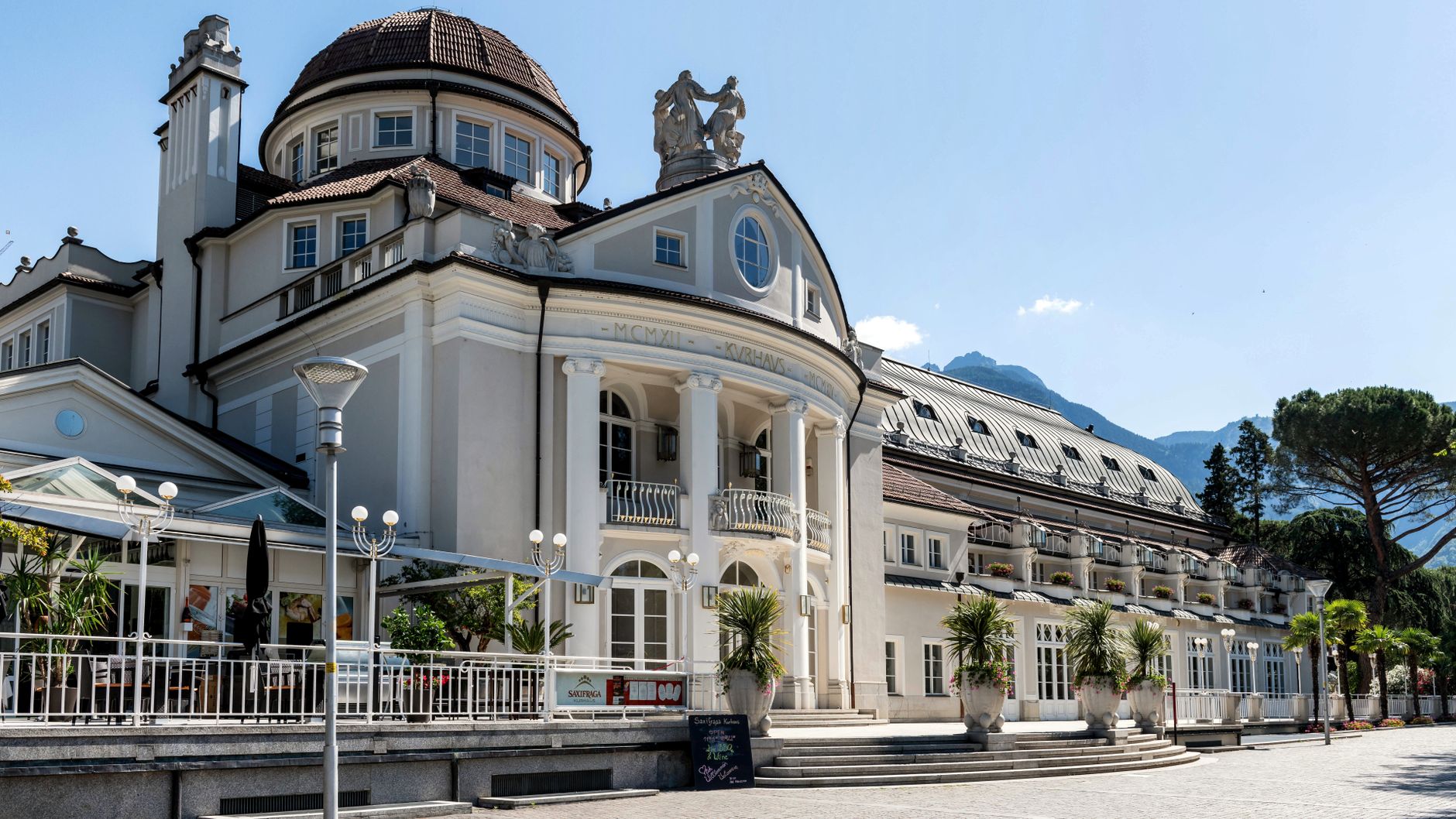
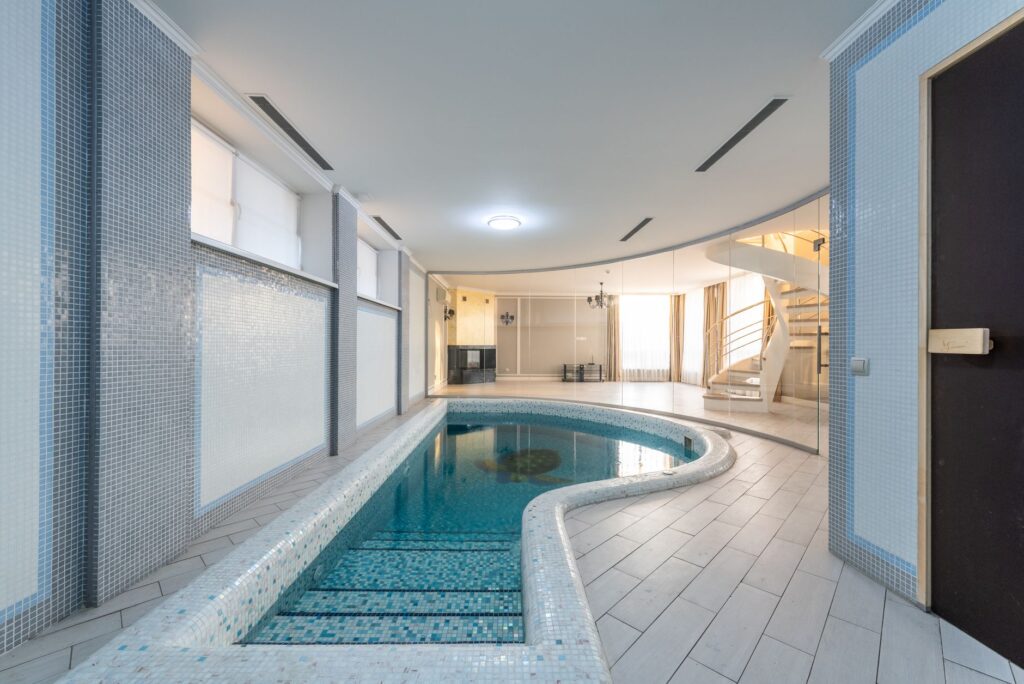
The urban and architectural transformation of Bad Ragaz mirrors the evolution of the concept of health over the past two centuries. From the grand Belle Époque spa hotels, with their symmetrical facades and high-ceilinged salons conceived for European aristocracy, the industry has transitioned toward contemporary architecture where glass, local quartzite, and larch wood establish a fluid dialogue with the alpine environment. Modern bathing spaces are meticulously designed to maximize natural light, allowing swimmers to contemplate snow-capped peaks while their bodies float in mineral water at a constant temperature.
This architectural approach is not purely aesthetic; it answers a functional philosophy where the transition between interior and exterior seeks to reduce cognitive stress. The clean volumes of contemporary thermal buildings enclose whirlpool baths, herbal steam saunas, and quiet rooms where silence is a rigorously respected norm. Spatial layouts avoid labyrinthine corridors, prioritizing clear sightlines toward the conifer forests flanking the valley, integrating the mountainous landscape as an active therapeutic element.
The Invisible Chemistry: Mineralization and Metabolism
Beneath the transparent surface of Bad Ragaz’s pools operates a complex physical-chemical composition. Formally classified as acratothermal due to its low dissolved salt content yet rich in specific ionic components, the water acts directly on the circulatory system and locomotor apparatus. Upon contacting the skin at the exact body temperature of the spring, peripheral vasodilation occurs, lowering blood pressure and facilitating the absorption of essential trace elements through the epidermis.
Medical specialists operating in clinical centers attached to the thermal complex supervise rehabilitation programs combining balneotherapy with aquatic physiotherapy. Unlike commercial spas geared toward rapid consumption, scientific rigor guides every treatment here. Buoyancy in mineral water reduces joint impact by up to ninety percent, enabling patients with severe injuries or chronic fatigue to perform muscular recovery movements impossible in a terrestrial medium. This symbiosis between clinical medicine and thermal tradition cements Bad Ragaz as an international reference hub in integrative medicine.
Thermal water is not an aesthetic luxury, but a natural pharmacological agent that demands respect, silence, and a slow assimilation period from whoever inhabits it.
Vapor Rituals and Alpine Detoxification
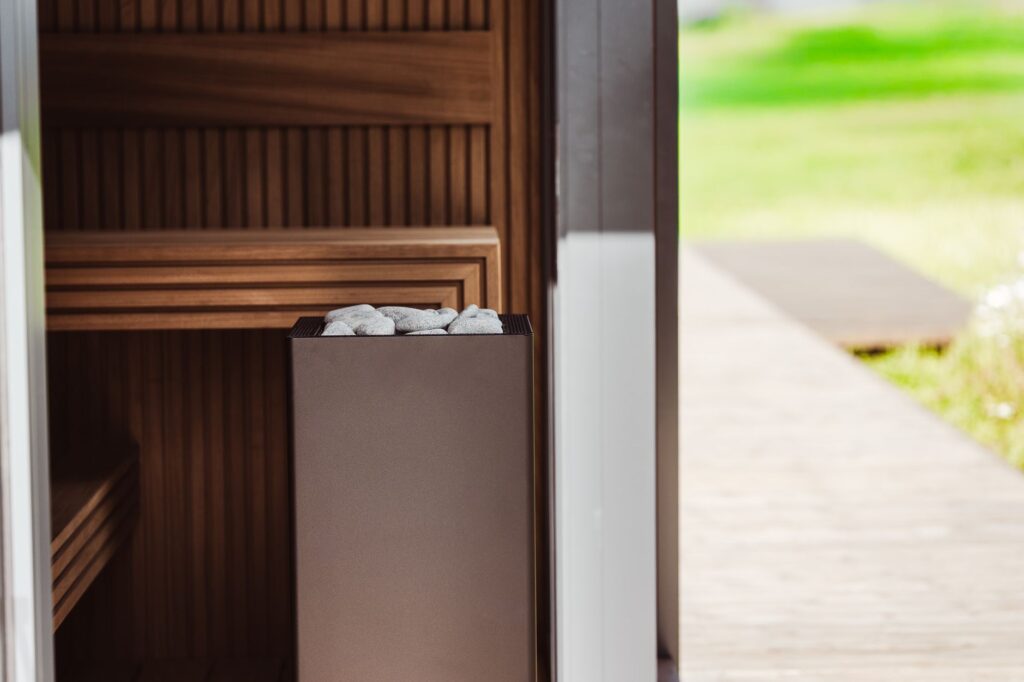
Within wellness circuits, steam occupies a central place connecting both Central European sauna traditions and ancestral purification baths. Bad Ragaz’s facilities incorporate infusion saunas where aufguss masters channel hot air laden with essential oils of stone pine and white fir harvested on neighboring slopes. This thermal ritual, executed with millimeter precision, induces deep sweating that mobilizes toxins and stimulates the immune system.
The subsequent contrast—a brief immersion in cold alpine meltwater or an outdoor walk across pebble paths—completes the thermal shock cycle activating blood circulation. This method, far from being a modern spa whim, recovers hydrotherapeutic principles formulated by pioneers like Sebastian Kneipp, adapted here to contemporary luxury standards. The result is a profound sensation of physical lightness and mental clarity, frequently described by users as a reboot of the central nervous system.
High-Altitude Nutrition: The Gastronomy of Local Wellbeing
The concept of wellness in Bad Ragaz extends beyond water and architecture, inseparably encompassing the valley’s culinary offering. Local restaurants collaborate closely with regional farmers, producers of raw milk alpine pasture cheeses, and wineries from the neighboring Principality of Liechtenstein and the Canton of Graubünden. The cuisine associated with these health centers eschews heavy artifices, embracing a zero-kilometer culinary approach highlighting the purity of seasonal ingredients.
Concentrated alpine root broths, river trout fished from the cold Rhine waters, and whole grains prepared with techniques preserving nutritional value form the diet designed to enhance hydrotherapy’s detoxifying effects. Eating here is conceived as a mindful, unhurried act where diners chew with full attention while observing shadows cast by clouds over limestone peaks, closing the circle between what is absorbed through the skin and ingested by the body.
Practical guide
How to get there: Bad Ragaz is seamlessly connected via the Swiss railway network (SBB). From Zurich, the direct train journey takes approximately one hour and ten minutes, with frequent departures toward Chur. Bad Ragaz station is a fifteen-minute walk from the historic center and the thermal complexes.
When to go: The destination operates year-round. Spring months (May to June) offer the spectacle of snowmelt and blooming meadows, while autumn (September to November) grants golden forests and ideal temperatures for combining hiking and warm baths. Winter is ideal for outdoor thermal contrast amidst the snow.
Accommodation: Options range from the historic Grand Resort Bad Ragaz, a pioneer in integrative medicine and thermal luxury, to independent boutique hotels and family guesthouses in the old town offering a more intimate atmosphere.
Etiquette tips: In most Swiss sauna and steam bath areas, access is traditionally textile-free (nude) for reasons of hygiene and Nordic tradition, while in large swimming and hydrotherapy pools swimwear is mandatory. Maintaining a low tone of voice in all resting areas is essential.
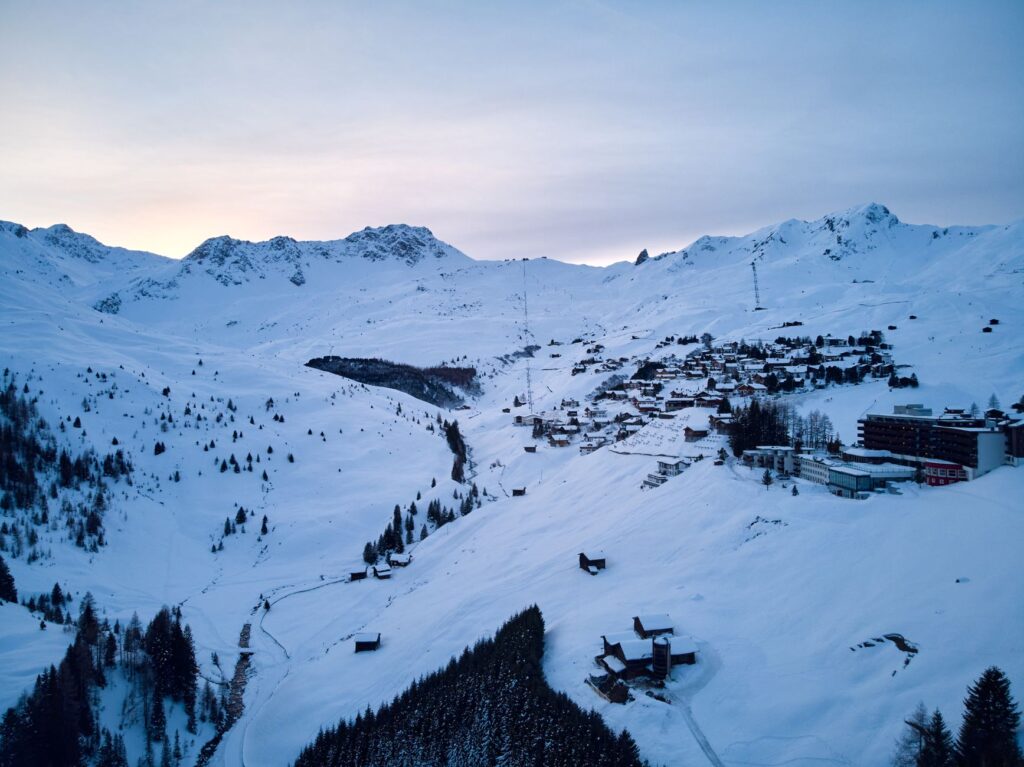
At dusk, when alpine mist descends softly over slate roofs and the reflection of the last lights sets the snowfields of Pizol summit ablaze, Bad Ragaz recovers its secular pact with silence. In that fleeting instant, as vapor slowly disperses over the thermal water’s surface, the traveler understands that true contemporary luxury lies not in accumulating accelerated experiences, but in the capacity to halt time, listen to the uninterrupted murmur of the earth, and inhabit, even for a few days, with absolute and peaceful coherence.