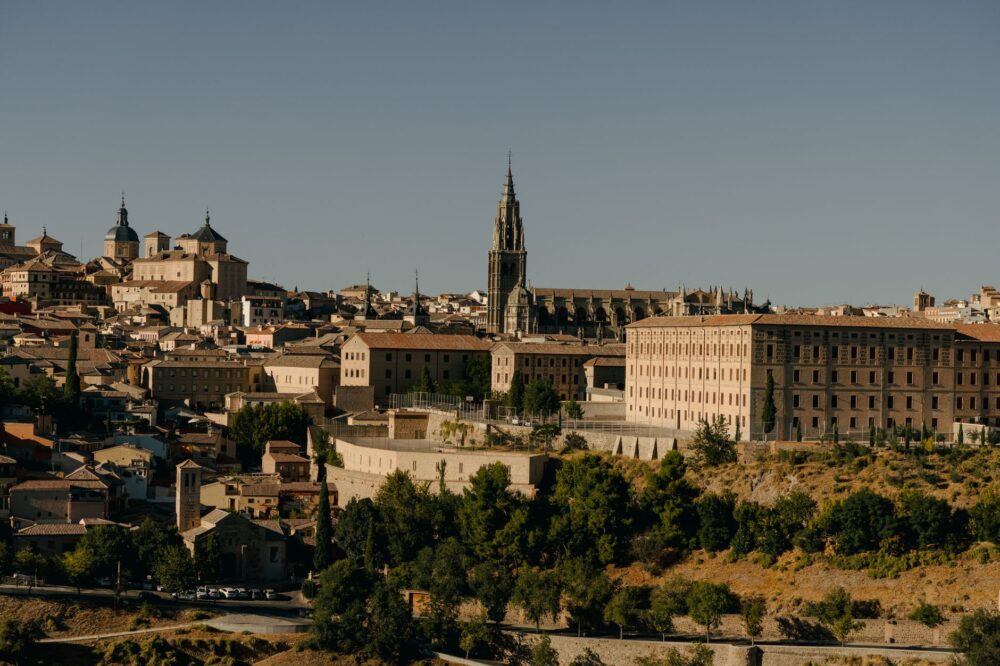

Eastern Anatolia stands as one of the most imposing and geographically complex regions in Eurasia. Across this territory of arid plateaus, unforgiving winters, and gorges carved by ancient rivers, mobility has historically depended on human resilience and titanic infrastructure. Far from the conventional tourist routes crisscrossing the Aegean coast or Cappadocia, the railway lines pushing toward the Iranian border represent both a living testament to mid-20th-century engineering and an indispensable umbilical cord for communities isolated by snow and distance.
The construction of these rail lines was not merely a civil works project, but a monumental geopolitical enterprise. Connecting central Turkey to the vast Lake Van basin required tunneling through fractured rock, erecting viaducts over bottomless chasms, and designing alignments capable of withstanding extreme thermal oscillations ranging from minus forty degrees Celsius in January to scorching high-mountain summers. Today, traversing this route aboard the scarce passenger services available offers a real understanding of the scale of a country suspended between two worlds, where the train remains the sole medium capable of defying steppe blizzards.
The Genesis of an Impossible Alignment on the Eastern Plateau
The original design of the eastern railway network responded to the urgent need to economically and administratively integrate remote provinces following the founding of the republic. The engineers who took on the challenge confronted a deeply hostile topography. Unlike the western plains, Eastern Anatolia consists of parallel mountain ranges acting as impassable natural barriers. Every kilometer of track won from the terrain demanded precise calculations and titanic manual labor, with workers toiling in conditions of absolute isolation, sheltered only by temporary camps that would later spawn small railway settlements.
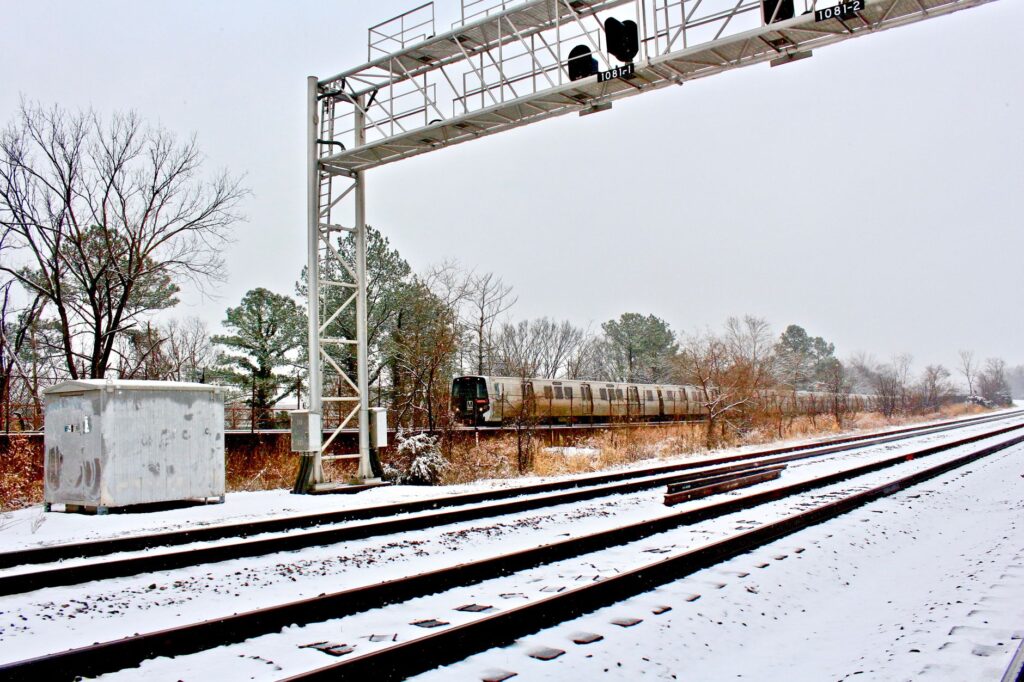
The technical solutions adopted reflect an era where mechanical robustness took precedence over speed. Instead of boring kilometer-long tunnels—a technology and budget far beyond the state’s reach in the early decades of the 20th century—engineers opted for horseshoe curves, steep gradient ramps, and colossal embankments that flexibly adapt to contour lines. This architectural approach, while obsolete today in terms of travel times, endows the line with an unmistakable industrial beauty, integrating into the steppe landscape as a geometric scar of iron and stone.
The Mechanics of Isolation: Locomotives and Maintenance in Extreme Conditions
Operating trains in eastern Anatolia demands a fleet of diesel locomotives specifically adapted to withstand extreme cold and low adhesion caused by accumulated snow on the rails. Maintenance workshops situated in key nodes such as Tatvan or Malatya operate as technical fortifications where teams of specialists conduct continuous overhauls. The infrastructure’s greatest enemy is not merely the passage of time, but material fatigue caused by the contraction and expansion of steel driven by seasonal thermal contrasts.
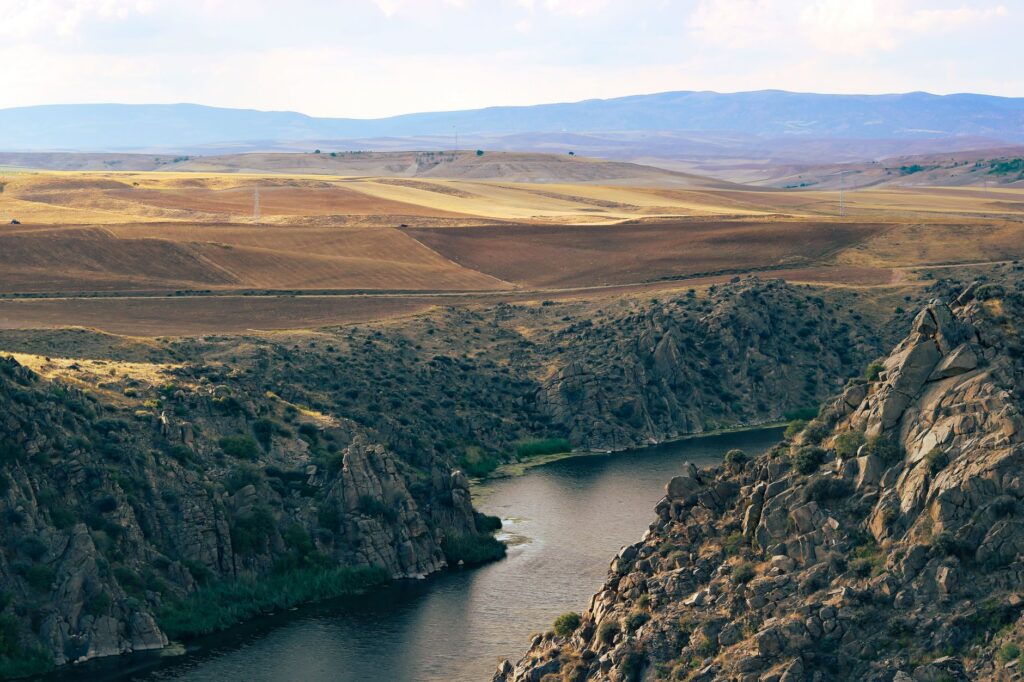
blockquote>Winter on the Van plateau gives no warning; it bursts in with blizzards capable of burying entire convoys within hours, turning track maintenance into a daily battle against the elements.
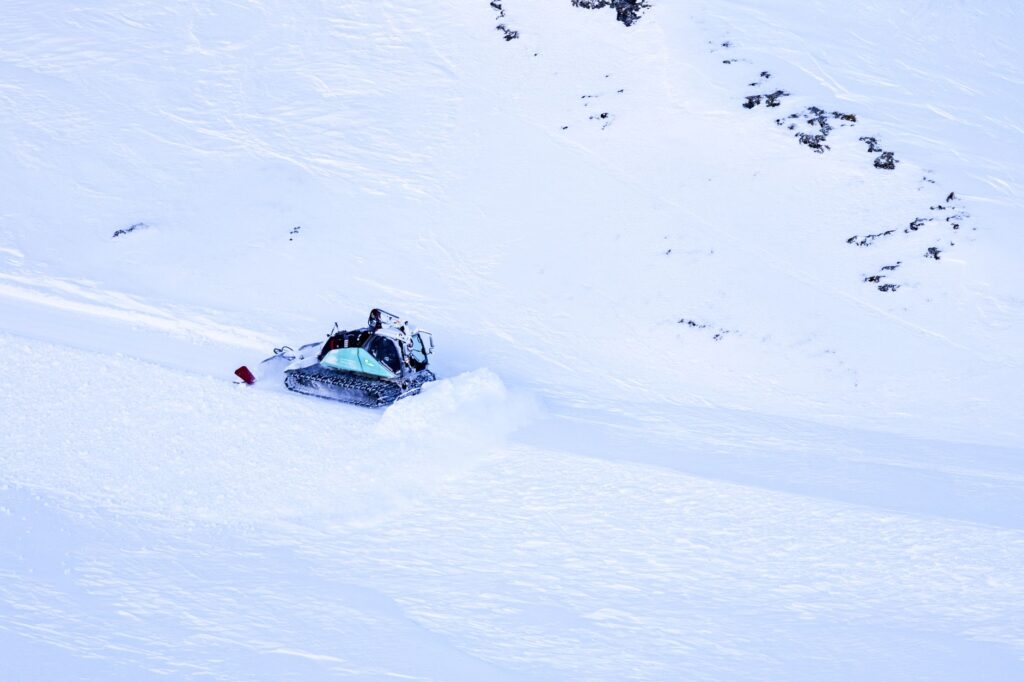
To counteract this, railway authorities systematically deploy snowplow trains equipped with reinforced front wedges preceding freight and passenger convoys. These emergency teams work in near-zero visibility, guided by the topographical intuition of veteran engineers who know every meter of the layout. The fragility of this logistics chain is tested annually when rockfalls, triggered by spring thaw cycles, block strategic passes and force the temporary suspension of service, exposing the vulnerability of the local supply chain.
Iron Architecture: Century-Old Bridges and Viaducts
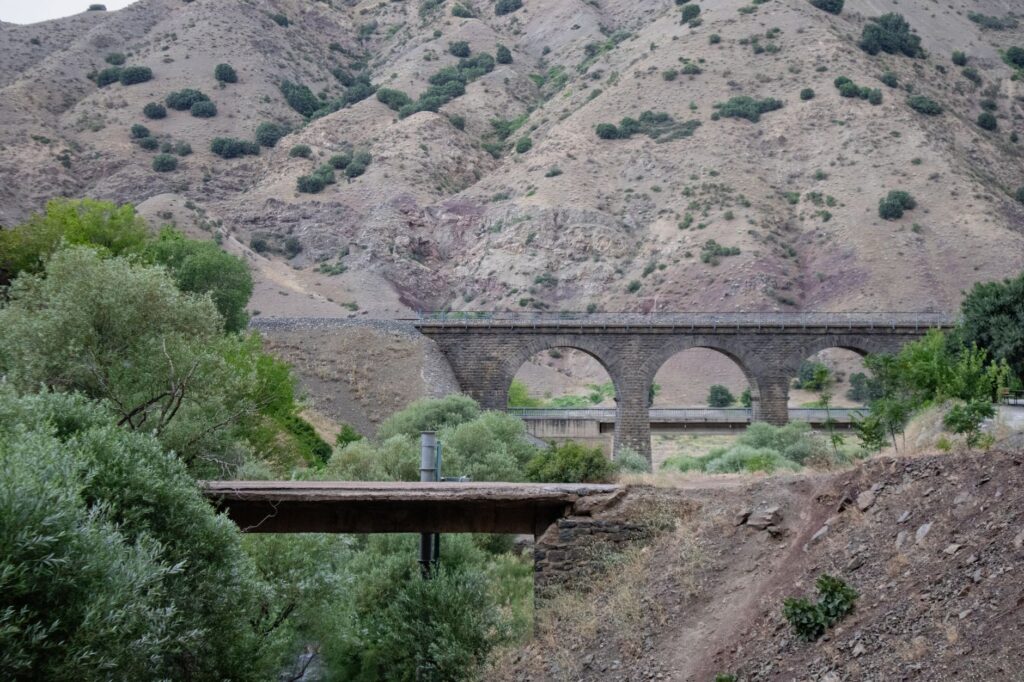
The architectural heritage of the Van railway line stands out for the audacity of its crossing structures. The roaring rivers descending from Mount Ararat and Mount Süphan compelled engineers to erect lattice metal viaducts that survive today as monuments of industrial archaeology. These bridges, assembled using millions of steel rivets, defy gravity over gorges where hurricane-force winds blow, slightly shaking the structure as heavy freight trains pass overhead.
The preservation of these viaducts requires constant structural monitoring. Given that many components date back to the 1930s, modern engineers combine traditional bolt-replacement techniques with high-precision ultrasonic sensors to detect internal metal fatigue. This dialogue between classical engineering and contemporary technology guarantees operational safety in sections where structural failure would have catastrophic consequences due to the surrounding terrain’s inaccessibility.
The Human Pulse: Local Communities and the Train as an Essential Service
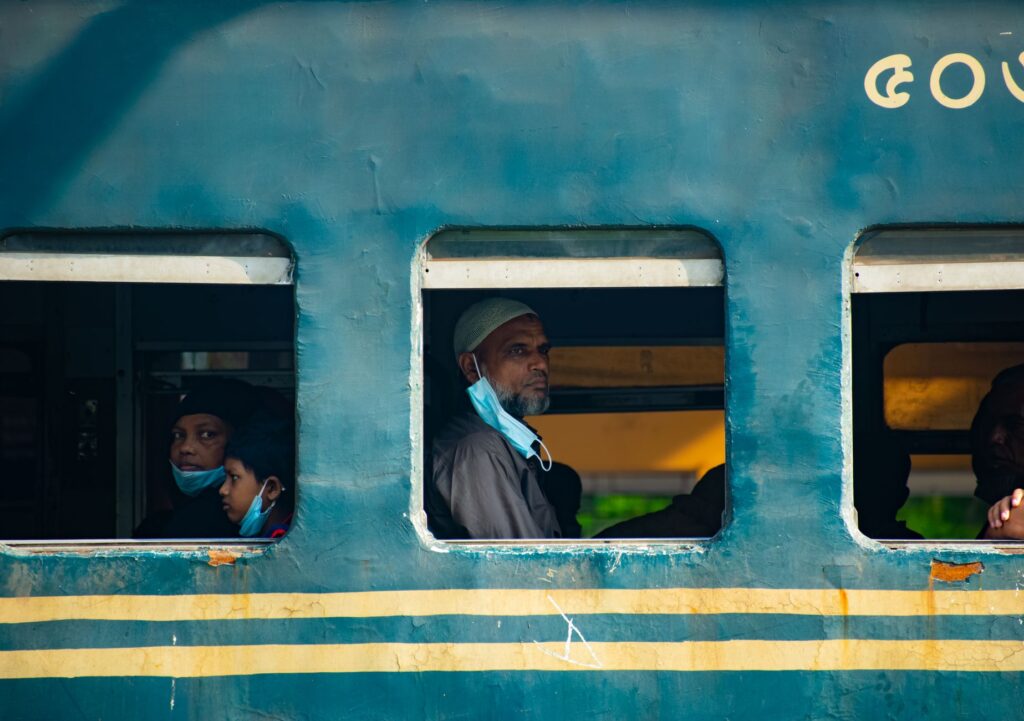
For residents of villages scattered along the steppe, the railway is neither a leisure option nor a photographic attraction, but the very pulse of their economy and survival. In regions where secondary roads remain impassable for four to five months a year due to snow accumulation, the passenger train—popularly known locally as the regional express—functions as the only secure link to hospitals, county markets, and educational centers in larger cities.
On the platforms of unstaffed small stations, passengers load sacks of grain, household goods, and local products onto the carriages with a familiarity denoting decades of mutual dependence. This daily exchange weaves a network of solidarity and social cohesion contrasting with the anonymity of high-speed transport in Western metropolises. Aboard, compartments transform into makeshift living rooms where food, hot tea, and tales of geographic isolation known only to those inhabiting these latitudes are fully shared.
Economic Challenges and Modernization at the Asian Crossroads
At the macroeconomic level, the eastern railway line has regained strategic importance with the promotion of international freight corridors connecting Europe with Central Asia and Iran. Nevertheless, the technological gap between this 19th-century infrastructure and the modern electrified corridors in the country’s west is evident. The lack of double tracking and the absence of advanced digital signaling systems drastically limit cargo capacity and convoy frequency, forcing operators to manage train crossings using nearly artisanal manual methods.
blockquote>The modernization of the Van route represents a race against time: balancing the economic viability of new trade corridors with the preservation of the social character of a train that sustains life in steppe villages.
Government investment plans foresee the gradual renovation of the trackbed and the progressive introduction of centralized traffic control systems. However, experts warn that any intervention must be carried out with extreme caution so as not to alter the fragile ecological balance of the protected valleys traversed by the track, nor displace rural communities directly dependent on state-subsidized social fares.
The Lacustrine Crossing: Train Ferries on Lake Van
One of the most unique aspects of this transport system is the mandatory intermodality occurring on the shores of Lake Van, Turkey’s largest brackish water body. Because the mountainous orography surrounding the lake made completing the railway loop entirely cost-prohibitive, specialized ferries—known as train-ferries—were designed to embark entire freight cars to bypass the more than eighty kilometers of water separating the terminals of Tatvan and Van.
These vessels, equipped with reinforced decks featuring multiple parallel tracks and complex ballasting systems to compensate for weight during loading, operate twenty-four hours a day under often adverse weather conditions. Witnessing the maneuvering process at the dock, where powerful shunting locomotives push heavy railcars with millimeter precision directly onto the vessel’s mobile ramps, constitutes one of the most fascinating spectacles of transport engineering in the Middle East.
Practical guide
Planning a journey along the railway infrastructure of eastern Anatolia requires rigor, flexibility, and a deep respect for local rhythms. Below are the essential operational keys to understanding and navigating this territory:
- Main Route: The trunk axis connects Ankara with Tatvan via the legendary *Vangölü Ekspresi*, a journey of approximately twenty-six hours crossing the provinces of Kayseri, Sivas, Malatya, and Elazığ.
- Frequency and Seasonality: Passenger services operate several days a week, but schedules are subject to drastic modifications during winter months due to snowstorms and unforeseen maintenance work.
- Ticketing and Reservations: Tickets are managed through the official website of Turkish State Railways (TCDD). Booking weeks in advance is essential if opting for sleeper compartments in the couchette cars.
- Recommended Equipment: High-quality thermal clothing, non-slip footwear, and provisions of water and light food are mandatory, as on-board catering services are limited or non-existent on certain regional stretches.
- Intermodal Connectivity: To complete the historical journey to the Iranian border, coordinating schedules with the Lake Van ferries or using regional connecting buses operating from Tatvan is necessary.
Epilogue on Rails in the Steppe Immensity
When the last ray of sunlight fades over the snow-capped peaks of the eastern plateau and the steady hum of the diesel engine sets the night’s rhythm, the traveler realizes that this rail line is far more than a mere logistical asset. It is a monument to human persistence against the indifferent vastness of the landscape. Between dark rock gorges and wind-swept stations, the Van train continues writing its silent history, uniting destinations at the frontier where Anatolia opens toward the vast Asian horizon.