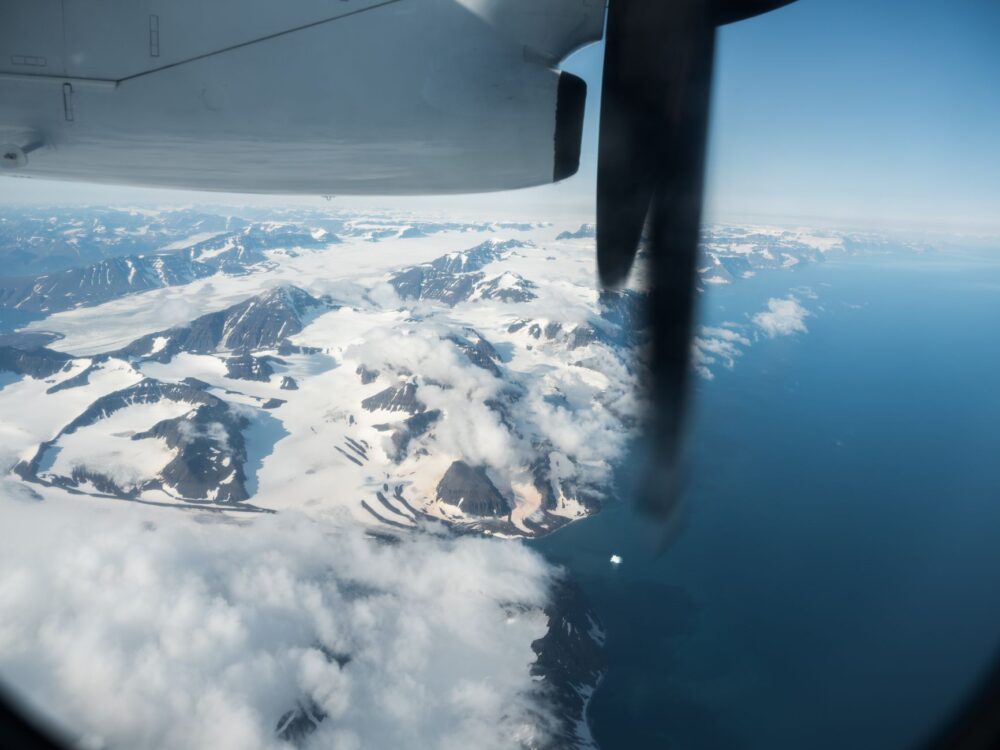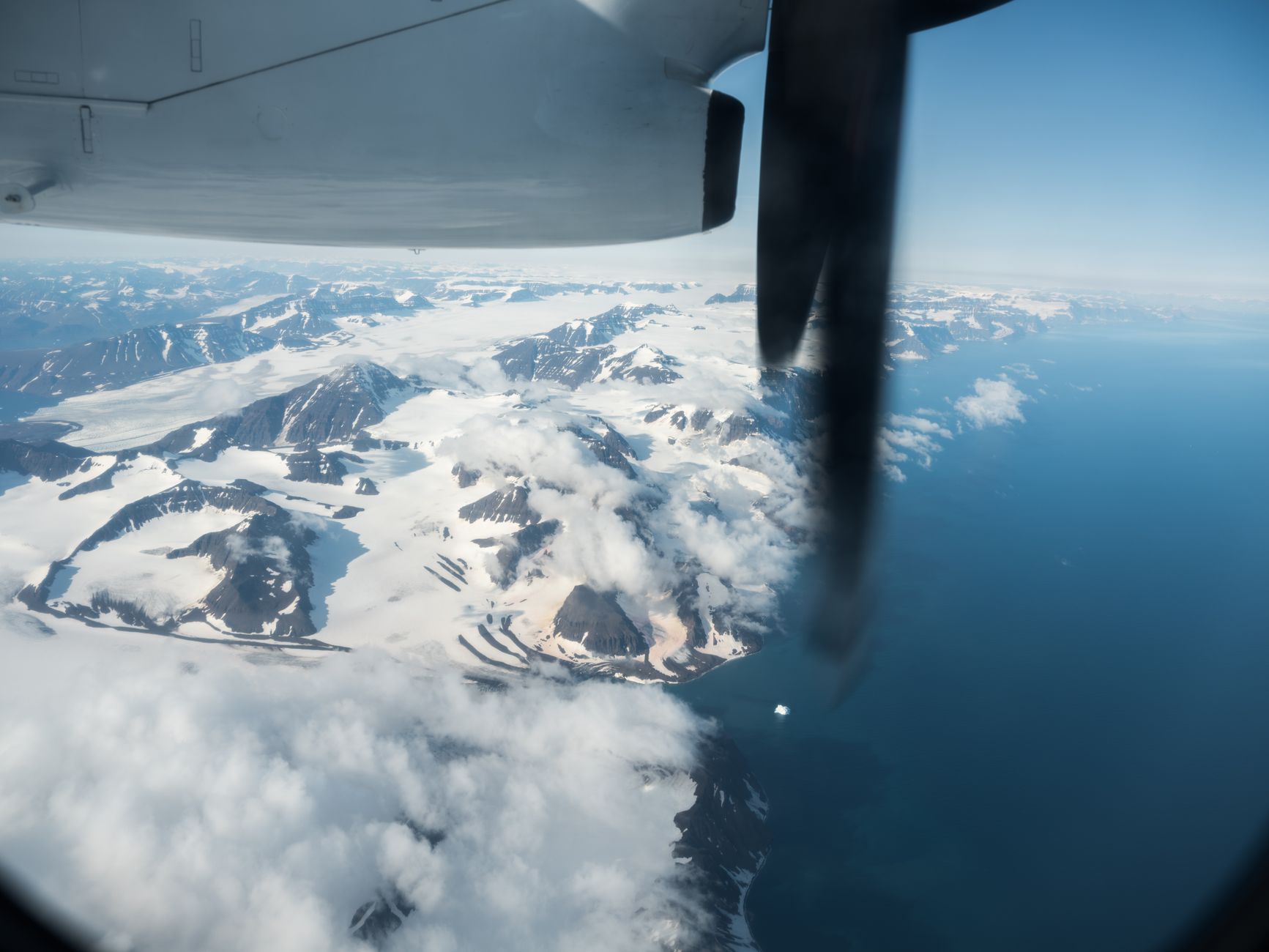

Introduction to the High Arctic North
At the northernmost edge of the planet, where the Arctic Ocean sculpts a landscape of titanic glaciers and sharp peaks known as nunataks, human connectivity ceases to be a commercial convenience and becomes a complex discipline of survival. The Svalbard archipelago, situated between the 74th and 81st northern parallels, represents one of the most hostile and mesmerizing environments on Earth. Here, transport infrastructure is not measured by the speed or efficiency of major continental cities, but by the resilience of materials against temperatures that frequently drop below minus thirty degrees Celsius and by the ability to maintain open routes amid a four-month polar night.
The axis around which life revolves in this remote Norwegian sovereignty is the Longyearbyen airport, formally known as Svalbard Lufthavn, Longyear. Situated near the main settlement, this airfield holds the honorary title of being the world’s northernmost civil airport with scheduled commercial flights. Far from being a simple transit terminal, the runway is a masterpiece of modern geotechnical engineering, built directly upon a permanent permafrost layer that demands foundation and maintenance techniques radically different from those used at any other latitude on the planet.
The Sub-Zero Engineering of Arctic Asphalt
Constructing and maintaining airport infrastructure on permanently frozen ground poses a monumental physical challenge. During the summer months, the surface layers of the terrain undergo partial thaw cycles, turning the surrounding tundra into an unstable quagmire. To prevent the Longyearbyen runway from suffering catastrophic subsidence that would render air traffic unusable, engineers resorted to an innovative design based on deeply anchored steel piles and an elevated platform of crushed rock that allows the free circulation of cold air beneath the structure, artificially preserving the integrity of the permafrost.
This delicate thermal equilibrium is constantly threatened by global warming, a phenomenon that in the Arctic manifests at a rate up to four times higher than the global average. Airport maintenance teams must uninterruptedly monitor the thermal sensors embedded in the subsoil of the runway. Any unforeseen variation in terrain temperature demands immediate interventions before potholes or deformations appear, which would jeopardize landing and takeoff operations for the commercial jets connecting the archipelago daily with the European continent via Tromsø and Oslo.
The Fleet and Crews of the Polar Route
Operating commercial aircraft in Svalbard requires very strict technical specifications and exceptional preparation by flight crews. The main airlines operating the route, such as Scandinavian Airlines (SAS) and Norwegian, routinely employ Boeing 737 family aircraft adapted with enhanced precision navigation systems. Due to the extreme proximity to the North Magnetic Pole, traditional compasses lose their operational utility, forcing pilots to rely on complex inertial navigation systems and satellite-guided cartography.
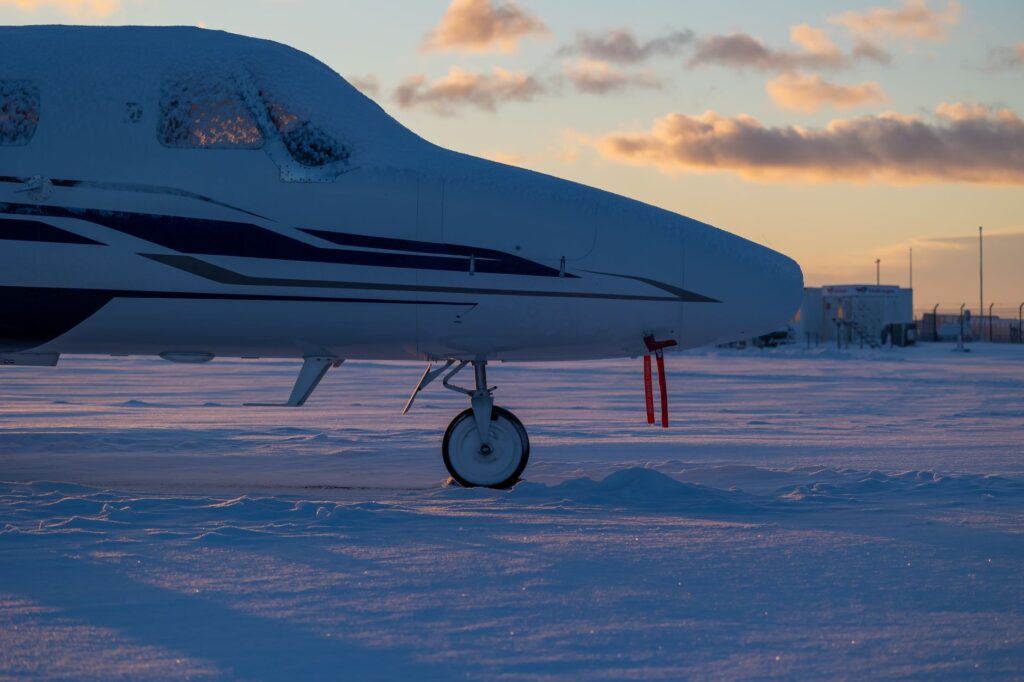
In addition to instrumental complexity, meteorological factors represent a constant test of expertise. Sudden snowstorms, locally known as blizzards, can reduce visibility to zero in a matter of minutes, while katabatic winds descending violently from glacial peaks generate severe turbulence and wind shear near the runway thresholds. Crews assigned to these routes must successfully complete rigorous training simulations in low-friction runway conditions and learn to interpret the characteristic thermal and visual signatures of Arctic fog.
Aviation in Svalbard is not an ordinary transport service; it is the umbilical cord keeping the high north’s scientific and mining communities connected with the rest of global civilization.
Air Traffic as a Lifeline and Scientific Support
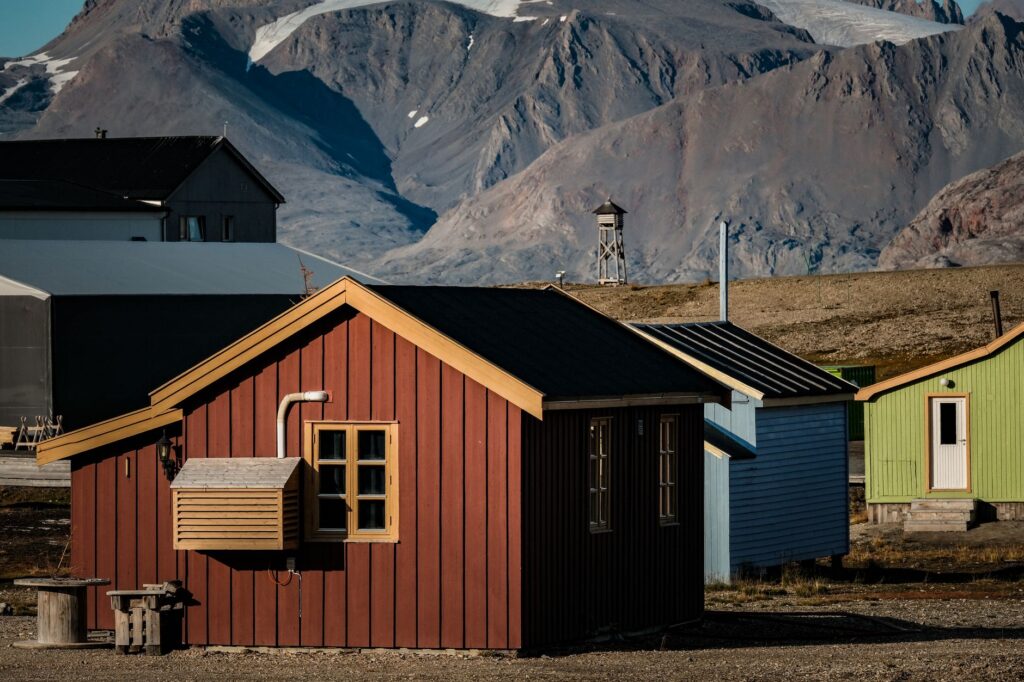
Unlike other remote regions where air transport primarily responds to tourist demand, in Svalbard scheduled flights play a critical role as a lifeline for the resident population, composed of some three thousand people of over fifty different nationalities. The archipelago completely lacks roads connecting different settlements to one another. Longyearbyen, Barentsburg —the Russian mining community— and Ny-Ålesund —the world’s northernmost international scientific settlement— remain entirely isolated by land for most of the year.
For this reason, civil aviation and helicopter services chartered by the local governor (Sysselmesteren) constitute the sole rapid route for transporting urgent medical supplies, postal mail, spare parts for industrial machinery, and research staff rotations at scientific bases. Without this constant aerial connectivity, organized human presence at these latitudes would be logistically unviable, turning every commercial flight into an essential supply mission.
Summer Isolation and the Maritime Alternative
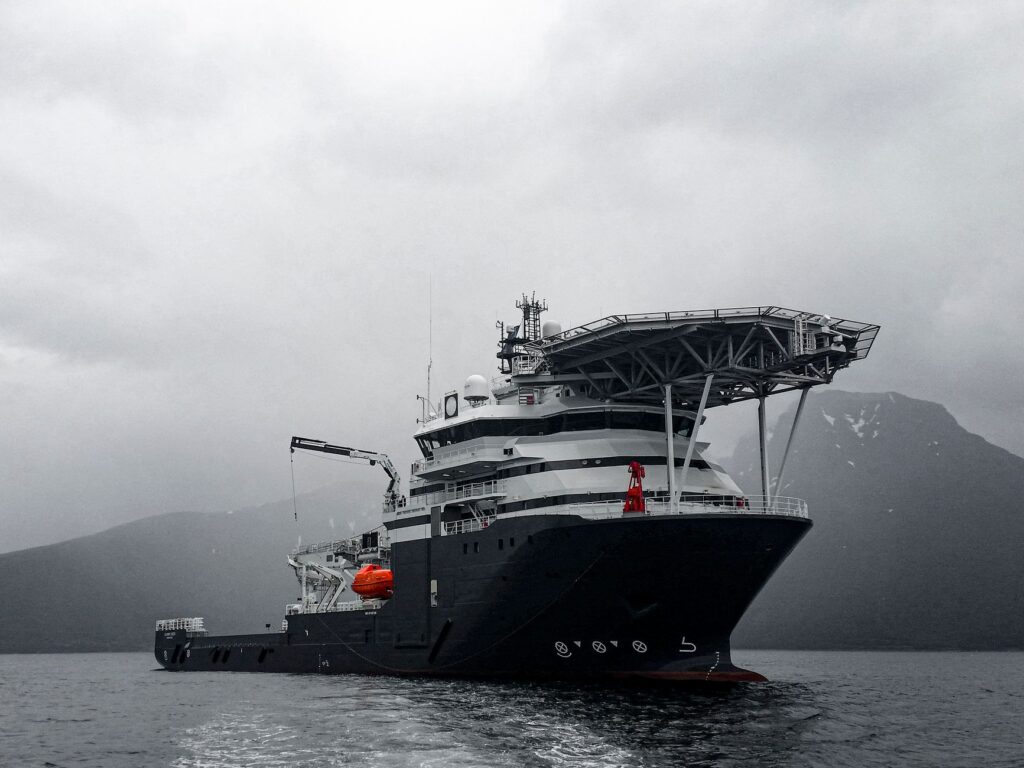
During the summer months, when sea ice recedes from the archipelago’s western coasts, maritime transport recovers a share of prominence long contested by the skies. Cargo vessels belonging to the Store Norske company and coastal supply ships take advantage of navigable water weeks to transport heavy materials, fuel, and all-terrain vehicles that do not fit in the holds of passenger aircraft. However, this alternative remains subject to the whims of weather and floating ice fields.
Navigation in Svalbard waters requires vessels with ice-reinforced hulls and captains with deep knowledge of local currents and seasonal pack ice. Despite technological advances, maritime accidents in these waters continue to pose a latent risk, necessitating a permanent maritime and aerial rescue task force coordinated by Norwegian authorities from the Longyearbyen operational base.
Polar Tourism and Pressure on Infrastructure
Over the past two decades, Svalbard has experienced exponential growth in visitor arrivals attracted by the majesty of pristine wilderness and the opportunity to observe polar bears in their natural habitat. This tourism boom has placed considerable strain on the archipelago’s modest transport infrastructure. Longyearbyen Airport, originally designed to handle a much smaller passenger flow, frequently becomes overwhelmed during peak summer season intervals.
Local authorities and airport operators face the difficult dilemma of balancing economic development derived from tourism with the need to preserve fragile Arctic ecology and ensure operational safety. Strict regulations have been implemented to limit the size of cruise ships anchoring along the archipelago’s coasts, and aircraft noise impact on seabird colonies and marine mammals during critical breeding periods is closely monitored.
The Energy Transition in Arctic Aviation
Given the evident impact of climate change in the region, the transport industry in Svalbard has begun exploring decarbonization alternatives. Although the use of long-range commercial electric aircraft remains in very early stages of technological development, regional Scandinavian aviation has announced ambitious plans to incorporate hydrogen-powered or battery-electric aircraft on short-haul routes within the coming decade.
The archipelago’s geography, featuring relatively short distances between major islands and the potential local availability of geothermal and hydroelectric energy for clean fuel production, makes Svalbard an ideal testbed for future aviation. Nonetheless, extreme thermal conditions during the Arctic winter impose extraordinary technical demands on the durability and efficiency of energy storage units, a scientific hurdle researchers continue trying to resolve in Longyearbyen laboratories.
Practical guide
Planning a trip or logistical expedition to the Svalbard archipelago requires comprehensive knowledge of transport procedures and strict environmental regulations currently in force within this sovereign Norwegian territory.
- How to get there: The main entry point is Longyearbyen Airport (LYR). There are regular daily flights operated by SAS and Norwegian from Oslo, with a habitual technical stopover in Tromsø. Total flight time from the Norwegian capital is approximately three hours.
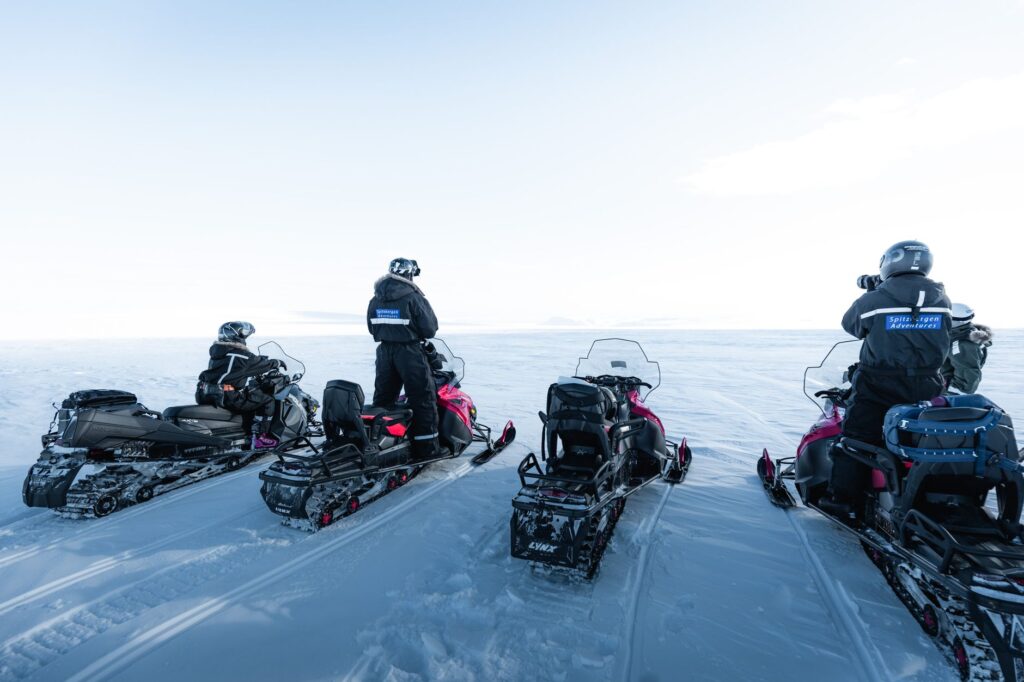
- Internal transport: There are no intercity roads. To travel between Longyearbyen and other points across the archipelago during winter, snowmobiles are utilized; in summer, commercial boats or chartered helicopters operating under strict authorization are used.
- Entry requirements and visas: Although Svalbard is part of the Kingdom of Norway, the 1920 Svalbard Treaty grants citizens of signatory countries the right of residence and access without visa requirements, though a valid passport and proof of sufficient financial means for the stay are mandatory.
- Mandatory rescue insurance: Local authorities require any traveler leaving urban settlements to hold medical and rescue insurance with very high coverage, as search and rescue operations in remote Arctic areas involve extraordinary logistical costs.
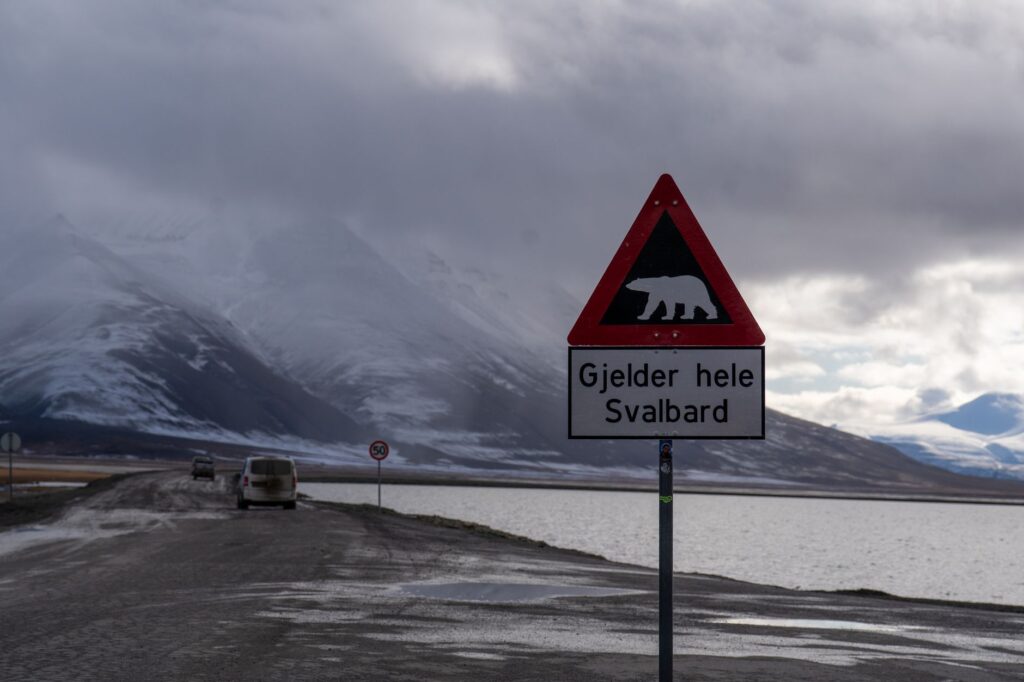
- Polar bear safety regulations: Carrying firearms or appropriate deterrent devices when leaving populated areas is mandatory due to the constant presence of polar bears, a species strictly protected under Norwegian law.
The polar wind continues blowing fiercely across the Longyearbyen plateau, whipping powdered snow against the terminal windows. In this remote corner where geography relentlessly challenges human daring, every successful takeoff over the permafrost serves as a reminder of our species’ fragile yet tenacious persistence at the world’s most extreme margins.