
In the mist-covered mountains of Niigata Prefecture, where the peaks of Chugoku touch the sky, a vision was born decades ago that would forever change our relationship with the great outdoors. Snow Peak is not merely an outdoor gear brand; it is an aesthetic manifesto that translates Japanese minimalism and metallurgical precision into the camping experience. This September 2026, the firm invites design enthusiasts and adventurers alike to upgrade their equipment with a proposal that balances extreme functionality with serene beauty, making the transition between the city and the wilderness, for the first time, invisible.
This autumn’s offering is more than just a commercial opportunity; it is a gateway to a lifestyle the Japanese call ‘Noasobi’—the joy of playing in nature. With discounts reaching up to 40% on iconic pieces, this month stands as the ideal time to invest in objects that, far from being disposable, are designed to be inherited. From their world-famous titanium mugs to the architectural structures of their tents, every Snow Peak element tells a story of resilience and visual harmony.
The Niigata Legacy: A Heritage of Steel and Snow
The Snow Peak story began with Yukio Yamai, a mountaineer dissatisfied with the climbing gear available in the 1950s. In the Sanjo region, renowned for its metalworking tradition, Yamai began designing his own pitons and climbing accessories. This obsession with technical quality has remained intact, evolving from snowy summits to the valleys where their luxury campsites are now established. Precision is the common language of all their products, manufactured under standards that defy planned obsolescence.
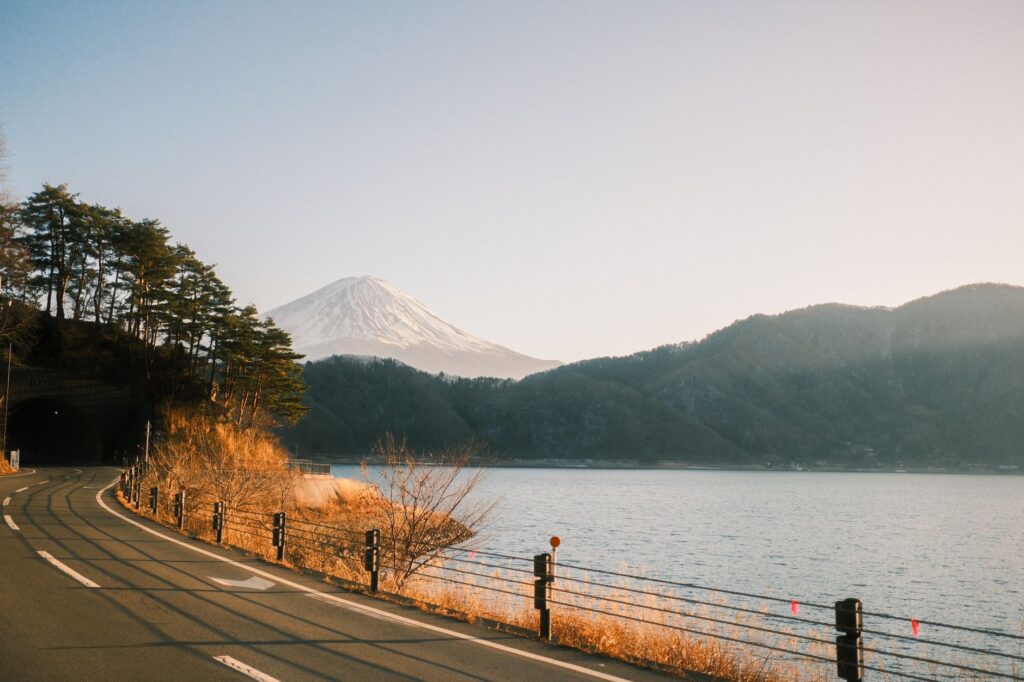
Sanjo remains the epicenter of production. Here, craftsmen work with titanium and stainless steel with a mastery that results in both lightness and robustness. By acquiring a Snow Peak piece this September 2026, the user isn’t just buying a tool, but a fraction of Japanese industrial history. It is an investment in engineering that has been tested in the most adverse weather conditions of the Japanese archipelago before reaching international markets.
«Japanese design does not seek to dominate nature, but to create the tools necessary to integrate into it in a respectful and elegant way.»
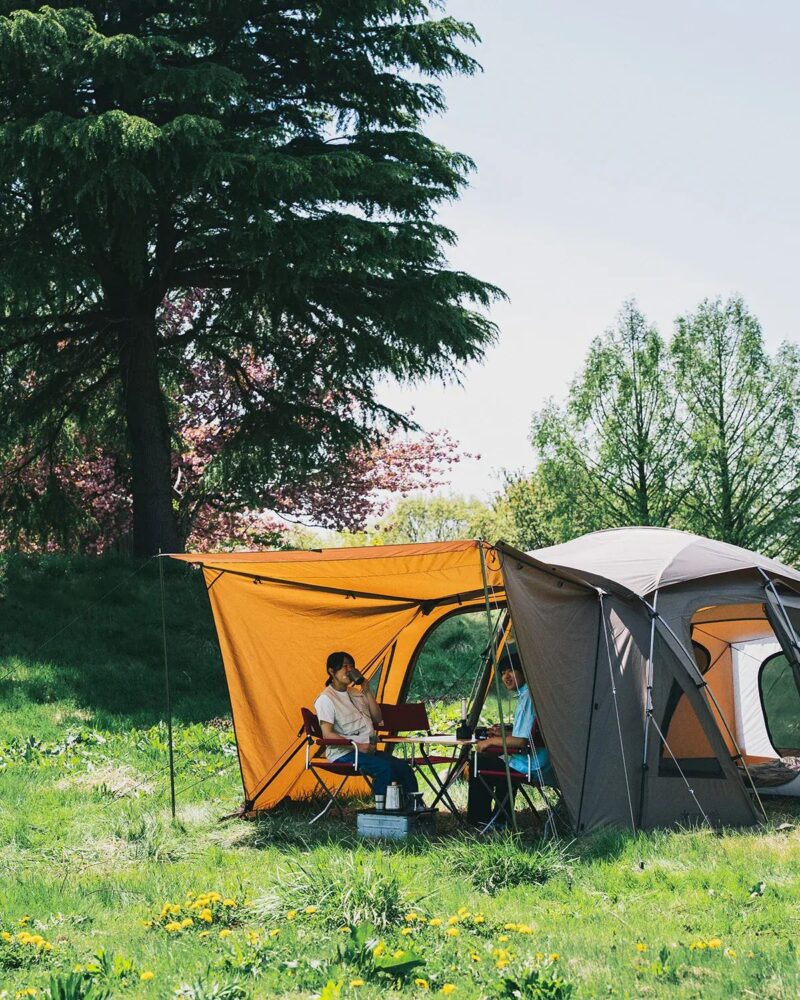
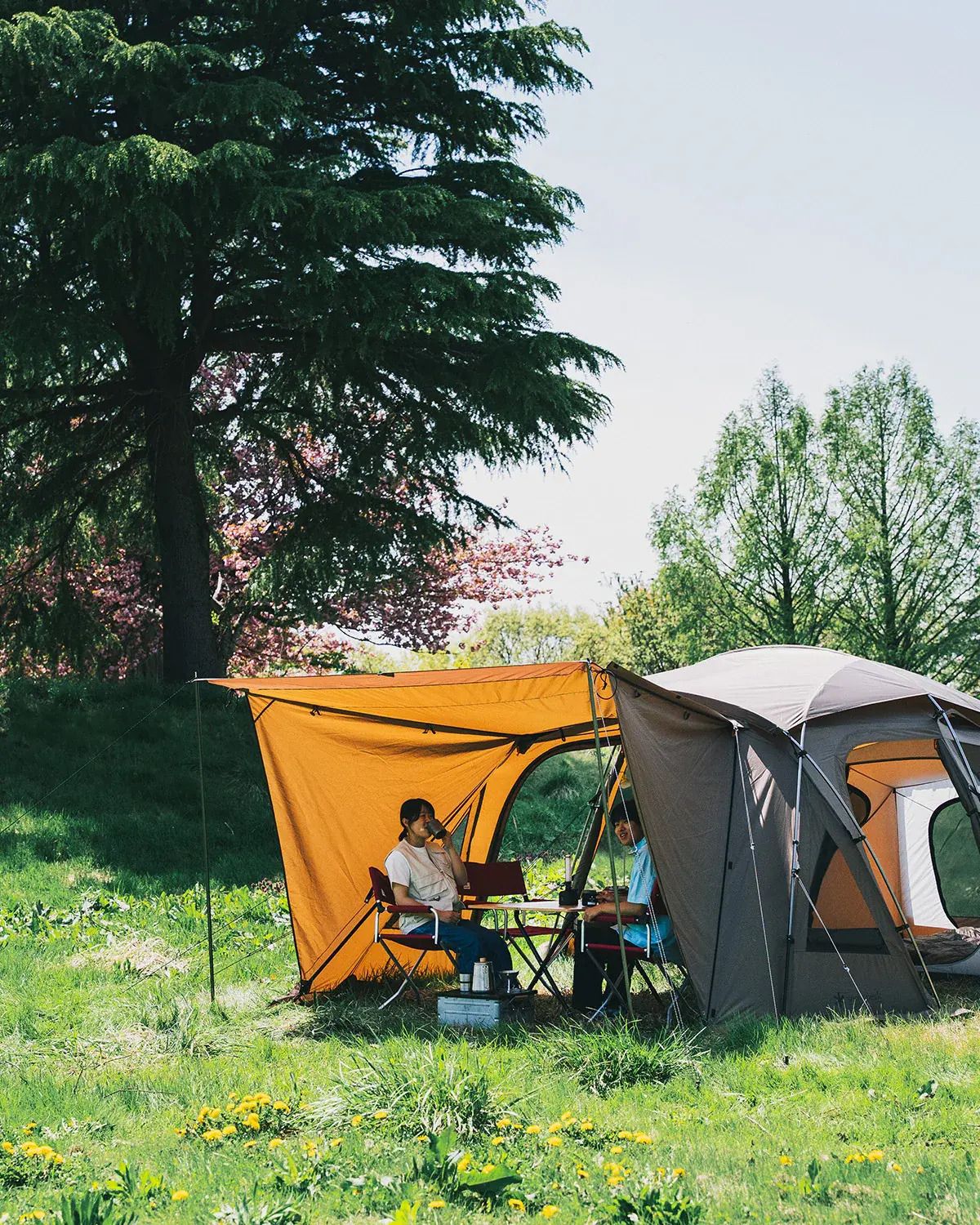
This approach is reflected in the brand’s color palette: earth tones, metallic grays, and the iconic ivory of their ‘Ivory’ line. Unlike traditional camping gear, often saturated with fluorescent colors and noisy plastics, Snow Peak opts for a visual integration with the environment. Their tents appear as extensions of the landscape—shelters that breathe and age with dignity under rain and sun.
Takibi: The Fire Ritual as a Social Hub
One of the pillars of the Snow Peak experience is the concept of Takibi. More than a simple campfire, it is a gathering ritual. The brand revolutionized the market with its ‘Pack & Carry Fireplace,’ a folding stainless steel structure that allows one to enjoy a fire without damaging the ground. This piece, which features significant benefits of up to $400 on complete sets this September, symbolizes the brand’s ethical responsibility toward the environment.
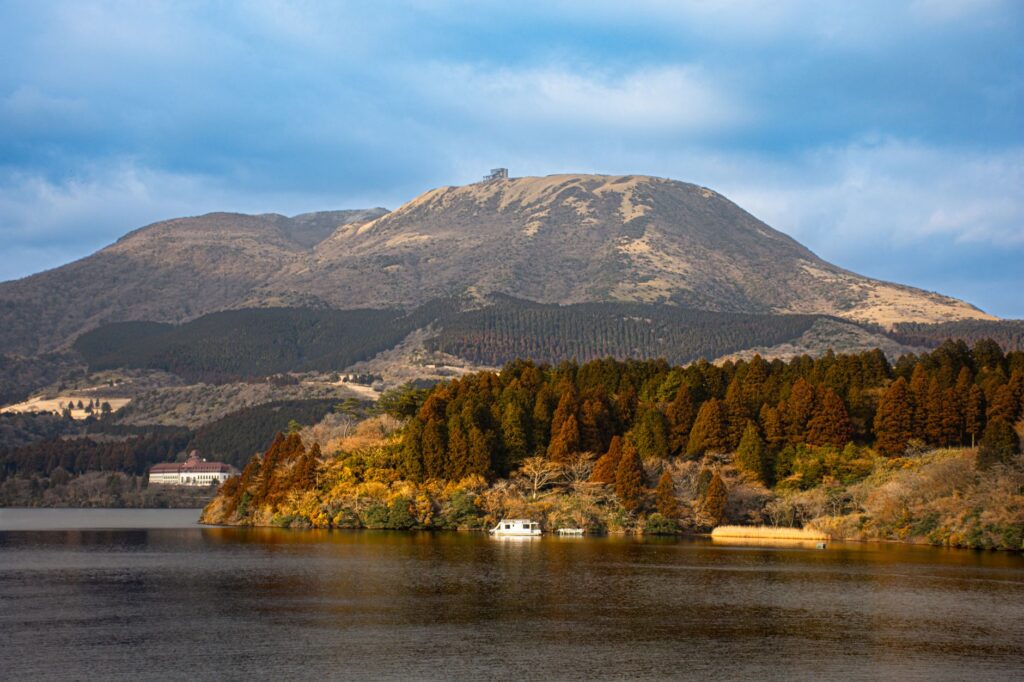
The Takibi fire is the heart of the campsite. It is where cooking happens, where conversations flow, and where the circadian rhythm—often lost in urban life—is recovered. The cast-iron griddles and multifunctional tables surrounding the fireplace are designed to create a professional outdoor kitchen. Modularity is key: each element fits with the next, allowing for an outdoor lounge configuration that rivals the comfort of any contemporary designer interior.
Engineering for Rest: The Ivory and Pro Series
Snow Peak tents are true pieces of ephemeral architecture. The Amenity Dome series, ideal for those starting their journey, stands out for its ease of assembly and aerodynamic profile that resists intense winds. During September 2026, sets including the inner mat and floor sheet offer the best value for the traveler seeking a comprehensive solution without compromising quality.
For more demanding users, the ‘Pro’ line utilizes higher density fabrics and reinforced aluminum structures. These tents are designed to withstand four seasons, maintaining exceptional thermal control. Ventilation is strategically placed to avoid condensation—a technical detail that makes the difference between a night of restful sleep and an uncomfortable experience. The attention to detail even extends to the pegs; the ‘Solid Stakes’ are forged to penetrate even rocky ground where others would fail.
Technical Fashion: From the Trail to the Metropolis
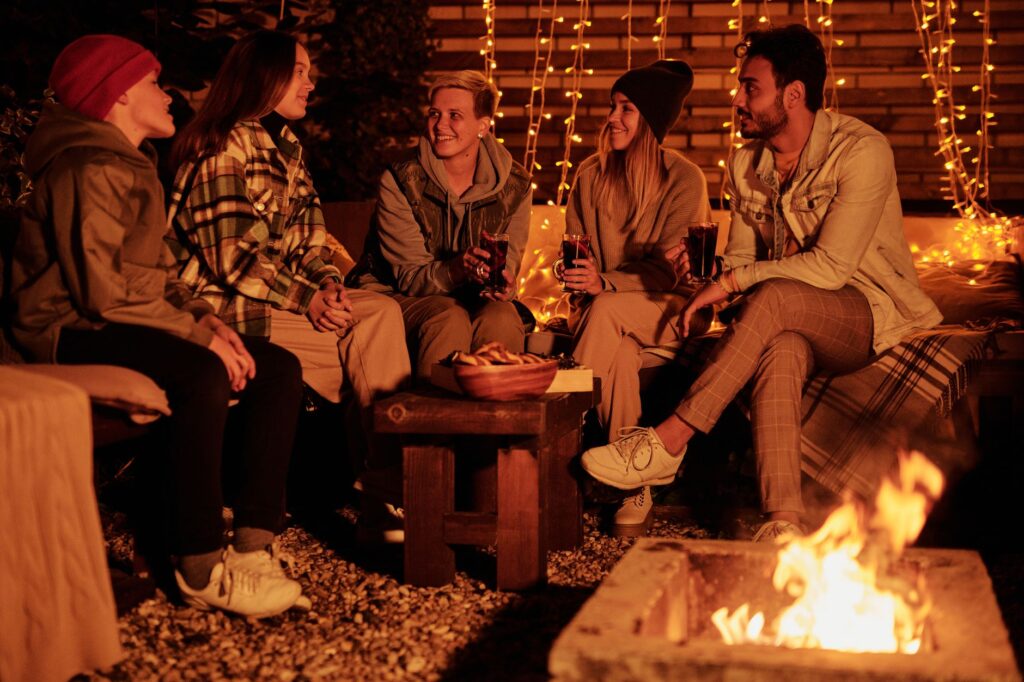
Snow Peak has achieved what few outdoor brands manage: a clothing line that is as functional in a forest as it is sophisticated on the streets of Tokyo or New York. Their ‘Apparel’ philosophy is based on durability and the use of technologically treated natural fibers. Flame-retardant jackets designed specifically for Takibi, multi-pocket utility vests, and quick-dry trousers make up a collection that becomes more accessible this autumn.
The use of materials such as organic cotton, recycled wool, and state-of-the-art waterproof laminates ensures that every garment serves a climatic function. The aesthetic is deliberately timeless, moving away from the fleeting trends of fast fashion. It is clothing designed for movement, with ergonomic cuts that respect human anatomy and allow total freedom of action, whether setting up a shelter or navigating urban public transport.

«True sustainability lies in creating objects that never need to be replaced.»
This commitment to longevity is what justifies the brand’s price point and why the September discounts are so highly anticipated by the collector community. It is not about buying more, but buying better. A Snow Peak jacket is designed to last decades, acquiring a personal patina with every adventure.
Sustainability and the Future of Camping
In a world calling for more responsible practices, Snow Peak offers a business model based on repair and permanence. The brand features a technical service that repairs tents and furniture, extending the lifespan of products indefinitely. This vision aligns with the growing demand for conscious tourism, where environmental impact is minimized by using high-quality gear that doesn’t end up in landfills.
Furthermore, the company promotes its own campsites where users are taught to respect local biodiversity. The September 2026 promotion is not just a consumer incentive, but an invitation to gear up properly to protect the natural environments we visit. By choosing materials like titanium, which is extremely lightweight and corrosion-resistant, the carbon footprint associated with transport is reduced, and the need for frequent replacements is eliminated.

Practical guide
To make the most of Snow Peak’s opportunities in September 2026, it is essential to follow a smart purchasing strategy focused on the traveler’s actual needs:
- Identify your needs: If this is your first foray, prioritize the ‘Entry Pack TT,’ which offers a coordinated tent and tarp. It is the perfect foundation for any camp.
- The power of titanium: Single-wall mugs are ideal for cooking directly over the fire, while double-wall mugs keep beverages at temperature for hours. Look for three-size packs to optimize space.
- Code verification: Ensure you apply verified coupons before checkout. The 40% discounts often apply to previous season collections or selected items from the apparel line.
- Maintenance: After each use, clean your gear with non-abrasive products. Tents must be stored completely dry to preserve the properties of the seam sealing.
- Warranty registration: Register your products on the official website to access the lifetime repair service and receive updates on specific care instructions.
Finally, remember that the equipment is only a tool. The true value of Snow Peak lies in the moments of silence, in stargazing, and in the deep connection with those we share the shelter with. The golden, soft light of September is the perfect setting to debut gear that promises to change your perception of the outside world. Let this autumn be the start of a new way of exploring, with the elegance and resilience that only Japanese design can offer.
Source: Condé Nast Traveler