
At the center of international travel commerce, Tokyo has become the strategic stage where Mexico reinforces its standing as a premier global destination. During Tourism EXPO Japan 2026, the Mexican pavilion distinguished itself not only through vibrant artistic and gastronomic showcases, but through a meticulously planned institutional strategy designed to attract high-value travelers who prioritize authenticity, heritage preservation, and deep cultural immersion.
The nation’s presence at this global forum reflects a dynamic shift in outbound travel patterns across the Asian market. Following years of recalibration in international routes, Japanese travelers are increasingly seeking destinations that extend far beyond conventional beach resorts, prioritizing historical depth, responsible engagement with local communities, and seamless transport infrastructure. In response, the Mexican delegation presented a diversified portfolio linking ancient archaeological sites with modern urban centers and serene natural sanctuaries across the Pacific and Caribbean coasts.
The transpacific bridge: Mexico showcases its vision in Tokyo
The Japanese outbound market has long been recognized for its high standards, attention to detail, and distinct loyalty toward destinations offering safety, comfort, and refined hospitality. Participation in Tourism EXPO Japan 2026 is not an isolated event, but the culmination of a coordinated promotion initiative involving cultural diplomacy, trade chambers, and travel operators from both sides of the Pacific Ocean. The Mexican pavilion served as a crucial hub for establishing multi-destination itineraries that seamlessly connect major urban nodes with pristine regional landscapes.
Representatives from both public and private sectors emphasized that Japanese travelers exhibit a profound appreciation for living cultural traditions. Consequently, the promotional narrative has evolved from mass hotel capacity toward compelling stories where artisanal craftsmanship, ancient architecture, and world-class gastronomy take center stage. This strategic approach aims to extend average length of stay and ensure that economic benefits are equitably distributed among local artisans, guides, and regional service providers.
Cultural diplomacy and Japan’s fascination with Mexican diversity
The cultural affinity between Mexico and Japan rests upon deep historical roots established over centuries of diplomatic and commercial exchange. This mutual appreciation facilitates the reception of Mexico’s tourism offerings among Japanese visitors, who discover in Mexican traditions a reflection of their own reverence for heritage and collective memory. Displays of Oaxacan textile artistry, Talavera ceramics, and curated tastings of artisanal spirits drew steady attention from industry professionals and travel media throughout the Tokyo event.
Japanese travelers seek a respectful communion with the identity of the places they visit; they do not consume transient tourism, but experiences that enrich their worldview.
Travel industry analysts note that Asian interest encompasses everything from the archaeological marvels of central Mexico to the pristine biodiversity of its natural biosphere reserves. Established landmarks such as Teotihuacan and Chichen Itza remain powerful draws, but current booking trends reveal growing demand for immersive circuits in states like Michoacán, Chiapas, and Puebla, where traditional festivals and colonial architecture offer extraordinary visual and cultural depth.
Beyond coastlines: promoting sustainable and community-led tourism
In response to changing global travel preferences, Mexico’s showcase in Tokyo placed strong emphasis on environmental stewardship and community empowerment. Contemporary discerning travelers demand assurance that their journeys actively respect fragile ecosystems. To meet this expectation, the delegation highlighted boutique eco-lodges within conservation zones, expert-led biological tours, and agricultural tourism initiatives centered on heritage coffee and cacao plantations.
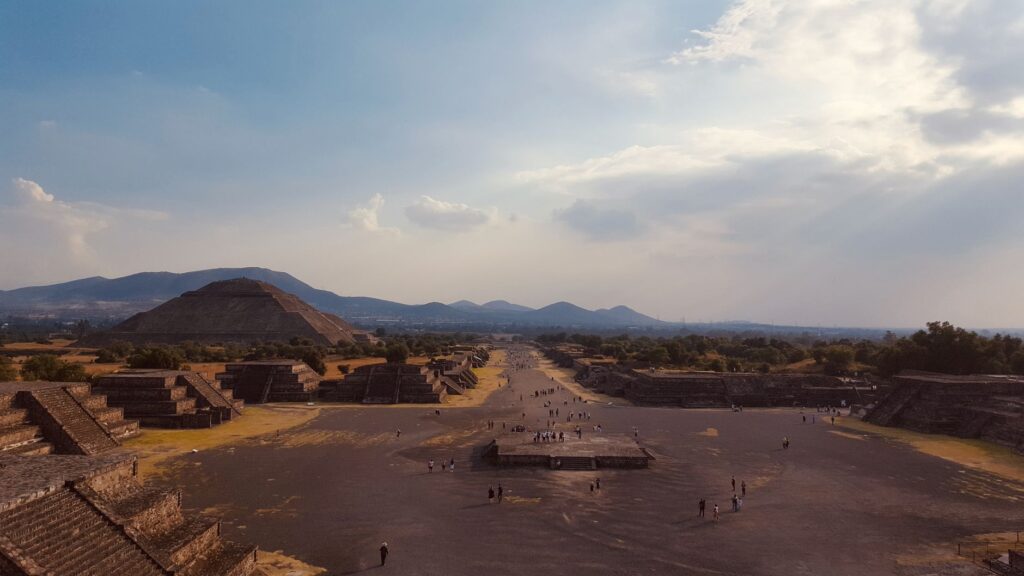
Travel operators attending the expo finalized commercial agreements focused on promoting eco-tourism routes across the Yucatan Peninsula and the southern rainforests. These initiatives not only protect regional biodiversity but directly empower indigenous communities by integrating them into the international tourism economy. The response from Japanese travel professionals was overwhelmingly positive, aligning perfectly with global trends toward conscious exploration.
Culinary excellence and heritage: two rich traditions meet
A central pillar of the Mexican showcase was its world-renowned culinary heritage, inscribed on UNESCO’s Representative List of the Intangible Cultural Heritage of Humanity. In Japan, where seasonal ingredients and culinary precision are deeply revered, gastronomic diplomacy proved to be a natural bridge. Throughout the expo, master traditional cooks and celebrated chefs held guided tastings and pairings, demonstrating the sophistication and depth of authentic Mexican cuisine.
Mastering ancestral ingredients
From heirloom corn varieties to the complex moles of central and southern Mexico, the culinary presentation in Tokyo proved that true Mexican gastronomy far exceeds simplified commercial representations. Attendees gained insight into the meticulous nixtamalization process and the nuanced use of dried chilies—elements that resonated strongly with Japanese culinary experts due to their parallels with the dedication seen in local kaiseki traditions.
- Live culinary demonstrations featuring protected designation-of-origin ingredients.
- Specialized tasting sessions of artisanal mezcal, sotol, and raicilla.
- Presentation of wine routes spanning the valleys of Baja California and Querétaro.
Air connectivity and the new era of direct routes
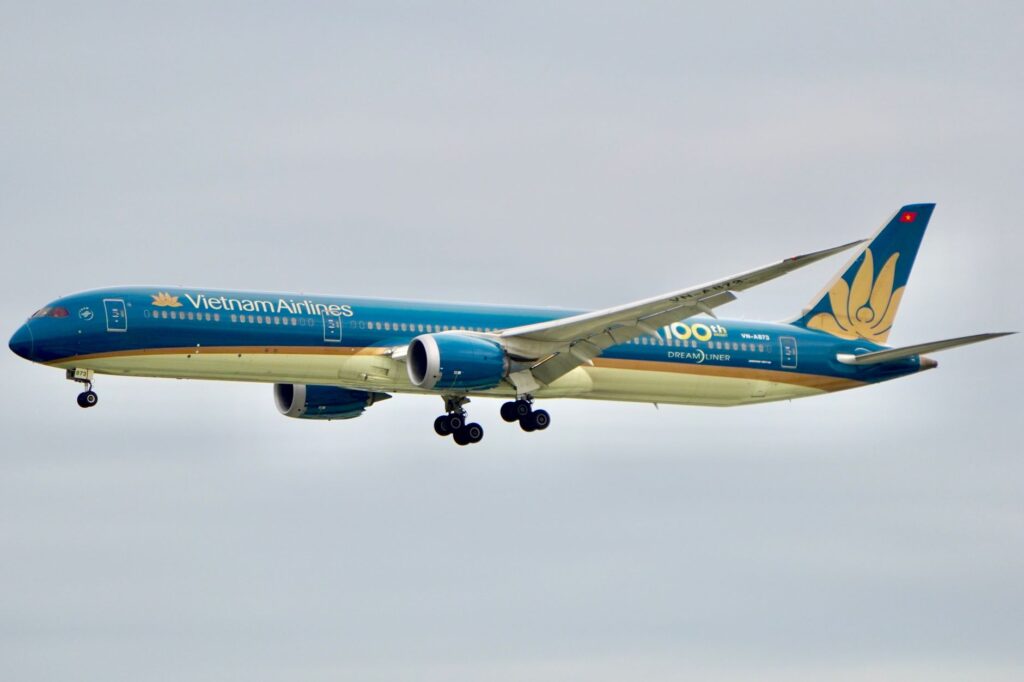
Any successful tourism strategy targeting Asian markets requires robust and reliable flight infrastructure. During Tourism EXPO Japan 2026, direct flight connectivity between Tokyo and Mexico City occupied a prominent place on the agenda. The consolidation of daily flights operated by modern aircraft ensures effortless travel not only for corporate executives but also for high-end cultural travelers seeking premium service and convenience.
Participating airlines reiterated their commitment to maintaining frequent schedules and tailoring inflight amenities to satisfy the expectations of comfort, punctuality, and attentive service valued by Asian passengers. Discussions also focused on expanding codeshare agreements with domestic Mexican carriers to guarantee smooth transfers from Mexico City to secondary destinations without logistical friction.

From Los Cabos to the Maya Train: expanding the destination footprint
Geographic diversification is essential to prevent overcrowding at flagship destinations while spreading the economic benefits of tourism into emerging regions. The Mexican delegation highlighted new opportunities enabled by modernized transport infrastructure, including regional rail links in the southeast and upgraded airports across the Yucatan Peninsula and Pacific coast. This improved connectivity allows visitors to travel comfortably between ancient archaeological sites, colonial towns, and pristine coastal areas.
Diversifying destinations means offering multifaceted stories to travelers who no longer seek predictable postcards, but the living complexity of a rich territory.
At the same time, established luxury hubs like Los Cabos and Punta Mita continue to experience robust demand among affluent Japanese travelers, who appreciate privacy, sustainable architectural design integrated into coastal landscapes, and world-class wellness retreats. The combination of refined contemporary luxury and genuine Mexican hospitality offers an irresistible proposition for the Japanese market.
Market strategies tailored for the Japanese traveler
To deepen Mexico’s presence in Japan, tourism boards and private enterprises have launched targeted digital campaigns tailored to local media consumption habits. Clean visual design, detailed Japanese-language guidebooks, and strategic collaborations with respected Japanese travel photographers and content creators form the backbone of this long-term promotional approach.
Furthermore, specialized training workshops are being conducted for Japanese travel agents, focusing on curating balanced itineraries that incorporate sufficient rest, seamless transfers, and dietary accommodations. Enhancing the professional standards of hospitality tailored to Asian visitors remains one of the cornerstone competitive advantages Mexico seeks to solidify over the coming decade.
Practical guide
Entry requirements and travel documentation
Japanese citizens visiting Mexico for tourism purposes do not require a visa for stays under 180 days. A valid passport and a completed immigration form upon arrival are required. Travelers are strongly encouraged to secure comprehensive international travel insurance and book advance entrance tickets for major archaeological parks to streamline their itineraries.
Best times to visit and climate considerations
Mexico experiences diverse climatic conditions across its varied topography. The dry season, running from November through April, offers the most favorable conditions for exploring the central highlands, southern historical sites, and both Pacific and Caribbean coastlines with comfortable temperatures and minimal rainfall. Winter months are also ideal for wildlife observations, such as gray whale watching in Baja California or monarch butterfly migrations in Michoacán.
Currency, payments, and connectivity
The official currency is the Mexican Peso (MXN). While major credit and debit cards are widely accepted at hotels, fine dining establishments, and tour agencies in major cities, carrying local currency in cash is essential when visiting regional markets, buying local handicrafts, or traveling through rural villages. Cellular coverage and high-speed internet are reliable in urban centers, and local SIM cards or eSIMs are readily available for travelers.

Internal transportation and getting around
For long distances, Mexico boasts a comprehensive domestic flight network as well as luxury long-distance bus lines featuring first-class amenities. Within primary metropolitan areas like Mexico City, verified ride-hailing apps provide a safe and efficient way to travel. For regional travel in the southeastern peninsula, passenger rail services provide a modern, comfortable option to explore key cultural landmarks.
Pacific stillness at dusk in Puerto Vallarta
As the afternoon sun dips below the horizon along Jalisco’s Pacific coastline, the sky softens into golden and indigo hues reminiscent of a classic Japanese woodblock print. Along the boardwalk of Puerto Vallarta, the gentle rhythm of rolling waves weaves together with the warm evening breeze and the soft cadence of distant music. A lone fisherman calmly gathers his nets while the silhouette of the Sierra Madre Occidental mountains rises with quiet elegance against the clear sky.
In this quiet moment of contemplation, two distant worlds gracefully converge: the reflective aesthetic of the East and the vibrant warmth of coastal Mexico. Far removed from busy exhibition halls and formal tourism speeches, travel reveals its true purpose. It stands as a quiet invitation from a vast land, forever open to cross-cultural connection and ready to share its enduring stories with those who travel across the sea with open eyes and an appreciative heart.
Source: Garabato.info via Google News