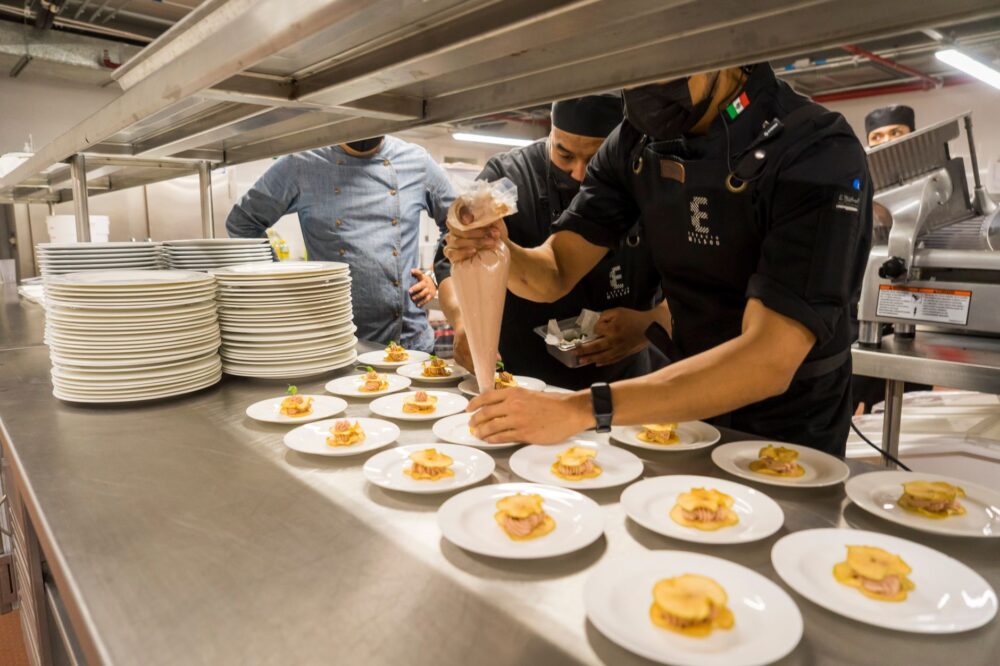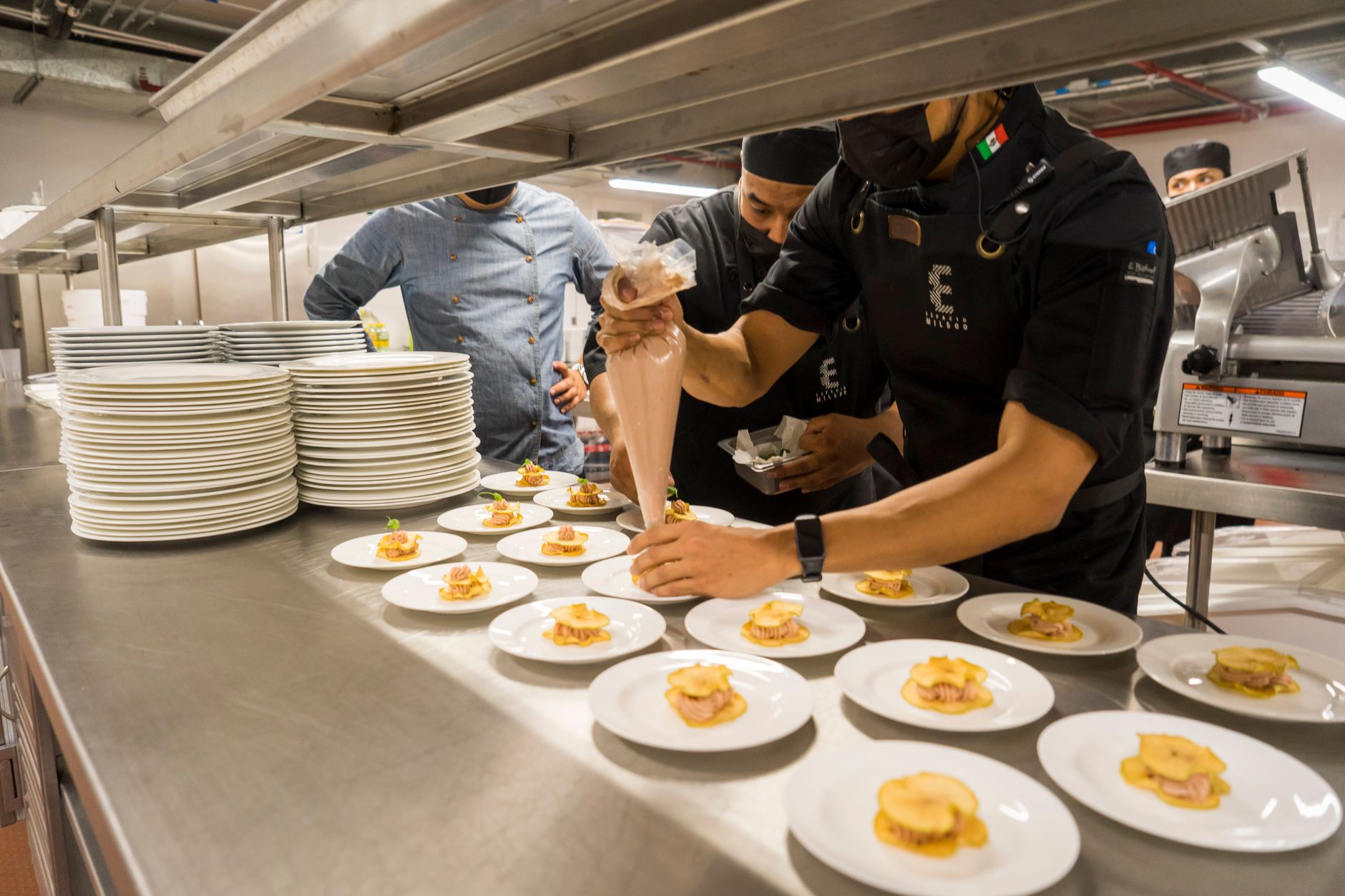

Contemporary tourism is undergoing a profound transformation where luxury is no longer measured solely by the square footage of a room, the thread count of Egyptian cotton sheets, or the exclusivity of a spa. In an era where travel has been democratized, distinction lies in the capacity of spaces to offer a coherent, deep, and memorable narrative. On the occasion of World Tourism Day, the global gaze rests on those establishments that have chosen to subvert the traditional order: the room ceases to be the ultimate end and instead becomes the sanctuary from which to explore a rigorous and singular culinary universe. These refuges prove that gastronomy is not a mere complementary service, but the driving force that justifies the journey, a living cultural language that dialogues directly with the territory, history, and local community.
This evolution responds to an increasingly demanding traveler who seeks authenticity over ostentation and understands food as a privileged pathway to grasping the soul of a place. Gone are the days when hotel restaurants functioned as neutral, silent spaces designed for disoriented tourists. Today, the world’s finest kitchens are found precisely behind the threshold of a boutique hotel, a historic estate, or a cutting-edge rural retreat. The experience of staying overnight merges inextricably with that of tasting, creating an ecosystem where regenerative agriculture, ancestral tradition, and contemporary technique join forces to offer stays that transcend mere rest.
The Architecture of Flavor as a New Hotel Paradigm
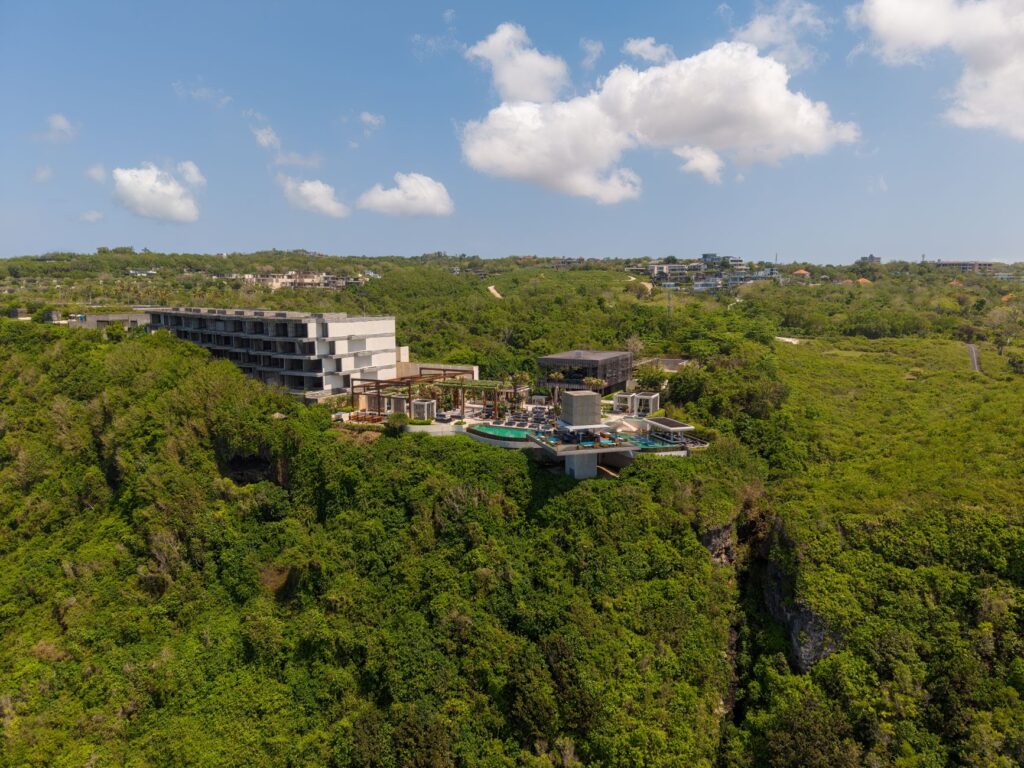
Understanding this phenomenon requires analyzing how hotel infrastructure has been redesigned around the kitchen. Common spaces are no longer simple anterooms, but urban gardens, open-air bakeries, subterranean cellars, and dining rooms conceived as theatrical platforms. In these enclaves, architectural design pays tribute to the product. Wide glass windows allow guests to observe the cycle of the earth, noble wood evokes fermentation barrels, and lighting focuses attention on the plate as if it were a work of art. This spatial layout is not accidental; it seeks to engage all of the guest’s senses before the first bite even touches their palate.
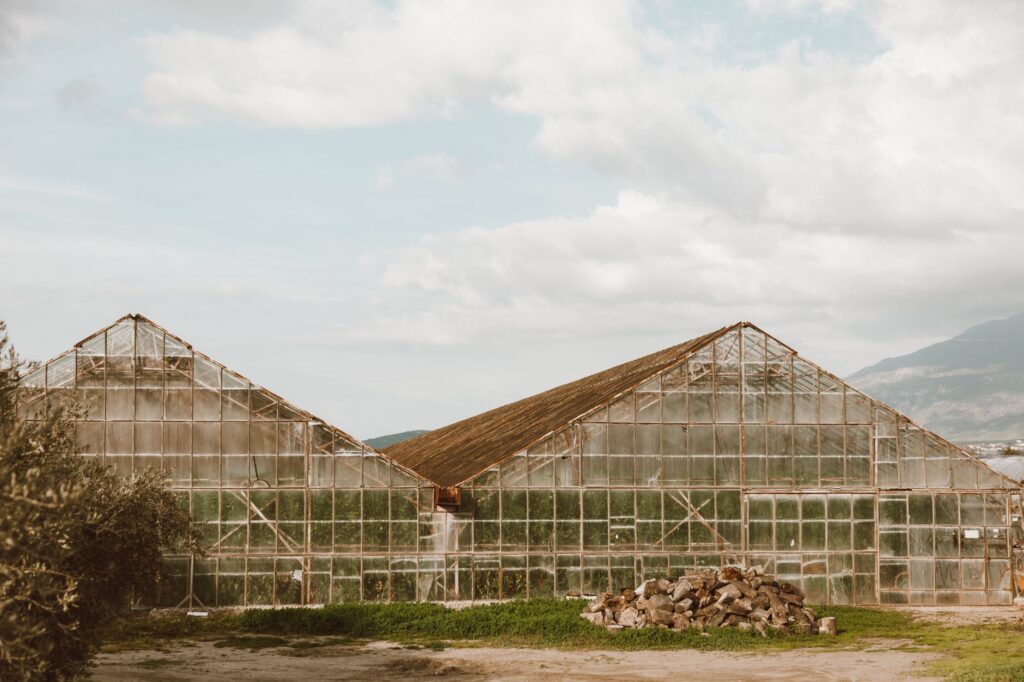
The concept of zero-kilometer sourcing has ceased to be a marketing declaration of intent and has become a creative and ethical constraint. The hotels selected for this profound transformation integrate their own farms, collaborate with artisanal fishing cooperatives, and rescue native agricultural varieties threatened with extinction. The result is a seamless gastronomic narrative where guests can physically walk through the very plot in the morning that will yield the vegetables they eat for dinner, paired with wines from micro-wineries producing just a few thousand bottles a year. This radical transparency builds an unbreakable bond of trust between the traveler and the destination.
The Human Factor: Chefs, Farmers, and Hosts
Behind every high-end culinary hotel experience exists a constellation of people whose daily work sustains the experience. We are no longer speaking solely of executive chefs with Michelin stars, but of bakers who wake up at three in the morning to knead sourdough with ancient grain flours, sommeliers who unearth forgotten liquid treasures, and farmers who know every nuance of the soil. This human network adds a layer of anthropological depth that no tourist brochure can replicate. The exchange of knowledge between the guest and the local team transforms a dinner into an act of mutual learning.
Hospitality is thus redefined as an exercise in generosity and listening. The hosts of these establishments act as cultural ambassadors, capable of contextualizing each dish with historical anecdotes, botanical explanations, or stories about the producing families. This closeness breaks down the cold distance that has historically characterized luxury hotel service, replacing it with genuine warmth that makes the visitor feel not like a customer, but like an honored guest in a home inhabited by a passion for good food.
True haute cuisine in a hotel does not seek to impress with technical artifices, but to tell the truth of the landscape through the products it is capable of yielding.
This philosophy demands a long-term commitment to the economic sustainability of the regions where they are located. By prioritizing local employment and the continuous training of young chefs in the area, these hotels act as economic revitalizers, preventing rural depopulation and revaluing traditional trades that risk disappearing. Dining in these spaces therefore becomes an act of conscious and responsible consumption.
Territory on the Plate: Geography and Larder
Each of the six experiences redefining the sector this year responds to a radically different ecosystem, proving that culinary excellence understands no latitudes, only respect for the environment. From high-mountain refuges where survival cooking is elevated to haute cuisine through fermentation and winter curing techniques, to coastal enclaves where seafood is handled with almost religious respect, brushing against the live fire of local vine shoots. Geography sets the pace of the menu, forcing a constant creative adaptation that prevents boredom and standardization.
In these destinations, the passage of the seasons is experienced with unusual intensity. The menu changes not on a whim, but out of absolute biological necessity. If an early frost ruins the tomato crop, the chef improvises with winter roots and wild fruits foraged from the surrounding forest. This extreme flexibility makes each meal unrepeatable. Diners visiting the same hotel in spring and autumn encounter completely opposite gustatory universes, even though the physical framework remains exactly the same.
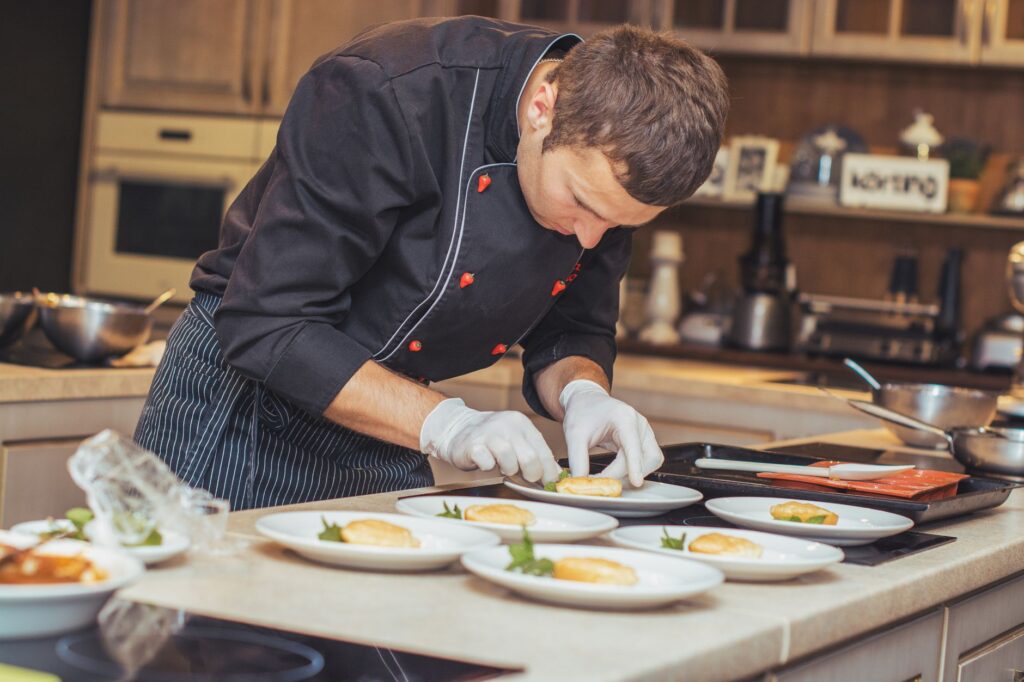
The Slow Pace Versus Contemporary Hurry
In a world governed by immediacy and fast consumption, these hotels propose a radical antidote: the pause. Sitting down to dine in these establishments requires time. Dinners stretch out for hours, structured as a sensory journey where each course has a reason, a rhythm, and a story. The value of lingering conversation after the meal, shared silence, and the contemplation of the surroundings through windows opening onto dazzling landscapes is recovered. The kitchen thus becomes a space for mental disconnection.
This commitment to slowness is not an exercise in useless nostalgia, but a physiological and psychological necessity. By slowing down the pace of ingestion and forcing the brain to process the complex nuances of food, the diner recovers the capacity for wonder. Primary flavors—the precise acidity of a ferment, the natural sweetness of a root roasted in embers, the subtle salinity of wild fish—once again occupy the center of the gustatory experience, liberated from the excess of artifices and refined sugars dominating contemporary urban diets.
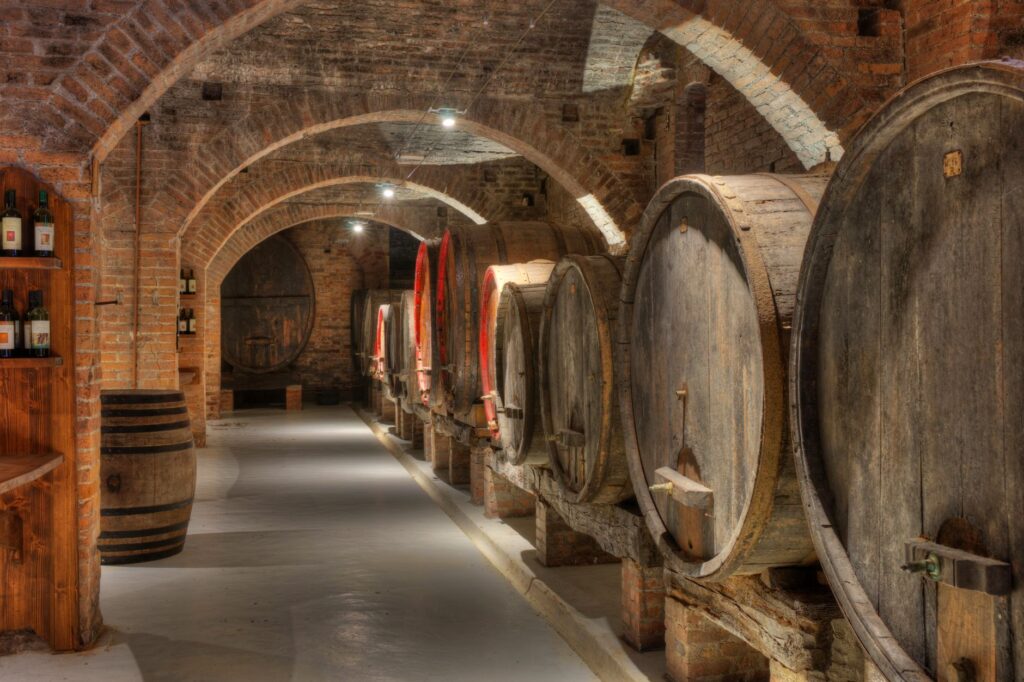
Real Sustainability: From Garden to Circular Composting
The ecological commitment of these accommodations goes far beyond the proverbial reusable towel. Waste management has become an artistic and scientific discipline. Organic kitchen waste is reintegrated into gardens through complex composting systems, closing a perfect cycle where nothing is wasted. Rainwater is collected and filtered to irrigate culinary crops, and the energy used in the stoves comes, in many cases, from local renewable sources.
This environmental transparency is constantly audited by the clients themselves, who are increasingly educated in sustainability matters. Proclaiming a green discourse is no longer enough; it must be demonstrated with accessible data, guided tours of recycling facilities, and impeccable traceability of every ingredient entering the back kitchen door. Modern luxury is, inescapably, clean luxury.
Practical guide
Planning a stay in these gastronomic sanctuaries requires anticipation and an open mind to be guided by local rhythms. Below are the fundamental keys to approaching this class of culinary tourism:

- Advance Reservations: Due to the limited number of rooms and the restricted capacity of their dining rooms, reservations typically open six to nine months in advance.
- Communicating Allergies: Given that menus are fixed and strictly depend on the daily harvest, it is essential to notify any dietary restrictions at the time of booking.
- Temporal Flexibility: Short single-night stays are discouraged; to properly understand the culinary proposal and rest adequately, an optimum minimum is three days.
- Sustainable Transport: Many of these hotels are located in protected natural environments, so they frequently provide electric vehicles or coordinate transfers from the nearest transport hubs.
Traveling to eat is no longer about finding the most exclusive restaurant in a major capital, but about staying at the very origin of the flavors that transform us.
Ultimately, these six accommodations demonstrate that the future of tourism lies in the ability to offer meaningful experiences, rooted in the land and executed with impeccable technical rigor. By blurring the boundary between rest and the table, they open a door toward a more conscious, slow, and profoundly human way of traveling.
The Final Bite: Memory, Emotion, and the Echo of the Landscape
When the suitcase is zipped shut once more and the traveler begins the journey back to routine, what endures is not the material comforts of the room, but the emotional resonance of shared flavors. Gustatory memory possesses a unique capacity to fix moments of happiness in time; the aroma of freshly baked bread at dawn in the mountains, the complicit silence around a candlelit table, or the perfect texture of a dish cooked with patience and absolute respect for the product. These hotels do not sell stays; they build indelible memories that accompany the traveler long after leaving the horizon, reminding them that cooking, in its purest expression, is the most beautiful and universal form of memory.
Source in English: Indulge Express on Google News