
At the exact edge where the Cantabrian Sea bites with restrained fury against urban sea walls, the city of Santander unfolds one of its most silent and ancient choreographies: the early morning opening of the Mercado de la Esperanza. This is not merely a daily supply point, but the civic heartbeat where the raw nature of seafaring trade converges with the sophistication of a larder privileged by the geographical accidents of the northern coastline. Here, among wrought-iron structures reminiscent of late 19th-century industrial architecture, a cultural identity is forged through tides, hooks, and patience on the sandy banks.
This chronicle delves into the bowels of this temple of fresh produce to decode how the symbiotic relationship between the Santander bay and the Pasiegos valleys sustains a gastronomy of resistance and territory. Far from the overcrowded routes of summer tourism, the traditional fishmonger stalls and market stands guard botanical and marine secrets that only lifelong vendors and the most discerning chefs know how to interpret. Entering this ecosystem is accepting an invitation to understand the landscape through the palate, decoding the invisible signals that transform a daily catch into a historical document of survival and pleasure.
The Architecture of Iron and Salt: Living History in the Urban Core
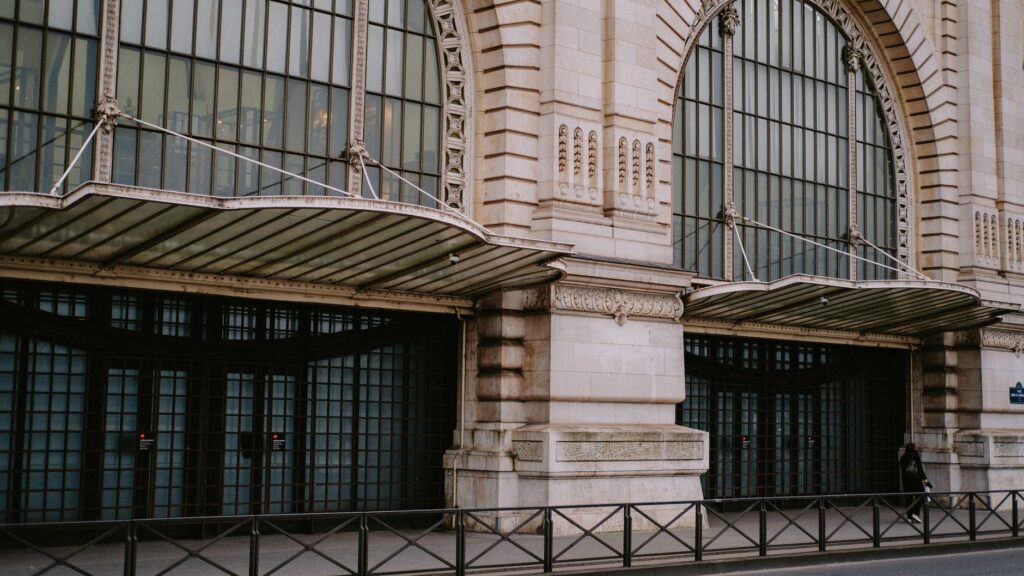
Inaugurated in 1904 under the design of architects Eduardo de los Ríos and Juan José Resines, the Mercado de la Esperanza stands as a masterpiece of functional engineering of its era. Its ground floor, dominated by cast-iron pillars and large glass windows filtering the grey yet luminous light characteristic of Cantabria, was built to withstand the corrosive humidity of marine saltpeter. This metallic skeleton is not merely an aesthetic container; it acts as a resonance box where the shouts of vendors, the crackle of scales being cleaned, and the muffled murmur of daily shopping compose an unalterable urban symphony.
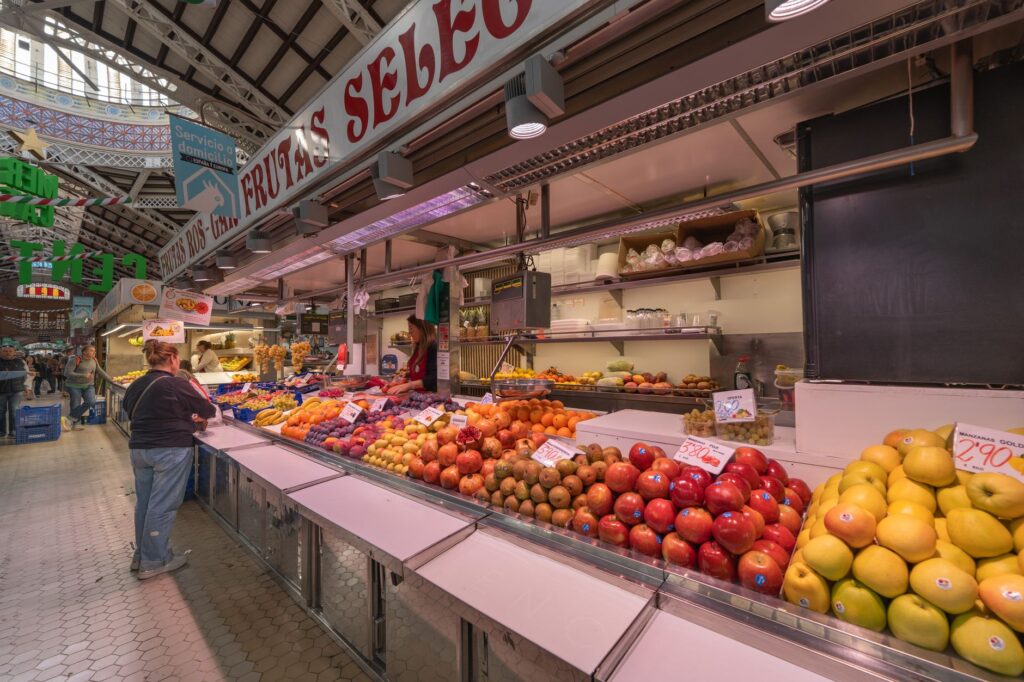
Historically, this space replaced old street stalls that overcrowded the Plaza Vieja, centralizing provisions trade under hygiene regulations aimed at regulating the bourgeois growth of the mountainous capital. Walking today through its hydraulic tile aisles—worn down by millions of footsteps—is traversing a living archive of collective memory. Each column, iron bracket, and stone counter bears the scars of over a century of commercial history, standing with unyielding dignity against the onslaught of large retail chains and the uniformity of globalized food.
The Ritual of Ebb Tide: The Invisible Auction That Feeds the Stalls
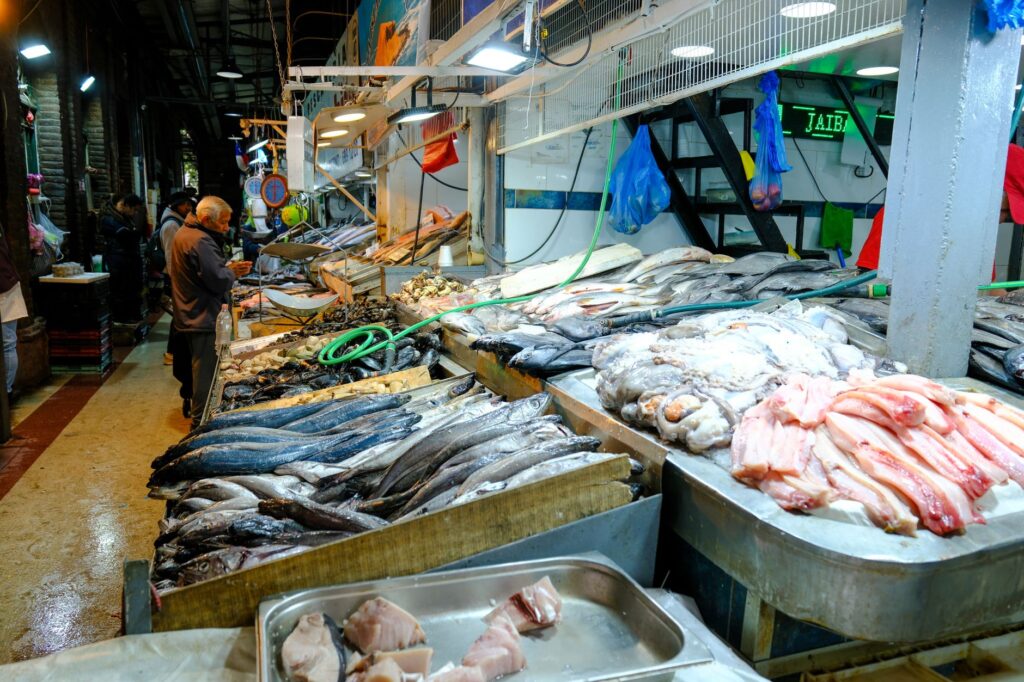
Long before the first customers lift the heavy canvas curtains of the stalls, true action unfolds in the dawn hours of nearby docks and the sheltered harbor auction houses. Inshore fishing boats—locally known as converted traineras or longliners—return with holds full of creatures that mere hours later will occupy the refrigerated display cases of the market. Silver, iridescent hook-caught hake, anglerfish with abyssal mouths, colossal monkfish, and spirited white seabream form part of a booty captured with respectful techniques prioritizing sustainability over industrial overexploitation.
The Cantabrian Sea does not easily let itself be tamed; its cold, oxygenated waters impart upon every fish a muscular firmness and a concentration of iodine that chefs worldwide chase like an unattainable treasure.
The dialogue between the arrantzale—the fisherman—and the stallholder is an exercise in mutual trust built over decades. Too many words are not needed to determine the quality of a wild sea bass or the exact ripening point of a spider crab. This oral transmission of fishing knowledge guarantees that the product reaches the final consumer in optimal condition, retaining the pure taste of the marine abyss. It is a proximity trade system so efficient that it challenges modern logistics chains, demonstrating that absolute freshness remains the most coveted luxury of contemporary dining.
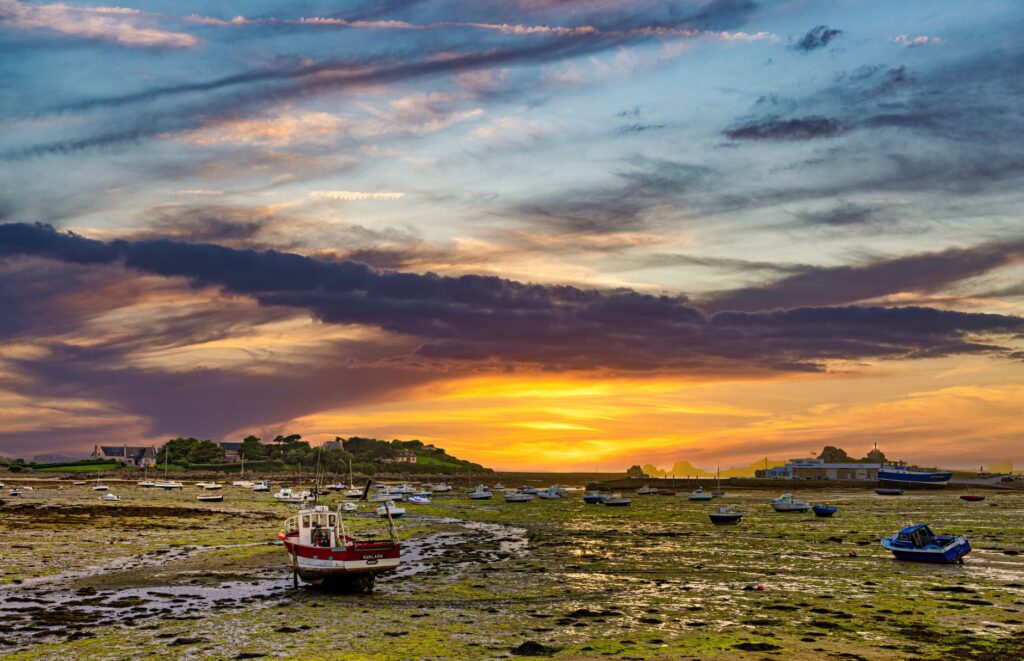
Marsh and Estuary: The Sanctuary of Cockles and Fine Shellfish
If the open coast yields large specimens, the intertidal strip of the Bay of Santander and its surrounding estuaries hides a treasure of more modest proportions yet staggering culinary value. In the marshes of Joyel or the nutrient-rich silts uncovered by spring tides, traditional gatherers practice an almost monastic craft. Crouched over wet sand, equipped with special rakes and a deep respect for extraction limits, they harvest cockles, pullet carpet shells, and razor clams of exceptional finesse.
This estuarine environment acts as a natural incubator where fresh river water running down the mountains mixes with ocean salinity, generating unique plankton that infuses bivalves with singular mineralization. In the market, these live mollusks are grouped in tanks with oxygenated saltwater, maintaining the reflection of the tide within the enclosed space. Local restaurateurs arrive with the certainty of finding here the indispensable ingredient for their seafood rice dishes and fish soups, understanding that the soul of a dish lies in the health of the ecosystem that bore it.
The Inland Counterpoint: The Larder of the Pasiegos Valleys
It would be an unforgivable mistake to define the Mercado de la Esperanza solely through its marine offerings. On the opposite side of the fish counters, the aisles dedicated to produce and livestock reveal the other half of the Cantabrian soul: the green, rugged, and humid mountain. From the Pasiegos valleys, Liébana, or Trasmiera, local producers descend every dawn bearing the fruits of land worked with tenacity. Wild garlic heads, heirloom tomatoes tasting of old gardens, Isla peppers, and ancient-grain legumes fill the stalls with earthy, vibrant colors.
Alongside vegetables, artisan cheeses hold a place of reverence. Wheels of Cantabrian cream cheese with its unmistakable buttery texture, Liébana smoked cheeses cured with beech wood, and potent Tresviso cheeses aged in high-mountain caves where the winds of the Picos de Europa work their microbial magic. This duality between sea and mountain defines the region’s gastronomic identity, a territory where a stew can fuse the dairy fat of grazing cows with the marine collagen of a deep-water monkfish.
The Brotherhood of Produce: Voices and Faces Behind the Counters
The true heritage of the Mercado de la Esperanza lies not merely in its metallic structures nor in the pristine quality of its goods, but in the dynasties of vendors who have turned their labor into a civil priesthood. Behind every counter hides an open encyclopedia of gastronomic anatomy. Matriarchs of the stall who have spent fifty years filleting hake with the precision of plastic surgeons, and young heirs who have embraced digitalization without losing the human touch, the complicit advice, and the impromptu recipe on the fly.
Conversing with them allows one to understand the invisible fluctuations of the local economy: why a storm in the Bay of Biscay doubles the price of barnacles, or exactly which day the white tuna season begins. These professionals act as the last bastion against the homogenization of consumption, educating the customer’s palate through patience and the truth of seasonal produce. Their workday begins before dawn and ends when the metal shutters close once more, leaving behind the echo of a day dedicated body and soul to feeding an entire city with dignity.
Practical guide
How to get there: The Mercado de la Esperanza is located on Calle Ribera, right in the historic center of Santander, just a few meters from the train and bus stations, and a short walk from the main docks.
Recommended hours: From Monday to Saturday, the market opens uninterruptedly from 08:00 to 14:00 hours. The optimal time for a photographic and sensory visit is between 09:00 and 11:00 in the morning, when the displays are full and local shopping is at its most authentic.
Etiquette and respect: This is an active workplace; it is essential to ask permission before photographing vendors and to avoid blocking narrow aisles during peak shopping hours.
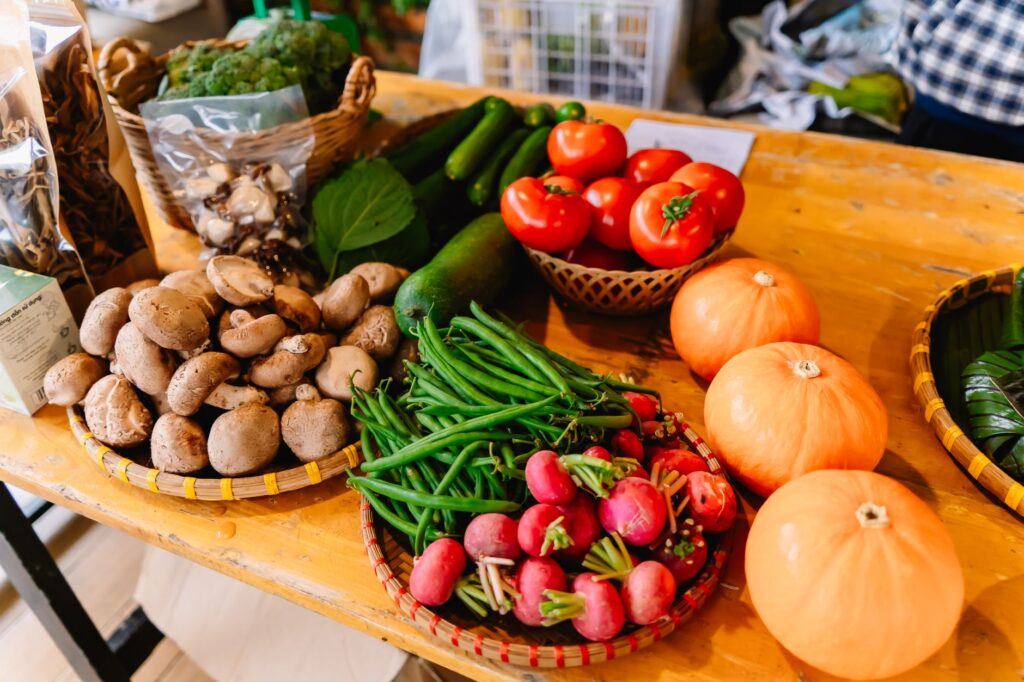
Essential products: Be sure to observe the live seafood sections, ask about local seasonal tomato varieties, and admire the artisan cheese stalls from the inland valleys.
Nearby gastronomy: In the immediate surroundings of the market and the pedestrian streets of the old town, you will find historic taverns where you can enjoy portions of freshly fried squid rings accompanied by a crisp local white wine.
Emotional Epilogue Under the Cantabrian Light
When commercial activity winds down and workers begin the ritual cleaning with high-pressure water hoses over the hydraulic tiles, the Mercado de la Esperanza adopts a solemn melancholy. The scent of saltpeter, damp wood, and cleanliness permeates the atmosphere, reminding us that this building is much more than a center of economic transactions. It is the sanctuary where Santander’s memory clings to its seafaring roots against the tide of standardized modernity. Crossing the threshold out into the noisy modern street, one realizes they have witnessed an ancient pact: the unbreakable alliance between humanity, the tide, and the indomitable generosity of the Cantabrian land.