The Rock Ptarmigan Refuge in the Sierra Nevada Scree Slopes: Alpine Biology and Conservation in the Betic Summits
A rigorous journey through the wind-swept ridges and high-mountain rock formations of southern Spain to understand the demographics, climate isolation, and extreme adaptation of this glacial relict within the protected Andalusian territory.
Introduction to Alpine Isolation in Southern Europe
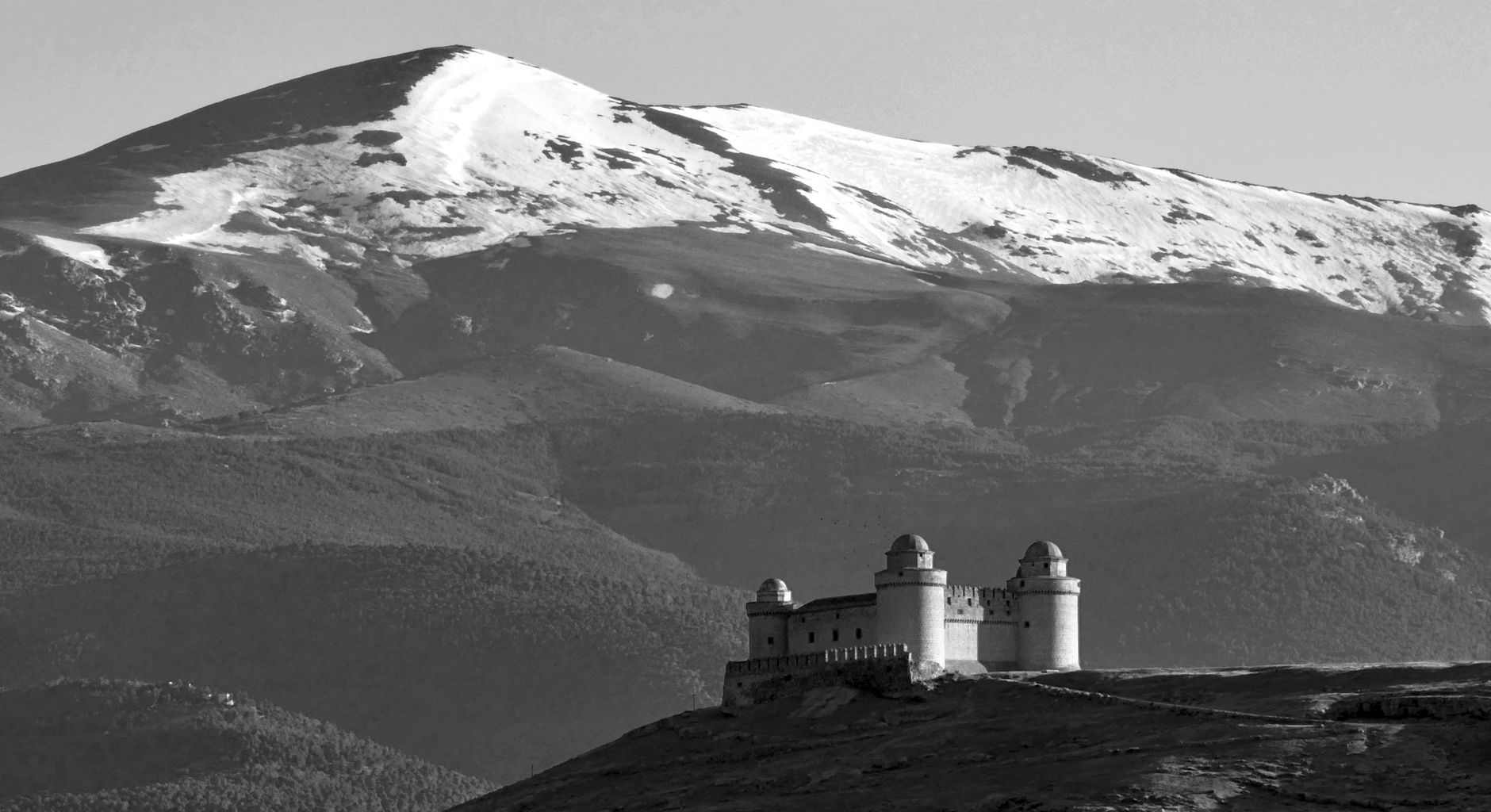
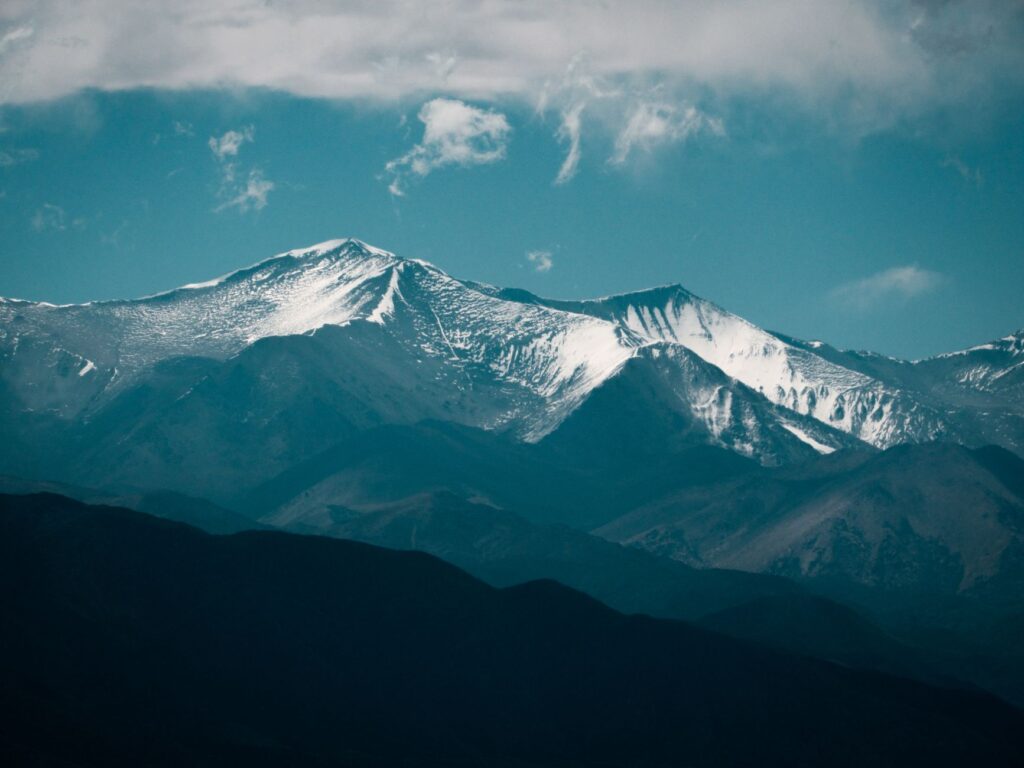
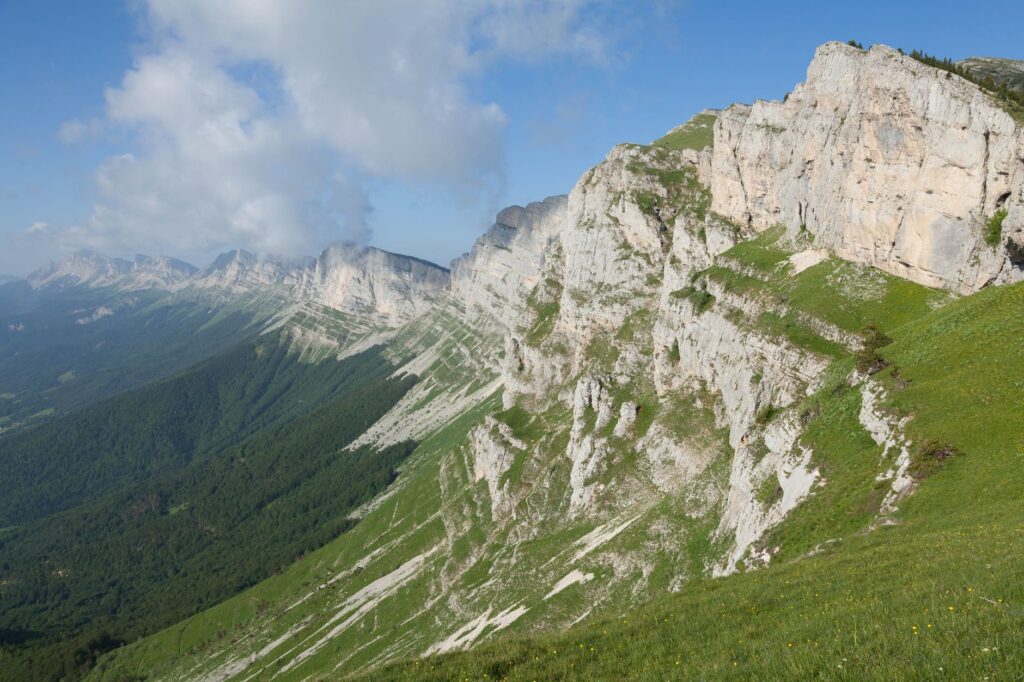
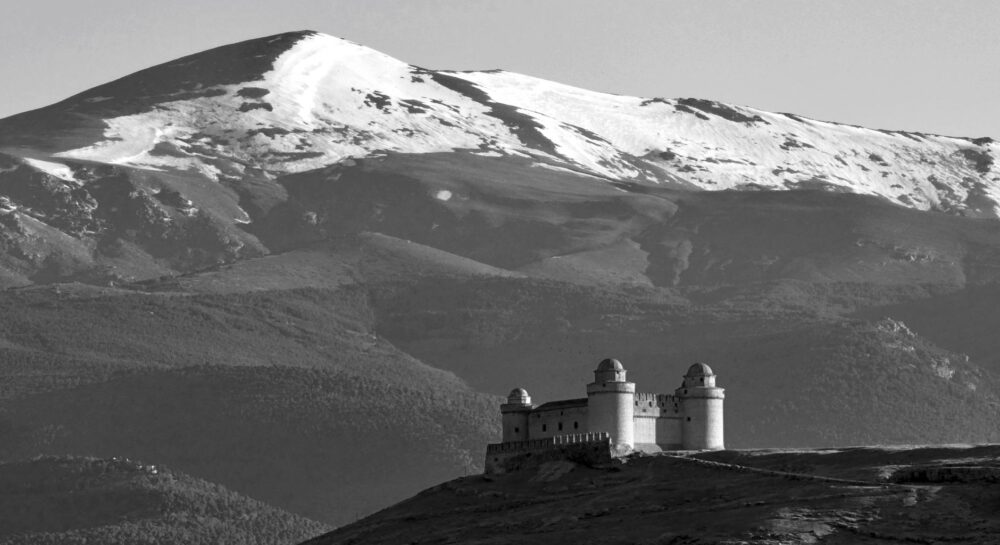
At the southernmost edge of the European continent, where the influence of the Mediterranean Sea collides head-on with the highest mountain barriers of the Iberian Peninsula, lies an isolated world that defies the climatic logic of the south. Sierra Nevada, with its peaks crowned in snow for much of the year, represents a biogeographical island of incalculable scientific value. In this territory of summits sculpted by ancient ice, wildlife has had to develop extraordinary survival strategies to avoid succumbing to global warming. Among all the species inhabiting this extreme ecosystem, the southern rock ptarmigan—scientifically represented here by relict populations of exceptional genetic uniqueness—embodies the ultimate symbol of alpine resistance against adversity.
The study of this subspecies and its interaction with the glacial environment transports us to an era when continental ice sheets covered a large part of Europe. As glaciers retreated following the last ice age, bird populations adapted to extreme cold became trapped in the highest summits, seeking in altitude the thermal refuge that the surrounding valleys could no longer provide. Today, traversing the scree slopes of Sierra Nevada above three thousand meters in altitude requires a profound understanding of the ecological dynamics that govern these fragile habitats. Every wind-swept ridge and residual snowpack constitutes a fundamental link in an extremely vulnerable trophic chain, where the slightest change in the mean annual temperature can trigger an irreversible demographic collapse.
Geological Origins and Glacial Shaping of the Betic Summits
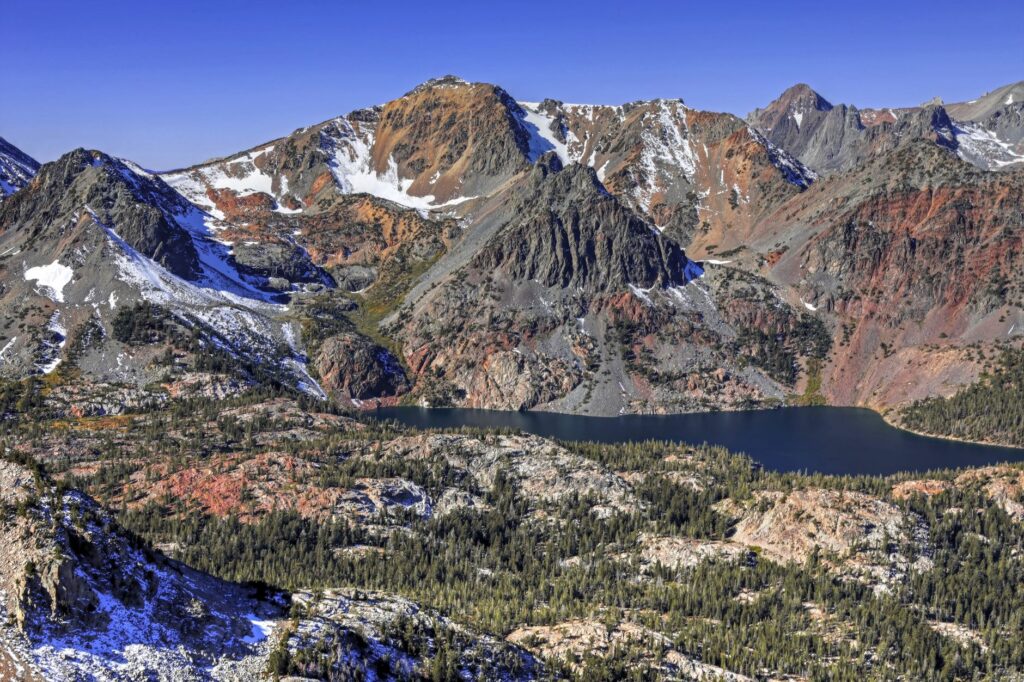
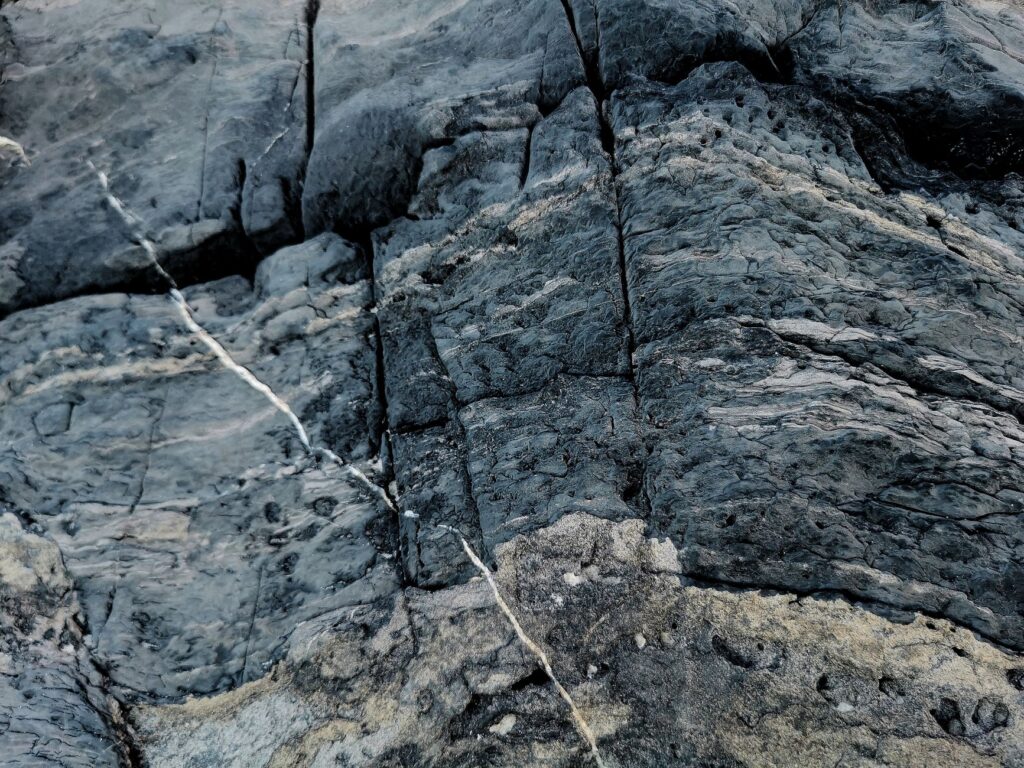
The landscape architecture of Sierra Nevada is the direct result of millions of years of tectonic activity and subsequent glacial erosion. Metamorphic rocks, primarily schists and quartzites, dominate the geological substrate of the high summits, giving the landscape a grayish and brownish tone that contrasts intensely with the luminosity of the Andalusian sky. During the Pleistocene, powerful tongues of ice descended from the main peaks, carving U-shaped valleys, majestic glacial cirques, and snow-fed lagoons known locally as neveros or borreguiles when hydrophyllous vegetation manages to colonize their banks. This rocky substrate, fractured by the continuous action of gelifraction—the fragmentation process caused by water freezing and thawing within cracks—generates extensive boulder fields and scree slopes covering the steepest hillsides.
For the rock ptarmigan and other rupicolous organisms, this seemingly sterile relief constitutes a complex labyrinth of microhabitats. The crevices among rocks and the relative stability of granite and schist blocks provide the thermal comforts essential during freezing winter nights and days of intense solar radiation in summer. Geologists and alpine climate researchers note that the persistence of permafrost in small shaded enclaves plays an essential regulatory role in local hydrology. The stability of snowpacks not only feeds the fragile river streams descending toward the Granada depression and the Alpujarra, but also marks the biological pulse of endemic fauna, which depends on summer moisture to find tender shoots and insects necessary to complete their life cycles.
Biology of Nival Adaptation and Camouflage Strategies
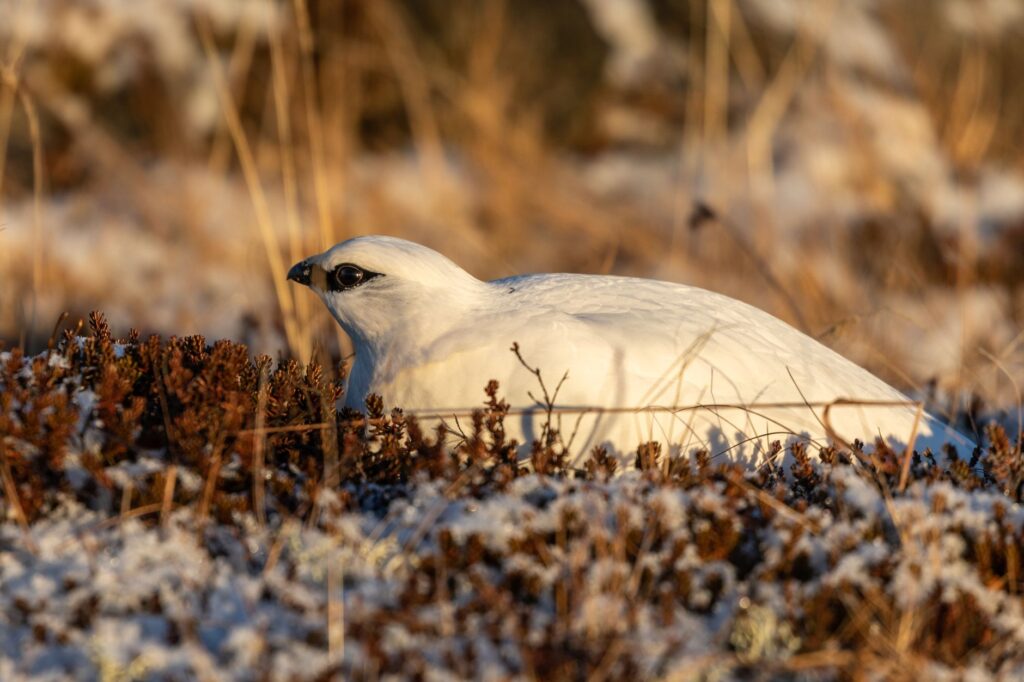
The morphology and behavior of the rock ptarmigan represent one of the most fascinating cases of convergent evolution toward cold climates within the order of gallinaceous birds. Its most prominent feature is the seasonal dimorphism of its plumage, a perfect mechanism of crypsis that allows the bird to blend into its environment almost completely. During the summer months, when scree slopes display ochre, brown, and gray tones devoid of snow, the plumage of these birds acquires a mottled coloration that confuses the most attentive observer and disorients aerial predators such as the golden eagle or red fox. As autumn advances and the first snowfalls cover the rocks, the ptarmigan undergoes a progressive molt until it sports an entirely white coat, interrupted only by the black line adorning the eye patch of the males.
In addition to molting, their limbs are endowed with unique anatomical adaptations. The toes and tarsi are densely covered with short, stiff feathers that act as natural snowshoes, distributing body weight and preventing the animal from sinking into the soft layer of snowdrifts. This biological footwear allows them to move with agility over iced surfaces and forage beneath the white crust. Their diet is strictly vegetarian for most of the year, composed of shoots, buds, leaves of creeping plants like alpine dwarf gorse, and tiny seeds extracted by scraping snow with strong claws. The metabolic efficiency achieved by this species is the direct result of relentless evolutionary pressure, where energy expenditure must be calculated to the millimeter to survive the hardships of a winter that can last for over six months.
Population Dynamics and Alpine Habitat Fragmentation
The demographic monitoring of high-mountain bird populations in the southern Iberian Peninsula reveals a troubling trend toward the reduction of their historical distribution range. Being a stenothermal species—an organism incapable of enduring wide thermal oscillations—any sustained increase in temperatures shifts their ecological optimum toward increasingly higher elevations. However, the very geometry of the mountain imposes an insurmountable physical limit: the higher one ascends, the smaller the available surface area. This phenomenon, known in island ecology as the summit-contraction effect, isolates different breeding nuclei, preventing the gene flow necessary to maintain the diversity and immunological resilience of the population.
Censuses conducted by environmental authorities and scientific research teams point to a severe fragmentation of flocks during the summer period. Added to this is anthropogenic pressure derived from high-mountain tourism, poorly regulated winter sports, and the opening of roads or scientific infrastructure in traditionally pristine areas. Although protected natural areas have strict conservation regulations, human presence on high-altitude ridges and long-distance trails causes continuous disturbance during the critical nesting and chick-rearing phases. Soil disturbance from massive trampling also destroys fragile high-mountain plant communities, reducing food and shelter availability for herbivores and omnivores dependent on local biodiversity.
The Impact of Climate Change on High-Altitude Ecosystems
The analysis of climatic series compiled in meteorological observatories situated on the summits of Sierra Nevada confirms an alarming acceleration in tropospheric warming at Mediterranean latitudes. The decrease in days with precipitation in the form of snow and the earlier arrival of spring thaw profoundly alter the biological cycles of alpine flora and fauna. Plants serving as the primary food source for the rock ptarmigan germinate earlier, but their period of optimal availability is drastically reduced, causing a temporal mismatch between the energy needs of chicks and the abundance of trophic resources in the natural environment.
Likewise, thermal elevation facilitates the colonization of high summits by generalist species originating from lower bioclimatic belts. Terrestrial predators such as the red fox or beech marten, as well as competitor birds better adapted to temperate climates, expand their altitudinal range into territories previously inaccessible due to extreme cold. This added predation pressure, combined with the emergence of new pathologies and parasites favored by milder temperatures, places relict populations in extreme vulnerability. Experts agree that preserving these enclaves requires not only passive protection measures but also active ecological restoration programs, global emission reductions, and rigorous management of visitor flows in the park’s most sensitive sectors.
Active Conservation and Scientific Monitoring Programs
Faced with the latent threat of local extinction, scientific institutions and protected area managers have intensified monitoring protocols using advanced technologies. Marking with lightweight telemetry transmitters, non-invasive genetic analysis from fecal samples collected at roosting sites, and automated camera trapping on ridges and passes yield precise data on demographics, winter survival, and dispersal routes of young individuals. These field studies, often conducted under extreme weather conditions, are fundamental for designing environmental sensitivity maps that guide land-use planning.
International cooperation with other high-mountain observatories in Europe, such as the Alps and the Pyrenees, enriches management strategies by comparing the evolution of Iberian populations with those at northern latitudes. Work is also underway to restore degraded habitats through the temporary closure of unauthorized trails and the regeneration of vegetation cover in areas eroded by historical overgrazing or tourist overcrowding. Public awareness plays a role just as relevant as technical research, since a rigorous understanding of alpine fragility by visitors serves as the best barrier against environmental degradation in this natural sanctuary.
High-mountain summits are not mere aesthetic settings for visual delight, but living archives of the planet’s climatic history and critical bastions of a biodiversity that cannot flee any higher.
Practical guide
Planning a respectful approach to the high-mountain ecosystems of Sierra Nevada requires rigor, appropriate technical equipment, and strict compliance with environmental regulations in force within the National Park.
Recommended season: The months from June to September offer the most stable conditions for high-altitude hiking, though observation of alpine avifauna must be conducted with utmost discretion to avoid disrupting breeding periods. Winter and spring require complete winter mountaineering equipment and advanced training in snow-terrain safety.
Access and restrictions: Transit through strict reserve zones is heavily regulated or prohibited. Using marked trails and consulting the park’s visitor centers regarding temporary nesting restrictions for protected species is mandatory.
Essential equipment: Technical layered clothing, mountain footwear with high-traction soles, high-SPF sun protection against high-altitude ultraviolet radiation, trekking poles, sufficient water, and updated GPS navigation systems, as fog and sudden storms are frequent on summits.
Traveller’s ethical code: Leaving waste, lighting fires, collecting geological or botanical specimens, and operating drones that may disturb wildlife in foraging and breeding areas are strictly prohibited.
Final Reflection on the Memory of Ice
Ascending to summits where the rock ptarmigan defies time and space is an exercise in humility and respect for nature’s most subtle balances. Every lichen-covered rock and every corner where meltwater whispers among stones reminds us that the Earth possesses a deep geological memory, written in layers of ice and in the silent persistence of its most unique inhabitants. Protecting these landscapes is not merely a matter of conserving specific species, but an act of preserving our own capacity for wonder in the face of the untamed beauty of the wild world. As long as cold summits remain and winds whip the scree slopes, the great adventure of life at the edge will continue writing its finest pages in the heart of the high mountains.
ATLAS LUME · ANTES DE VIAJAR
Una lectura que continúa en el destino
DocumentaciónComprueba visados, requisitos sanitarios y vigencia de documentos en fuentes oficiales.
ReservasConfirma el precio final, impuestos y condiciones directamente con el proveedor.
Viaje responsableRespeta las comunidades, el patrimonio y los ecosistemas locales.