
Silence in the Thicket: The Awakening of the Mixed Forest
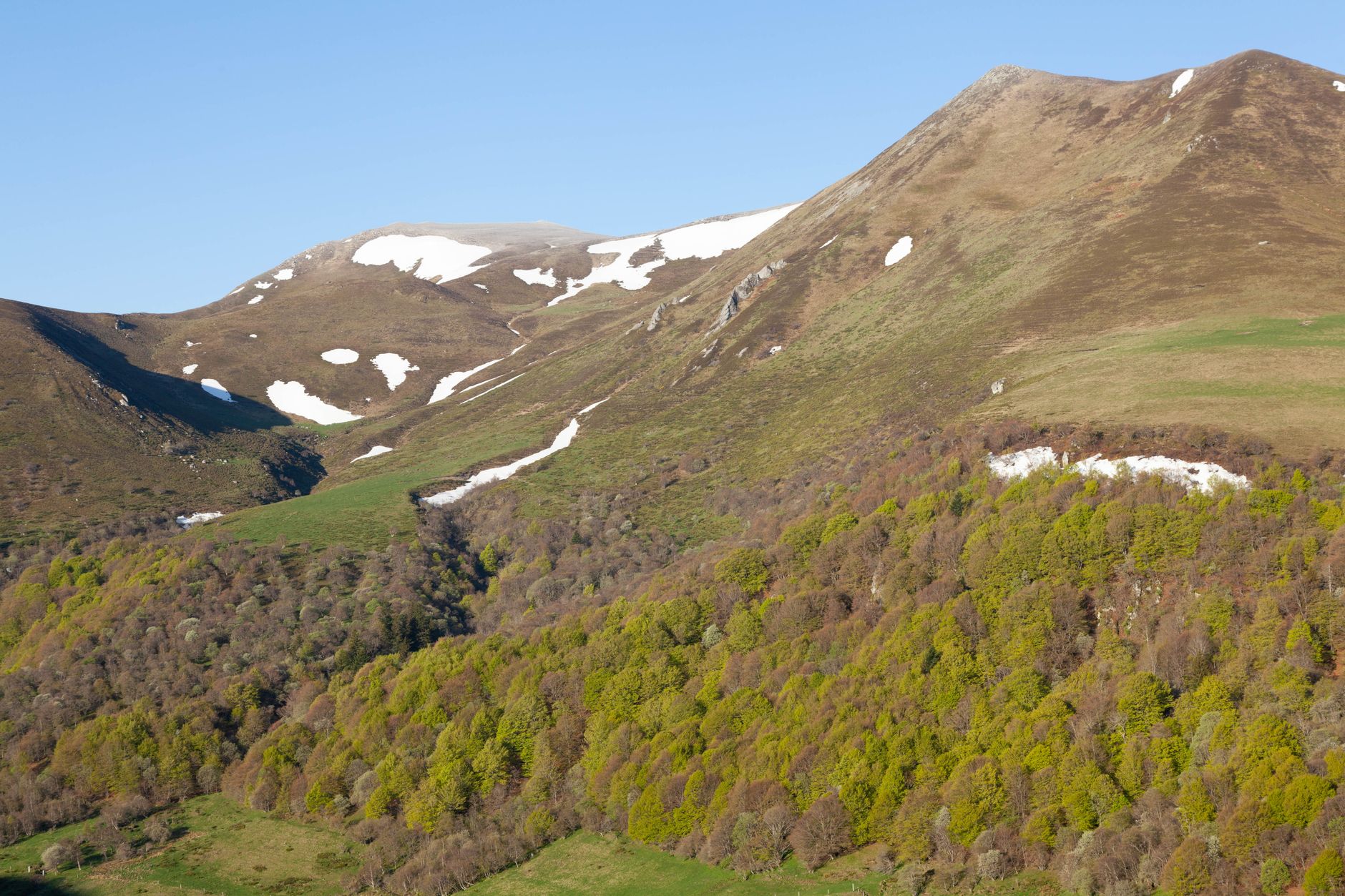
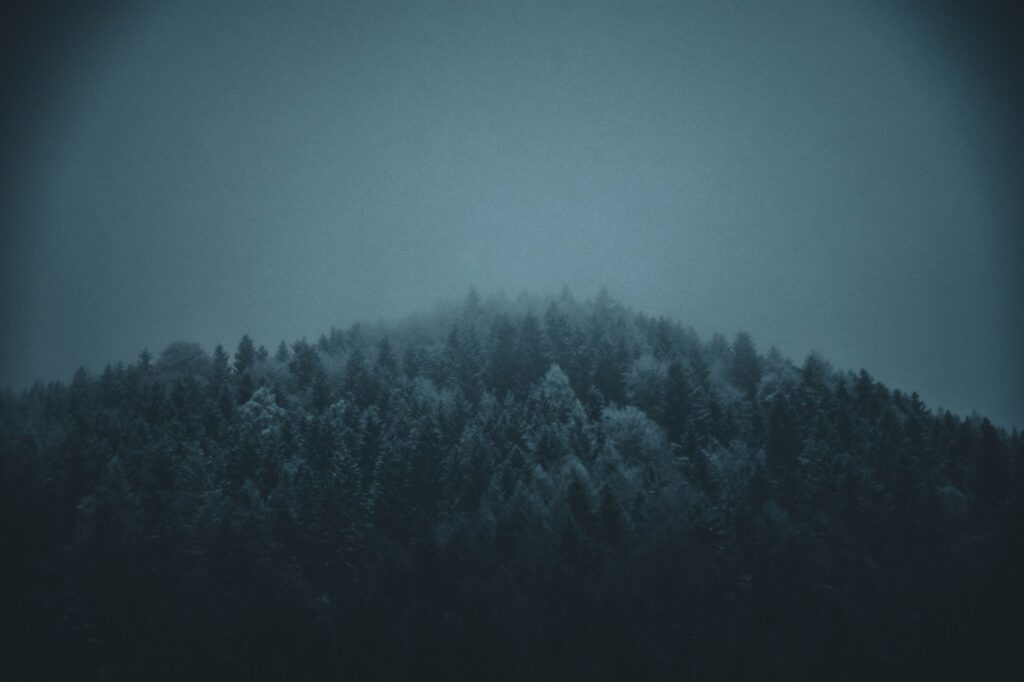
In the heart of the limestone massifs of northern Iberia, where Atlantic influences merge with the harshness of the alpine climate, the gloom of the fir forests conceals one of the most elusive inhabitants of European wildlife. The Pyrenean capercaillie (Tetrao urogallus aquitanicus) represents a living relic of the glacial epochs, a large bird whose survival depends strictly on the health and continuity of mature woodlands. At first light, when morning mist still clings to the mosses and lichens hanging from the branches of firs and beeches, the forest maintains a reverential silence broken only by the drip of condensation or the heavy flight of a passing raptor.
The presence of this species acts as a first-order biological indicator. Wherever the capercaillie finds refuge, the structural complexity of the forest ecosystem remains intact. This is not simply a matter of dense tree cover, but of a complex understory network dominated by bilberries, ericaceous shrubs, and sunlit clearings where chicks find the insects necessary during their first weeks of life. However, this fragile balance currently faces multifactorial pressures that threaten its long-term continuity in the Pyrenean valleys.
Understanding the population dynamics of this gallinaceous bird requires delving into the seasonal rhythms of the high mountains. During winter, the capercaillie drastically reduces its metabolic activity to withstand low temperatures and food scarcity, taking refuge in the tree canopies where it feeds almost exclusively on pine needles and fir shoots. This seasonal dependence turns the forest territory into an inviolable sanctuary, where any human disturbance can trigger a fatal energy expenditure for individuals already fatigued by winter rigor.
Forest Architecture and Ecological Requirements
Habitat selection by the capercaillie responds to highly specific ecological criteria that hinder its adaptation to environmental changes. Radio-tracking studies conducted by field biology teams demonstrate that Pyrenean populations prefer open forest masses with an irregular tree stratum that allows both shelter from aerial predators and visibility at ground level. This mosaic structure, once maintained by natural fire regimes and traditional extensive grazing, now suffers the consequences of rural abandonment and the subsequent densification of the tree canopy.
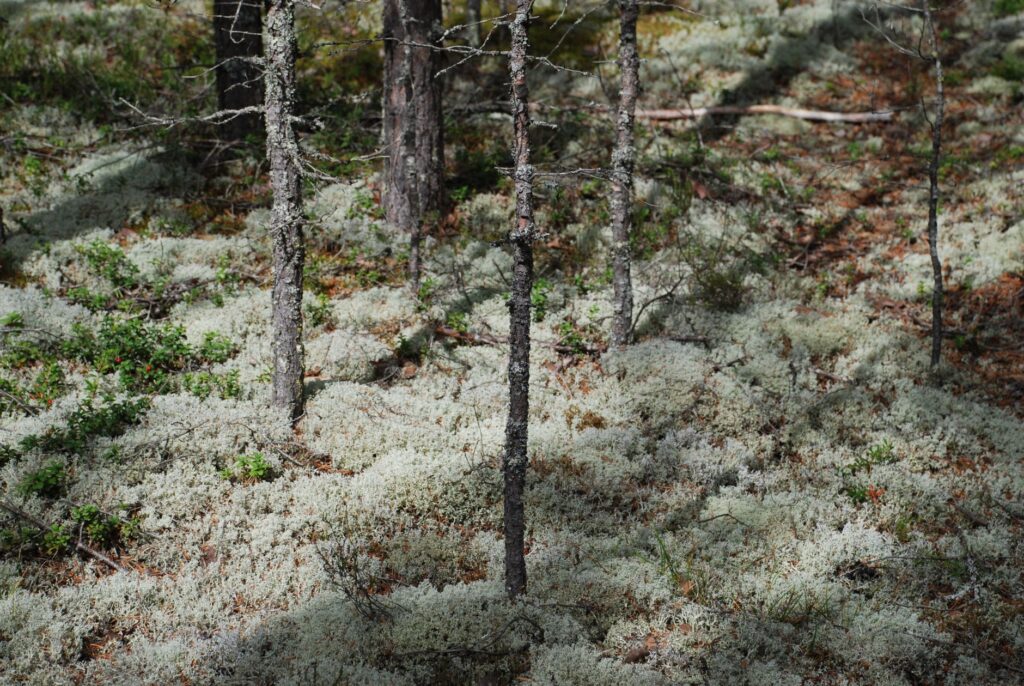
The understory plays an equally decisive role in the species’ life cycle. Shrubs of the genus Vaccinium—popularly known as bilberries—not only provide the fundamental trophic support based on fruit during summer and autumn, but also harbor the entomofauna upon which chicks feed during their first weeks. The loss of these shrublands due to canopy closure or the impact of climate change, which shifts optimal conditions to higher elevations, constricts the living space available for reproduction.
Added to this is habitat fragmentation caused by human infrastructure, forestry tracks, and the development of winter recreational activities. Collisions against power lines and ski lift cables constitute one of the most thoroughly documented causes of non-natural mortality in scientific censuses. To mitigate this impact, environmental managers and utility companies collaborate in marking and burying critical sections, although the sheer scale of the mid-mountain road network continues to represent a considerable obstacle to genetic connectivity between populations.
The Courtship Dance: A Ritual Under Threat
With the arrival of spring, the fir and beech forests experience a radical behavioral transformation. Male capercaillies abandon their winter isolation and concentrate at traditional display grounds known as leks, where they compete through complex visual and acoustic rituals for the favor of females. This display, known as the wheel, begins before dawn and includes vocalizations so particular that they have merited detailed study by ornithologists for decades.
During the key minutes of calling, the capercaillie experiences temporary hearing impairment, a state of extreme vulnerability that natural predators like the red fox or goshawk frequently exploit. If human interference resulting from the intrusion of hikers, nature photographers, or ski mountaineers violating access regulations during the mating season is added to this natural pressure, the result is usually the abandonment of the lek and subsequent reproductive failure for the season.
The conservation of forest birds requires subordinating human leisure to the biological cycles of the territory, understanding that mountain silence is not a void to be filled, but an essential condition for life.
Reproductive success rates in the Pyrenees have experienced notable declines over recent decades. Adverse weather conditions during spring, characterized by episodes of torrential rain or late snowfall, cause high mortality among newborn chicks, which are incapable of autonomous thermoregulation against ambient humidity. Demographic data collected by regional administrations confirm a regressive trend affecting nuclei situated at the western and eastern extremes of the mountain range with greater intensity.
Population Dynamics and Genetic Connectivity
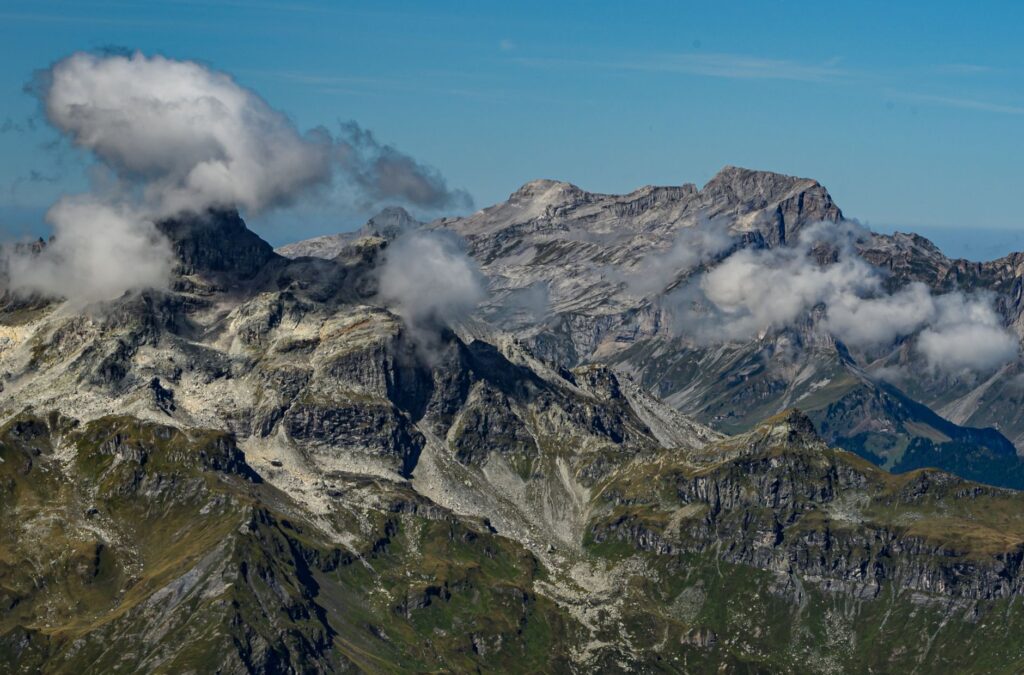
The geographic isolation of different capercaillie nuclei across the Pyrenean range has raised concern among the scientific community regarding inbreeding and the loss of genetic diversity. Western populations, smaller and more fragmented, function practically as demographic islands with scarce gene flow toward central valleys, where the most numerous and stable contingents of the species are concentrated.
To counteract this isolation, current conservation plans prioritize the restoration of forest ecological corridors. These green passages seek to connect patches of optimal habitat through forestry interventions aimed at clearing dense areas, removing artificial barriers, and restoring the floristic diversity of the understory. Cross-border collaboration with French administrations is essential, given that the Pyrenean massifs constitute a biogeographic unit where political boundaries lack biological meaning.
Population reinforcement programs through captive breeding and subsequent release into the wild have been the subject of intense technical debate. While pilot experiences have yielded valuable knowledge about the species’ ethology under controlled conditions, experts agree that budgetary and operational priority must focus on preserving and improving existing habitats, since releasing individuals into degraded or carrying-capacity-deprived environments amounts to a sterile effort.
The Impact of Climate Change on Fir Forests
Global warming exerts unprecedented pressure on southern European mountain ecosystems. The progressive increase in summer temperatures and reduction of snowfall drastically alter microclimatic conditions beneath the tree canopy, affecting both understory flora and water resource availability.
Eurosiberian plant species comprising the capercaillie’s habitat experience constant water stress, facilitating the proliferation of forest pests and weakening the overall vitality of firs and beeches. This forest regression phenomenon shifts ecological optima toward higher altitudes, compressing the available space for the capercaillie, which becomes confined to the coldest, shadiest niches of the high valleys without the possibility of further topographic ascent.

Furthermore, alterations in phenological cycles desynchronize insect hatching with the birth of chicks, depriving the latter of the protein contribution indispensable for skeletal and muscular development during their first weeks of life. This trophic mismatch constitutes a subtle yet devastating threat operating silently within the interior of Pyrenean forests.
Sustainable Forest Management and Traditional Uses
Capercaillie conservation is incompatible with intensive forestry management models or the absolute abandonment of woodlands. Historically, traditional timber extraction and summer grazing generated forest clearings that favored plant diversity and the development of bilberry bushes. Today, the challenge lies in reconciling sustainable forestry exploitation with the ecological requirements of threatened avifauna.
Forest technicians design adapted cutting plans that avoid intervention in the vicinity of leks during mating and breeding months, while promoting the conservation of mature trees, standing dead firs, and a heterogeneous tree structure. Likewise, livestock grazing is regulated to prevent excessive soil compaction and destructive browsing in areas of highest ecological interest.
The participation of local communities is indispensable in this management gear. Livestock farmers, foresters, and inhabitants of the Pyrenean valleys are the primary guardians of the territory; their empirical knowledge of the environment complements scientific data and guarantees the survival of a shared natural heritage defining the mountain range’s cultural identity.
Practical guide
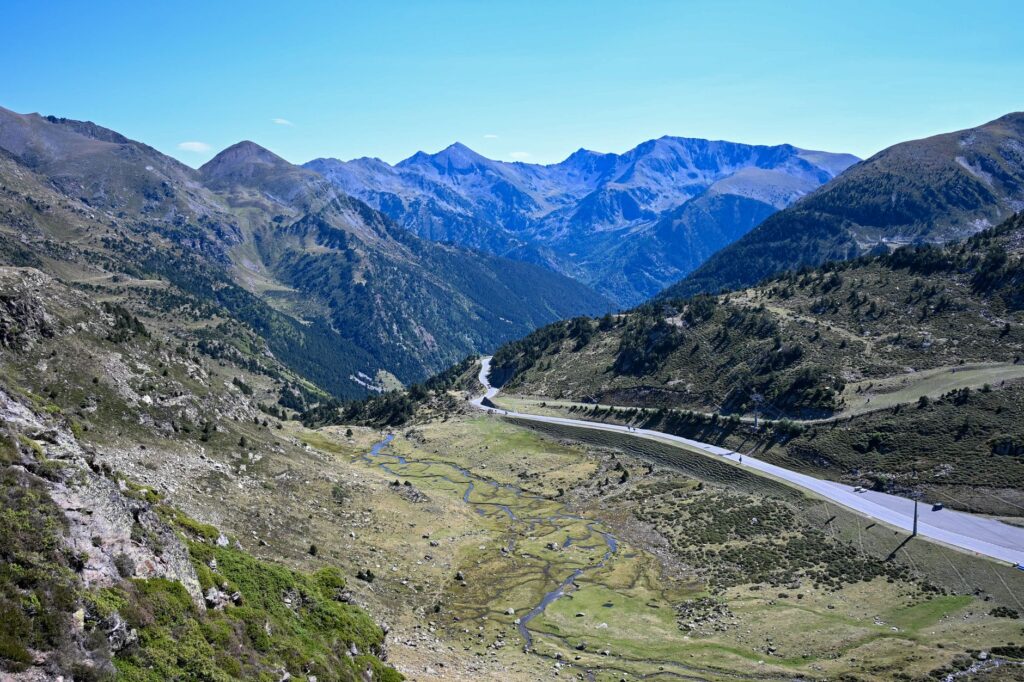
When to visit: Autumn months (September and October) offer optimal conditions for mid-mountain hiking, with moderate temperatures and lower tourist influx, always respecting hunting closures and environmental sensitivity periods.
How to get there: The main access to Pyrenean valleys is from cities such as Pamplona, Huesca, Lleida, or Girona using rental vehicles, connecting with regional roads ascending toward natural parks and biosphere reserves.
Where to stay: Traditional villages like Ansó, Torla, Benasque, or Espot feature a consolidated supply of family-run rural accommodations, mountain inns, and small hotels integrated into vernacular architecture.
Recommended gear: Waterproof technical mountain footwear, layered clothing to withstand sudden temperature shifts, quality binoculars for wildlife observation at a distance, and updated GPS navigation systems.
Access regulations: It is strictly forbidden to leave marked trails in reserve zones during the breeding and mating periods of protected avifauna, as well as to engage in free camping outside designated areas.
Local gastronomy: Valley cuisine combines game meats, artisanal pork charcuterie, raw milk sheep and goat cheeses, and traditional spoon dishes designed to combat the alpine climate.
Tourist offices: Visitors are advised to check in at natural park interpretation centers before starting any route to consult updated trail conditions and temporary conservation restrictions.
The Fragile Pulse of the Summit
Walking along the edge of the Pyrenean fir forests at dusk, when golden light falls obliquely on moss-covered trunks, reveals the magnitude of what is at stake. The capercaillie is not merely a trophy species or an academic study object; it is the very pulse of forests that have endured millennia of climate change and geological transformations only to stumble today before the speed of the human footprint.
Protecting the capercaillie’s habitat is equivalent to preserving the entire sanctuary, ensuring that future generations continue to hear the whisper of the wind among the crowns of centuries-old fir trees.
The responsibility for its conservation transcends scientific offices and rests upon society as a whole, demanding a pact of respect and restraint in our relationship with wild spaces. As long as corners remain where the gloom of the fir wood preserves its mystery and silence is unpunctured by haste, the capercaillie will continue to mark the secret rhythm of the mountain range.