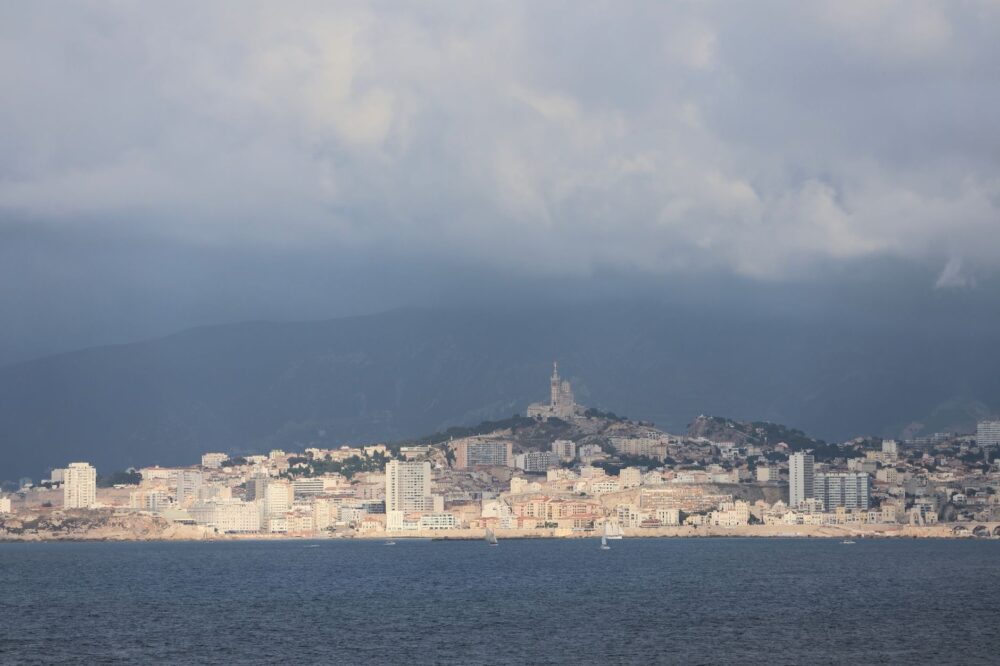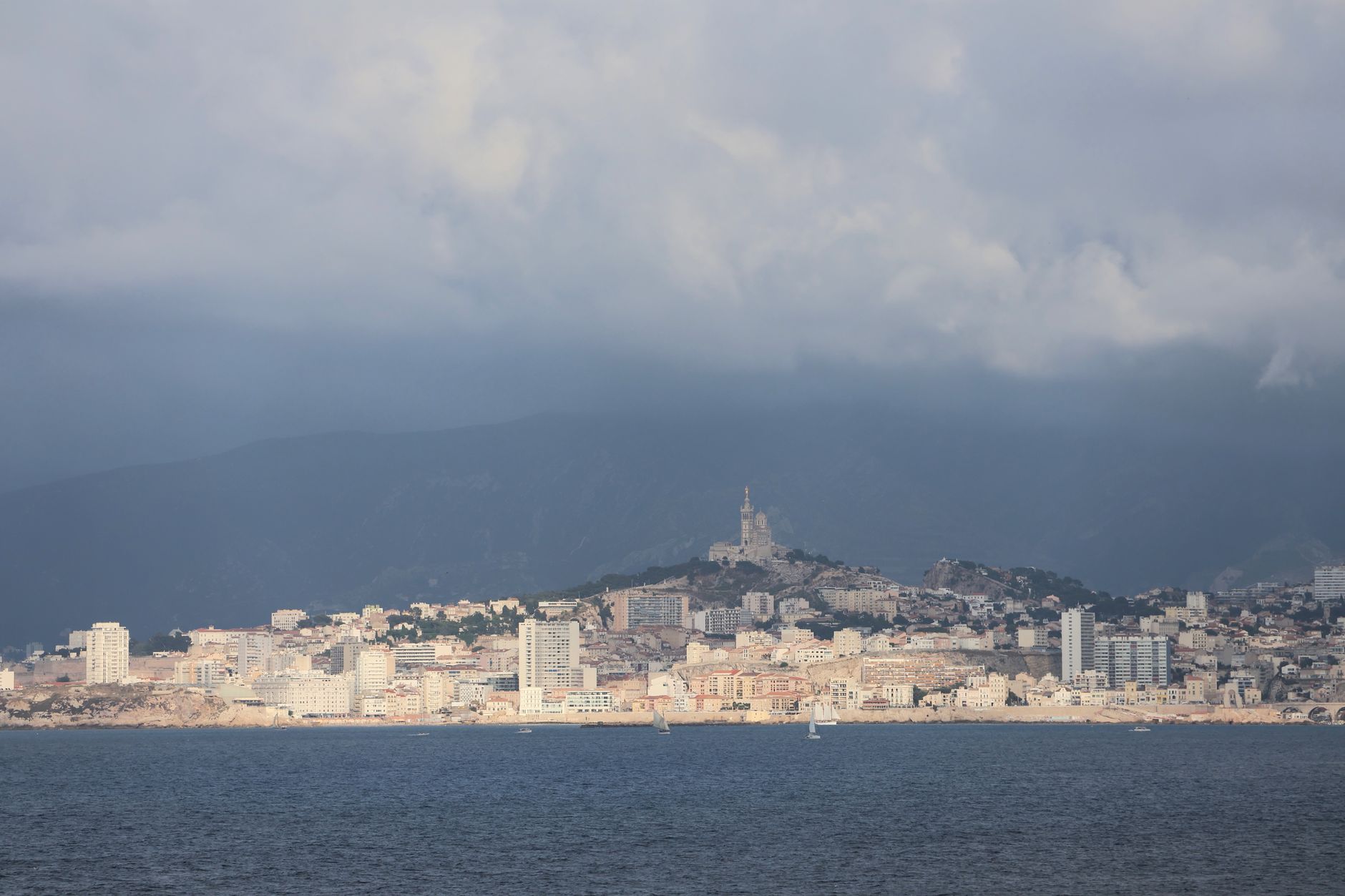

The Mediterranean coast of the French Provence conceals, behind the luminous facade of its fishing ports and the deep blue of its waters, an amphibious engineering challenge that has connected firm ground to marine abysses for over a century. In the vicinity of Cassis, where the white limestone walls of the Calanques plunge vertically into the sea, vertical transport has never been an aesthetic whim, but a vital necessity for survival and trade. Unlike the haughty Alpine summits or the dizzying geometry of other European ports, the funicular and inclined-plane system of this coastal strip responds to a logic of millimetric precision where water acts simultaneously as motor, brake, and center of gravity.
This report examines the network of mechanical accesses structuring the Provençal cliffs, unraveling the physics of their liquid counterweights, the backstory of their nineteenth-century builders, and the socio-economic impact of transforming impassable ravines into stable cabotage and sustainable tourism routes. Through local technical sources and Marseille naval engineering archives, we will trace the evolution of routes that continue to brave salt erosion and the strict conservation demands of one of Europe’s most rigorous national parks.
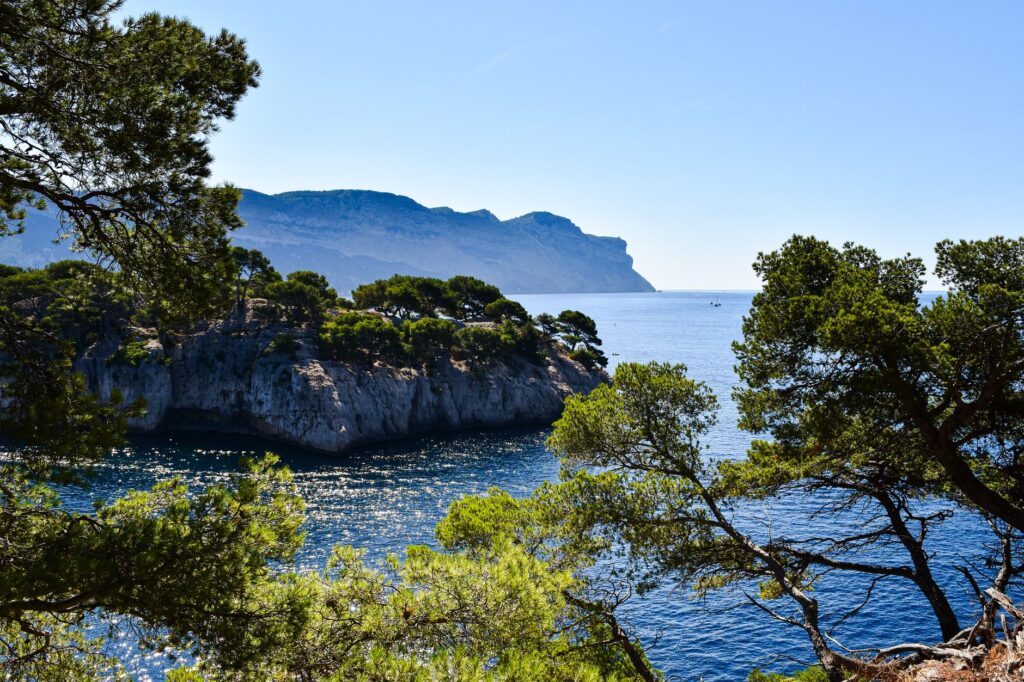
The Geography of Vertigo: Urgent Limestones and Impossible Slopes
Understanding the rationale behind these funiculars requires first looking at the geological substrate. The Cassis Calanques are not conventional coastal formations; they are karstic valleys flooded by the sea at the end of the last glaciation, flanked by limestone rock walls exceeding three hundred meters of vertical drop in many spots. For generations, access to coves like Port-Miou, Port-Pin, or En-Vau was restricted exclusively to smugglers, seasoned fishermen, and wild goats familiar with every nook of the ledges. By land, the dense Mediterranean scrub vegetation and the harshness of the terrain made any conventional road layout unviable.
By the late nineteenth century, the need to quarry white limestone—whose purity supplied monuments across France and North Africa—forced civil engineers to devise transport systems capable of overcoming eighty percent gradients without collapsing the slopes. This was not about moving passengers for recreational purposes, but about evacuating multi-ton stone blocks toward maritime loading docks. The first rudimentary pulley and hemp rope solutions rapidly evolved into metal rails anchored directly to the living rock via cold-forged steel bolts, laying the foundations for a unique vertical engineering culture on the Provençal coast.
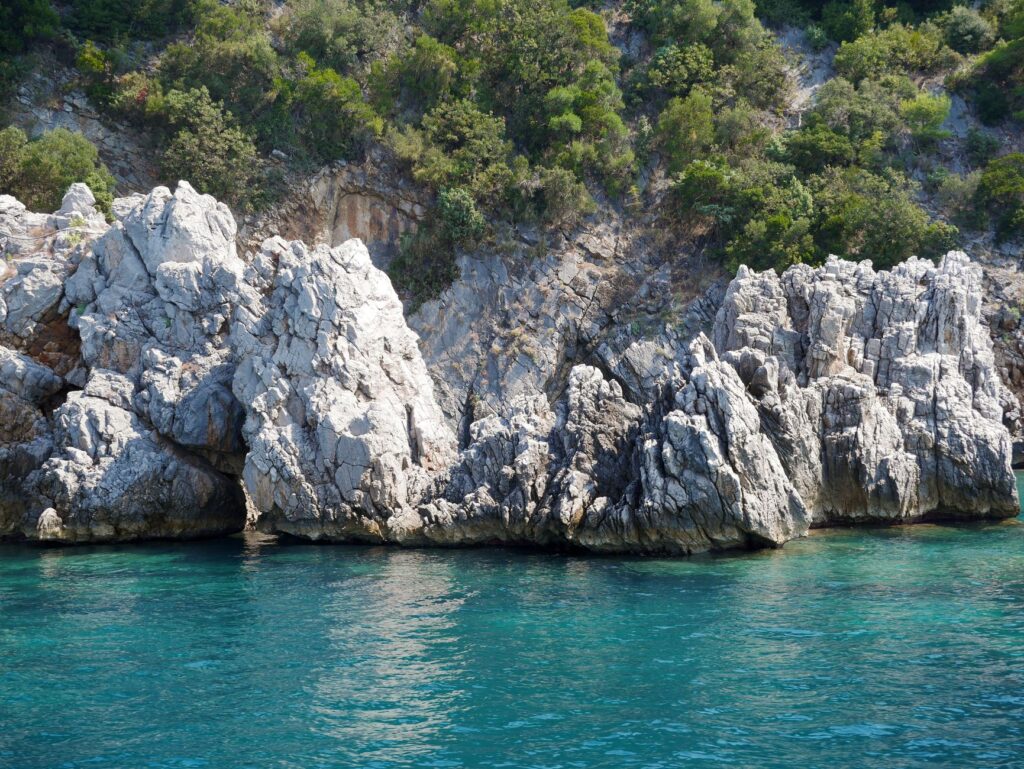
The Physics of Water: The Ingenuity of Hydraulic Counterweights
The most fascinating feature of this historic infrastructure lies in its propulsion system, which almost entirely dispenses with electricity or steam on its steepest stretches. Capitalizing on the principle of gravity and the scarcity of springs in the upper section of the cliffs, designers adopted a hydraulic balance mechanism. Each funicular consists of two parallel cabins linked by a steel cable running over a central braking pulley situated at the upper station. When the upper car needs to descend, its internal tanks are filled with water via a network of pipelines fed by high-altitude springs or rainwater catchment cisterns.
The added weight of the water turns the upper cabin into a gravitational motor that pulls, through cable tension, the lower car toward the summit. Upon arrival at the bottom, the accumulated water is automatically drained through discharge valves into the sea or into secondary irrigation systems, while the vehicle that has ascended repeats the cycle by reloading at the top. This perfect balance drastically reduced energy costs during an era of fossil fuel scarcity in the region.
The mechanical simplicity of water counterweights demonstrates that the most efficient sustainability is not a modern invention, but the fruit of intelligent adaptation to environmental limits.
Today, although some sections have incorporated auxiliary electric assist motors, the hydraulic gravity principle continues to operate in the main gears as a living testimony of a technology as clean as it is infallible.
The Transition to Sustainable Tourism and Flow Control
With the decline of quarrying activity in the mid-twentieth century, the funicular infrastructure faced its most critical juncture. Far from being abandoned as industrial scrap, these tracks underwent a model conversion driven by local administrations and environmental protection groups. The creation of the Calanques National Park in 2012 radically transformed the rules of the game: mass access via forest tracks was banned to prevent fires and protect endemic flora, turning the restored funiculars and coastal cabotage routes into the sole authorized corridors to manage tourist pressure.
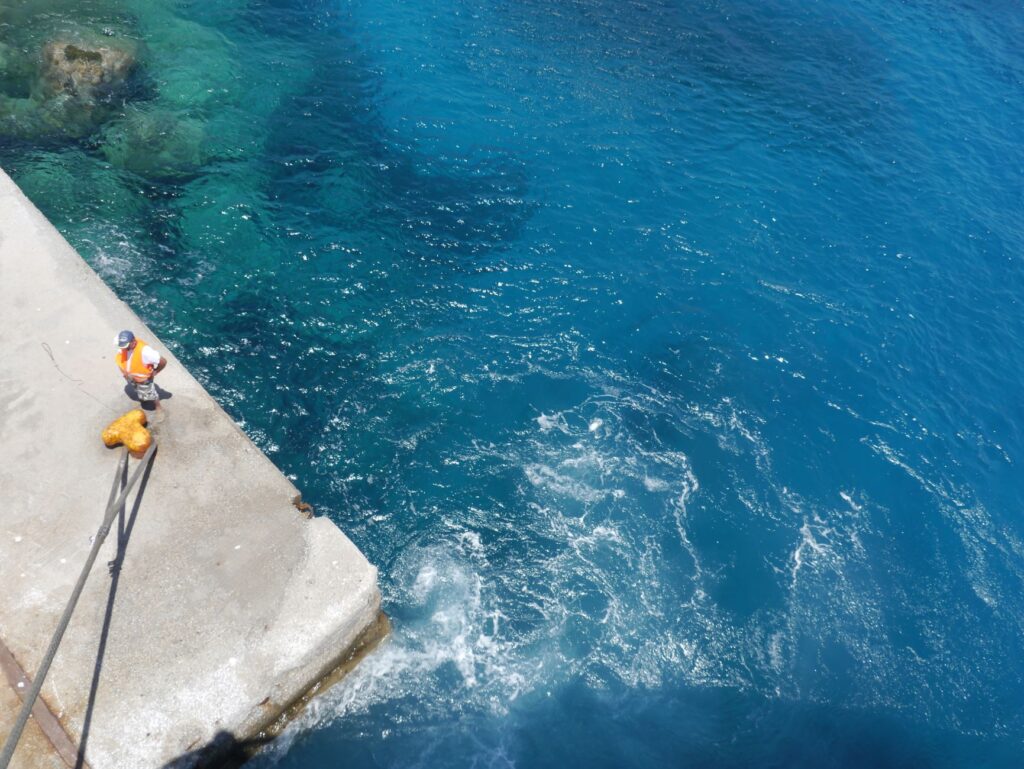
This transition has not been without operational tensions. Limiting daily capacity requires rigorous control over ticket sales and convoy cadence, operating at reduced speed to preserve the mechanical integrity of the centennial axles. Current operators perform artisanal maintenance, replacing treated oak railway ties and manually oiling the pulleys every dawn before the Provençal summer heat expands the metal components. It is a daily logistical ballet ensuring that thousands of annual visitors can descend right to the water’s edge without disturbing the fragile peace of the cliffs.
Invisible Architecture: Landscape Integration and Materials
Unlike large contemporary public works that impose their volumetry on the territory, the architecture of the Cassis funiculars seeks absolute mimicry. Departure and arrival stations are built from the same limestone extracted from the surroundings, using dry-stone masonry techniques that imitate traditional agricultural terraces known locally as faïsses. Gable roofs with salt-weathered Arabic tiles conceal the presence of lifting mechanisms from the gaze of sailors approaching from the open sea.
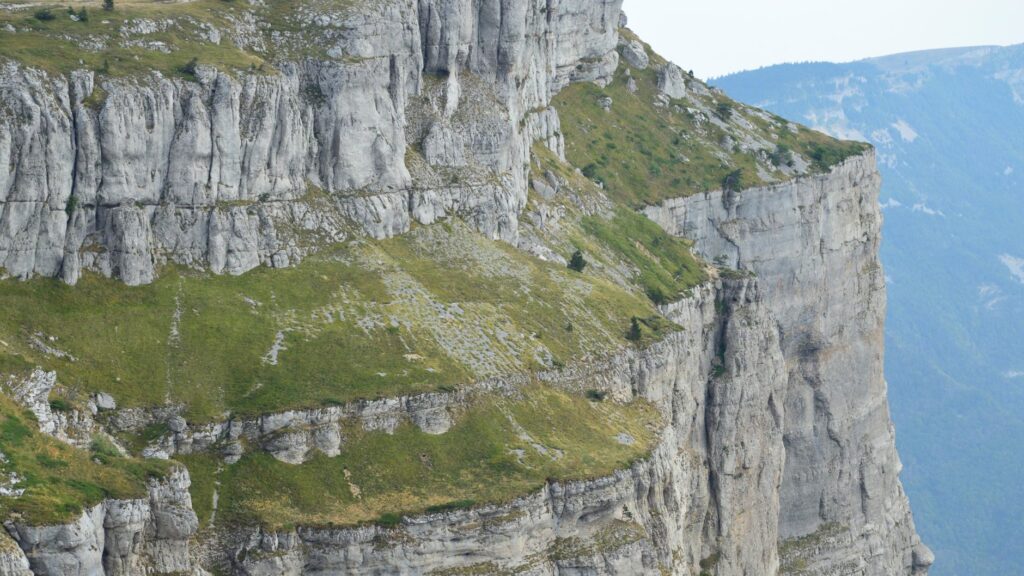
The rails themselves are painted with rust and dark gray primers that absorb sunlight, avoiding annoying glares and reducing visual impact on the white rock walls. This integration is not merely cosmetic; it responds to strict environmental specifications supervised by the architects of France’s historic buildings. Every screw, every section of wrought iron railing, and every steel cable obeys the principle that human work must subordinate itself to the grandeur of the karstic landscape sustaining it, proving that technological modernization need not clash with respect for natural heritage.
The Human Factor: Mechanics, Tower Keepers, and Oral Memory of the Slope
Behind the mathematical perfection of the cables and counterweights lies the human fabric sustaining the daily life of this transport network. The trades linked to the Calanques funiculars are often handed down from generation to generation, creating a lineage of technicians locally known as les gardiens de la pente (the guardians of the slope). These workers not only master electromechanics and fine turning, but possess an almost seismographic knowledge of rock behavior under thermal variations and mistral storms.
Jean-Luc Mercier, head of maintenance for the Port-Miou main line for over thirty years, recalls days when gusty winds threatened to derail empty cars.
The cliff speaks if you know how to listen to the creaking of bolts; the mountain is never completely still, and our job is to dance to the rhythm of its small daily movements.
This symbiotic relationship between operator and abyss endows the journey with a profoundly human dimension, distancing it from the cold impersonality of automated urban transit systems.
Practical guide
- How to get there: Cassis features excellent rail connections from Marseille and Toulon via the regional TER network. The Cassis train station is situated about three kilometers from the port, a distance bridged by seasonal shuttle buses.
- Best time to visit: Spring months (April to June) and early autumn (September to October) offer optimal temperatures and fewer crowds, avoiding the strict wildfire risk restrictions common in mid-summer.
- Access operation: The use of the cliff funiculars and elevators is subject to Calanques National Park regulations. Purchasing combined transport passes at the Cassis port tourist office is strongly recommended.
- Requirements and restrictions: Descending slopes outside marked trails or authorized mechanical tracks is strictly prohibited. Wait times vary according to the maximum capacity of the hydraulic cabins.
- Accommodation and context: Staying in small family-run hotels in the historic center of Cassis is advised to grasp the maritime pulse of the town before initiating vertical routes toward the coves.
Visual Epilogue: The Last Glimmer Over the Deep Blue
As the afternoon begins to wane and the setting sun bathes the limestone masonry walls in an intense amber tone, the rhythm of the funiculars slows down to an almost complete stop. In that moment of suspended silence between sky and sea, the empty cabins rest on their masonry platforms, rocked gently by the salty breeze rising from the depths of the gulf. The silhouettes of Aleppo pines trace a millimetric outline against the glowing horizon, while the water from the counterweights flows lazily toward rock crevices. It is the moment when human engineering finally merges with the eternal memory of the Provençal coast, reminding us that the true luxury of travel is not the speed at which we move, but the depth with which we can tune into the invisible heartbeat of the land sustaining us.