
The Reconquest of Green Flow in the Heart of the Peninsula
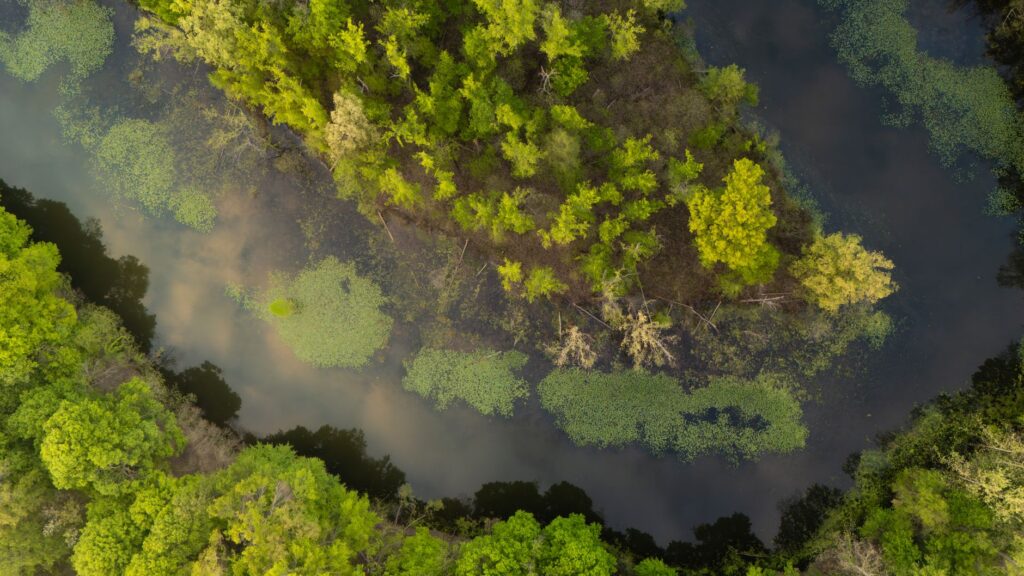
Water never forgets its course, even though for decades artificial dams and intensive channelization have attempted to straitjacket it in a concrete straightjacket. In the upper stretch of the Ebro, where the river still flows with the freshness of its Pyrenean youth before widening into the plateau depression, a radical paradigm shift is rewriting the relationship between human communities and their riverine environment. This is not a superficial landscaping intervention, but a structural effort involving the dismantling of obsolete infrastructure and the renaturalization of the river groves that once formed an uninterrupted ecological corridor.
During the second half of the twentieth century, the rush to gain land for intensive farming and the obsession with preventing floods through rigid dikes stripped the Ebro of its natural riparian forests. Native willows, poplars, ash trees, and alders were systematically uprooted, making way for monocultures stretching right to the water’s edge. This hydrological disconnection not only impoverished biodiversity—annihilating the habitat of emblematic species like the European mink and numerous shorebirds—but paradoxically increased the risk of catastrophic flooding by eliminating the natural flood-mitigation capacity exercised by floodplains and mature groves.
Today, however, the landscape is beginning to regain its structural complexity. Thanks to European environmental recovery funds and coordinated pressure from local groups, more than three hundred hectares of degraded riverbanks have been restored. This process demands a profound cultural shift, especially within the traditional farming sector, which for generations viewed the riparian forest as unproductive clutter or a refuge for pest species. Proving that a living river better protects crops against extreme erosion is the primary scientific and social triumph of this region.
The Science of Revegetation: Beyond Planting Trees
Restoring a river ecosystem does not simply mean scattering willow stakes haphazardly along the bank. Technicians from the Hydrographic Confederation and local conservation foundations employ soil bioengineering techniques that demand rigorous ecological planning. Natural slope profiles are restored, concrete riprap walls are removed, and the river is allowed to carve out its own natural meanders once again, oxygenating the water and creating backwater zones where fish can spawn without the suffocating stress of straightened currents.
One of the keys to this botanical success lies in the recovery of native plant diversity. Species with complex root systems that act as authentic containment meshes against sudden floods are prioritized. White poplar, black poplar, and disease-resistant elms now form a dense fringe that filters agricultural nitrate runoff before it reaches the main channel. This natural biological filtering has drastically reduced episodes of eutrophication and massive algae blooms that once suffocated aquatic fauna during the summer months.
True river restoration does not seek to return the river to an idyllic and unchanging past, but to equip it with the necessary resilience to adapt on its own to the unpredictable climate extremes of the twenty-first century.
In addition to arboreal flora, the recovery of the understory with thorny shrubs and native climbing plants has favored the return of medium-sized mammals and birdlife once considered in retreat across the region. Temporary ponds created through the controlled disconnection of old oxbow lakes have become vital resting areas for migratory bird routes linking northern Europe and North Africa, turning this river strip into an international-class ornithological observatory.
Territorial Custody: When the Farmer Becomes Guardian
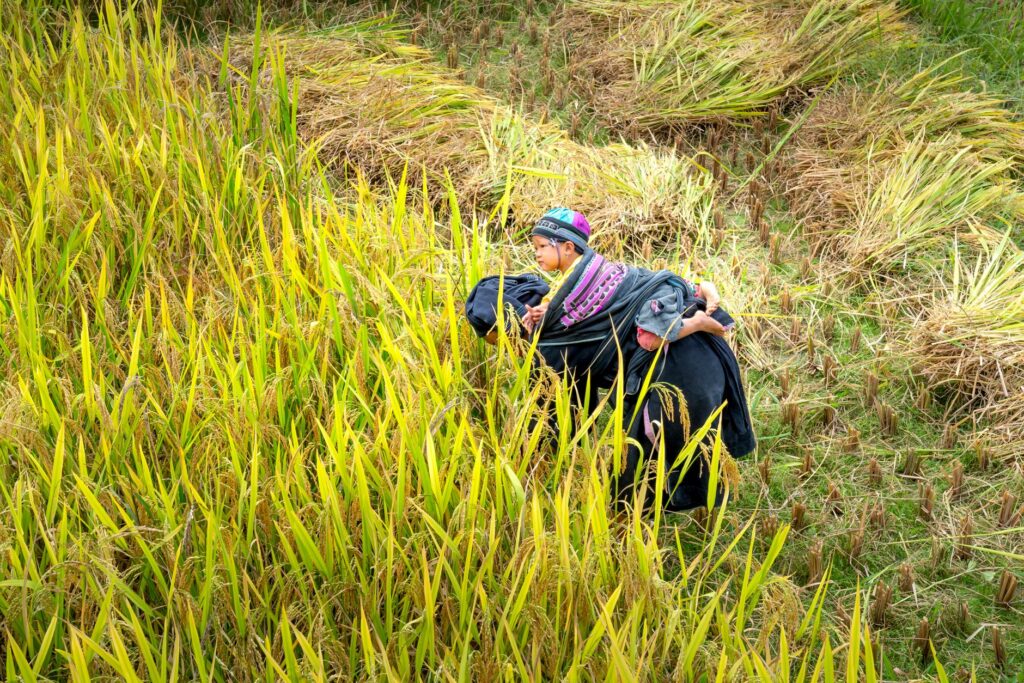
No top-down governmental guideline would have succeeded without the direct involvement of neighboring landowners. The concept of territorial custody has been the social glue making possible a truce between agricultural production and conservation. Through voluntary custody agreements, farmers receive financial compensation and technical advice to set aside a strip of land between ten and fifty meters wide closest to the river for the natural regeneration of the gallery forest, integrating these zones into their sustainable management plans.
This collaborative approach dispels historical mistrust toward centralized environmental regulations, which were often perceived as impositions alien to the economic reality of rural life. Today, farmers participate in monitoring committees tracking the river’s ecological status, collaborating in the control of aggressive invasive plant species such as giant reed or tree of heaven. Their deep knowledge of seasonal flood regimes complements scientists’ predictive models, generating an early warning system against pollution episodes or severe droughts.
The integration of traditional extensive livestock farming also plays a decisive role in maintaining this equilibrium. Controlled grazing by native cattle and equine breeds in bordering pastures helps keep excessive scrub undergrowth at bay without heavy machinery or chemical herbicides, reducing the risk of summer wildfires and fostering the natural dispersal of seeds throughout the entire river corridor.
Scientific Tourism and Low Impact: Rediscovering the Bank
The ecological rebirth of the upper Ebro has not gone unnoticed by a new profile of traveler seeking deep immersion in nature without succumbing to mass tourism. Far from large resorts and urban overcrowding, the region has embraced an ecotourism model based on scientific landscape interpretation, low-speed cycling along greenways reclaimed from old railway infrastructure, and respectful wildlife observation.
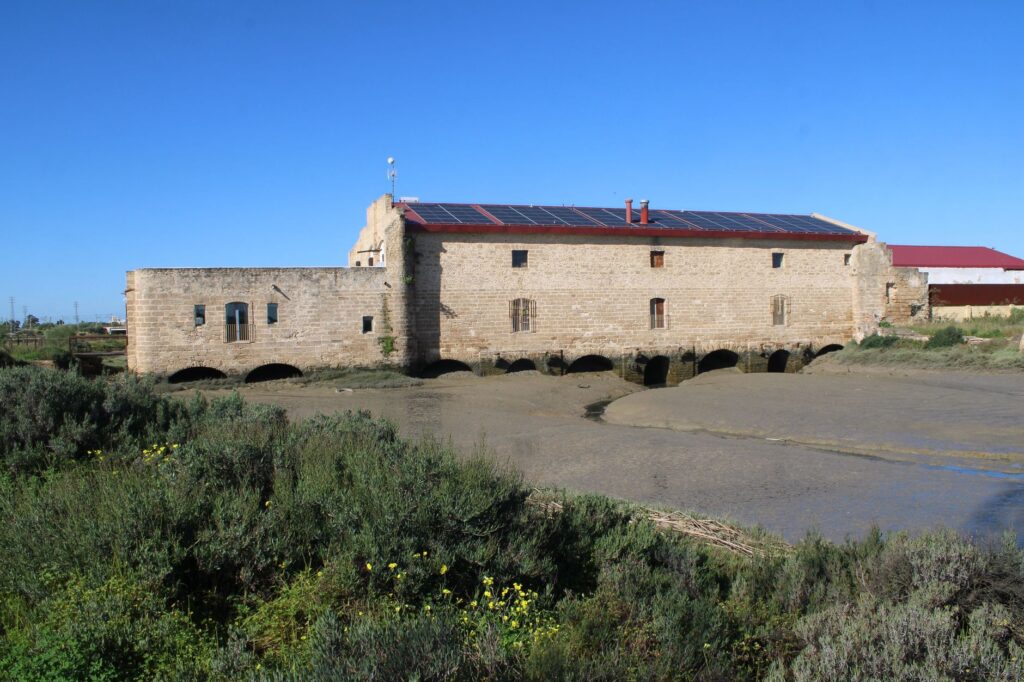
Abandoned flour mills standing beside the river have been restored using bioclimatic criteria to serve as interpretation centers and sustainable tourism hostels. In these spaces, visitors can participate in botanical identification workshops, scientific bird-ringing volunteer programs, or low-impact kayaking tours that minimize any disturbance to aquatic fauna. This steady yet moderate flow of visitors provides an alternative source of economic income for riparian villages, revitalizing small guesthouses, artisanal bakeries, and local guides.
The key to this tourism offering lies in strict regulation of carrying capacities. Motorized activities in the channel or its immediate surroundings are prohibited, and interpretation trails are designed with elevated boardwalks in the most fragile sections to protect damp soils from compaction. Thus, the visitor assumes an active role as a co-guardian of environmental preservation, understanding that the value of the landscape lies precisely in its intact fragility.
Practical guide
How to get there: The main access to the upper Ebro region is via the A-68 highway and the secondary road network connecting with Logroño and Miranda de Ebro. For a fully sustainable experience, the regional rail network to local stations followed by electric bike rentals is strongly recommended.
When to go: Spring (April to June) offers peak botanical splendor with optimal water flows and birds in full breeding season. Autumn (October to November) stands out for the chromatic explosion of the groves and migratory bird traffic.
Where to stay: Prioritize rural houses certified with sustainable tourism labels and rehabilitated old mills managed directly by local communities linked to the river custody project.
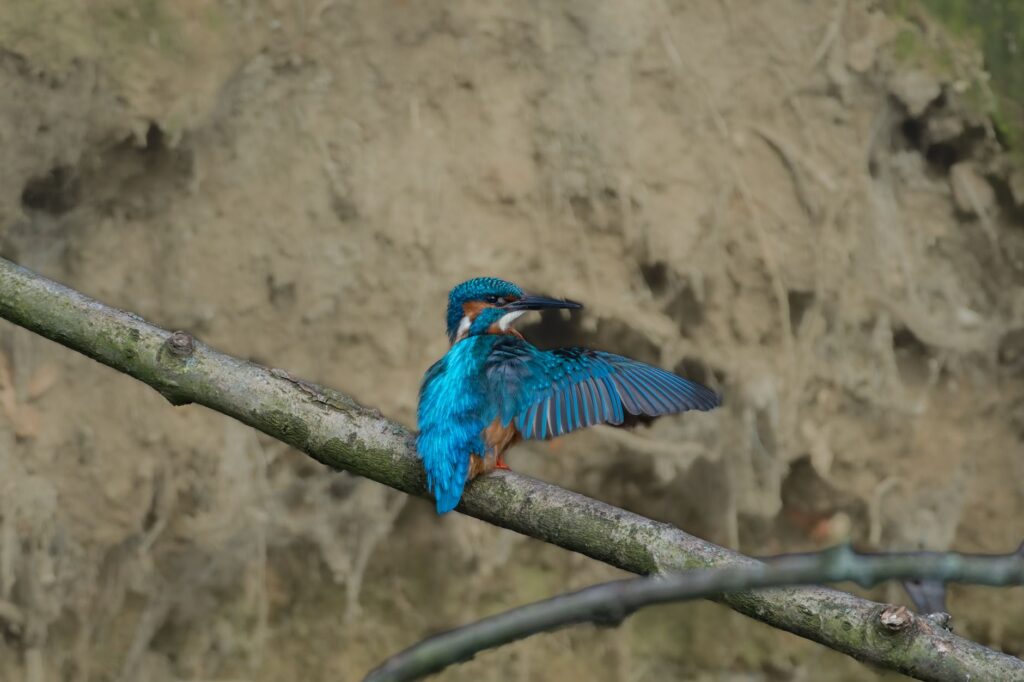
What to do: Ride the Ebro greenway by bicycle, book a guided low-impact kayak descent with local groups, and visit the nature interpretation centers located in the old flour mills.
The Emotional Pulse of a River Learning to Breathe Again
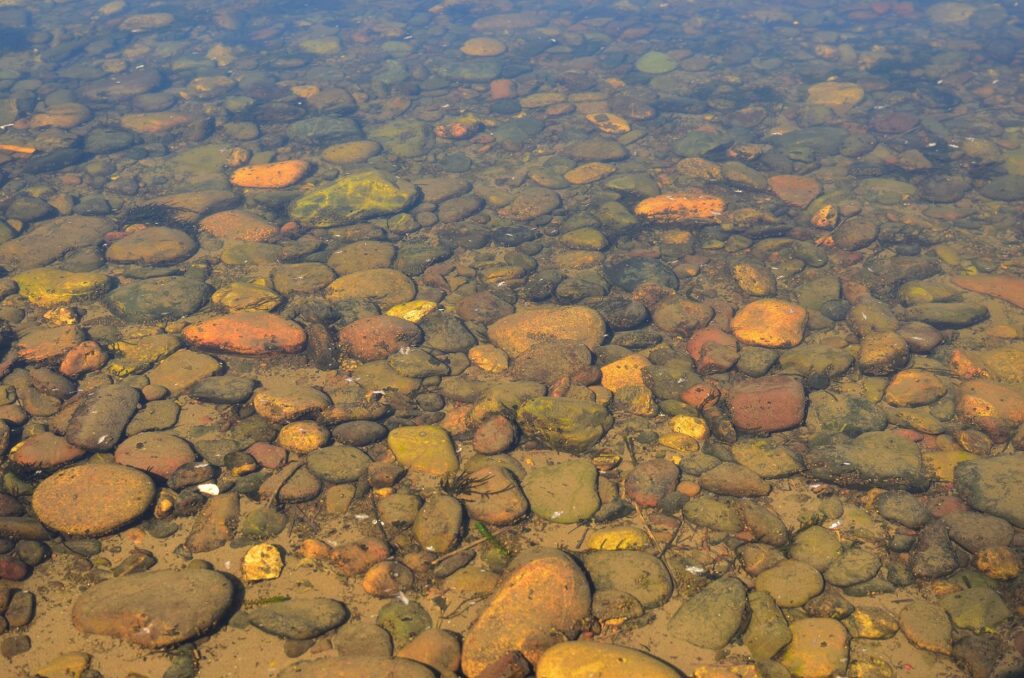
Sitting at dusk on a pebble embankment in this restored stretch of the Ebro is to witness a daily miracle of biological resilience. The air smells of clean moisture, wet willow bark, and tall grass swaying once more in the evening breeze. Where barely a decade ago only monotonous rows of intensive crops choked the bank with plastics and fertilizers, a lush corridor of life now stands, whispering stories of reconciliation between humanity and its natural environment.
This restored landscape is not an untouchable museum, but a living organism beating to the rhythm of the seasons and the collective will of its inhabitants. Seeing an otter glide silently beneath the submerged branches of an ancient poplar, one understands that a territory’s true wealth is not measured by its capacity for dominion over nature, but by its ability to heal the wounds of the past and let the water finally find its own path toward the future.