

Across the vast and desolate expanses of the Pamir Mountain Range, where the sky acquires a deep cobalt hue and the air is both a scarce and freezing resource, wildlife has developed extraordinary strategies for endurance. Above three thousand five hundred meters of elevation, the wind-scoured plateaus and summer pastures harbor one of the most emblematic mammals of Asian heights: the steppe marmot and its high-mountain relatives. This report examines the nival ecology of these social rodents, whose role as ecosystem engineers proves vital for soil stability and biodiversity in one of the most inaccessible mountainous regions on the planet.
Rigorous study of these populations reveals how animal species manage to thrive in environments where winter temperatures plummet far below forty degrees Celsius below zero. Through the analysis of colonial behavior, complex alarm vocalizations, and a prolonged hibernation cycle, contemporary conservation biology seeks to decipher the resilience thresholds against current climatic variability. The highlands of Tajikistan offer not only a landscape of stunning geomorphological beauty, but also an irreplaceable natural laboratory for understanding extreme adaptation.
Geography and tectonics of the Pamir: the roof of Asia
The Pamir Range rises as a monumental orographic knot where some of the Earth’s most imposing mountain chains converge, including the Karakoram, the Hindu Kush, and the Tian Shan. This region, historically known as the roof of the world, features elevated plateaus known as bam-i-dunya, traversed by deep river valleys and peaks that easily exceed seven thousand meters in height. The geology of the area is dominated by metamorphic and granitic rocks subjected to intense tectonic compression processes, resulting from the ongoing collision between the Indian and Eurasian plates.
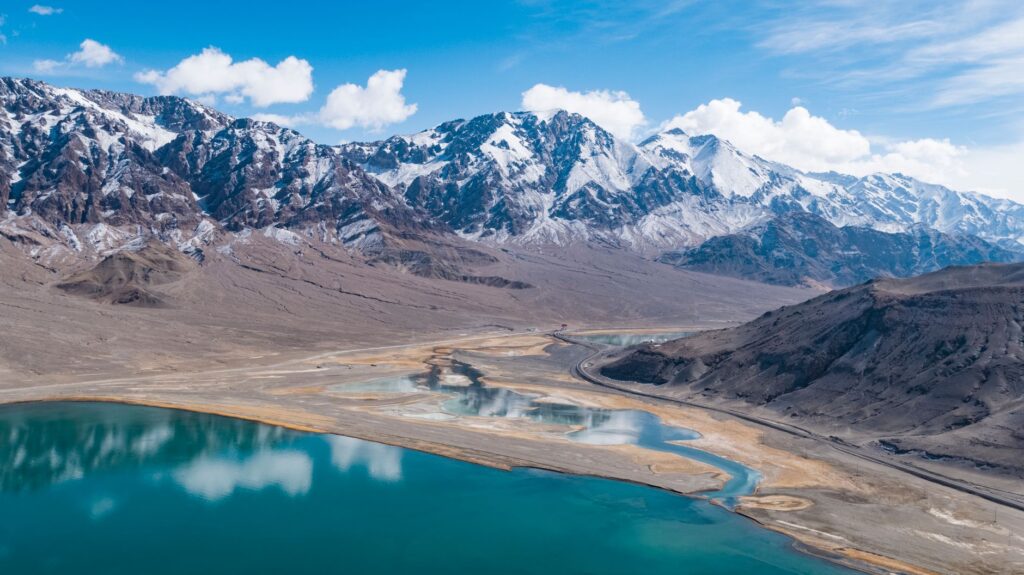
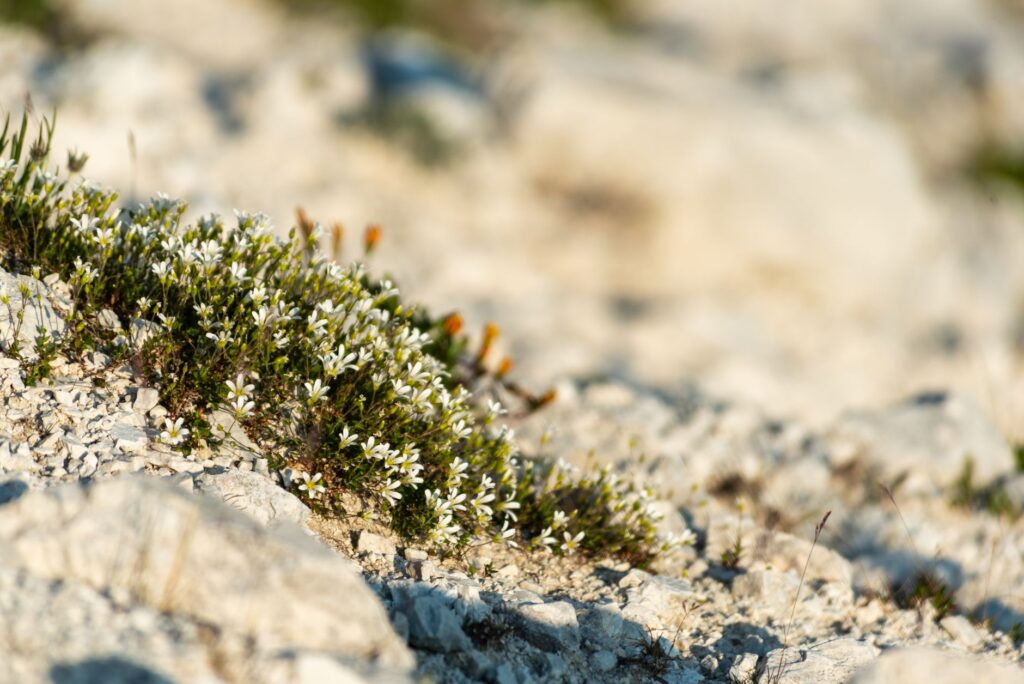
Climate conditions in this sector of Central Asia are intensely continental and arid. Annual precipitation is scarce and concentrates primarily as snow during long winters. Summer solar radiation is intense, contrasting sharply with nighttime freezing. This severe thermal regime absolutely conditions the phenology of alpine vegetation, limited to small woody cushions, hardy grasses, and cushion plants that must complete their reproductive cycle in barely two or three months of snowmelt.
Biology and social behavior of marmots
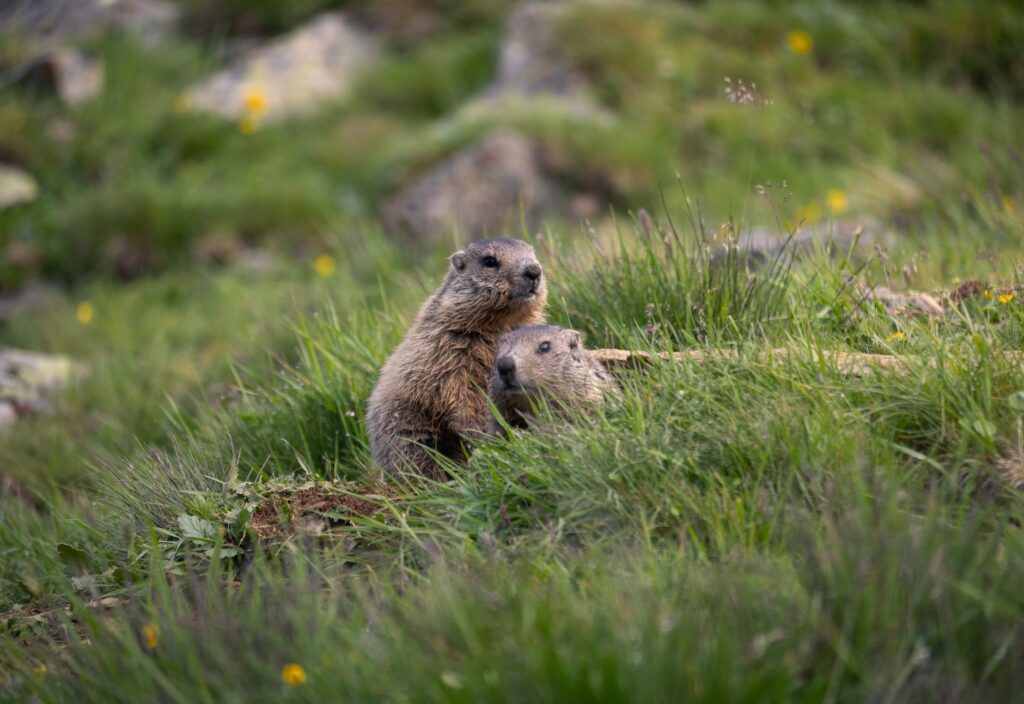
The marmots inhabiting the high-altitude grasslands of the Pamir belong to genera specifically adapted to subterranean life within complex burrow systems. These large rodents exhibit a plump body, short yet robust limbs equipped with strong claws for digging, and a dense coat that acts as a perfect thermal insulator. Their social organization is eminently colonial, structured into extended family clans that defend a communal territory rich in food resources during the short summer season.
Acoustic communication constitutes one of the pillars of their survival. They emit sharp, piercing whistles in the presence of potential aerial predators, such as the golden eagle, or terrestrial ones, such as the gray wolf and the Tibetan fox. This early warning system allows the group to rapidly take refuge in the underground gallery network. During the summer, daily activity is strictly divided between intensive feeding to accumulate body fat reserves and constant environmental surveillance.
Subterranean architecture: burrows as microclimates
The winter survival of these rodents depends directly on the engineering of their burrows. The excavations are not mere temporary hiding places, but complex underground labyrinths that can descend several meters beneath the soil surface, reaching layers where temperature remains stable above freezing point thanks to geothermal heat and the insulation provided by rock and earth.
Within this system, marmots construct hibernation chambers lined with dry grass gathered during summer. The design includes emergency exits and plugs made of compacted soil and excrement that seal the tunnels during the coldest months. This bioclimatic architecture protects animals from extreme external thermal fluctuations and direct predation, allowing the entire community to reduce its metabolism to minimal levels during winter torpor.
Hibernation: physiology of extreme torpor
The hibernation process is one of the most fascinating physiological phenomena in the animal kingdom. In the heights of the Pamir, this period can last up to eight months a year, from the first snowfalls of September or October until the return of the thaw in May. During this time, the marmot undergoes a drastic reduction in heart rate, dropping from over one hundred beats per minute to barely two or three, while body temperature falls to approximate that of the subterranean environment.
This state of torpor is not continuous; individuals experience periodic arousals every few weeks to restore brain function and eliminate metabolic waste products through brief increases in body temperature. The energy required for these arousals and for basic maintenance during winter months comes exclusively from brown and white fat voraciously accumulated during summer. Any climatic alteration causing premature thaws or moisture infiltration into chambers can severely compromise colony survival.
Ecological role as ecosystem engineers
Beyond their individual biological interest, marmots act as true engineers of alpine ecosystems. Their constant digging activity moves tons of soil, modifying local topography, improving soil aeration, and facilitating rainwater and snowmelt infiltration. This bioturbation process enriches surface nutrients, creating particular microhabitats where plant species proliferate that would not grow on surrounding sterile slopes.
Likewise, their presence in the trophic chain is fundamental. By constituting significant animal biomass in an environment of low primary productivity, they sustain threatened top predators, such as the snow leopard and the Himalayan brown bear, as well as numerous raptors. The health of marmot populations is therefore a direct indicator of the stability of the food web in fragile Asian high-mountain ecosystems.
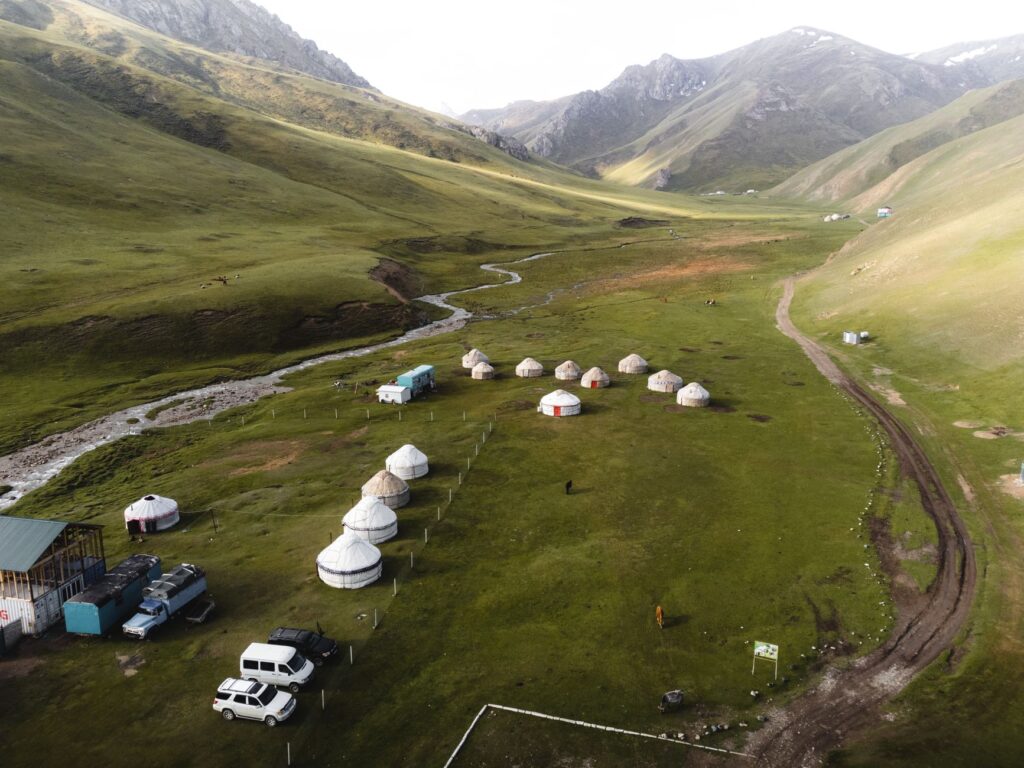
The conservation of high-altitude grasslands in Central Asia requires a delicate balance between wildlife protection and the maintenance of traditional nomadic pastoralism practices, which are fundamental for preserving natural ecological corridors.
Anthropogenic pressures and conservation on the Tajik border
In recent decades, the high-altitude ecosystems of the Pamir have begun experiencing significant pressures derived from climate change and the intensification of human activities. The generalized temperature increase in high-mountain regions is altering precipitation regimes, causing earlier snowmelts and affecting freshwater availability for alpine vegetation. In turn, local poaching and resource competition with domestic livestock belonging to Kyrgyz and Tajik herders generate friction at the margins of protected areas.
Current conservation programs focus on creating transboundary ecological corridors and monitoring colony demographics through remote sensing techniques and visual foot censuses. Collaboration with local communities is essential to foster low-impact nature tourism and mitigate conflicts arising from livestock depredation, ensuring that human populations and wildlife share the territory sustainably.
Practical guide
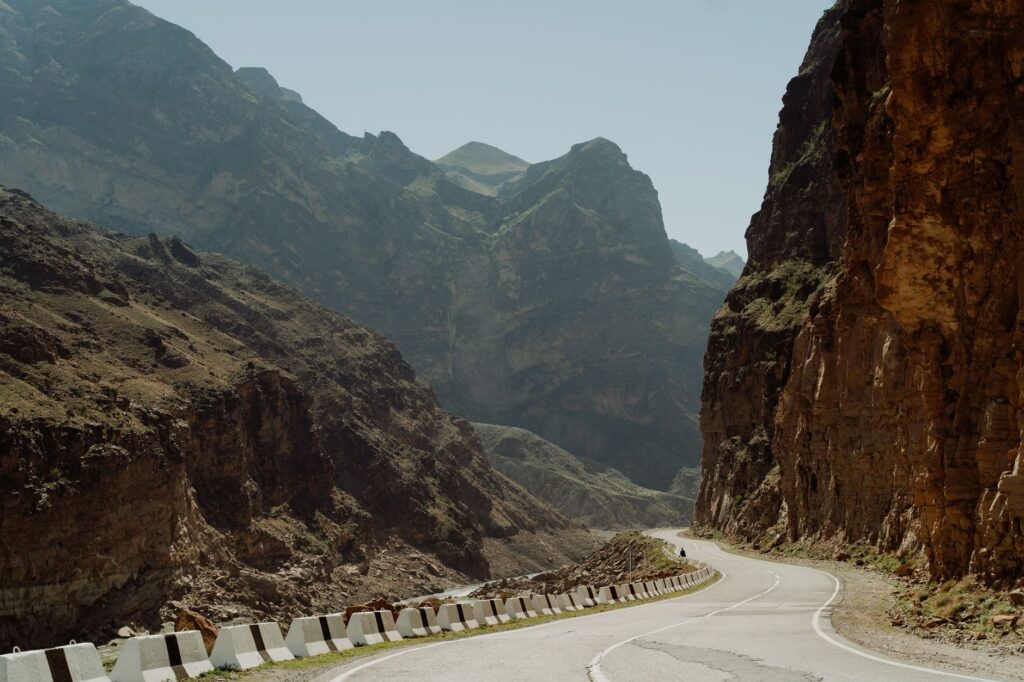
How to get there: The primary gateway to the Gorno-Badakhshan Autonomous Region is the city of Dushanbe, the capital of Tajikistan. From there, access to the Pamir highlands is carried out exclusively by road via the legendary Pamir Highway (M41), a journey requiring four-wheel-drive vehicles and several days of gradual acclimatization.
Best time to visit: The optimal months for wildlife viewing and high-mountain trekking extend from June to September. During this period, mountain passes are snow-free and marmots are in full summer activity.
Permits and regulations: Securing a special permit to enter the Gorno-Badakhshan region (GBAO) is mandatory and must be requested alongside the national visa. Disturbing wildlife or approaching closer than fifty meters to active colonies is strictly prohibited.
Recommended equipment: Layered technical clothing is required to withstand drastic temperature variations between day and night, mountain footwear with high-traction soles, high-power binoculars or spotting scope, and water purification systems.
Epilogue: the perennial silence of the summits
Contemplating a marmot standing upright upon a greyish rock in the heart of the Pamir, surveying the infinite horizon while the sun begins to dye eternal snows with fire, is an experience transcending simple wildlife sighting. It reminds us of life’s infinite capacity to find crevices of existence in the most hostile places on the planet. In the immense quietude of these elevated plateaus, the conservation of each high-mountain species stands as a reminder of our shared responsibility in protecting Earth’s last wild sanctuaries.