
Origins and Cartography of an Ancient Route Between Two Worlds
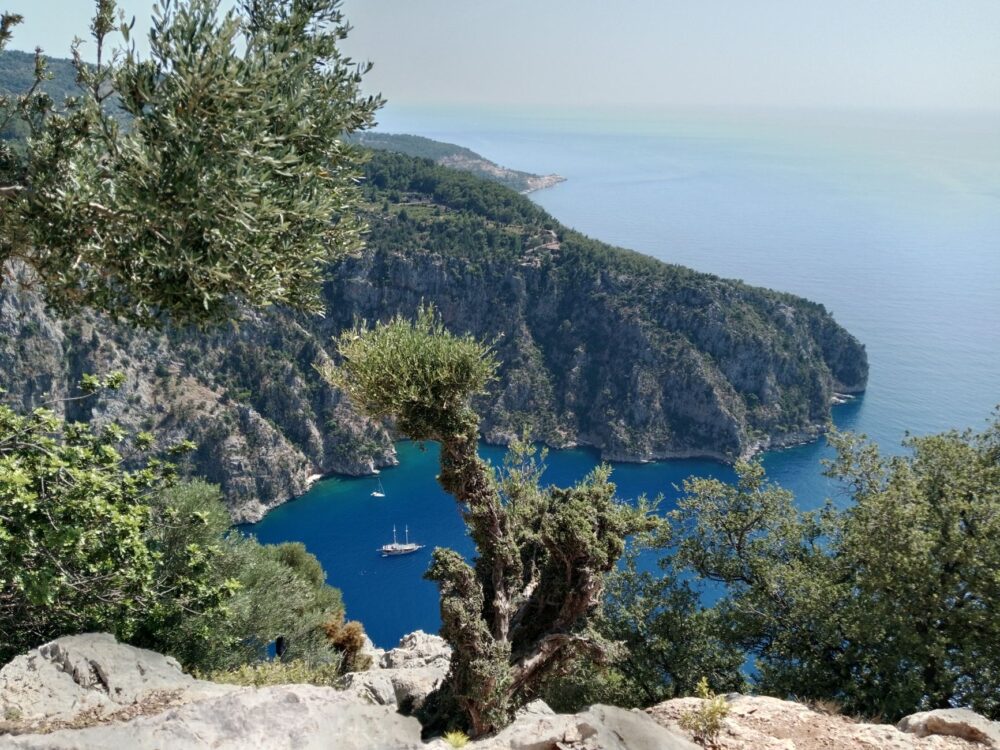
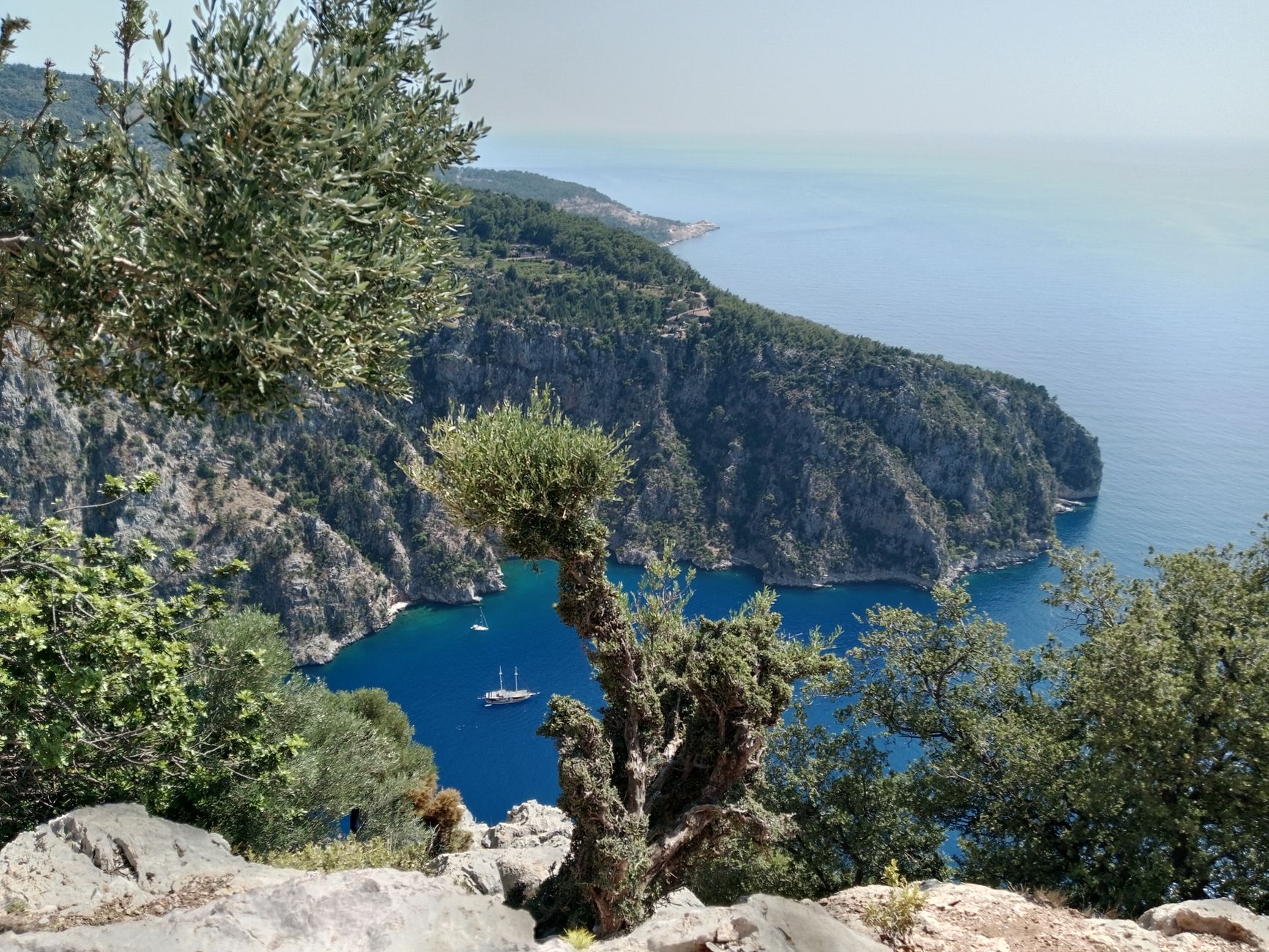
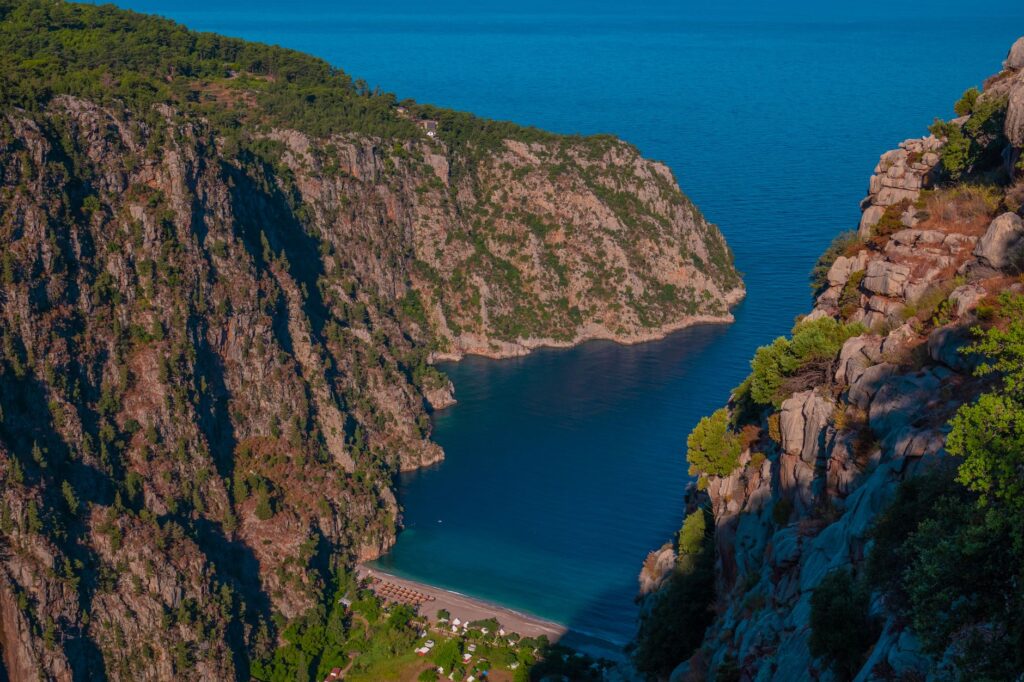
The Lycian Way represents far more than a simple long-distance walking route along Turkey’s southern coast. Originally mapped in the late 1990s by British historian and activist Kate Clow, this trail spans over five hundred kilometers, connecting Fethiye to Antalya by winding along limestone cliffs that plunge precipitously into the turquoise waters of the Mediterranean Sea. The Tekke Peninsula, the historical region where the Lycian Federation—one of history’s earliest federal democracies—flourished, offers rugged terrain where every day of hiking bridges the gap between wild nature and the ruins of forgotten civilizations.
Planning this traverse requires understanding that the path is not a modern mountain infrastructure, but rather a mosaic of bridle paths, ancient Roman stone roads, shepherd trails, and forest tracks. The technical complexity of the terrain lies in its relentless sawtooth profile: hikers continually descend from limestone plateaus sitting a thousand meters above sea level down to pristine coves, only to climb back up stone-paved slopes under the blistering Anatolian sun. Available cartography, though improved in recent years through official red-and-white trail markers, demands the supplementary use of GPS systems and detailed topographic maps to prevent misdirection at junctions with private forestry roads.
Lycian geographical singularity lies in its historical isolation. For centuries, the mountains of the Western Taurus dropped straight into the sea, turning the coastline into a labyrinth of capes and gulfs inaccessible by land. This allowed entire cities such as Patara, Xanthos, Myra, Simena, and Olympos to maintain cultural independence until their eventual absorption by the Roman Empire. Today, walking this coastal corridor means stepping literally over rock-cut necropolises, anthropoid sarcophagi scattered among wild olive scrub, and half-submerged aqueducts choked by Mediterranean vegetation, turning every hiking day into a profound lesson in field archaeology.
The Strategy of Logistics, Supply, and Autonomy on the Trail
One of the greatest appeals and logistical challenges of the Lycian Way is the relative self-sufficiency required of the expeditioner. Unlike long-distance routes in Central Europe or North America, which feature serviced mountain huts, the Lycian traverse weaves through small farming villages, family-run guesthouses, and wild coastal campsites. This means mountaineers must calculate water and food weights with mathematical precision, especially on stages crossing upper limestone ridges where natural springs are scarce or entirely dry during the summer months.
Potable water supply is the critical factor determining the success or failure of each stage. During spring, seasonal streams and traditional fountains ease hydration, but from June onward natural sources dwindle sharply. Interior rural villages such as Geyikbayırı, Çıralı, or Üçağız feature small local shops stocked with basic pantry items—bread, goat cheese, olives, and canned goods—yet they do not guarantee specialized technical gear or high-calorie trekking rations. Consequently, carrying a water filtration or chemical purification system is essential for utilizing rural cisterns and ancient fountains.
A backpack on the Lycian Way should never exceed twenty percent of the hiker’s body weight; the radiant heat of the limestone rock and the lack of shade on elevated sections turn every extra kilo into a critical factor of fatigue and dehydration.
The accommodation infrastructure is hybrid. Completing the entire route while staying in small family-run guesthouses, locally known as pansiyon, is entirely feasible and significantly lightens backpack weight by eliminating the need for a tent, heavy mountain sleeping bag, and sleeping pad. However, this style requires advance telephone reservations, particularly during April, May, September, and October when international hiker numbers peak. For purists of autonomous camping, local regulations permit wild camping in unrestricted areas, though extreme caution regarding forest fires—a constant threat in the Calabrian pine forests covering the coast—is mandatory.
Climatology, Weather Windows, and Heat Stress Management
The Mediterranean climate of Turkey’s southern coast imposes a strict seasonality that entirely dictates expedition viability. Summers in the Antalya and Muğla regions are intensely hot and dry, with temperatures regularly surpassing forty degrees Celsius during midday hours, making continuous progression across exposed, treeless slopes dangerous. Therefore, the optimal weather windows for undertaking the Lycian Way are concentrated in spring—from March to May—and autumn—from September to November.
During autumn, the Mediterranean retains a warm swimming temperature ideal after trekking days, and local fruit stalls overflow with freshly harvested pomegranates and oranges. In spring, the fields burst into color with wild orchids and aromatic herbs, while streams rush down from the snow-capped peaks of Mount Tahtalı. Nevertheless, spring also brings greater meteorological instability, with sudden thunderstorms and strong coastal winds capable of complicating progression along exposed cliff sections.
Managing heat stress and solar radiation is a safety element that cannot be underestimated. The limestone terrain acts as a massive natural reflector, multiplying the impact of sunlight on the hiker. High-spectrum sunscreen, category 3 or 4 sunglasses, wide-brimmed hats, and moisture-wicking long-sleeve technical shirts are mandatory. Furthermore, marching should begin at dawn, around six in the morning, to complete at least two-thirds of the planned elevation gain before the sun reaches its zenith at noon.
Topography and Technical Difficulty: From Sea Level to Limestone Peaks
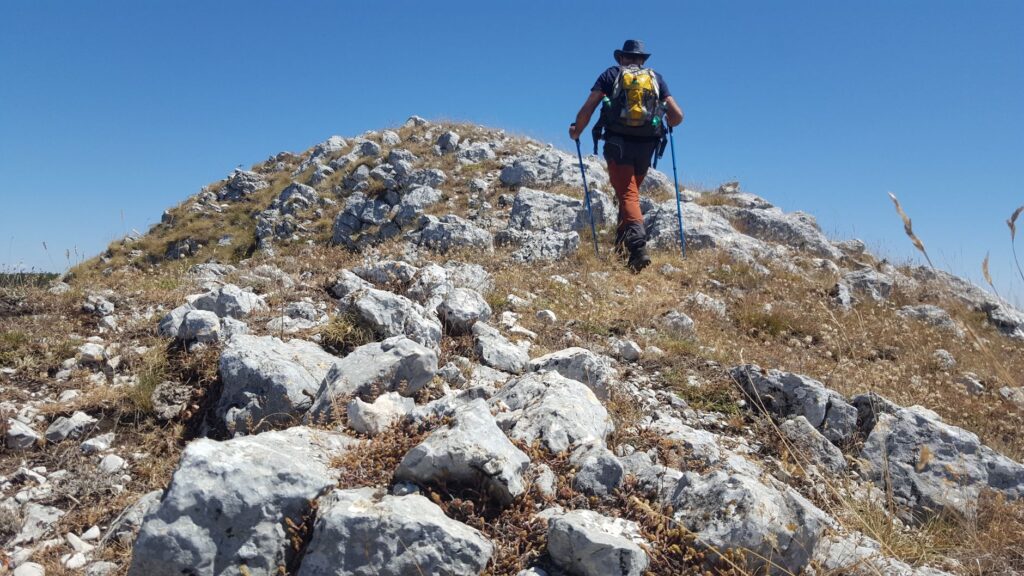
The topographic profile of the Lycian Way presents a fascinating geomorphological diversity requiring technical versatility from the trekker. The route combines flat beach walks with steep climbs over unstable scree and ridge sections where exposure to drops is real. While the trail demands no technical rock-climbing skills or ropes, specific sections—such as the descent into the Saklıkent gorge or the ascent to Mount Olympus—require constant hand use to maintain balance on steep slopes of polished limestone.
Footwear is unquestionably the most decisive piece of equipment. Mid or low-cut boots with high-traction soles effective on both wet and dry rock are preferable to overly lightweight trail running shoes due to the abrasive nature of limestone scree and thorny scrub such as kermes oak and wild berry bushes. Telescopic trekking poles with tungsten tips are indispensable both for absorbing joint impact on long thousand-meter descents and for securing footing across loose stone sections.
Navigation, though marked with official international trail stripes, can prove complex on karstic plateaus where terrain is uniform and stone cairns built by shepherds can easily misguide walkers. Downloading official GPS tracks onto a device equipped with spare batteries or a portable solar panel is fundamental, as mobile phone signal can be intermittent in deep canyons and remote coastal sections.
Historical Heritage and Dialogue with the Lycian Past
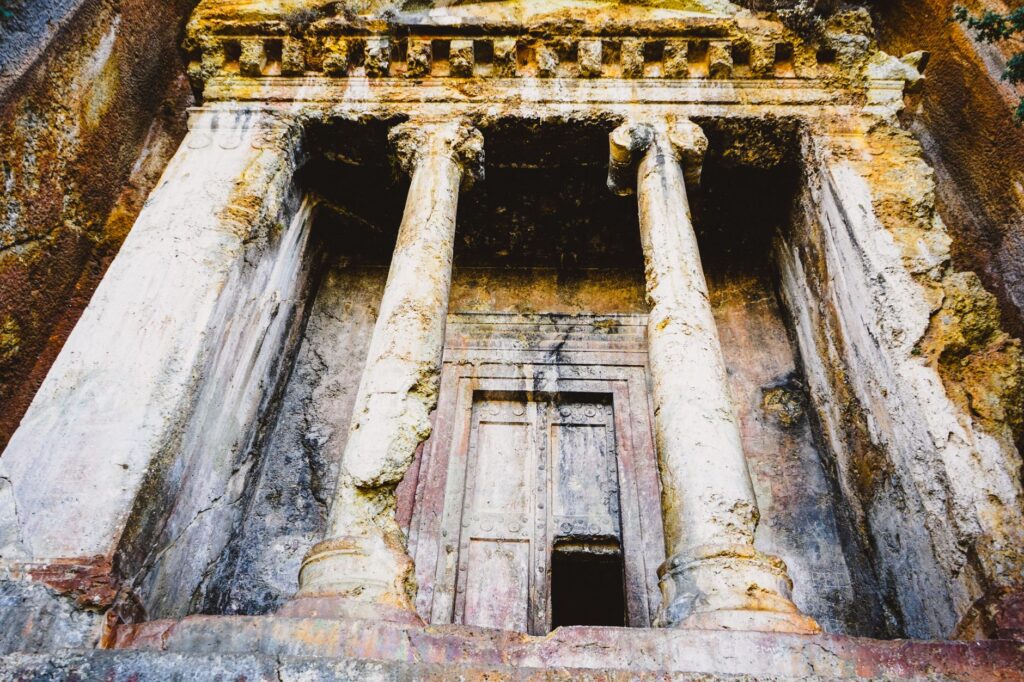
Walking the Lycian Way is, fundamentally, an expedition through a monumental open-air archaeological museum. The Lycians, an Indo-European people famed in antiquity for their fierce independence and seafaring skill, left a unique architectural legacy characterized by rock-cut tombs hewn into vertical cliffs, carved with facades imitating wooden houses so that souls could ascend freely to the afterlife.
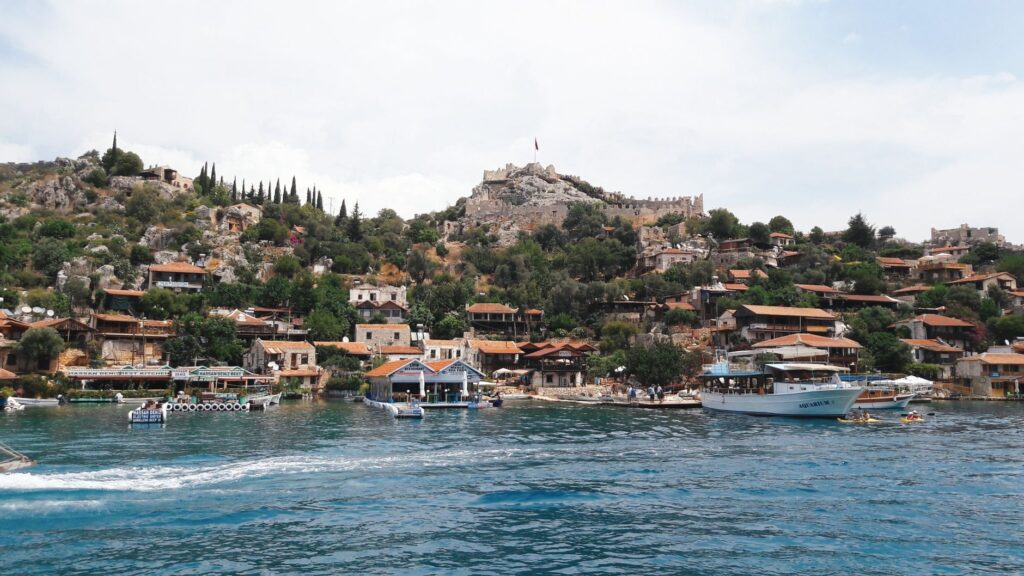
Along the route, monumental landmarks such as the sunken city of Simena in Kekova—where sarcophagi emerge directly from the crystalline gulf waters—the theater ruins of Myra with their impressive reliefs, and the monumental facade of Patara’s agora offer travelers an incomparable historical context. This rich heritage transforms the physical effort of sports into an intellectual journey where resting beside Hellenistic ruins invites reflection on the fleeting nature of empires versus the permanence of rock and sea.
Respect for archaeological heritage is an unyielding expedition rule: climbing on ancient monuments, moving stones from historical structures, or removing pottery fragments from the ground is strictly prohibited.
Contact with contemporary local communities adds a high-value anthropological dimension to the journey. Residents of mountain and coastal villages preserve ancestral agricultural traditions, cultivating pomegranates, figs, and olives on stone terraces built centuries ago. Turkish hospitality, proverbial and sincere, manifests in the custom of offering a glass of hot black tea—traditional çay—on porch steps to any traveler passing through, bridging human divides and deeply enriching the trekking experience.
Practical guide
How to get there: Dalaman International Airport serves as the optimal entry point for the western trailhead in Fethiye, located about fifty kilometers away. For the eastern sector and the approach to Antalya, Antalya International Airport offers direct connections with major European capitals and domestic flights from Istanbul.
Best time to visit: The months of April, May, September, and October offer the most balanced climatic conditions, combining moderate daytime temperatures with fewer tourists and adequate water flow in rural springs.
Permits and regulations: No special access permit is required to hike the Lycian Way in its entirety. However, much of the route passes through protected areas such as national parks and nature reserves, where lighting fires outside designated areas and wild camping near archaeological sites are strictly prohibited.
Recommended gear: A 40 to 50-liter backpack if staying in guesthouses, or 60 liters if self-sufficient with a tent. Water filtration system, telescopic poles, mountaineering footwear with Vibram-type soles, breathable long-sleeve technical clothing, and an advanced first-aid kit with oral rehydration salts.
Epilogue: The Footprint of the Horizon in the Traveler’s Memory
When the trekker finally reaches the Çıralı lighthouse or beholds the vast alluvial plain of Antalya after weeks of continuous effort over Lycian limestone, they realize the true magnitude of the journey is not measured in kilometers covered or elevation gained. The lasting imprint of this ancient trail lies in the subtle inner transformation experienced by the traveler: the ability to synchronize breathing rhythm with the beat of waves crashing against cliffs, the respectful silence before the eternity of rock-cut tombs, and the certainty that, through simple human footfall, connecting directly with the purest, wildest essence of Mediterranean history and nature remains entirely possible.