
Origins and Geology of a Sacred Mountain
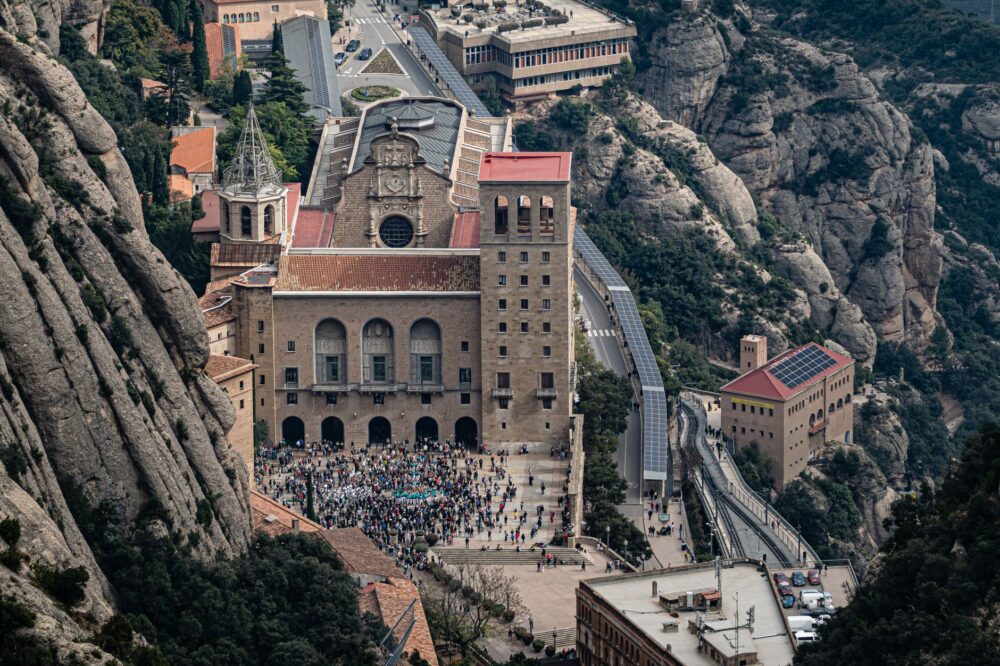
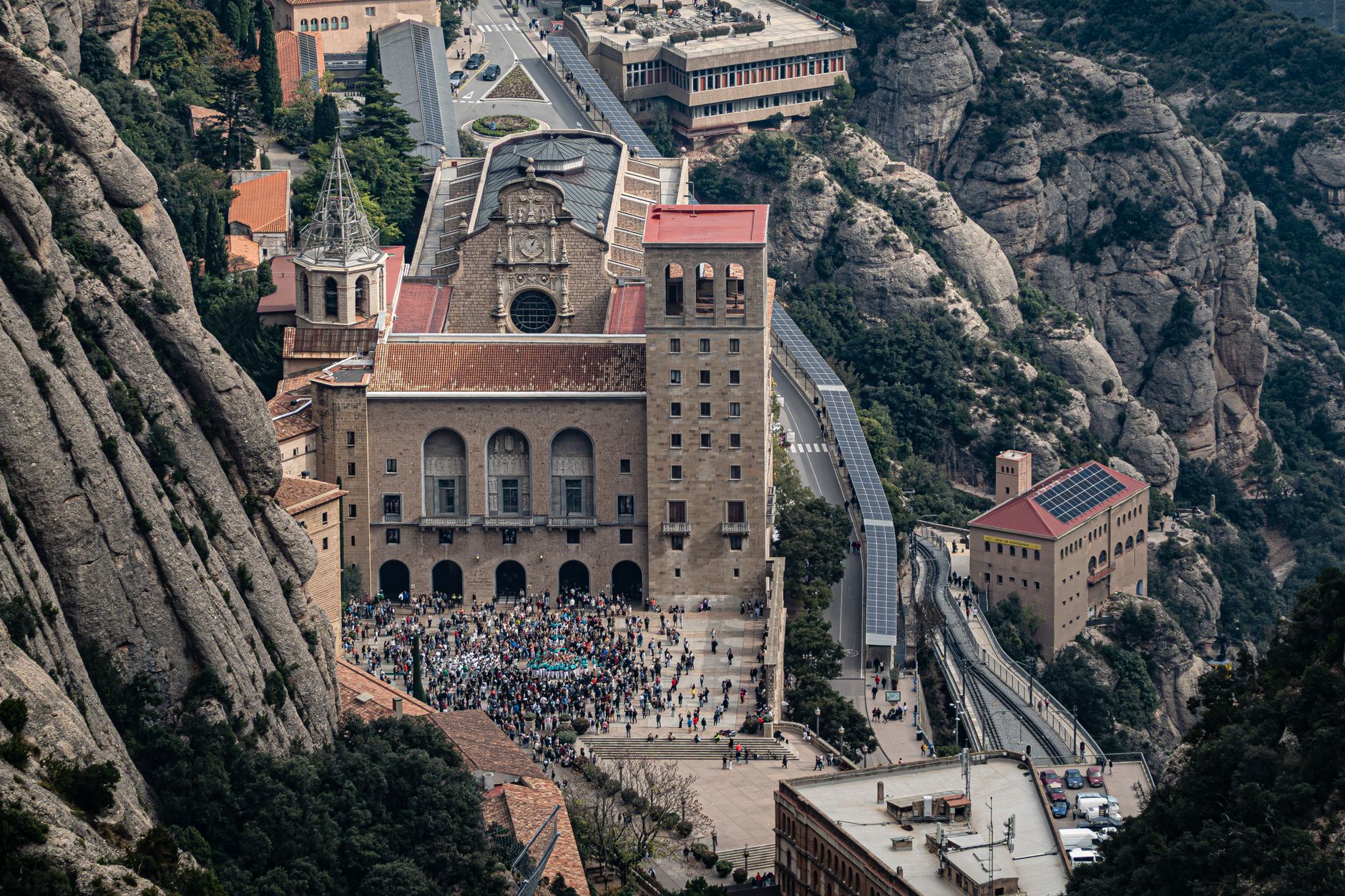
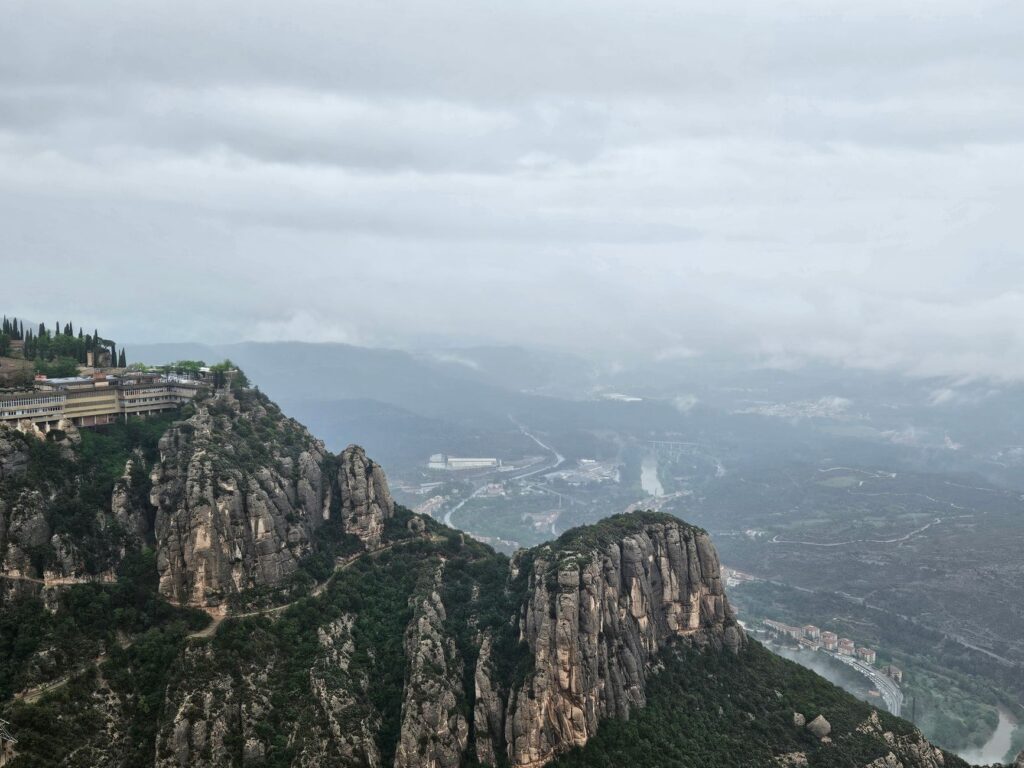
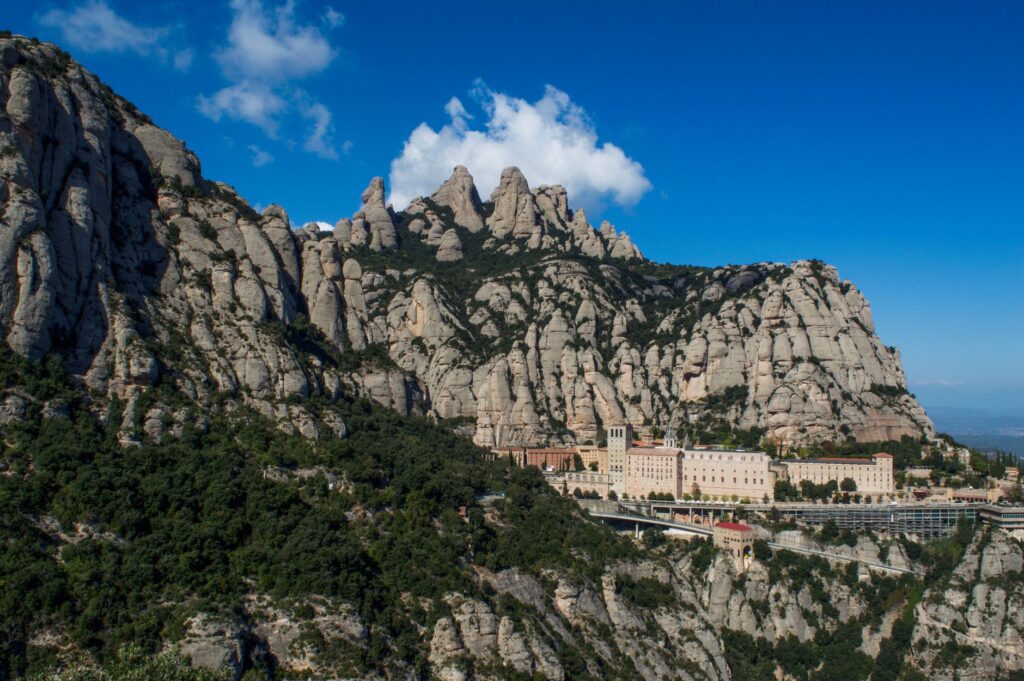
The jagged silhouette of Montserrat against the Penedès sky has bewildered geologists and pilgrims for centuries. It is not a conventional mountain range, but rather an Oligocene conglomerate massif composed of rounded pebbles cemented by a clayey and calcareous matrix which, sculpted by differential erosion and rainwater, has adopted the shape of whimsical monoliths, stone needles, and vertical walls. This abrupt relief, located some fifty kilometers northwest of Barcelona, historically made access to the Benedictine monastery a monumental endeavor. For generations, travelers had to navigate bridle paths, mule trails, and later, hairpin roads that tested both the patience of the devout and the load capacity of early combustion vehicles.
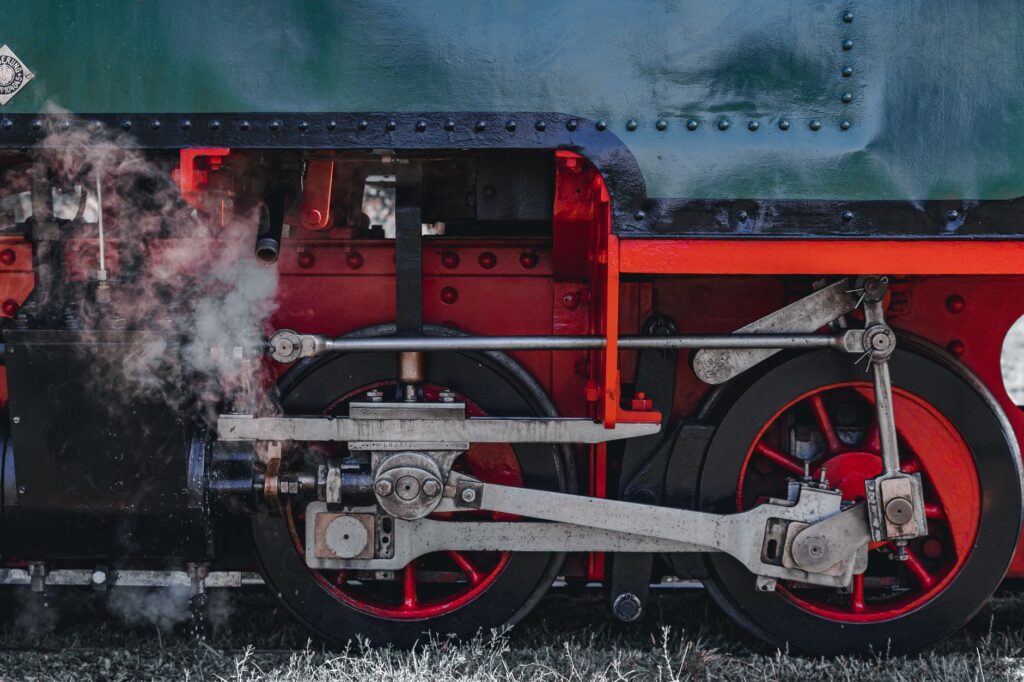
By the late 19th century, the exponential rise in religious tourism and the consolidation of Marian devotion to the Moreneta demanded a modern transport solution. Traditional alternatives proved insufficient against the volume of pilgrims arriving by train from Barcelona to Monistrol. The technical response came from Swiss engineering, pioneer in the design of rack-and-pinion traction systems devised by Roman Abt. This mechanism consisted of adding a central toothed bar between the traditional rails, upon which the locomotives’ cogwheels engaged, allowing them to overcome impossible slopes for the simple adhesion of iron upon iron. The project, approved after intense administrative and technical debates, marked a milestone in the history of Spanish civil engineering at the time.
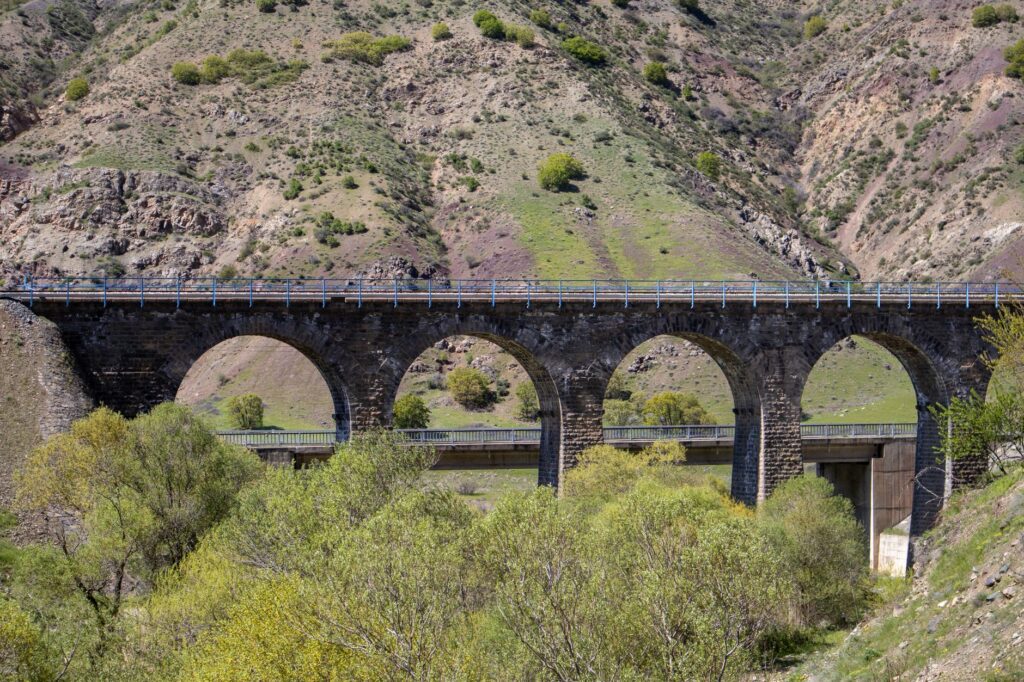
The construction of the original layout, inaugurated in 1892, involved a colossal human deployment. Stonemasons, engineers, and laborers worked under extreme conditions, excavating trenches in living rock, raising masonry retaining walls, and building metal viaducts that today form part of Catalonia’s industrial heritage. This railway not only transformed the local economy of Monistrol de Montserrat, but also redefined the relationship between the mountainous landscape and the traveler, turning a grueling journey into a contemplative experience. However, the history of this line was marked by the political, economic, and social upheavals of the 20th century, which included its temporary closure in 1957 due to competition from road transport and infrastructure wear.
The Rail Rebirth and Modern Technology
After four decades of silence in which the original tracks were swallowed by brush and oblivion, the debate over sustainable mobility and the saturation of road traffic in the natural park prompted an ambitious recovery project. In 2003, under the management of Ferrocarrils de la Generalitat de Catalunya (FGC), the Montserrat Rack Railway whistled once more among the mountain precipices. This resurrection was not a simple copy of the past, but an integral technological upgrade that combined respect for the historical layout with the highest standards of safety, comfort, and energy efficiency of the 21st century.
The new trains, manufactured by the Swiss company Stadler Rail, incorporate regenerative braking systems capable of returning energy to the electrical grid during descents, a crucial technical detail given the continuous slope profile characterizing the route. With a total length of just over five kilometers, the railway overcomes an elevation gain of more than six hundred meters, starting from the Monistrol Vila station—where a large park-and-ride facility designed to prevent private vehicles from reaching the monastery is located—up to the sanctuary platform itself, situated at the foot of the rocky walls.
High-mountain engineering does not seek to subdue the territory, but rather to weave a dialogue of millimetric precision between the strength of steel and the fragility of rock.
The maintenance of this infrastructure requires highly specialized operational routines. Track teams constantly review the condition of the central rack and rail fastenings, exposed to extreme thermal fluctuations, strong wind episodes in ridge areas, and potential falling rock blocks from upper walls. Furthermore, the system features advanced meteorological control devices and presence sensors that guarantee absolute passenger safety in a geographic environment where weather can change radically within minutes.
Daily Life and the Rhythm of the Monastery
Beyond its status as a premier tourist attraction, the rack railway functions as the daily umbilical cord for the monastic community and the workers sustaining the day-to-day life of the sanctuary. Montserrat is not merely a museum or a fleeting pilgrimage destination; it is a living spiritual center where the Order of Saint Benedict maintains a tradition of prayer, hospitality, and cultural research dating back a thousand years. The movement of the trains sets the daily rhythm of the mountain, transporting essential supplies, mail, conservation material for the famous library, and the monks themselves when they must descend toward the urban centers of the valley.
For the inhabitants of Monistrol de Montserrat, the railway is also a deeply rooted identity element. Local families keep in their collective memory tales of ancestors who worked in the construction or operation of the historic line. The integration of the railway into the landscape has demonstrated that it is possible to reconcile massive visitor influxes—exceeding two million annually across the entire complex—with the preservation of the natural park’s environmental tranquility. The prohibition of private vehicles accessing the upper precinct, barring heavily restricted authorizations, has drastically reduced the carbon footprint and acoustic pollution in the monastery’s vicinity.
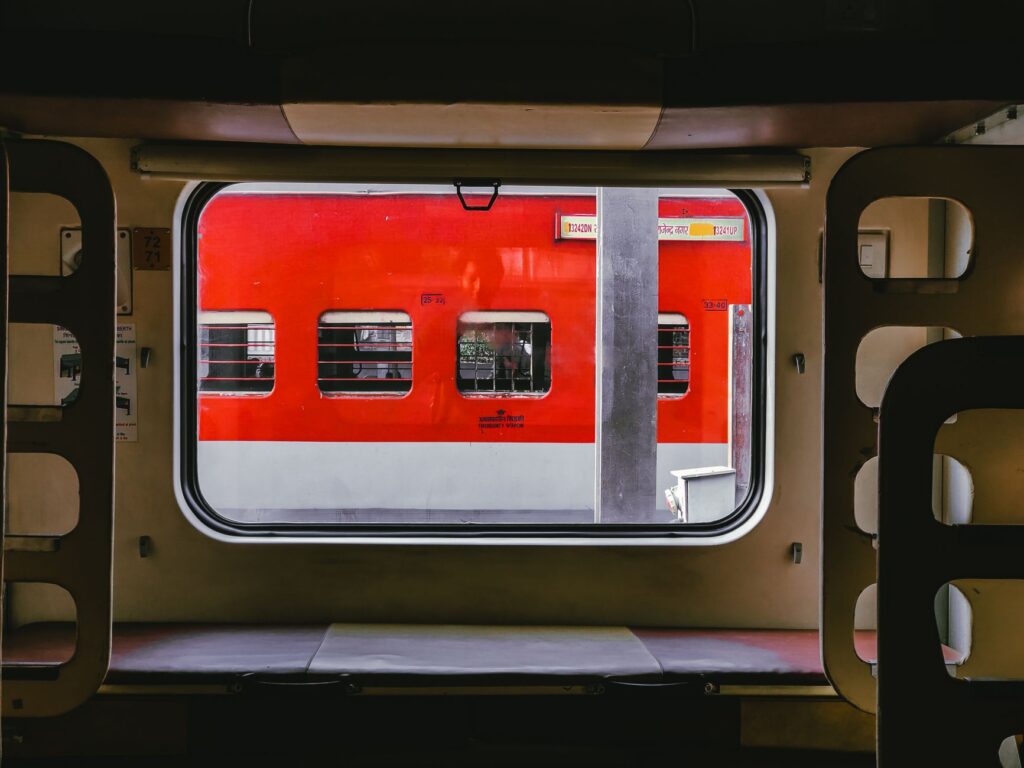
The journey itself constitutes a psychological and visual transition. As the carriage gains height via the rack system, the Llobregat valley landscape shrinks, cultivated fields transform into geometric patches, and the immensity of the conglomerate rock formations begins to envelop the traveler. This slow, secure transit contrasts with the immediacy of modern highway travel, offering a reflective pause that prepares the visitor to enter a space marked by silence, the Romanesque art of the Virgin’s carving, and the millenary resonance of the Escolania de Montserrat, one of Europe’s oldest boys’ choir groups.
Conservation Challenges in a Protected Environment
Managing a railway infrastructure nestled in the heart of a natural park of high ecological and scenic value presents constant operational challenges. Environmental authorities and railway engineers work under strict protocols to minimize the impact of operations on native flora and fauna, which include protected raptor species such as the peregrine falcon and Bonelli’s eagle, finding an ideal nesting habitat in Montserrat’s vertical cliffs.
Preventive maintenance tasks, such as slope clearing, scaling unstable rocks, and managing surrounding vegetation, are carefully scheduled outside critical breeding seasons for local birdlife. Likewise, the line’s energy consumption is rigorously audited, prioritizing renewable sources and optimizing circulation schedules based on seasonal demand, thereby reducing mechanical wear on convoys and ensuring high efficiency in the commercial and social exploitation of the service.
True sustainability in contemporary travel lies in the capacity to integrate efficient transport infrastructure that protects the fragile balance of natural sanctuaries.
This integrated management approach has made the Montserrat Rack Railway a European benchmark for sustainable mobility in high-mountain zones. It demonstrates that mass tourism can be channeled through guided collective transport solutions, restoring the traveler’s ability to contemplate the territory without altering it. The combination of industrial history, unique geology, and public service consolidates this railway not only as a means of transport, but as a living heritage worthy of being journeyed with all five senses.
Practical guide
How to get there: The most efficient and sustainable way to access the Montserrat Rack Railway is to take the R5 line of Ferrocarrils de la Generalitat de Catalunya (FGC) from Plaça d’Espanya station in Barcelona to the Monistrol de Montserrat station, where direct connection with the rack railway is made. For those preferring private vehicles, the Monistrol Vila station features a large free parking lot and connects directly with the rail system.
Tickets and schedules: Combined tickets including the train journey from Barcelona, the rack railway, and access to internal funiculars (Sant Joan and Santa Cova) offer the best value and simplify planning. The service operates every day of the year with frequencies varying between 20 and 40 minutes depending on the tourist season. It is recommended to check updated schedules on the official FGC website before starting the trip.
Tips for the visit: It is advisable to begin the journey early in the morning to avoid peak visitor hours and enjoy the best photographic light over the rock formations. Mountain weather can be fickle; even in spring or summer, bringing a light jacket is advisable due to altitude and winds commonly blowing across the sanctuary esplanades. Respect natural park regulations and maintain silence within the monastery’s residential areas.
Epilogue at the Summit
When the last convoy of the day begins its descent toward Monistrol with its flashing lights silhouetted against the gathering gloom of the cliffs, the Montserrat mountain reclaims its ancestral solitude. The bustle of pilgrims and hikers fades, giving way to the murmur of the wind among the conglomerate monoliths and the distant chime of the monastery bells. In that moment of quiet, the rack railway reveals itself not merely as a masterwork of engineering capable of defying gravity and slope, but as the faithful custodian of a bridge stretched between earth and sky, reminding the traveler that the true value of travel lies in the depth of gaze with which one contemplates the landscape.