
The Horizon Line Where Steam Dialogues with Mud
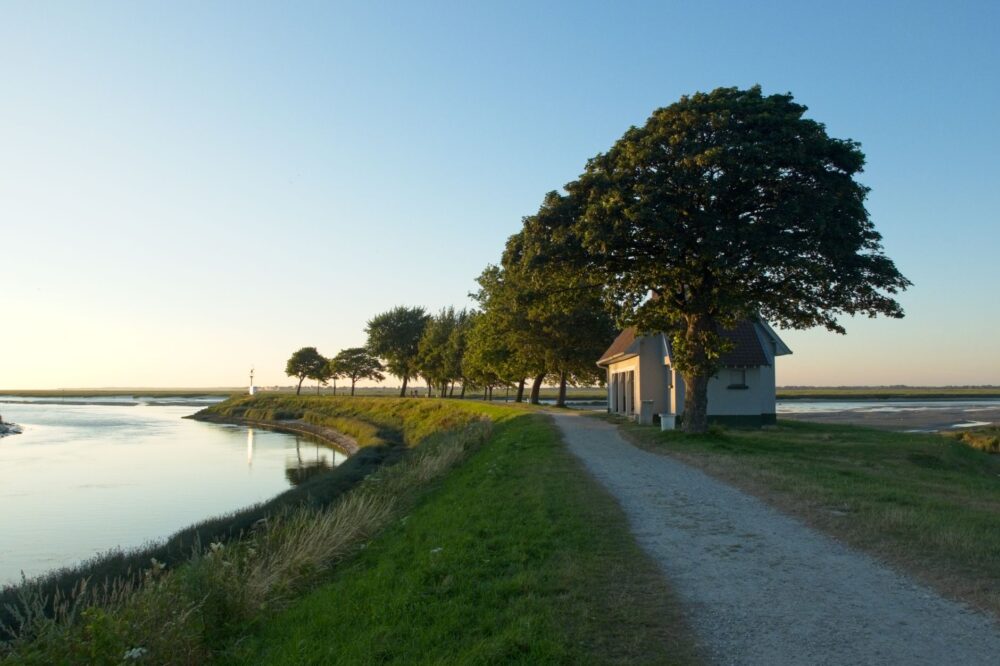
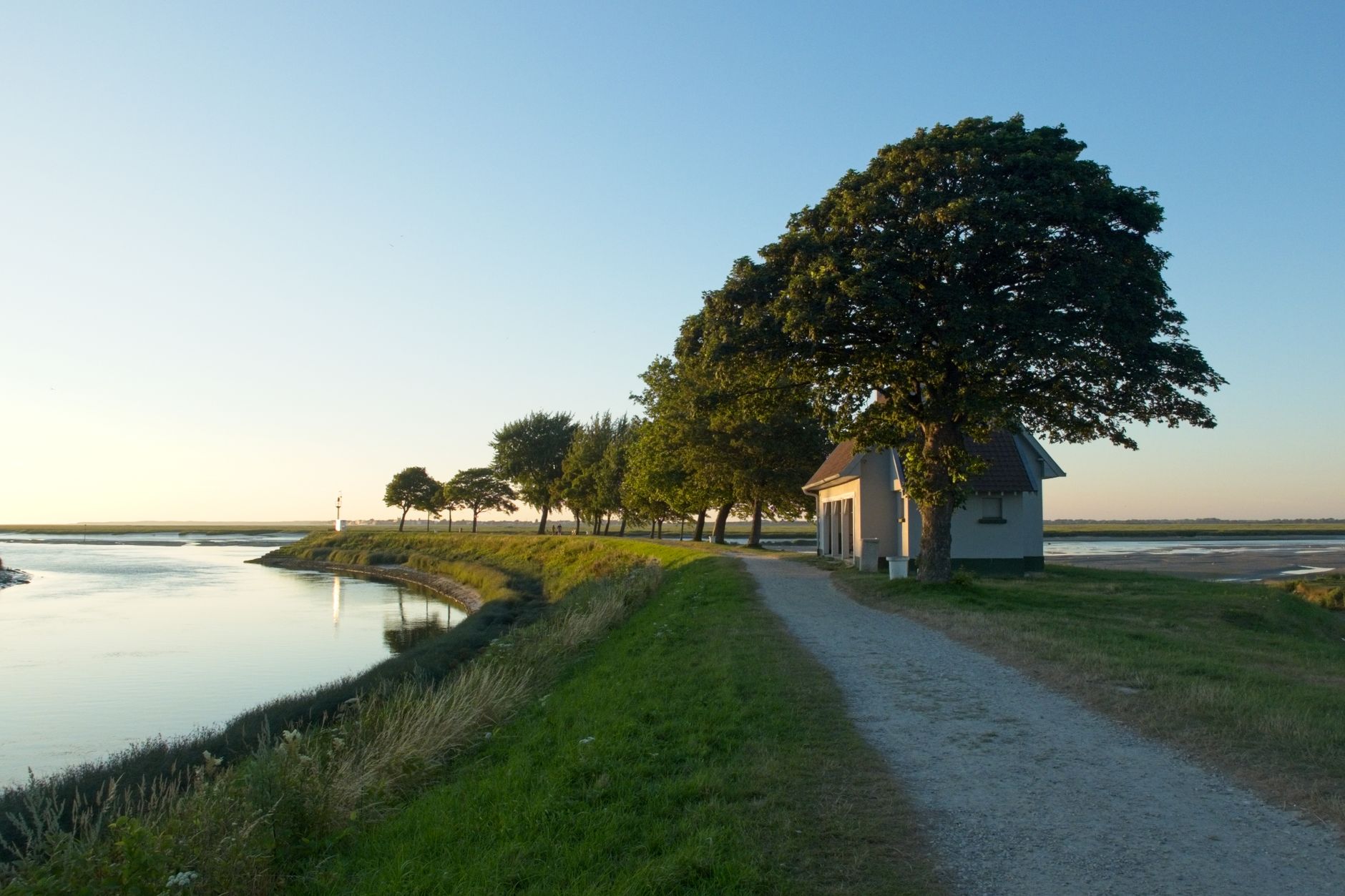
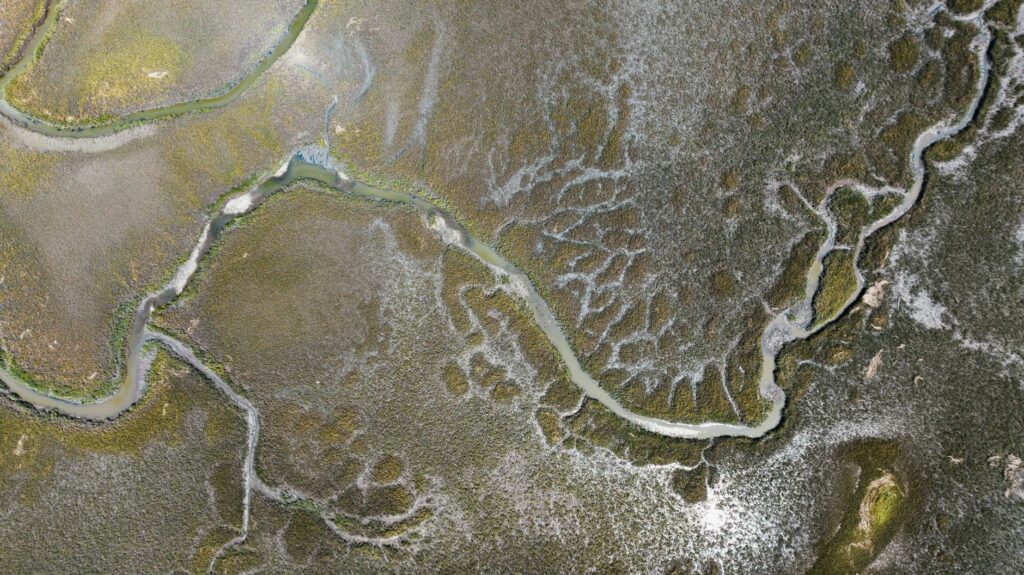
At the northernmost tip of the Hauts-de-France region, the coastline is defined not by unchanging cliffs or sterile sandy beaches, but by a vast, breathing estuary: the Somme Bay. Here, solid ground gradually yields to the surge of the English Channel, creating an amphibious territory where the boundaries between water and meadow blur with every tidal cycle. In this landscape of infinite horizons and moisture-laden skies, human mobility has never depended on asphalt highways or contemporary mega-infrastructure, but on a fragile and tenacious metallic thread defying the passage of decades. The Chemin de Fer de la Baie de Somme represents much more than a summer tourist attraction; it is the historic backbone that, since the late 19th century, links fishing communities, farmers, and shellfish gatherers across an ecosystem in constant transformation.
The genesis of this metric-gauge railway network responded to a pressing economic necessity of the French Third Republic: integrating the local economies of Crotoy, Saint-Valery-sur-Somme, and Cayeux-sur-Mer into the national market for coal and agricultural goods. While the major lines operated by the Compagnie des Chemins de Fer du Nord prioritized speed and heavy freight transport toward the industrial centers of the interior, the Somme system adopted an entirely different philosophy based on topographical adaptability. Engineers of the era understood that attempting to conquer the estuary through rigid embankments was a losing battle against spring tides capable of shifting kilometers of sediment in a matter of hours. The solution consisted of tracing a floating infrastructure on piles and flexible ballast, capable of absorbing the movements of the clayey terrain without fracturing.
The Engineering of Flexibility Against Sedimentary Instability
Constructing and maintaining a railway line over a muddy marine bed demands a rigorous understanding of sedimentary dynamics. Unlike continental tracks anchored on solid rock and stable gravel, the route circumnavigating the Somme Bay rests on a silty substrate experiencing constant subsidence. 19th-century engineers turned to a system of high-density oak ties supported directly on beds of draining sand, allowing the track to literally float over the sediments. This design minimizes the risk of derailment amid unexpected shifts in the banks and facilitates preventive maintenance routines historically executed through manual labor.

The rolling stock traversing this corridor reflects the same logic of technical resilience. The steam locomotives still operating today—authentic functional museum pieces—were designed with a power-to-weight ratio optimized for gentle slopes yet very tight curve radii. Distributing weight across multiple axles avoids concentrating excessive loads in sections where the subsoil loses cohesion due to salt-water infiltration. This technical equilibrium has enabled the system to survive two world wars, the generalized crisis of regional rail transport during the mid-20th century, and contemporary regulatory demands regarding safety and accessibility.
The Human Pulse of Labor in the Marshes
Throughout its twenty-seven-kilometer route, the train not only carries curious travelers seeking pristine natural landscapes, but also preserves the memory of traditional extractive activities. During the early morning hours, when sea mist blankets the tidal channels, the railway line historically served pêcheurs à pied and gatherers of salicornia, halophytic plants thriving in floodable terrain. Although commercial freight transport has given way to visitor flows, the symbiotic relationship between local communities and the passage of the train continues to mark the daily rhythm of riverside villages.
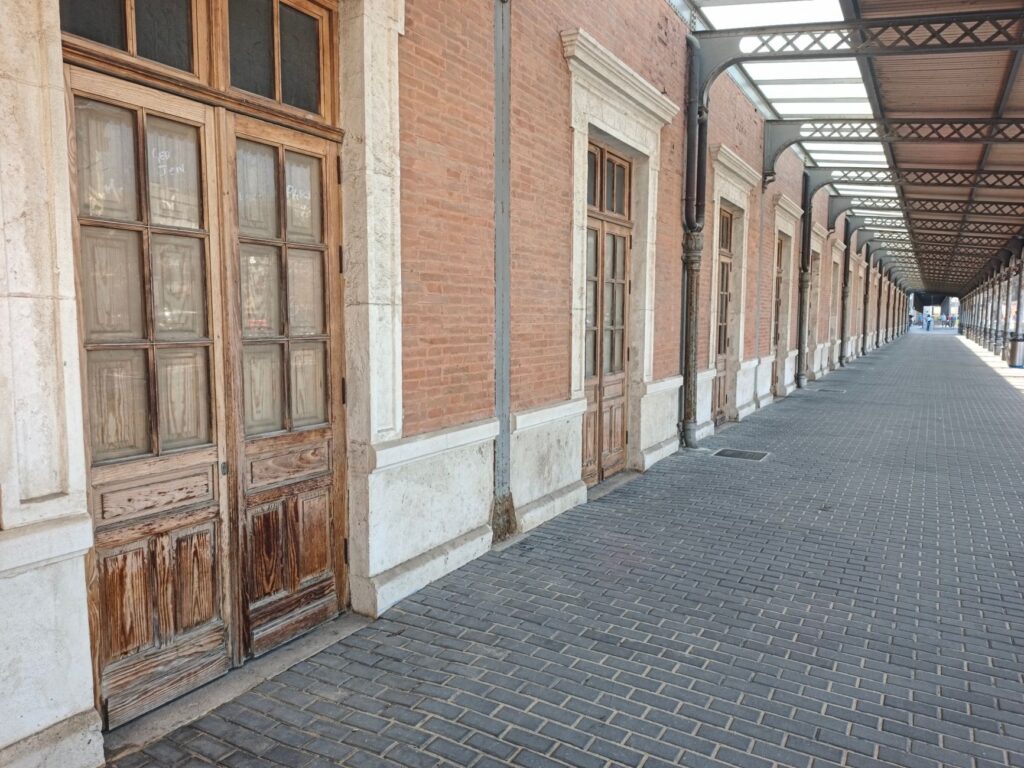
The stations along the route, preserved with an architectural rigor avoiding commercial pastiche, act as informal civic centers. In Saint-Valery-sur-Somme, the passenger building combines elements of Norman architecture with the industrial functionality typical of English Channel port enclaves. Residents use the platform not merely as a departure point, but as a gathering space to discuss weather forecasts, tidal conditions, and the impact of tourism on the local economy. This everyday appropriation of railway space constitutes the true guarantee of its preservation, far surpassing heritage designations granted by the French Ministry of Culture.
The Architecture of Slowness in the Era of Hyperspeed
In a global landscape dominated by an obsession with speed, shortened transit times, and the absolute digitization of the traveler’s experience, the Chemin de Fer de la Baie de Somme proposes a radical subversion: the right to slowness. With an average speed rarely exceeding thirty kilometers per hour, the journey compels passengers to shed haste and attune themselves to the biological rhythms of the estuary. Stops at intermediate halts like Le Crotoy or Noyelles-sur-Mer are not mere operational formalities, but meditative pauses allowing observers to watch migratory waterbird flocks and the work of mussel farmers in traditional bouchots.
This transition toward a de-accelerated mobility model does not stem from a nostalgic marketing strategy, but from a lucid reading of the territory’s ecological limits. The bay’s marshes form part of an international importance nature reserve, a vital refuge for thousands of migratory birds such as the red knot, Eurasian curlew, and numerous waterfowl species. Introducing high-speed trains or duplicating access roads would have irreparably fragmented the habitat. By committing to the preservation of a low-energy, narrow-gauge system, the region has demonstrated that industrial heritage can become an ally of environmental conservation rather than its gravedigger.
Logistical Challenges of Energy Transition in Rolling Heritage
Keeping a fleet of century-old steam locomotives operational in the 21st century poses complex technical and environmental dilemmas. Mineral coal combustion, while indispensable for recreating the original operational experience, directly conflicts with decarbonization targets assumed by the European Union and local administrations. To resolve this contradiction without sacrificing heritage authenticity, the railway’s mechanical workshops, located in Saint-Valery, have developed applied research programs focused on boiler thermal efficiency and the use of alternative biological fuels.
Likewise, managing water resources required to fuel steam locomotives demands millimetric control. Water used must undergo demineralization to prevent premature corrosion of smoke tubes and high-pressure internal components, a process requiring specialized technical facilities along the line. Simultaneously, infrastructure maintenance for tracks and metal bridges over channels requires constant structural inspections to detect material fatigue caused by mechanical loads combined with the chemical aggressiveness of the saline environment. The survival of this system demonstrates that technological heritage maintenance is not passive contemplation, but active engineering work requiring constant innovation.
Socioeconomic Impact on Riverside Settlements
The viability of such infrastructure depends on its integration into the regional economic fabric. Far from constituting an isolated theme park, the railway acts as a value multiplier for hospitality, local commerce, and nature guide services across the three main municipalities it links. During peak season months, thousands of travelers use the train as their primary transport mode to move between bay enclaves, avoiding private vehicles and reducing road congestion in urban centers characterized by narrow streets and medieval layouts.
This low-intensity tourism model generates economic spillovers distributed more evenly among small local businesses compared to mass-market tourist circuits. Restaurants in Saint-Valery-sur-Somme serving fresh fish and bay specialties, artisanal bakeries in Le Crotoy, and rural tourism lodgings in Cayeux all benefit from a steady flow of visitors valuing environmental authenticity. The train thus becomes an agent of territorial cohesion, redistributing tourism revenues toward sectors traditionally left outside major mass circuits.
Practical guide
How to get there: Primary access to the network is from Paris via regional TER trains on the Paris-Nord to Boulogne-sur-Mer line, transferring at Noyelles-sur-Mer station, which connects directly with the estuary’s metric gauge. The journey from the French capital takes approximately two hours.
Operating schedule: Regular service operates from the first weekends of April through late September, with extended frequencies during the summer months of July and August. Special runs also occur during Christmas holidays and autumn themed events.

Fares and tickets: Day passes are available allowing unlimited boarding and exiting at any station along the route (Saint-Valery, Le Crotoy, Cayeux-sur-Mer, and Noyelles). Standard fares range between 20 and 30 euros for adults, with significant discounts for children and large families. Advance booking is not mandatory outside peak season, though recommended for large groups.
Travel tips: Checking tide tables before planning walking excursions across the estuary is advisable, as rising water can quickly isolate sandy paths. Waterproof, mud-resistant footwear is recommended, along with windproof clothing, given that weather conditions in the bay can shift rapidly due to direct influence from the English Channel.
The Silent Memory of the Amphibious Horizon
When the final service of the day embarks on its return toward the Saint-Valery workshops, fading into twilight and the distant silhouette of tidal dikes, the Somme Bay recovers its ancestral silence. In that transitional moment, the railway line ceases to be mere transport infrastructure and becomes a luminous scar upon the territory, physical testimony to human persistence against nature’s incessant flow. The rails rusted by salinity and the ties worn by time continue guarding the secret of a millennial pact between man and mud, reminding us that the deepest journeys are not those taking us furthest from our starting point, but those teaching us to inhabit the fragile margins of the world with respect.