
The Geological Genesis of Pyrenean Waters
In the heart of the Louron Valley, where the Pyrenean peaks act as a natural wall against Atlantic weather systems, water is neither a passive resource nor a mere amenity, but a sculptural and healing element. For centuries, the thermal springs of Loudenvielle have emerged from the depths of the Earth’s crust loaded with minerals and thermal energy. This phenomenon responds to a complex geodynamic process in which alpine rainwater filtration descends kilometers underground, warming through tectonic fault lines before ascending with unaltered mineral purity. Unlike commercial wellness centers, the Louron basin maintains an indissoluble pact with its geological surroundings, where snowmelt nourishes a millennial hydrological cycle.
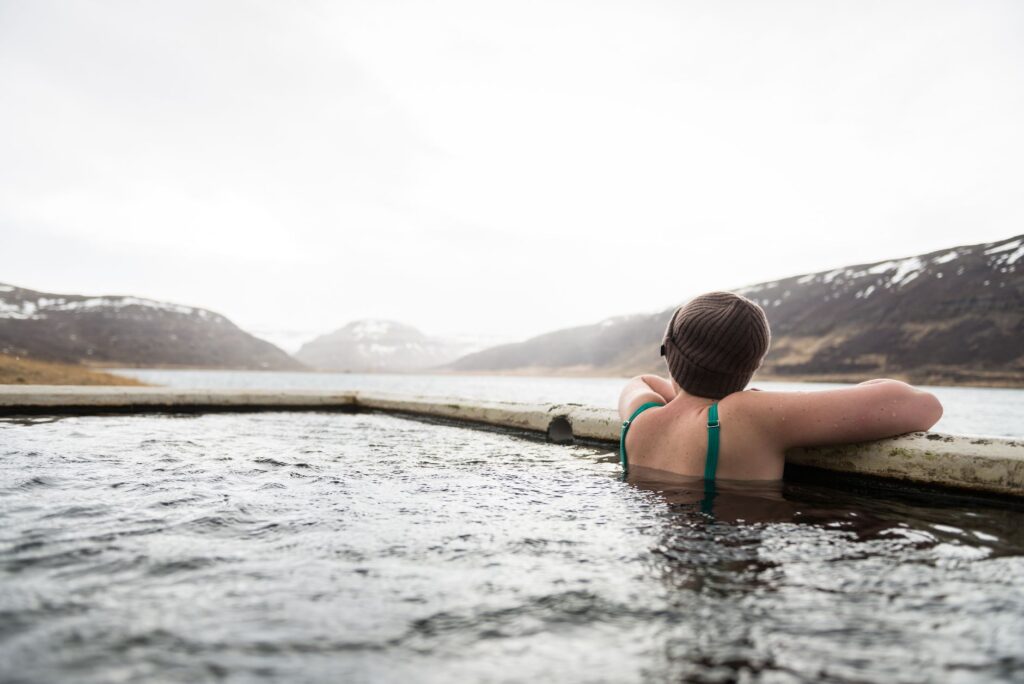
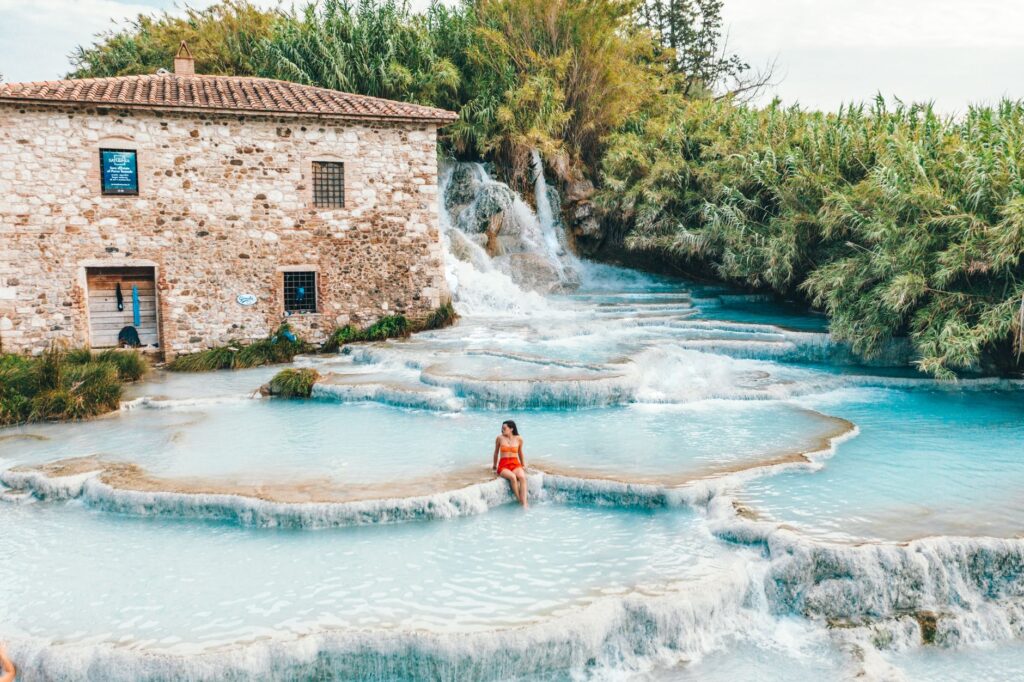
Modern hydrogeological research confirms that these bicarbonate- and sulfur-rich waters possess exceptional therapeutic properties, specifically indicated for muscle recovery and nervous system equilibrium. Access to these springs has historically shaped the configuration of human settlements in the valley. Ancient shepherds and travelers already recognized the relief these waters provided after arduous crossings over mountain passes. Today, the contemporary architecture of local thermal centers engages in a direct dialogue with this tradition, integrating outdoor panoramic pools where rising steam contrasts with the freezing air of snow-capped peaks.
The rhythm of life in Loudenvielle is dictated by the seasons and the fluctuating flow of torrents descending toward the Génos-Loudenvielle lake. This body of water acts as a visual and climatic regulator, reflecting the fir-covered slopes and the dark slate roofs characteristic of the area. The experience of Pyrenean thermalism is not limited to physical rest, but demands a deep attunement to the natural environment—an exercise in introspection where external silence fosters mental stillness.
Traditional Slate and Dry-Stone Architecture
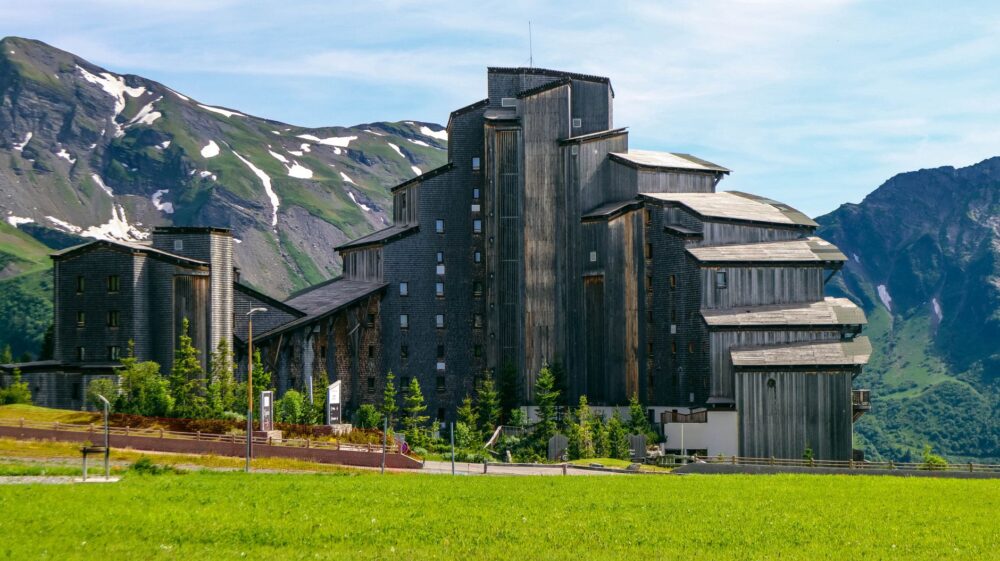
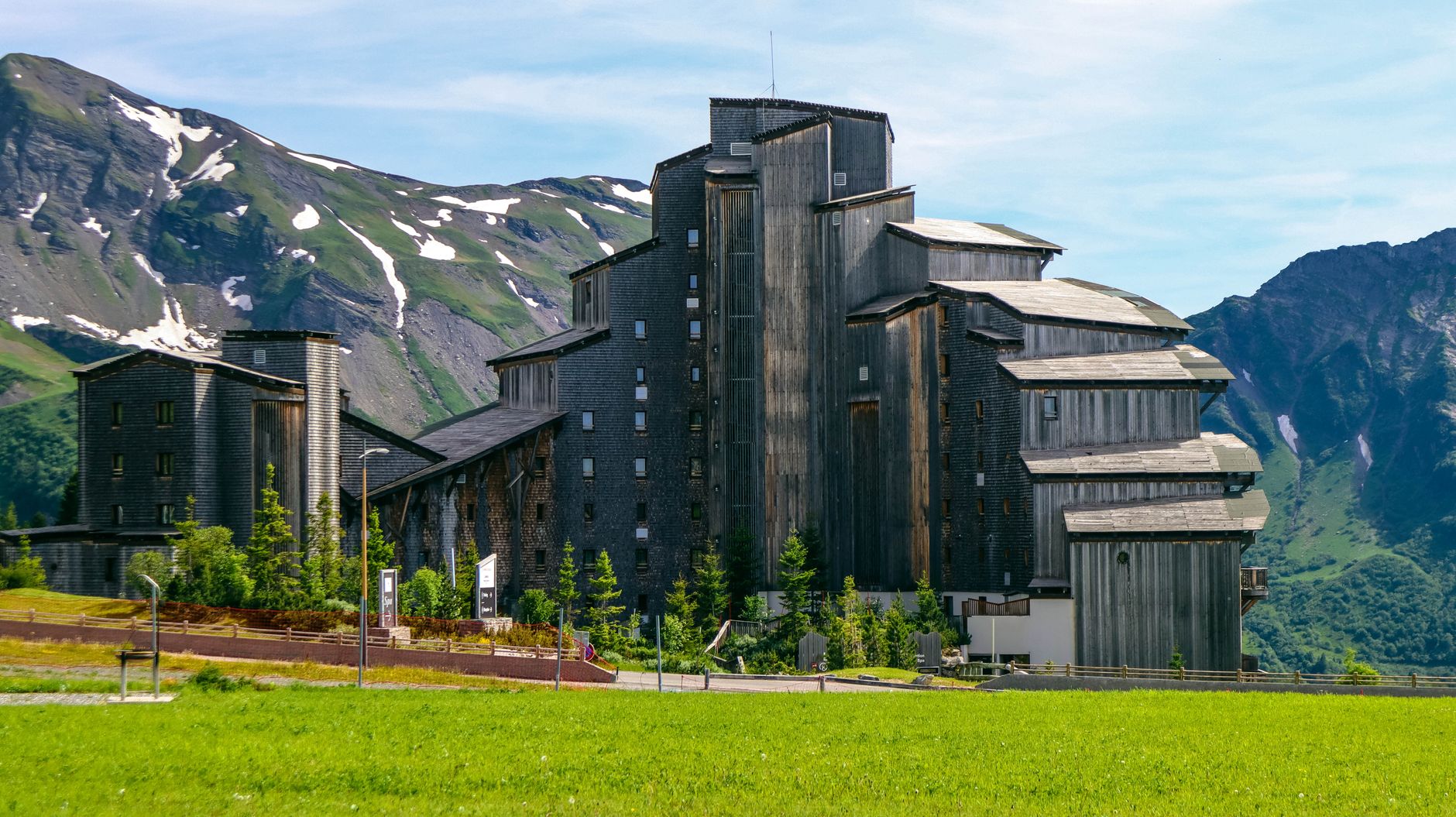
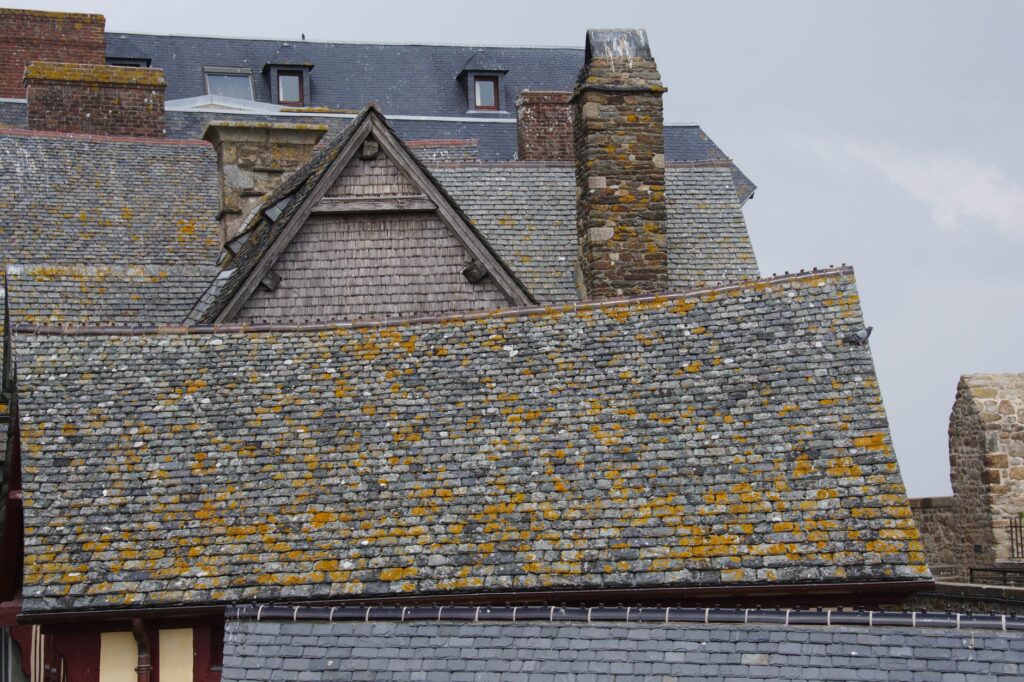
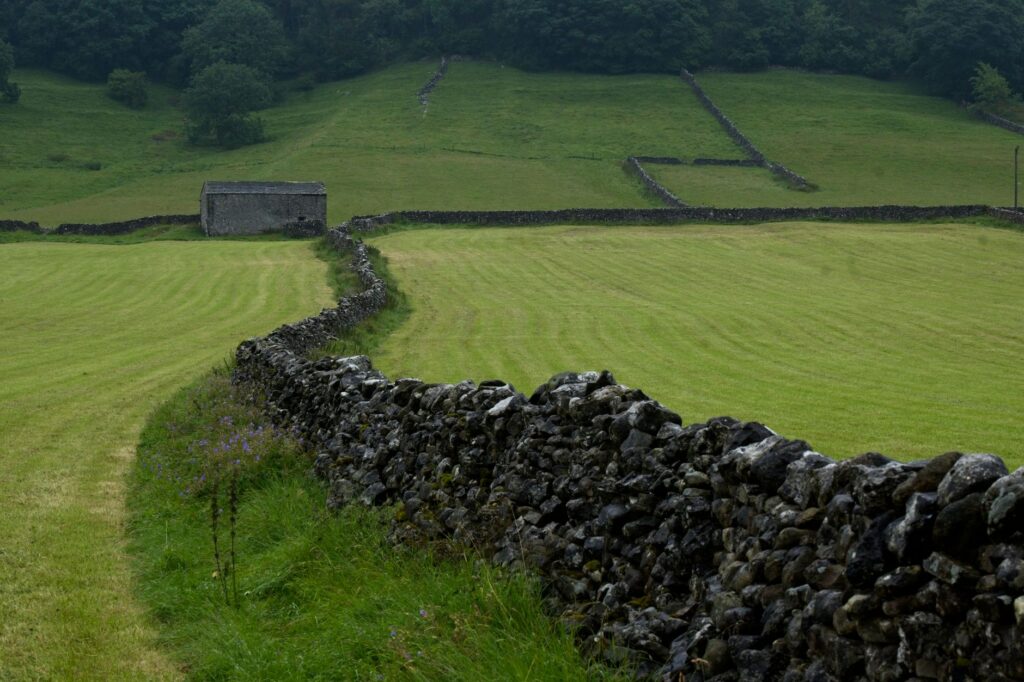
The built landscape of the Louron Valley constitutes one of the best-preserved examples of vernacular Pyrenean architecture. Dwellings and public buildings do not compete with the landscape; rather, they emerge organically from it. Local slate, quarried from nearby artisanal sites, covers roofs with a steep pitch designed to withstand heavy winter snowfalls. Dry-stone walls, raised without mortar through knowledge accumulated over generations, delimit pastures and sustain the agricultural terraces climbing the valley slopes.
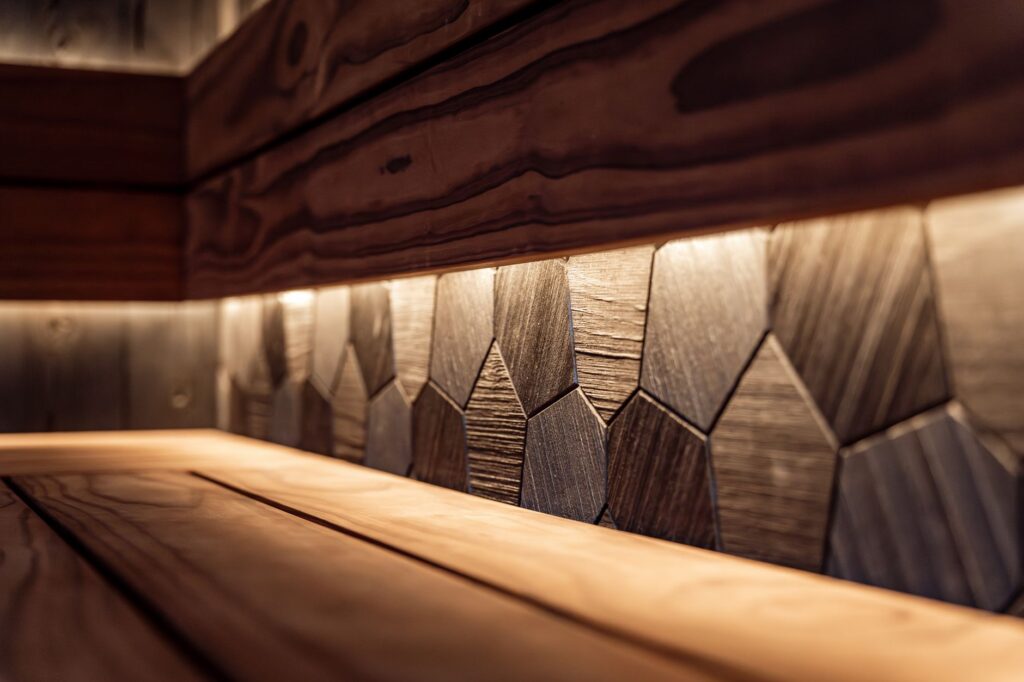
In recent years, wellness complexes in Loudenvielle have embraced this constructive language, demonstrating that architectural modernity can merge with tradition without falling into pastiche. The extensive use of local larch wood and large glass panels allows natural light to flood interior spaces, creating a fluid transition between resting areas and the surrounding mountain cirque. Green roofs and semi-submerged volumes minimize visual impact, respecting the human scale and the geological profile of the valley.
Dry stone and timber are not mere building materials in the Pyrenees; they are the condensed memory of a territory that has learned to converse with harsh weather across the centuries.
This commitment to material authenticity extends into the interiors of hydrotherapy spaces, where water-brushed slate and limestone pavements provide a tactile experience deeply rooted in the terroir. Every constructive detail responds to a bioclimatic logic aimed at optimizing thermal retention and maximizing sunlight during short winter days.
The Ritual of Alpine Hydrotherapy
Immersing oneself in Loudenvielle’s thermal waters during the colder months involves understanding a ritual of strictly structured thermal contrasts. The traditional protocol begins with an acclimation phase in warm pools, allowing muscles to relax under the effect of hydrostatic pressure. Bathers then transition to dry heat areas, such as panoramic saunas oriented toward black pine forests, where balsam fir wood releases natural essential oils that enhance respiratory decongestion.
The climax of the circuit consists of immersion in outdoor hot tubs while ambient temperatures frequently drop below zero. This controlled thermal shock stimulates peripheral circulation, releases endorphins, and generates a sensation of bodily lightness difficult to replicate in urban environments. Local therapists emphasize the importance of respecting rest intervals between each phase, turning the hydrotherapeutic circuit into a meditative discipline.
In addition to communal baths, regional wellness offerings incorporate massage techniques based on endemic plant oils and warm stones sourced from nearby riverbeds. This holistic approach ensures visitors not only recover physical well-being but establish a direct sensory bond with the biodiversity of the national park and its surroundings.
The Economics of Sustainable Wellness in the Valley
Loudenvielle’s tourism model has consciously avoided the massification and unchecked urban development that have altered other alpine valleys. Local administrations, in collaboration with communal landowners and tourism operators, have implemented strict energy sustainability guidelines. Thermal centers and lodging infrastructure rely primarily on local forest biomass and advanced geothermal systems, dramatically reducing the carbon footprint of tourism.
This commitment to sustainability is neither a superficial marketing strategy nor a passing trend, but an economic and ecological necessity for preserving the valley. Protecting underground aquifers requires rigorous monitoring of extraction volumes and the prevention of polluting runoff in high basins. Local farmers and livestock breeders actively participate in landscape management, maintaining pastures and mitigating wildfire risks through extensive grazing.
The result is a resilient socioeconomic ecosystem where foreign visitors coexist harmoniously with the resident rural community. Consumption of proximity products—such as high-altitude ewe’s cheese, mountain honey, and certified local meats—completes an offering where personal well-being is inseparable from the environmental health of the territory.
Low-Impact Trails and Leisurely Exploration
Discovering Loudenvielle and its surroundings is best accomplished on foot, adopting the cadence of the hiker who rejects the rush of conventional tourism. A network of historical trails, rigorously marked yet free of visual pollution, connects traditional valley villages such as Arreau, Genos, and Adervielle. These routes follow ancient transhumance paths bordering rushing torrents, offering shifting perspectives on seasonal waterfalls and beech forests.
During spring and autumn, paths transform into botanical observatories where travelers can identify endemic Pyrenean flora and spot raptors such as the bearded vulture and golden eagle. The absence of motorized vehicles along primary routes guarantees exceptional acoustic silence, broken only by the murmur of water and wind through tree canopies.
+
Walking through the Louron Valley is an act of resistance against contemporary urgency; every step demands mindfulness toward the terrain and respect for high-mountain biological rhythms.
For those seeking a broader perspective, long-distance trails ascend toward ibones—glacial lakes situated above two thousand meters—where water acquires intense turquoise hues under summer light. These full-day excursions require physical and meteorological preparation, rewarding the traveler with memorable panoramas across the Franco-Spanish border ridge.
Practical guide
How to get there: The nearest international airport with regular connections is Toulouse-Blagnac, located approximately 150 kilometers away. From there, the rental car journey takes roughly two hours via the A64 highway and departmental roads ascending through the Aure Valley and the Arreau tunnel.
When to go: The peak wellness season spans autumn and winter (October through March), when thermal contrasts between warm water and exterior cold reach maximum intensity. Spring (May to June) offers blossoming landscapes ideal for combining hydrotherapy with mid-mountain hiking.
Accommodation: Travelers are advised to prioritize small family-run hotels in Loudenvielle or rehabilitated traditional rural houses in neighboring villages like Arreau and Germ, many holding energy-efficiency certifications and local gastronomy standards.
Etiquette tips: Regional thermal centers require appropriate non-slip footwear and swimming caps in specific areas. Strict adherence to silence in relaxation zones and moderate use of electronic devices are highly valued.
The Final Refuge of Steam and Memory
As dusk settles over the Louron Valley and Pyrenean peaks take on an intense violet hue, Loudenvielle’s outdoor pools reach their most evocative dimension. Dense steam rising from the springs blends with evening mist, erasing boundaries between the human body and the surrounding nature. In that moment of temporal suspension, the traveler realizes true contemporary luxury lies not in accumulated services, but in the capacity to attune to the elemental rhythms of the earth. The masonry stone, the millennial heat of the water, and the mountain’s silence conspire to offer an enduring truce—a physical reminder that health and serenity are born from profound harmony with the landscape.