
The metropolitan bustle of Tokyo—with its flawless choreography of bullet trains, towering digital displays, and millimeter-precision timing—collided harmoniously with the unhurried cadence of traditional Mexican student serenades and the tolling of centuries-old bells thousands of miles from their origin. Against the backdrop of the JATA Tourism Expo, one of Asia’s most influential travel showcases, the delegation from Guanajuato deployed a meticulously calculated strategy. This was not merely about occupying a booth at an international trade fair, but about casting an invisible yet resilient trans-oceanic bridge capable of translating centuries of baroque history, mining traditions, and highland biodiversity into the codes of rigor, respect, and fascination that define the Japanese tourist.
The state’s presence in Japan reflects a rigorous reading of global sector trends. While East Asian economies increasingly seek destinations offering authentic experiences, disconnection, and genuine heritage, Guanajuato emerges as a territory concentrating the essence of Mexico without the massive overcrowding of other tourist enclaves. The state tourism ministry’s bet in this Asian showcase is far from accidental: it builds upon preexisting diplomatic and industrial foundations—anchored by a strong presence of Japanese automotive and technology firms in the Bajío region—to construct a purely touristic narrative where the Japanese traveler encounters a secure, clean, aesthetically breathtaking, and deeply hospitable destination.
The Geography of Silver: Between Viceregal Shafts and Labyrinthine Alleys
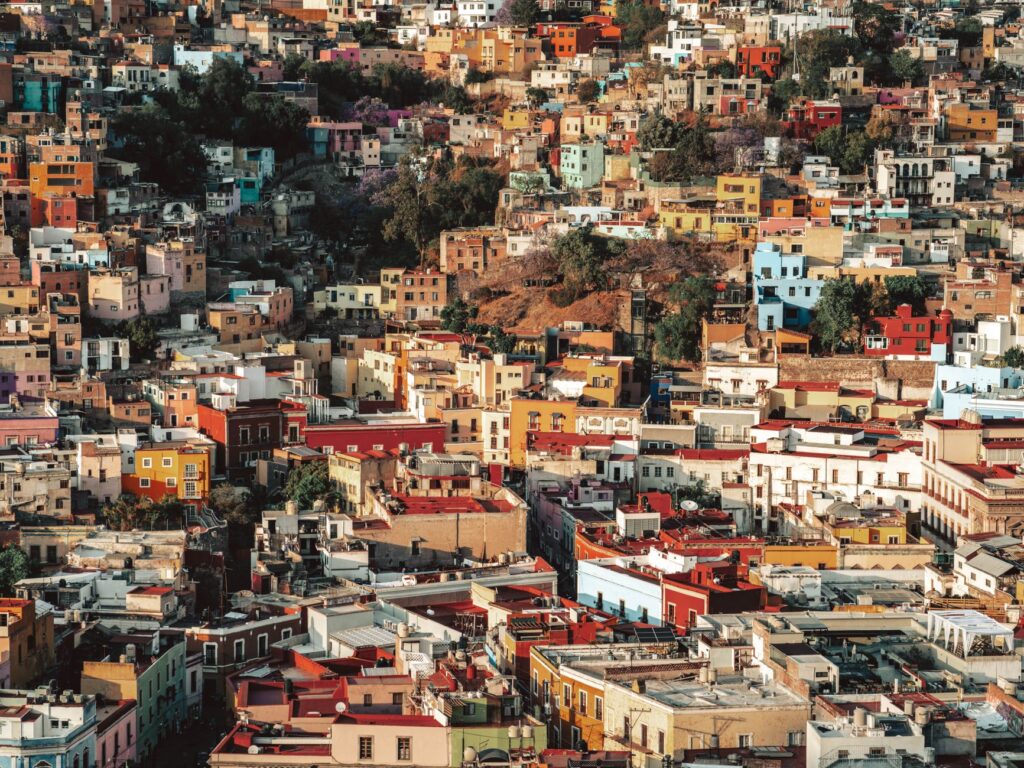
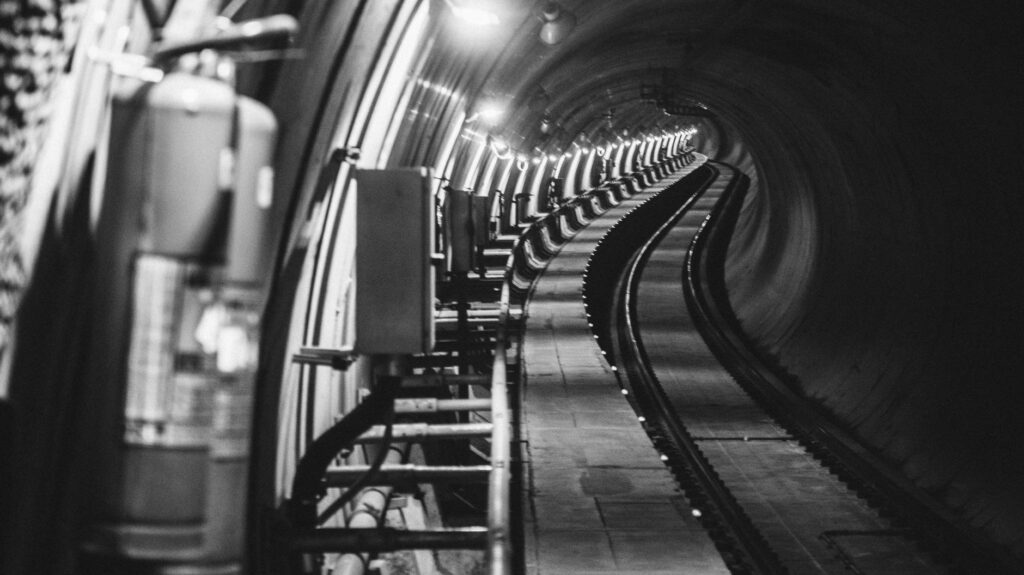
To comprehend the sheer magnitude of the Guanajuato portfolio presented in Tokyo, one must descend into the very heart of its capital city. Designated a UNESCO World Heritage site, the city of Guanajuato is an exercise in impossible architecture and superimposed beauty. Its streets do not follow an orthogonal grid; instead, they meander to the capricious rhythm of an underground riverbed that today forms a network of vehicular tunnels unique in the world. Walking through its narrow alleys—bearing evocative names like the Alley of the Kiss—is an immersion into a narrative of green and pink quarry stone, ochre facades, and forged-iron balconies that defy the steep hillsides.
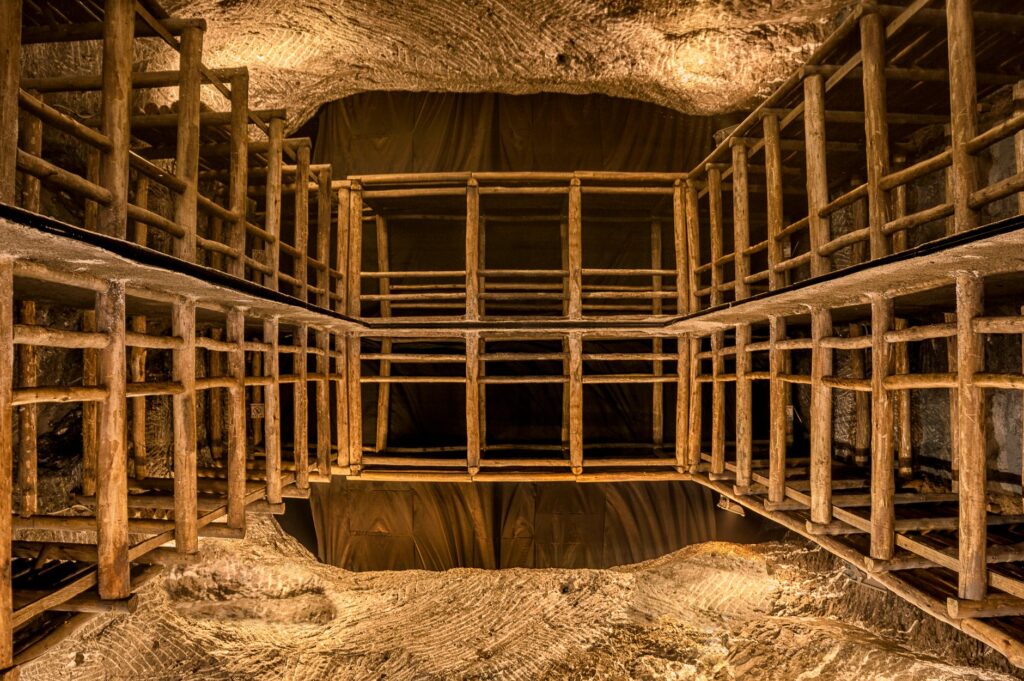
The region’s economic and social memory is inextricably tied to silver. During the viceregal period, the mines of Valenciana, Rayas, and Mellado funded the Spanish Crown and stimulated global commerce. Today, descending into the depths of these shafts guided by local miners provides a tangible sense of the human labor that erected such baroque splendor. Churches richly adorned with gold leaf, such as the Church of San Diego or the Basilica Colegiata de Nuestra Señora de Guanajuato, stand as silent witnesses to the boom that transformed rugged canyons into cultural capitals of the American continent.
San Miguel of Allende: Aesthetic Refuge and Sanctuary for the Senses
Scarcely two hours from the state capital, the landscape shifts to a serene and cosmopolitan elegance. San Miguel de Allende, frequently honored by international publications as one of the world’s best cities to visit, captivated professional attendees at the Japanese trade fair through its impeccable architectural preservation and vibrant art scene. Cobblestone streets flanked by stately manor homes converted into art galleries, boutique hotels, and design studios offer a lifestyle pace that dialogues seamlessly with the Japanese aesthetic sensibility for detail, craftsmanship, and contemplation.
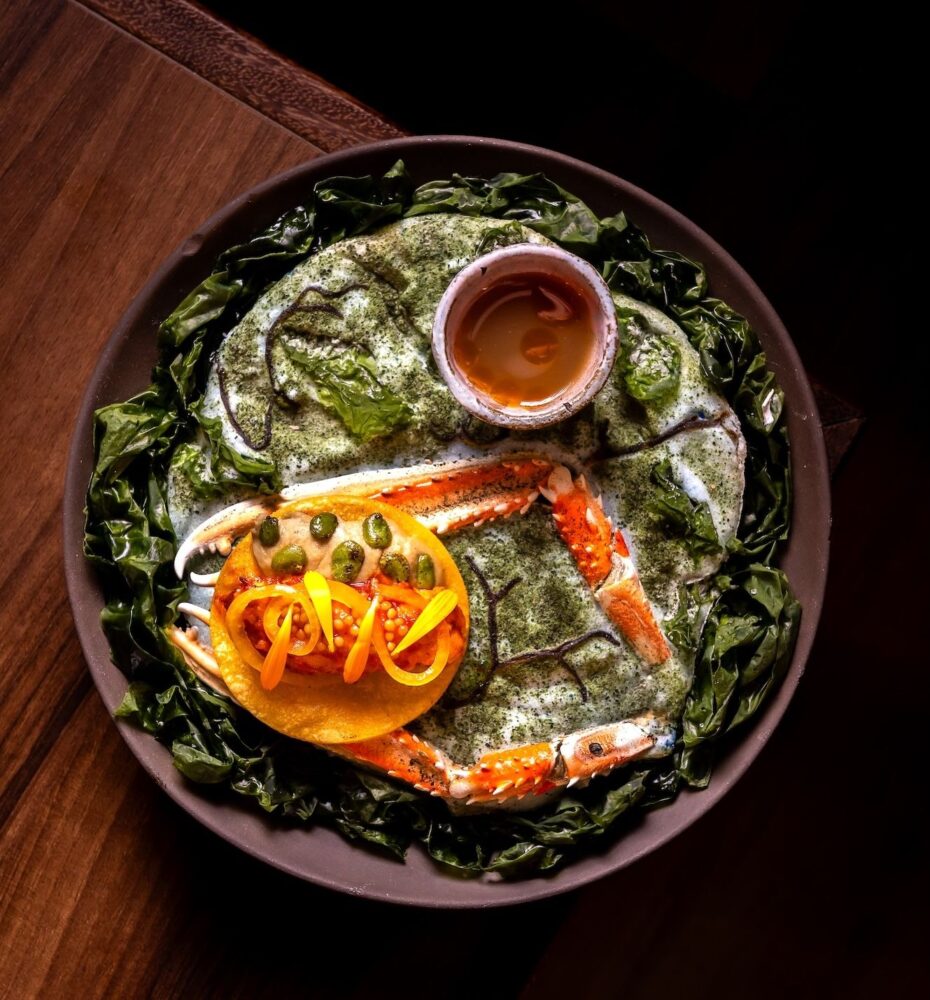
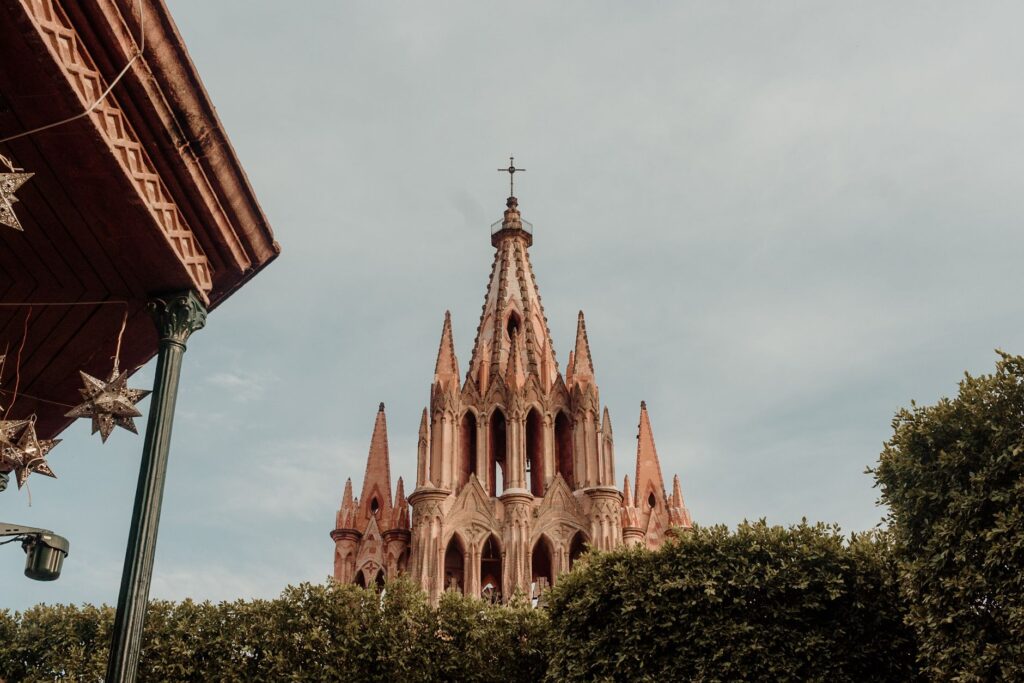
The unmistakable silhouette of the Parroquia de San Miguel Arcángel, with its Neo-Gothic facade inspired by European cathedrals yet interpreted by local stonecutters without formal blueprints, anchors an urban fabric where every interior courtyard serves as a haven of peace. Within this setting, contemporary gastronomy converses with traditional markets. Local chefs reinterpret pre-Hispanic ingredients—such as heirloom corn, native chiles, and prickly pears—using avant-garde techniques that spark deep interest among high-end Asian culinary tourists.
The Aromas of the Earth: Tequila, Mezcal, and Wine in the Bajío
One of the most celebrated highlights during the promotional events in Japan was the state’s enogastronomic offerings. Far from being limited to the certified tequila produced in specific municipalities like Coroneo or Pénjamo, Guanajuato has consolidated a thriving wine route that revives a viceregal tradition banned for centuries by the Spanish Crown. Vineyards situated over two thousand meters above sea level, enjoying unique microclimates favorable for ripening varietals such as Tempranillo, Malbec, and Syrah, offer memorable tastings surrounded by historic estates.
Complementing this vinicultural wealth is the culture of mezcal, particularly in zones such as San Luis de la Paz and Jaral de Berrio, where master distillers craft salmiana agave spirits in artisanal stills, preserving ancestral methods. For the Japanese market, accustomed to reverence for products with strict geographical indications and meticulous artisanal processes—such as domestic sake or whisky—discovering Guanajuato’s wines and distilled spirits represented a sophisticated revelation that shatters industrial tequila stereotypes.
Contemporary cultural tourism does not seek to consume serial landscapes, but rather to understand the human backstage of territories through their silences, their traditional crafts, and their most deeply rooted flavors.
The Archaeology of Silence: Pre-Hispanic Vestiges and Natural Reserves
Although colonial architecture captures many headlines, Guanajuato possesses a temporal depth stretching back to Mesoamerican and hunter-gatherer civilizations. Archaeological zones such as Cañada de la Virgen, located in an agricultural valley near San Miguel de Allende, reveal a Toltec astronomical observatory of astonishing mathematical precision. Pyramidal structures aligned with solar and lunar cycles demonstrate that the Bajío was a neuralgic point of cultural and spiritual exchange in ancient Mexico, adding layers of intellectual interest for long-haul travelers eager for deep history.
In parallel, the state’s natural geography offers striking contrasts ranging from the forested peaks of the Sierra de Guanajuato to the semi-arid plains of the Sierra Gorda Biosphere Reserve and the basalt formations of Cuitzeo. Low-impact hiking, endemic bird watching, and stays at agroecological haciendas comprise a nature-tourism proposal that aligns with current demands for sustainability and personal well-being, fundamental pillars in post-pandemic Japanese travel preferences.
Practical guide
How to get there: The Bajío International Airport (BJX), located in the municipality of Silao, receives direct flights from major US hubs and domestic connections from Mexico City and Tijuana. From Japan, the most efficient route involves transpacific flights to Mexico City or US gateways, followed by a domestic flight of approximately one hour.
When to visit: Guanajuato’s climate is temperate most of the year. The months from October to April offer sunny days and minimal rainfall. October is particularly notable for hosting the Festival Internacional Cervantino, a world-class cultural benchmark, though it requires months of advance reservation.
Entry requirements: Japanese citizens do not require a visa for tourist stays under 180 days in Mexico; a valid passport at the time of entry and the corresponding migration form suffice.
Internal transport: The Bajío highway network is efficient. Renting a vehicle is recommended to explore the wine routes and archaeological zones, or alternatively, utilizing high-end long-distance coach services to connect major cities.
Recommended accommodation: Ranging from boutique hotels housed in former viceregal manor homes in San Miguel de Allende and the state capital, to wine haciendas converted into luxury spa resorts and fine-dining retreats.
The Art of Stopping Time in the Alley
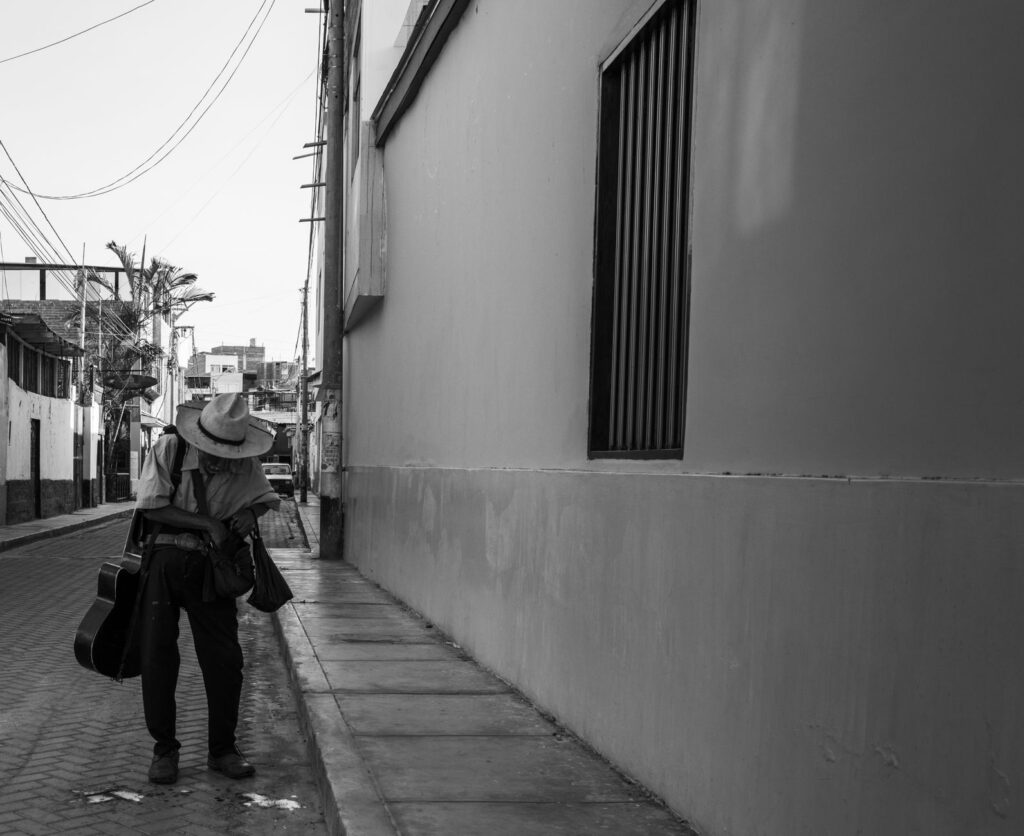
As the final hours of the Tokyo trade expo draw to a close and high-quality printed catalogs remain on the desks of major Asian travel operators, the intangible substance of a cultural exchange endures. Guanajuato has proven that its true appeal does not lie in ephemeral grandiosity, but in the persistence of its everyday beauty: the reflection of sunset light on a pink quarry facade, the aroma of tanned leather in León’s artisan workshops, the distant murmur of a guitar as one turns a steep, cobbled corner.
For the traveler crossing the globe from the Japanese archipelago, stepping into this corner of the Mexican Bajío is far more than a geographical relocation; it is an invitation to attune to a different vital cadence. It is proof that, despite vast oceanic distances and linguistic divides, certain geographies resonate profoundly with the aesthetic and emotional memory of those who traverse them, leaving an indelible mark that transcends time and borders.
Source in EN: Crónica Regional (base information regarding Guanajuato’s participation in the JATA Tourism Expo in Japan).